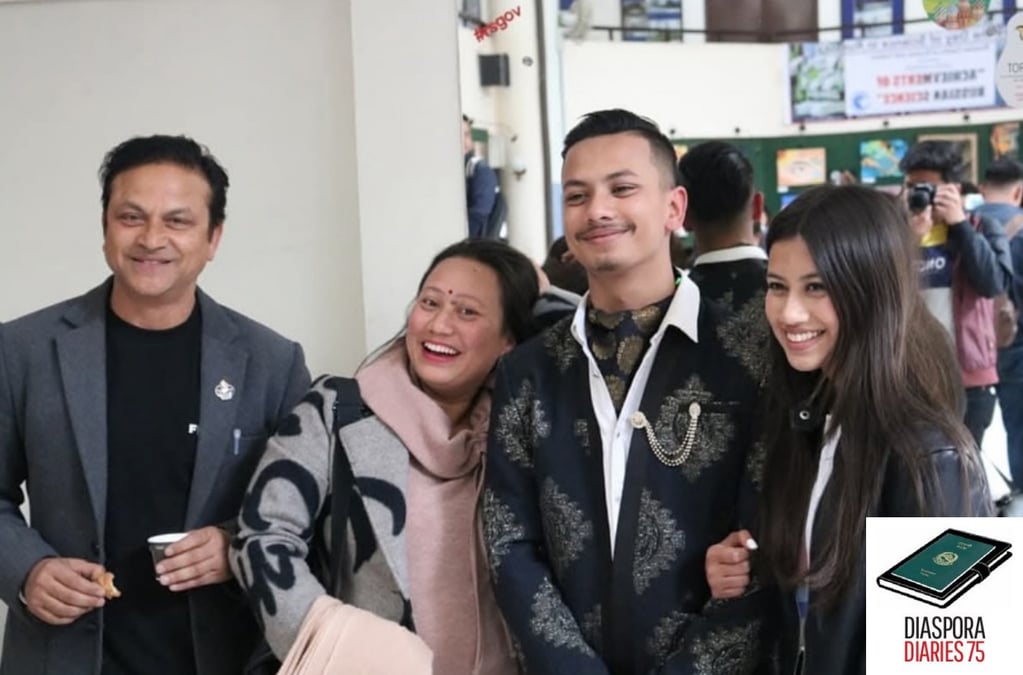
This is the 75th episode of Diaspora Diaries, a Nepali Times series in collaboration with Migration Lab providing a platform to share experiences of living, working and studying abroad.
My father was a country boy from Sarlahi, and my mother a city girl from Kathmandu. They had an inter-ethnic marriage, which was difficult until the two families gradually began to accept it.
My parents, who worked in development, viewed the world through a social lens. They often traveled overseas for their INGO work, leaving me and my sister behind. We spent a lot of time at my grandparents’ house, or in rented apartments with guardians.
Between Grades 1 and 10, I must have switched schools seven times. Our parents prioritised our education, and enrolled me in the most expensive schools. I was shocked by my school fees, and often wondered how they managed with their salaries.
I wanted to become a businessman, so I could have the kind of life some of my well-to-do friend had. My family was not from a business background, and social services didn’t lend themselves to that kind of lifestyle. Now I realise what my parents gave me was already over the top, a truth that becomes clearer as I get older.
Our family was getting along fine until our father died while working on a project in Dhading in September 2021. The official reason was ‘heart attack’. We do not talk about this much, perhaps as a way of dealing with the loss.
He was our rock, and everything got harder. At least we had good people around us who reminded us to take care of our mother and to work hard. And we did.
My sister and I made TikToks during the lockdown, initially in a joint account which reached its peak in 2022-2023. I had always wanted to be an actor, but I knew the film industry does not pay well. My parents also urged me to keep my interest in acting as a passion project.
TikTok enabled us to showcase our talent for comedy. We figured out how to crack TikTok’s algorithm and stayed on top of trends. People liked our duo and the raw and authentic content. It required a strategy, luck, planning, and understanding the game.
We use a hashtag #NakarmiKhanalAF in all our content drawing from my parents’ last names although they did not need to know what ‘AF’ stood for.
My first viral content involving a humorous take on a Marvel character hit over 500k. That fusion combining international trends with Nepali humor worked really well, and I started making it my niche, adapting content.
My father was always thick-skinned and did not have to try to be cool or tough. He was unapologetically himself, sometimes to the point where my sister and I felt embarrassed. When he was invited as a chief guest at a cricket game, for example, I remember feeling proud to be the child of an ‘important person’, but he grabbed the mic and told everyone to start cleaning the ground.
Many of our friends came from wealthy families because of the schools we attended, and he proudly lectured them about our humble background and the importance of social service.
Growing up, we tried hard to get his validity. My proudest moment was gifting him a shirt bought with my first salary. My father did not get to see our rise on social media, but I know he is watching over us just as he always did.
The first brand deal I got was memorable but awkward. It was for a grooming package for private parts. I used to think about how movie actors start their journeys with advertisements for underwear, and this was going to be my story, my ‘humble beginning’ as a content creator.
They did not even pay me money but just gave me the items. Other brands started coming in and with them, money. I earned as much as Rs40,000 per content and tried to make one every day. This was a big contrast to my monthly salary of Rs35,000 in a clothing store.
All along, I was acutely aware that fame would not last forever. Just like one of my singer friends Wangden had said in a podcast: he was going to have fun while fame lasted.
After TikTok was banned in India, there was even more uncertainty about social media. The alternates were also not assuring: people running businesses had to close up or were stuck, and the political uncertainty was scary. This pushed me to think about migrating, and Australia was a safe backup.
I uploaded content right upto two hours before my flight from Kathmandu. I wanted to have enough savings so I did not have to start working right away in Australia. I was buying freedom.
Since I had to change schools frequently, Rodin was one of few enduring friends I had. He was in Australia and assured me that he would take care of everything, and he did. He was my family there, and I did not have to go through the initial struggle that other international students had to endure.
In Australia, I have done multiple jobs over the last two years and completed my MBA. My interviewer challenged me to make him laugh with one of my content videos. He did and I started work the very next day though I know I got the job because a hardworking friend had recommended me. To the boss, I was just another Nepali who could work swiftly. I mopped floors, washed dishes, and served customers. This was Australia, and I hustled. But I knew there had to be more to life.
The long hours and little sleep eventually caught up with me. One day I slept 14–15 hours straight, and when I woke up, it hit me that I should try networking.
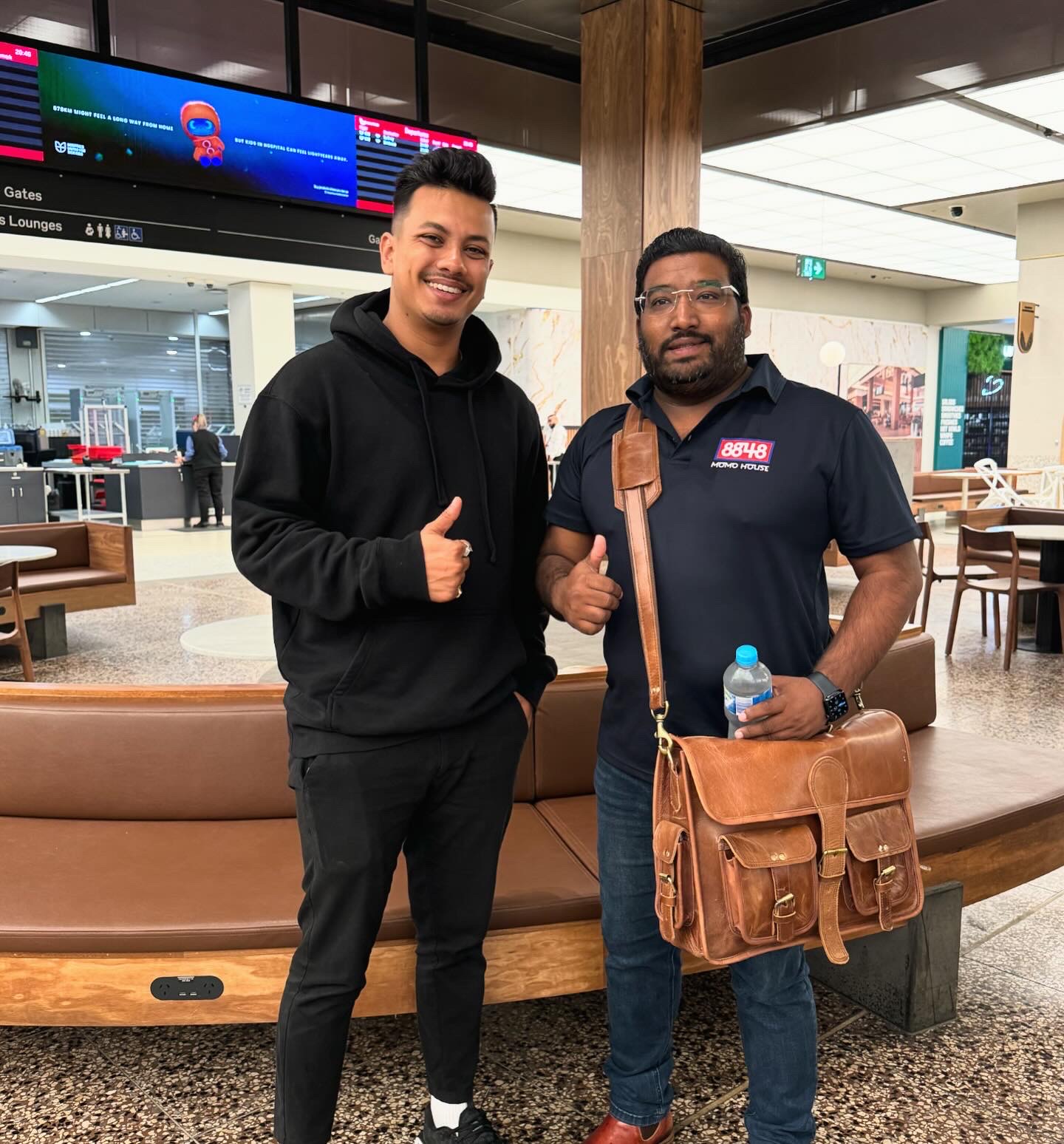
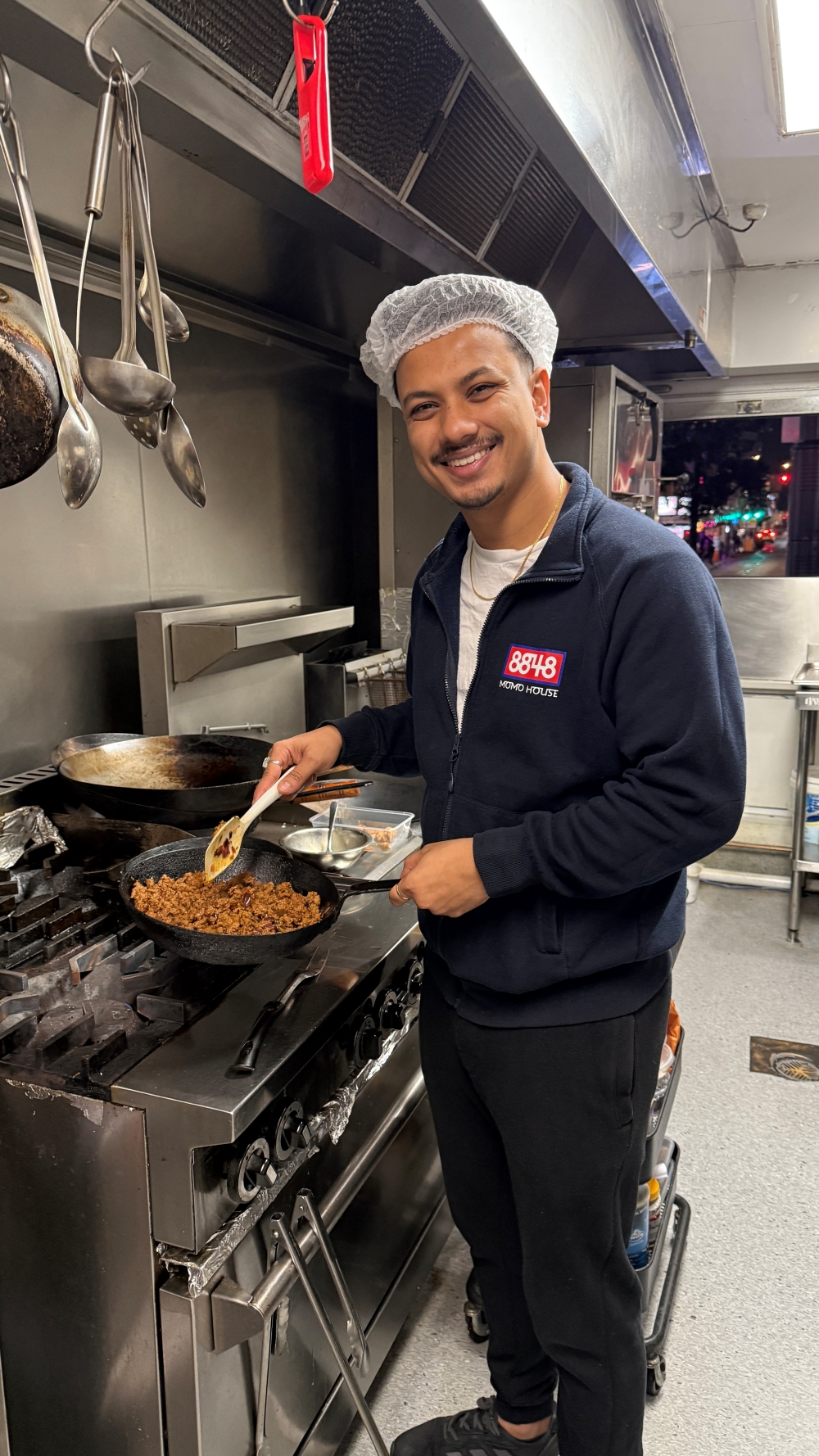
I reached out to admins of Australia-based Facebook groups. Some replied, some did not, some offered jobs that were not for me. Then came an email from 8848 Momo House, and I travelled to Brisbane to meet the owner Hom Pyashi.