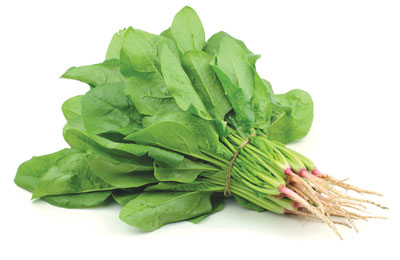
Dasain is a time for carnivorous bingeing, but the festival could also be the time to introduce your taste buds to the rich variety of vegetables in Nepal.
Many of the veggies that have medicinal properties and are indigenous to the country don’t even have English names, and are in full display in the market: niuro, jimbu, tama, tusa, sisnu, thotne. It seems as if Nepalis will eat anything with chrolophyll in it, even nettles.
Read also:
Eating green, Bhawana Upadhyay
We are what we eat, Aruna Uprety
The easy availability of fresh vegetables also makes it possible to cook the Dasain mutton and chicken curry with veggie ingredients. In fact, Nepalis are so fond of vegetables that some of the more popular dishes mix the meat with cauliflower, potatoes or peas.
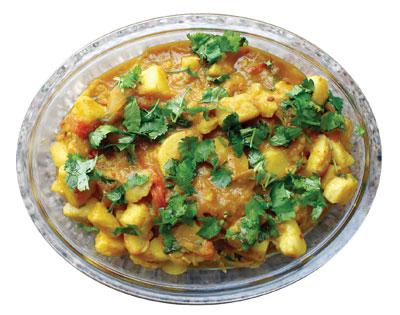
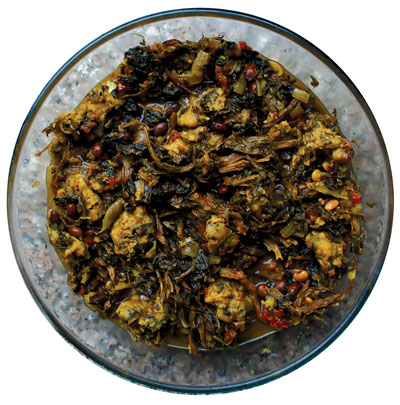
Nepali cuisine can be distinguished from what is described as ‘North Indian’ fare by its reduced use of spices and oil, and indigenous dishes like alu tama, kwati, gundruk bhatmas, maseura and spices like jimbu and timur. Many of these vegetarian dishes can be seen in Nepali homes across the world this Dasain.
“Let’s not forget to eat plenty of green vegetables and lentils while also enjoying the festival,” advises public health specialist Aruna Uprety. “These can easily be your side dish and snack option so that your food intake over the festival is balanced.”
Many vegetables, lentils and spices act as herbs, have medicinal value and are rich in vitamins, minerals and fibre. “Some vegetables are rich in iron, folates and magnesium, while others are rich in vitamins K, C and A. For instance, spinach contains vitamin K, C, lutein and potassium. Broccoli contains carbs, protein and fibre, among others,” explains natural resource expert Bhawana Upadhyay (see adjoining piece, right).
Black dal, probably the most nutritious of the pulse varieties, is rich in fibre, magnesium, iron, protein, calcium and potassium, and is also used in many Ayurvedic medicines to improve digestion, balance cholesterol and reduce inflammation. It is recommended for diabetes patients and those with cardio-vascular ailments. This dal is cooked in an iron vessel, giving it a distinctive black colour because some of the metal seeps into the food. Those who cook black dal in pressure cookers add a lump of wrought iron to give it that traditional flavour.
Bitter gourd is an acquired taste for many, but it is a popular vegetable and pickle in Nepali cuisine. It is rich in vitamin C and A, antioxidants and essential minerals and other micronutrients. The vegetable is actually an ingredient in traditional Ayurvedic medicine, used to treat a whole range of digestive and autoimmune diseases.
Coriander is also an antioxidant herb. It can be used for joint pains, digestive problems and to treat toothache and measles while doubling as a spice to add flavour to any delicacy on the Dasain menu. Even wild fiddlehead fern is therapeutic. It’s used to treat cancer, anemia and eye aliments, cure migraines and reduce bone disorders. It is low in calories and rich in vitamins, minerals, riboflavin and iron.
Asparagus, nettles, okra, zucchini, pumpkin and mustard greens are other vegetables with medicinal properties available fresh in the market. The only danger is that vegetables bought in city markets can have pesticide residue.
As in the rest of the world, an affluent urban lifestyle means that meat intake is rising. Senior cardiologist Prakash Regmi says that in the past decade he has seen a five-fold increase in heart and chronic diseases in his Kathmandu clinic: “Our dietary habits now mean increased consumption of junk food, but lowered intake of fresh vegetables, fruits and pulses, and an increasingly sedentary lifestyle.”