
King power
Civil Society activist Mathura Shrestha in Drishti, 9 August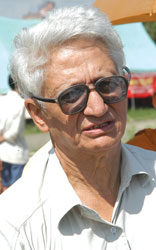 The monarchy is terminating itself through its moves. The king is doing so by going backwards. At present the biggest threat for the palace is the palace itself. It cannot run away from its responsibility by simply blaming the parties. It is understandable that the palace has been threatening the parties because it wants to intimidate them but it is well aware that if it fails toward that end, it will have to pack off. If wisdom prevails in the king, he should be ready to remain within the walls of the palace. Only in that case will the monarchy have hope for the future. It is not the parties who did not abide by the agreement of 1990. If the king does not abide by that agreement, the people will naturally not accept the monarchy. I do not see any hope for a change of heart because the king is such a staunch proponent of regression. First, the king is not prepared to give up the power he usurped. Second, he is surrounded by those who will not let him do that. When the 1990 constitution was being prepared some army generals went to brainwash the then prime minister. But we told them, "If the king himself has no problem with what we are doing with the constitution, why should you bother?" During a meeting then even the majority of generals favoured democracy. The army too wants change. They have the discipline of the 17th century. They should be transformed into a dignified and respectable institution of the 21st century. The Royal Nepali Army should be made a national army. Remember how powerful Iran's army was? But could they protect the Shah from Khomeini? If the king continues in his present ways the parties should forge an alliance with the Maoists. This will not be an alliance of guns but a political partnership. The parties should be able to convince the international community that their alliance with the Maoists is not to further the rebel agenda.
Shuklaspeak
Rastriya Janashakti Party spokesman Sarbendra Nath Shukla in Janadharana, 11 August
On one hand the agitating political parties have been expressing their commitment toward constitutional monarchy and multiparty democracy while on the other they are talking about holding a dialogue with Maoists who have been waging a violent movement against the very two principles the parties believe in. It is this double talk on the part of the parties that has led to foreign powers intervening in the country. The foreigners have the opportunity to make their moves in Nepal because the Maoists have been waging violence, the parties have been talking about joining the Maoists and have been making speeches against the king while the government has been unable to do anything to get the parties on board. Till yesterday foreigners were only consulted, today they have been offering their opinions. This is quite ominous, and if it continues anything could happen. I would not call it foreign interference right now. But given the expansion of the influence of foreign countries in Nepal, their concern may soon turn into interference. The first thing we need is an agreement between constitutional forces. Only if there is an agreement between the king and the parties will the Maoists be pressured to come for peace talks. But the ongoing movement of the parties has been widening the distance between the three major powers in the country. That is the reason why the conflict is heading towards a more dangerous turn.
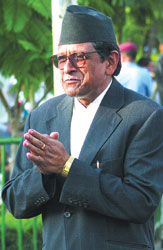 The government set up after Feburary First has been a failure. It's up to the king to set up a new council of ministers, after all he has taken over all power. He can do what he likes. We can just give him suggestions. His Majesty has two options: carry on with help from the army or go back to the people. The first option will be unpopular and very short-term. The second will allow him to go back to a parliamentary system with people's representatives.