
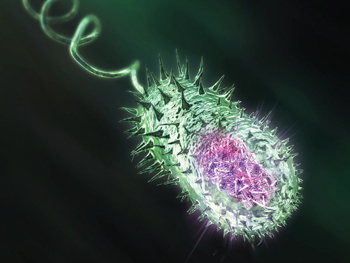
Cholera like typhoid is restricted to humans, spreads through fecal oral transmission, and is endemic in Nepal. The bacteria, vibrio cholerae, produces a potent toxin which may lead to severe dehydrating diarrhoea and death within 12 hours. Clinically, however, a cholera-bug infected person may span a spectrum from being an asymptomatic carrier to a severely debilitated patient.
During the 19th century, cholera pandemics killed millions across Asia, Europe, Africa, and North America. The disease was given the nickname ‘Blue Death’ because extreme dehydration caused the skin to turn grayish-blue. Even today Africa and Asia have the highest numbers of reported cholera cases. In January 2010, the disease resurfaced in Haiti after more than a century following the devastating earthquake. The outbreak claimed more than 8,000 lives in Haiti and was embarrassingly traced back to the Nepali peacekeeping base.
Almost 70 per cent of cholera patients succumb to the disease and the main reason for this is volume depletion brought on by the vibrio toxin which triggers a rapid outpouring of fluid into the intestine from the cells lining the gut. Because our bodies are 60 per cent water, cholera diarrhoea feels like a sponge being wrung out. The watery diarrhoea called ‘rice water’ (‘chaulani’) refers to the appearance of water after soaking rice. Because we are voracious rice eaters, most Nepalis have no problem in recognising ‘chaulani’. However, drinking water to replace fluid loss is no good because the intestine in a patient with cholera won’t absorb plain water.
Beginning in the early 1900s, the administration of intravenous fluids helped slash mortality rates to 30 per cent. But it was engineers like Joseph Bazalgette from the UK, who really made a difference in lowering death rates in the western world. Bazalgette built interceptor sewers along the banks of the Thame in the late 1800s that took care of fecally transmitted diseases like cholera.