
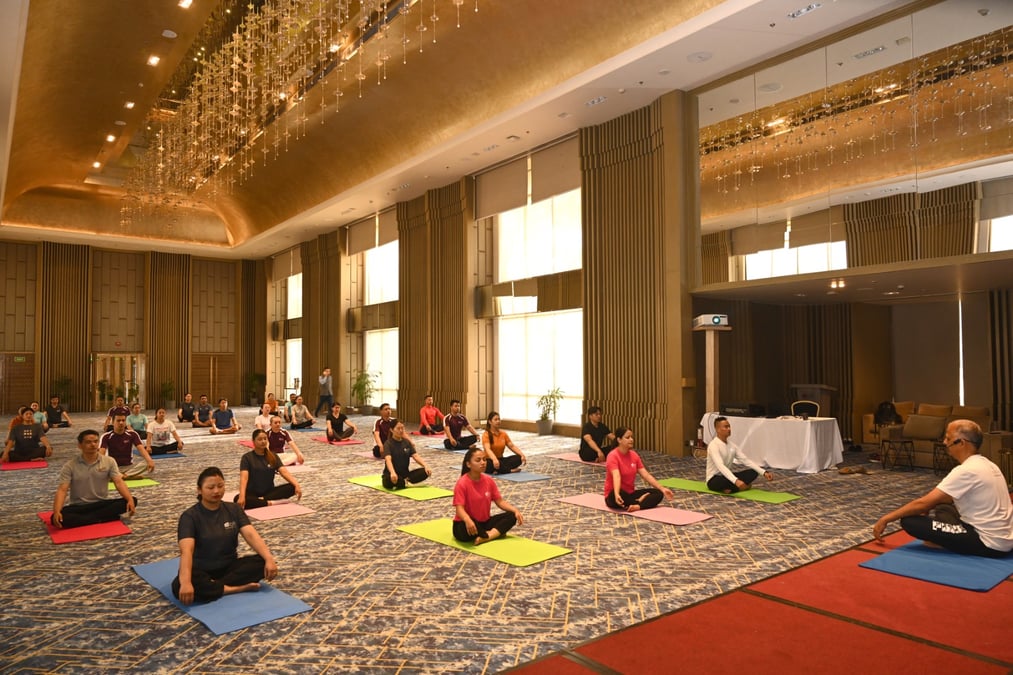
With Nepal’s lobbying, the United Nations General Assembly recently proclaimed 15 April as International Wellness Day (IWD) to mark evidence-based traditional medicine in enhancing health systems and promoting holistic well-being.
The country has benefited from being a preferred destination not just for outdoor adventures like trekking, mountaineering and hang-gliding, but also for meditation, ayurvedic healing and yoga with visitors from all over the world coming to personal care and wellness centres in Nepal.
Demand has increased during these turbulent times with conflicts, economic upheavals and mental stress from crises like climate breakdown and environmental degradation. The IWD adds to the UN’s International Day of Happiness (20 March) that was launched under Bhutan’s initiative, India’s promotion of International Day of Yoga (21 June) and world meditation Day (20 December).
Hotels in Nepal are expected to benefit from this increase in global awareness about meditation, yoga, and many are already promoting wellness tourism internationally. The UN’s 2030 Agenda for Sustainable Development already emphasizes as Goal 3 ‘Good Health and Well-being’ aiming to ensure healthy lifestyles and mental wellbeing for people of all ages.
‘The wellness sector plays a growing role in achieving the Sustainable Development Goals (SDGs) — from creating jobs and reducing poverty to promoting inclusive and sustainable economic growth,’ says the United Nations. ‘Wellness supports quality of life, protects human dignity, and empowers individuals and communities to adopt sustainable lifestyles and safeguard resources for future generations.’
Closely tied to wellness of guests is also sustainable nature-friendly practices of hotels, and many in the hospitality industry in Nepal are moving to reducing plastic use, lessening water and energy consumption, or recycling waste.
“Sustainability is not something we treat as an add-on, rather, it sits at the core of how we operate,” says Vikram Singh, General Manager at Aloft. “Being in a city like Kathmandu, with its unique cultural and environmental sensitivities, we see ourselves as custodians of the ecosystem we are a part of, and therefore our responsibility goes well beyond the walls of the hotel.”
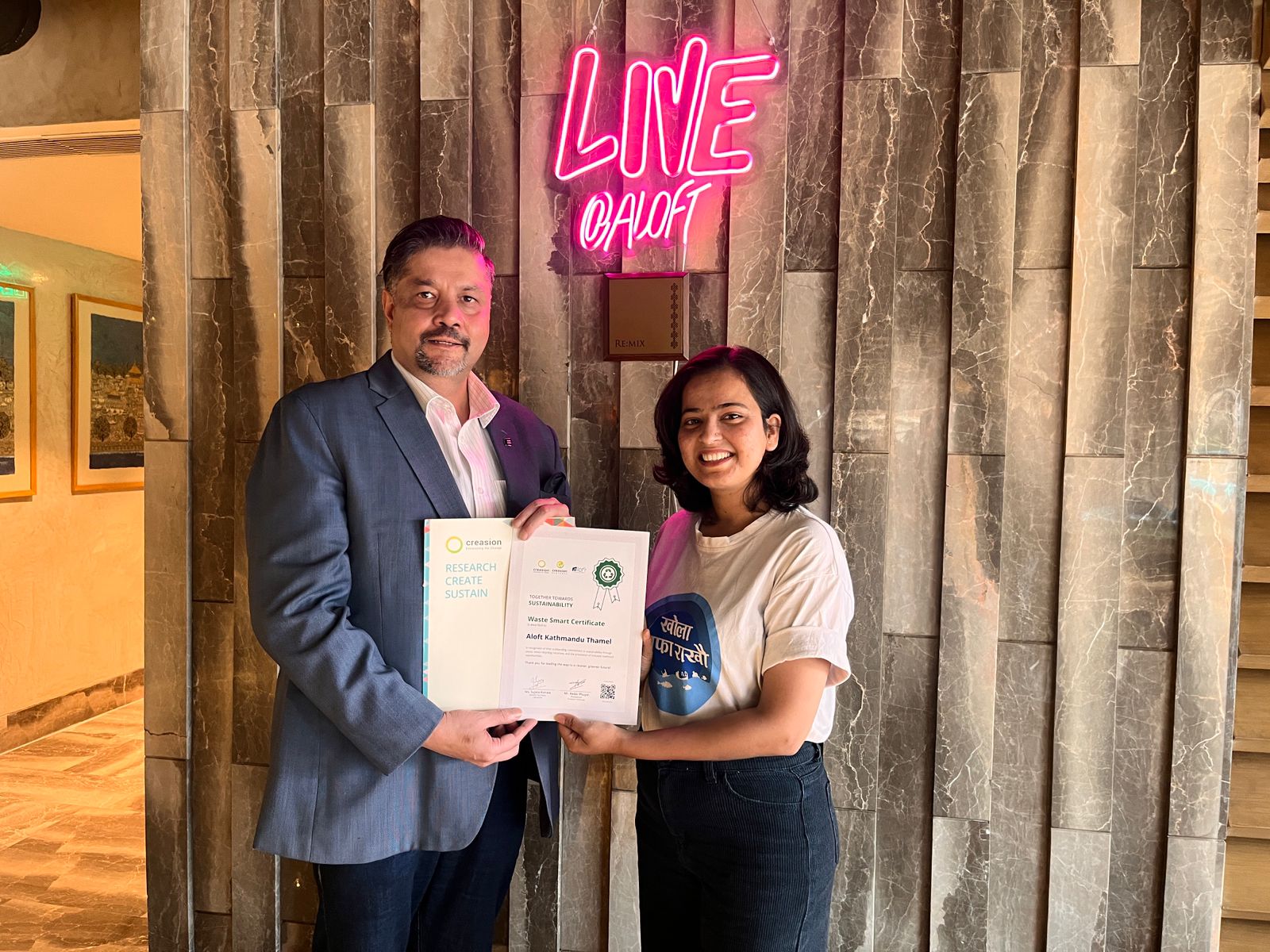
Aloft is the first five-star hotel in Nepal to receive the Waste Smart Certificate from Creasion Ventures, and other international chains in Nepal are increasingly aware that those visiting the country are mindful of their carbon footprint, that hotels they stay in follow sustainable practices, and try to minimise waste while here.
Nepal’s carbon footprint is only 0.5 tonnes per capita per year, compared to 17 tonnes in the United States or 58 tonnes for Qatar. Which means that just by being in Nepal on a two-week trek, visitors contribute to mitigating the impact of climate breakdown.
Responding to guest demand, Aloft for example, has put more emphasis on sustainability, including structured waste segregation, a conscious move away from single-use plastic through alternatives like bamboo-based amenities and refillable dispensers, and reducing the use of chemical-based detergents.
Although nearly 100% of Nepal’s electricity is generated through renewable hydropower, Nepal’s hotels are still transitioning to energy-efficient infrastructure with motion detector outdoor illumination to reduce light pollution, and the use of LEDs.
Although Nepal is rich in water resources, it suffers from either too much water during the monsoon or too little in the dry season. In addition, Kathmandu Valley with its population of 4 million does not have snow-fed rivers, and relies on springs and wells.
The hospitality industry by definition is water-intensive, and many hotels, restaurants and spas have taken measures to reduce water consumption. Aloft, for example, says its commitment to water conservation is holistic by using high-efficiency fixtures, harvesting rainwater, and operating its own sewage treatment plant.
In addition, Aloft recycles its Aquafina water bottles jointly with PepsiCo, drinking water at banquet and meeting halls are served in glass bottles. Says Vikram Singh: “We are constantly auditing our water usage and innovating because, in a city where water is as precious as Kathmandu, every single drop we save is a collective win for Thamel and its residents.”
Aloft has partnered with Creasion Venture for plastic credits, which ensures that its plastic footprint is not only offset but meticulously tracked. Its unique program for hotels in Kathmandu named ‘Linen Credit’ converts discarded sheets and textiles into credits.
SOAP HOPE
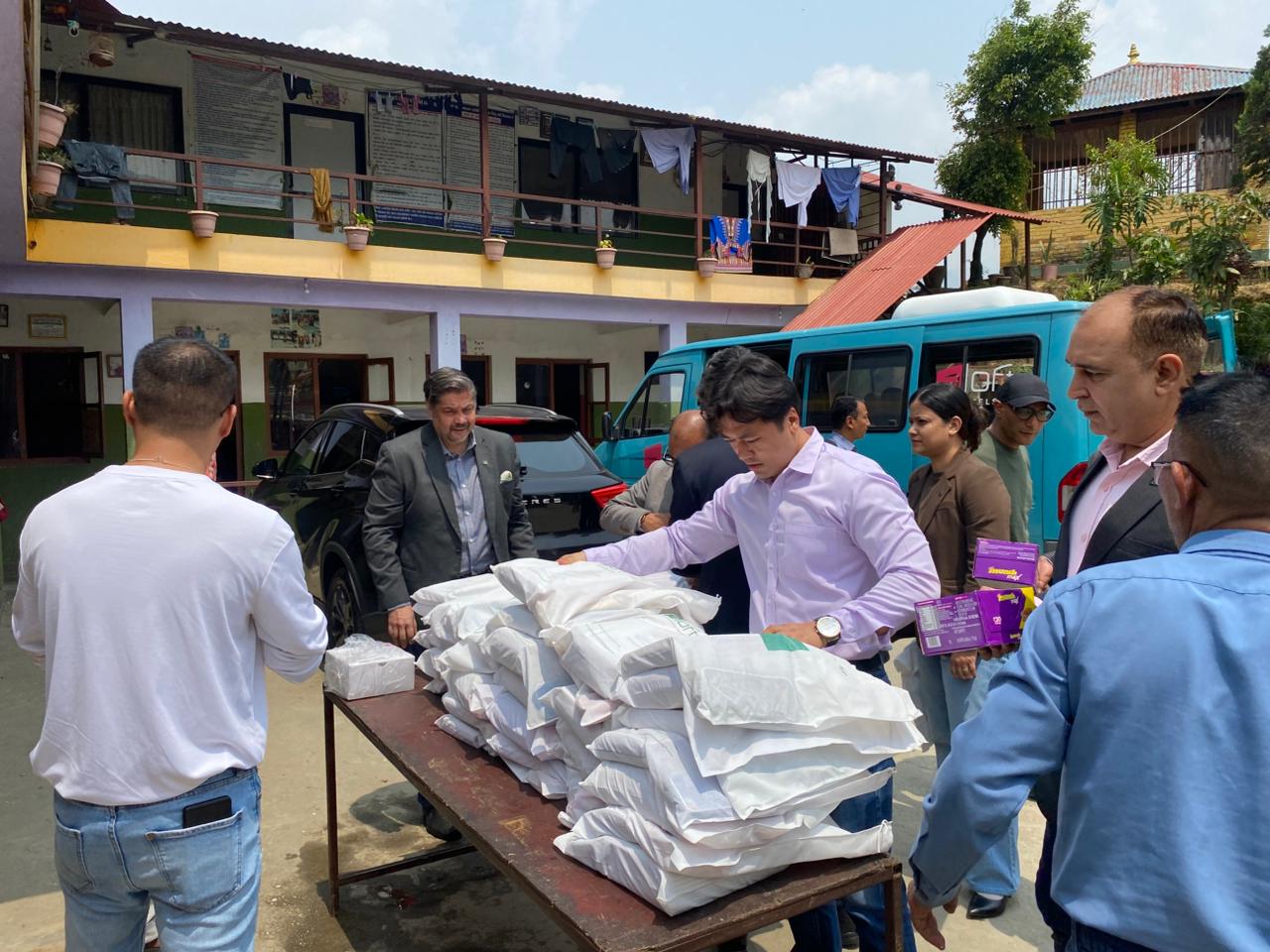
Many hotels throw away soaps in guest rooms after checkout. Aloft’s ‘Hope for Soap’ initiative in collaboration with Human Development Community Services (HDCS) collects used soaps, reprocesses them into new bars, and redistributes them to underserved communities in Nepal.
Besides physical wellbeing, the unique selling point of Nepal’s hospital sector has traditionally been mental wellbeing as well. Aloft’s ‘Marriott TakeCare’ program addresses mindfulness and mental health through a wide range of sessions including calming sound healing therapy and invigorating yoga not just for guests but also for its own staff.
Financial literacy workshops are conducted to alleviate ‘wallet stress’. Says Singh, “Our goal is to ensure our entire team feels whole and supported. When our associates feel genuinely cared for across their mental, physical, and financial well-being, that positive energy inevitably translates into exceptional service and a warm atmosphere for our guests.”
The motto of Nepal’s tourism industry is guided by the traditional saying: ‘Guest is God’. And through its emphasis on wellness and sustainability, the sector also aims at godliness through Corporate Social Responsibility (CSR) initiatives.
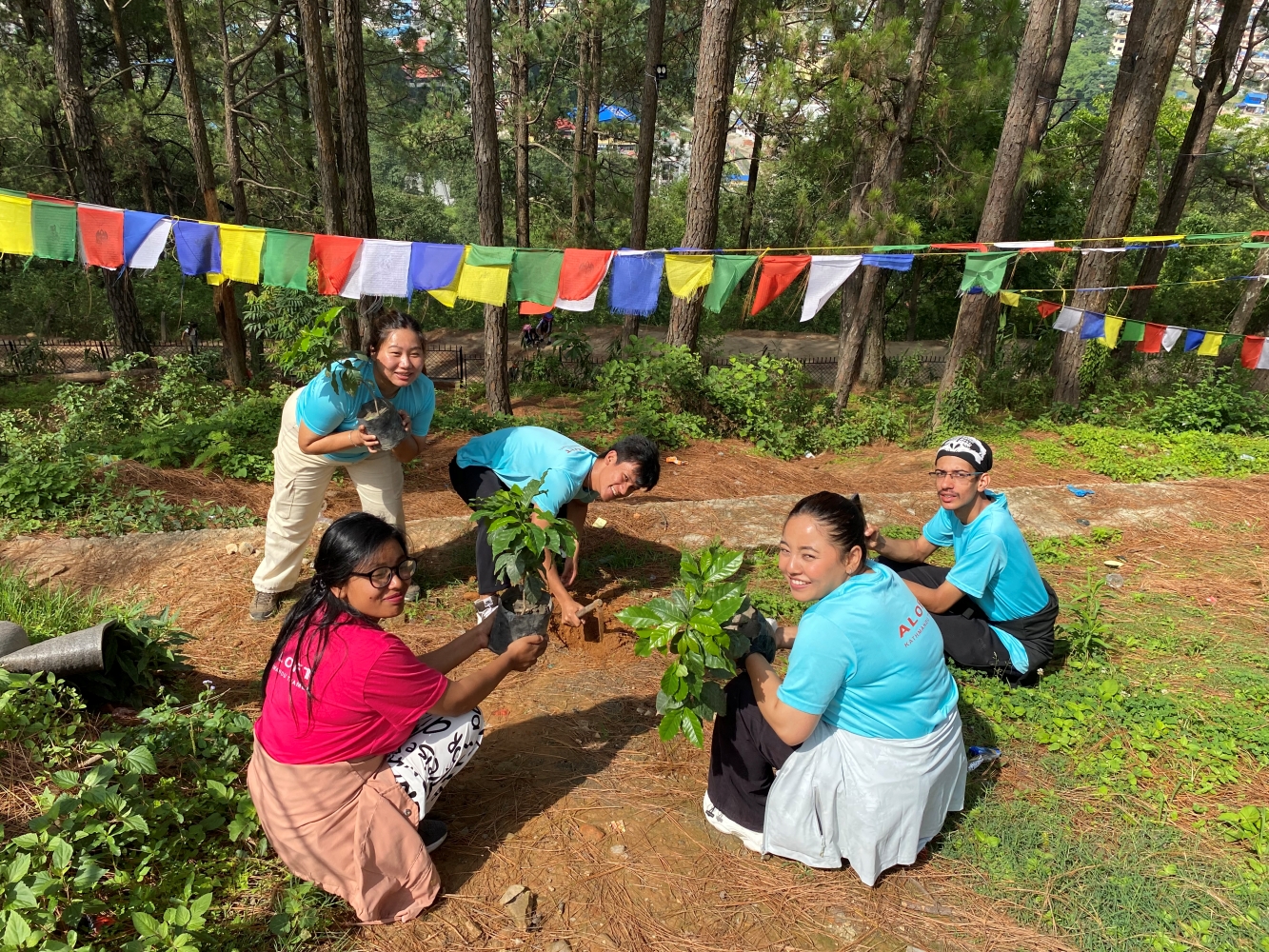
Aloft, for example, supports the Aama Ghar shelter through donations and maintenance work, organizing large-scale efforts like planting over 700 trees and cleaning up initiatives at Shivapuri National park.
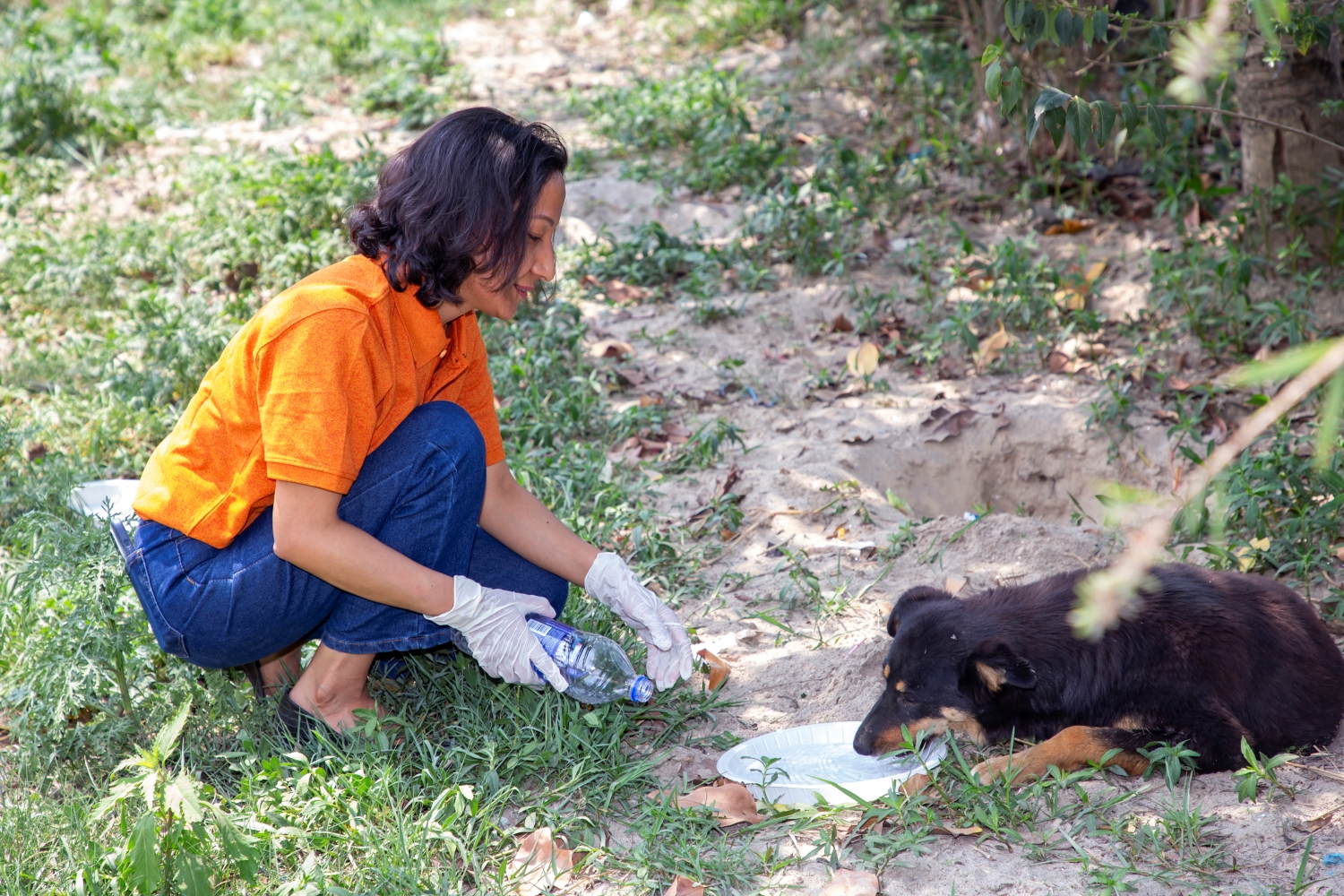
The ‘Road to Give’ initiative allows guests, staff, and business supporters in walks or activities, contribute. This year’s funds were donated to Manjushree Children’s Home and Shree’s Animal Rescue Nepal.