
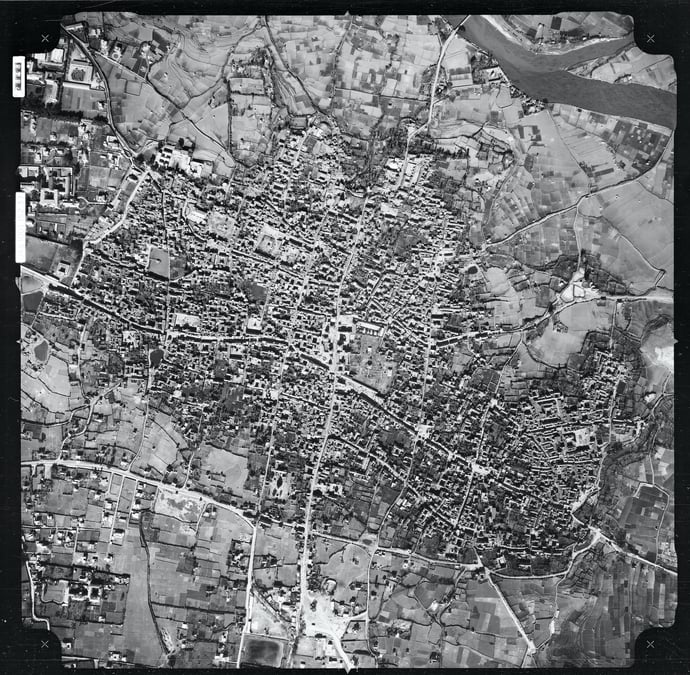
When does a monument become heritage? Who gets to say how to preserve them: the government, local communities or international partners with experience of landmark restoration elsewhere? Does the textbook definition of heritage preservation even apply in Kathmandu Valley where gods mingle among people in everyday life?
Noted conservation architects Niels Gutschow and Rohit Ranjitkar together attempt to answer these difficult questions in their latest publication, Tradition and Modernity in Patan: The Paradox of Architectural Preservation in Nepal.
The hefty volume dissects the contradictions in the theory and practice of post-disaster restoration in a place like Patan with its 2,500 years of building history, living culture and intangible heritage.
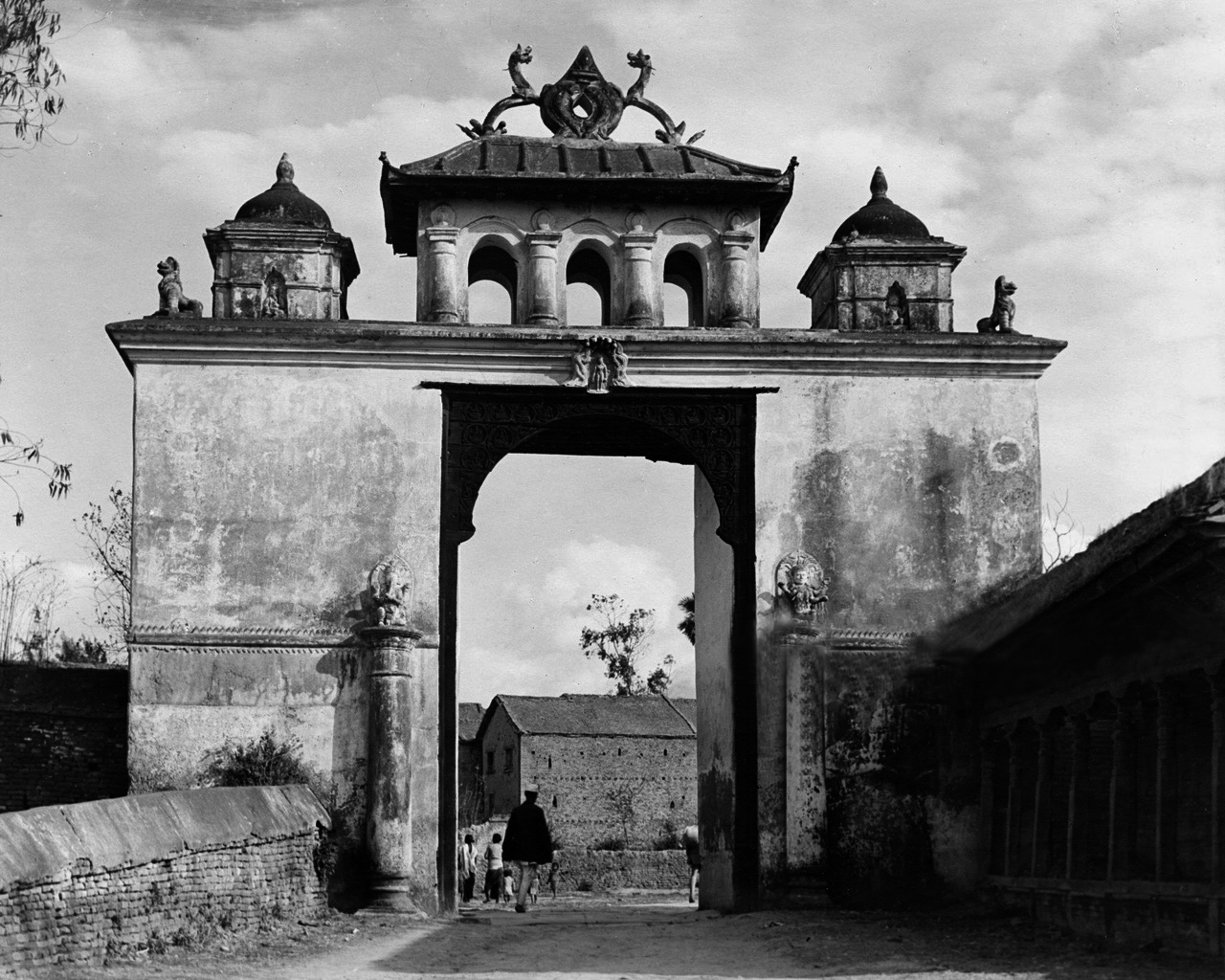
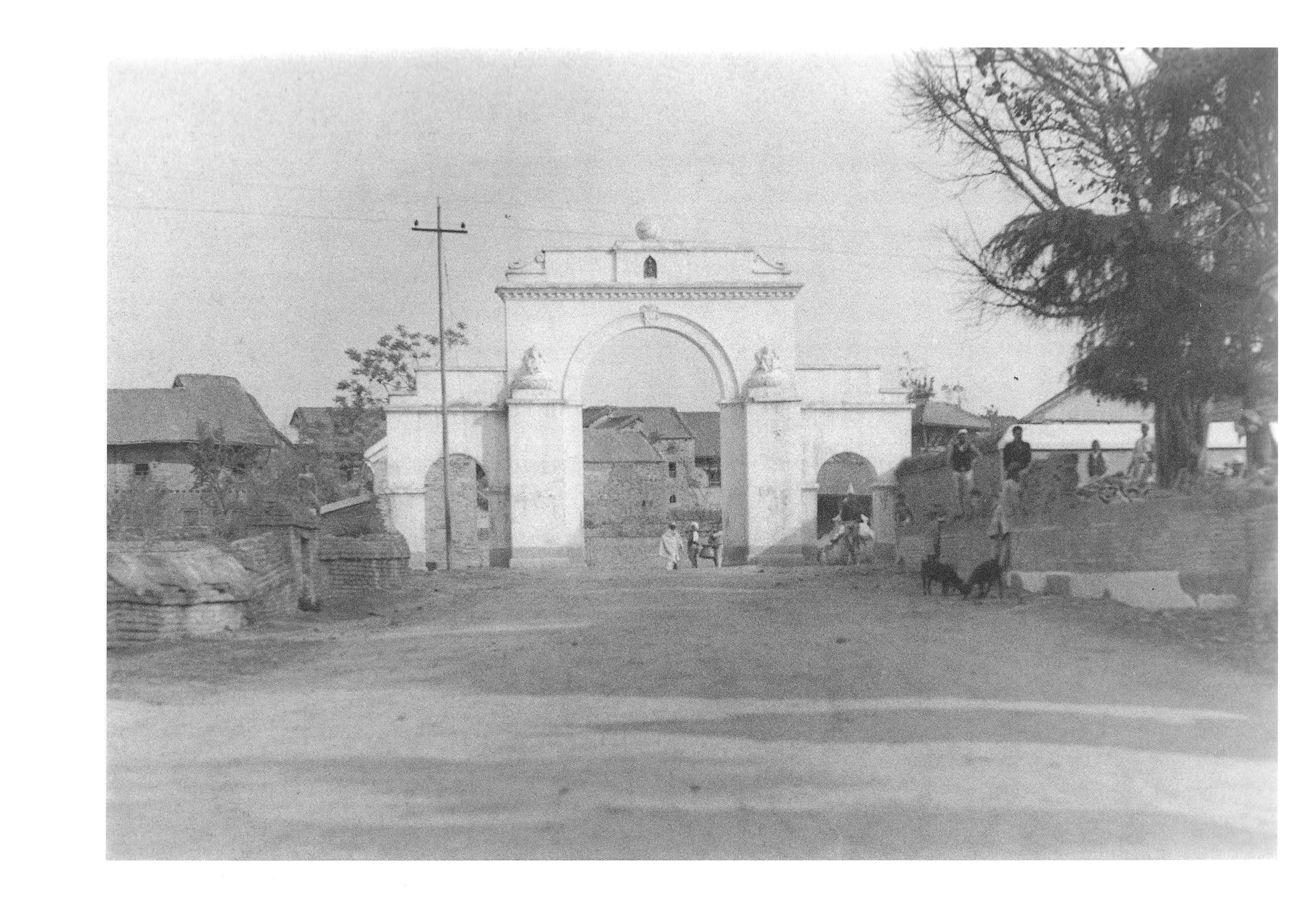
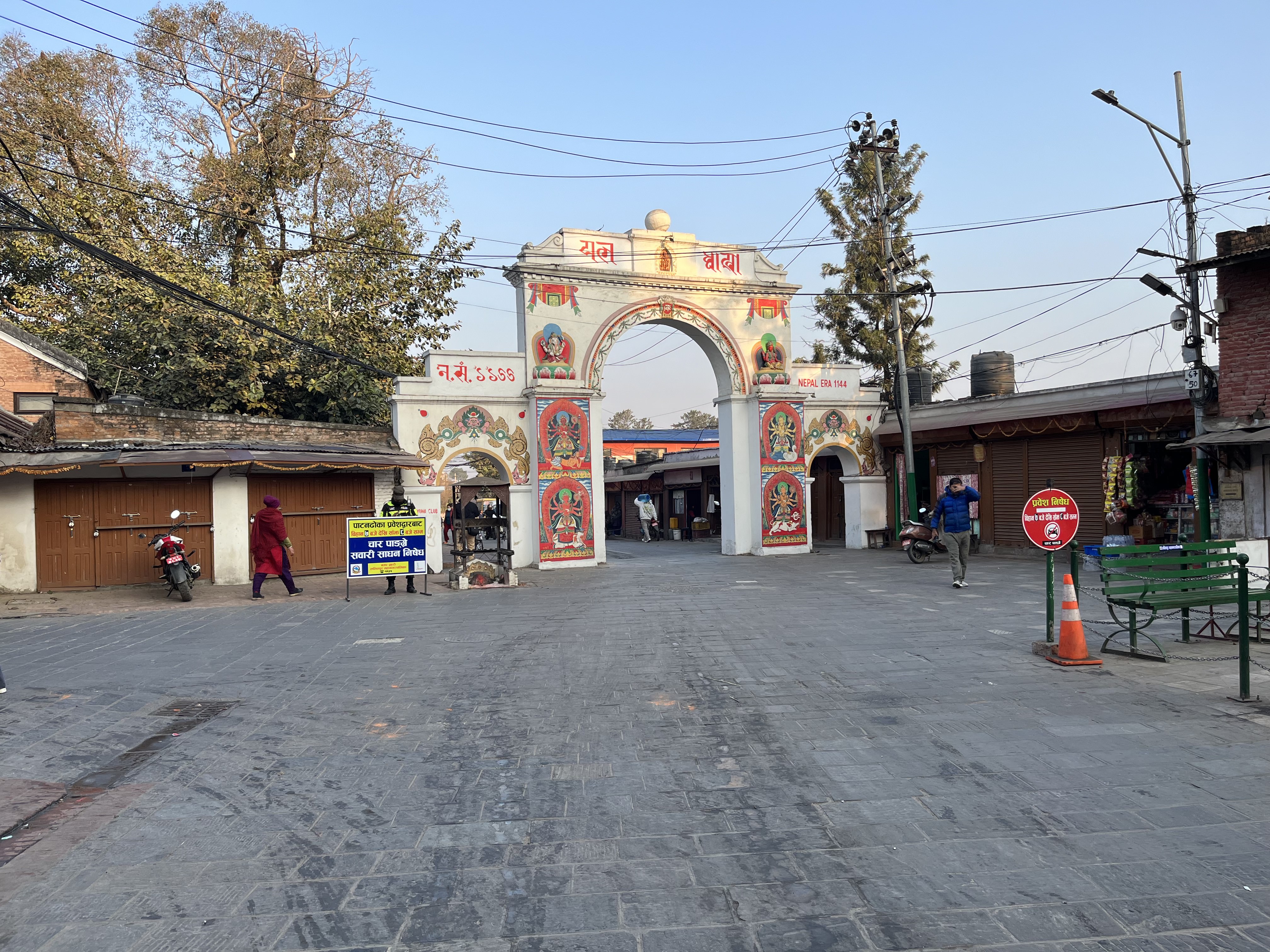
One needs to first understand how heritage preservation in Nepal differs from Western concepts. This is best explained by Ranjitkar in one of the earlier chapters: ‘Our culture is embedded in an ongoing process of change. The monuments that make up our heritage are not treated as memorials to bygone times. In this respect they differ from, for instance, the pyramids in Egypt or the Colosseum in Rome, which are preserved as functionless relics in the form of ruins.’
In other words, heritage for us is a living, thriving process, an accumulation of the contribution of many generations of artisans who have perfected craftsmanship unique to their culture and traditions with daily rituals and votive offerings.
And after every successive earthquake, they have adapted and rebuilt, keeping the techniques and expertise alive.
The 1964 Venice Charter is a foundational pillar of international heritage conservation (see below). It decrees that restoration must be based on original material and authentic documents, strictly prohibiting conjecture, unproven hypothetical reconstructions, and aesthetic alterations.
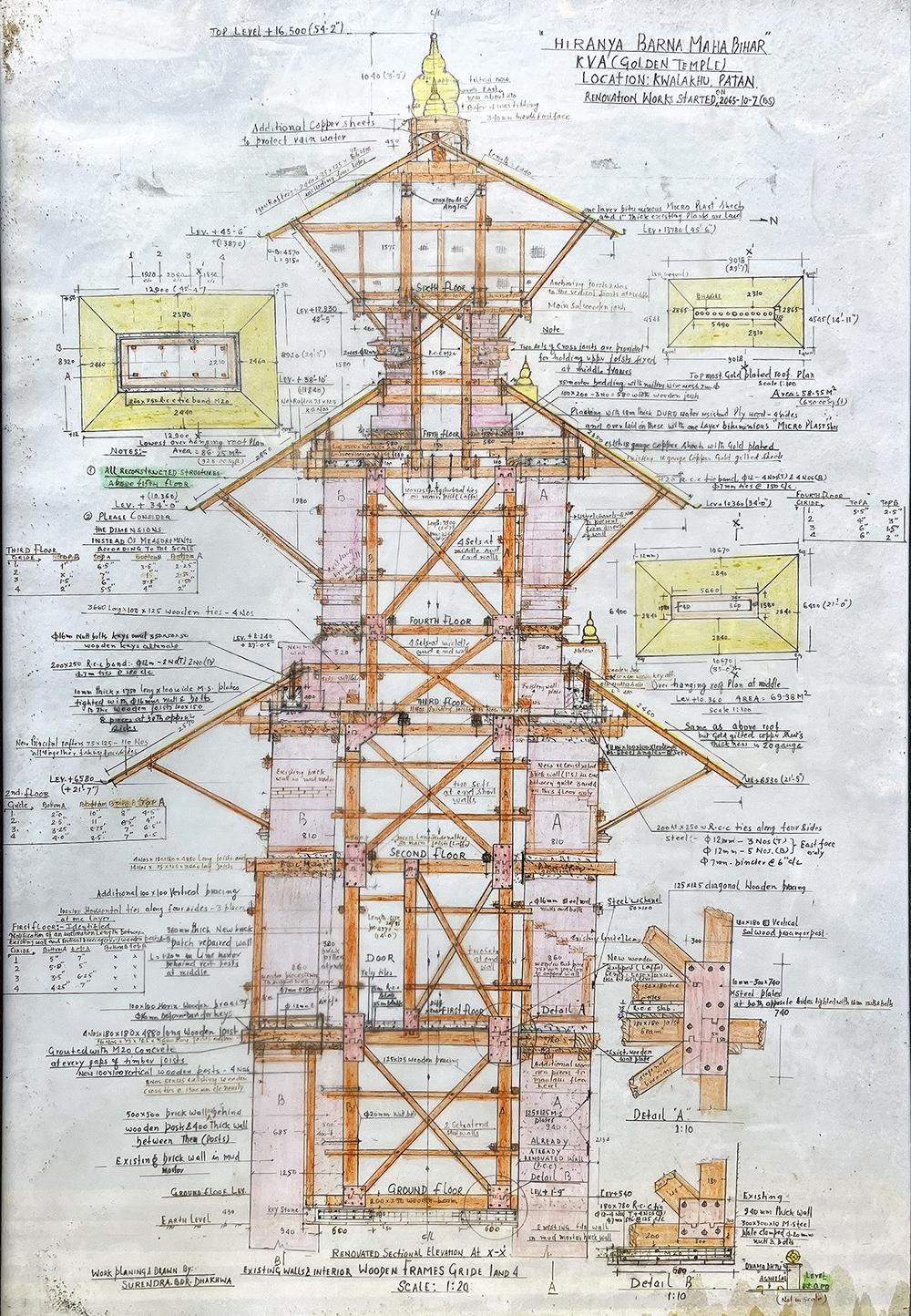
The UNESCO World Heritage Convention of 1972 also linked cultural and natural sites, and their protection became a concern of the global community.
‘By signing the convention in 1978, Nepal agreed to shoulder duties and obligations that were alien to its social and cultural practices,’ authors remind us in the chapter titled Changing Townscape: The Replacement of Historical Houses.
We met Rohit Ranjitkar in his makeshift office behind the Char Narayan temple in Patan Darbar Square. He argued: “There was no representation from our part of the world in the convention, so it did not reflect our living culture and heritage.”
CARVING OUR OWN NICHE
Ranjitkar recalls the first time it hit him that the Western approach to conservation was not always the right fit for Nepal. When the Kathmandu Valley Preservation Trust (KVPT) was working on the restoration of Radha Krishna temple in 1994, the architects complied with the Venice Charter and left several niches empty.
While the international community praised the restoration, devotees in Patan who had been worshipping at the shrine for generations found it appalling that the alcove of the gods was void. One day, Ranjitkar even saw a schoolchild sketching the outline of a deity with chalk on the plain wooden surface.
“The Western approach to conservation can exclude creative replacement,” Ranjitkar told us. “But woodcarving is a generational occupation for our people, and we encourage the community to add and adapt.”
The textbook definition of heritage conservation therefore directly contrasts with the devotion of local communities who do not mind additions that reflect their faith.
This is most evident in cases of votive offerings or rebuilding in the aftermath of disasters that are traditionally undertaken by local Guthi with funds set aside for just such contingencies.
The book retraces the impact of major earthquakes of 1833, 1934 and 2015 that affected Patan, destroying and damaging temples and monasteries, and their eventual restoration. In every case, modern construction materials were used to rebuild and reinforce the structures to make them safer. Concealed steel beams were used to retrofit Hanuman Dhoka in 1976.
The use of steel, cement and other modern materials in heritage sites is controversial as they risk altering or destroying the architectural authenticity of traditional building techniques as well as going against preservation guidelines.
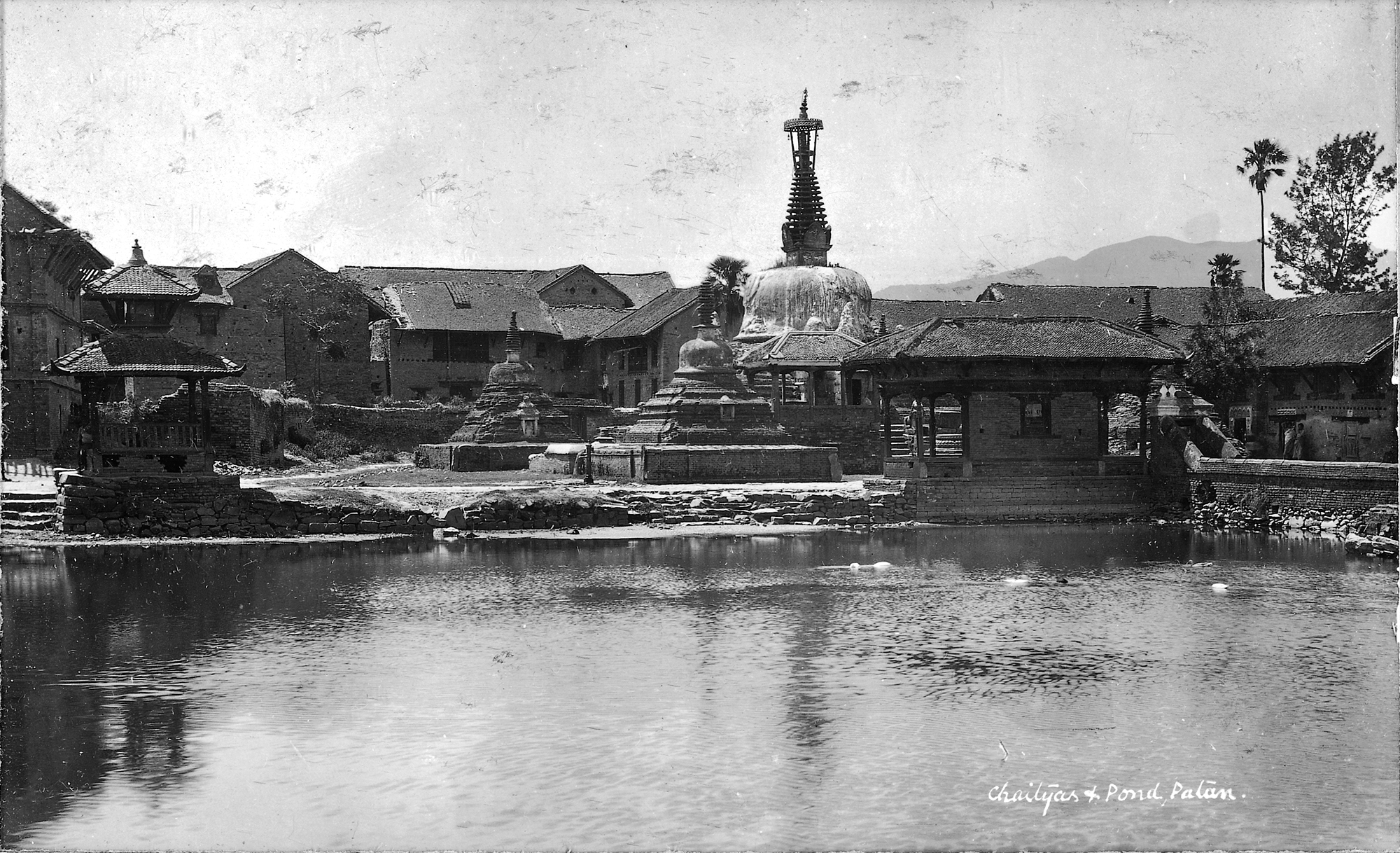
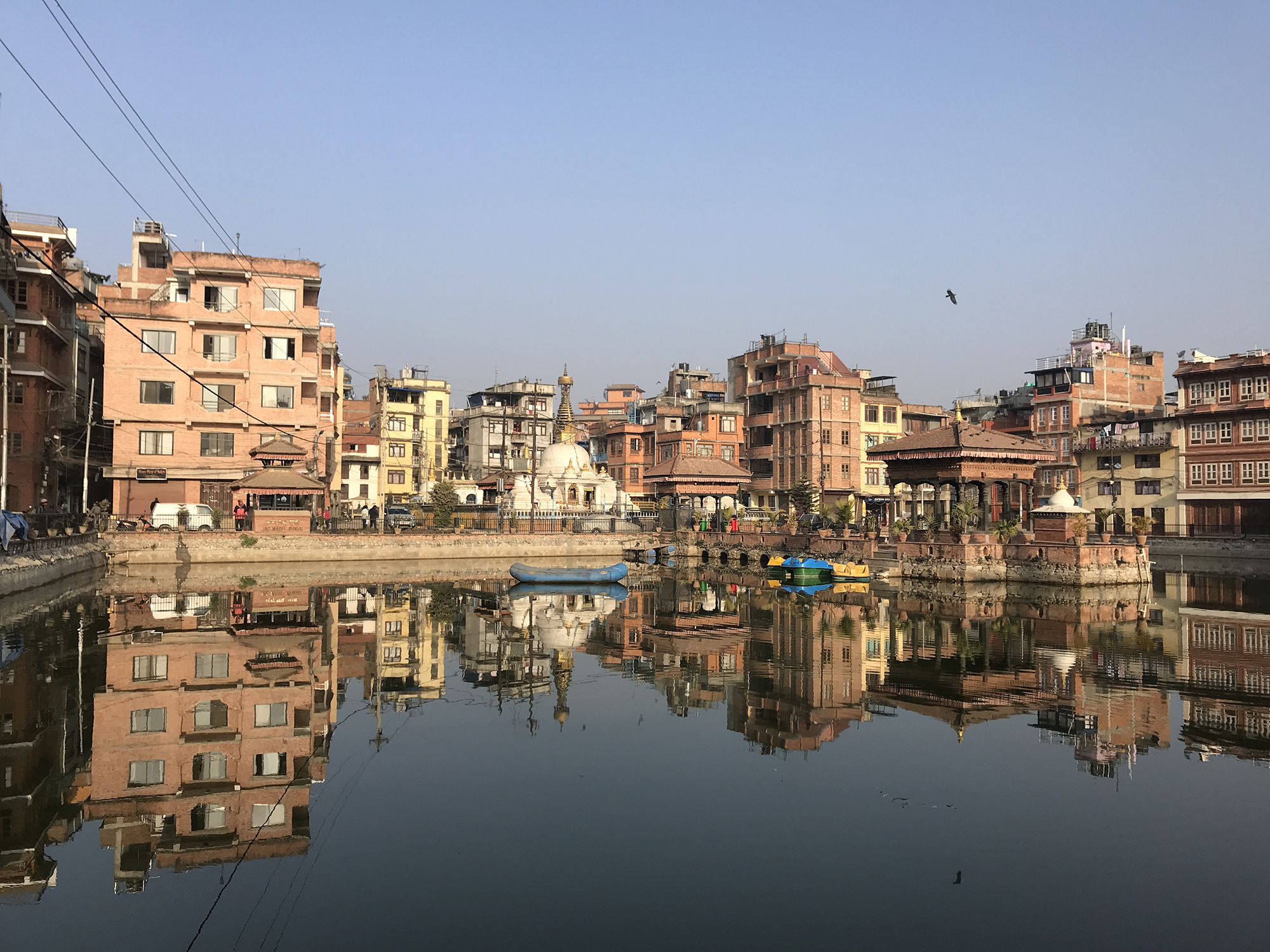
“Unlike in the West where they were already using stronger construction materials even 1,000 years ago, our monuments are made of bricks and clay mortar. In earthquake-prone Nepal, safety is our biggest concern,” added Ranjitkar who also authored a previous book, Monuments of Kathmandu Valley: Before and After 2015 Earthquake. “If we had materials to strengthen our buildings back then, we would have probably done so.”
On the flipside, there is a growing trend towards reclaiming indigenous culture and tradition which has also included stripping temples and monasteries in the Kathmandu Valley of any element considered foreign.
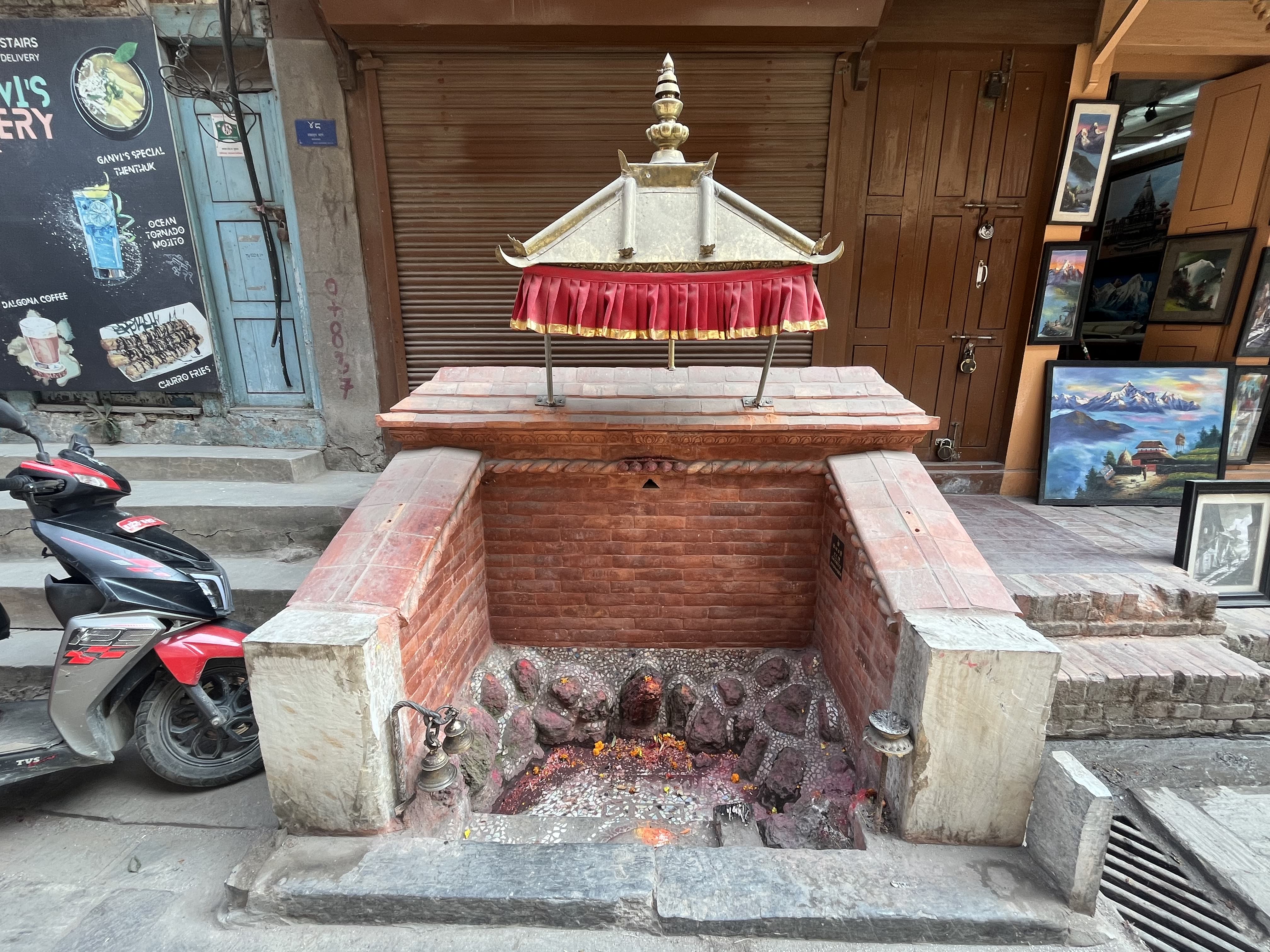
An example is the Matangi shrine in Patan located in a pit below street level (pictured below). An inscription says it was beautified with decorative tiles in 1946, and has since been replaced with datiapa veneer bricks to re-Newarise the shrine.
Changunarayan was built by Lichhavi King Mandev in 4 CE, and is regarded as the oldest temple complex in the Valley. But Ranjitkar says that while it may be true that the site is old, the temple structure is much newer. “Perhaps originally it was a very small temple and only the stone inscriptions are the oldest,” he explained.
The Bhai Dega in Patan collapsed in the 1934 earthquake, was rebuilt with a Mughal dome by the Rana rulers, and there was a genuine reason to restore the original three-tier pagoda style. Ranjitkar himself found several pre-1934 struts from the structure as well as the original designs and photographs of the temple and used them as a guide.
The book looks at Shikhara style temples like Krishna Mandir, Rana buildings and private homes near the heritage sites that have been mostly rebuilt with reinforced concrete.
The Rana-era stucco neo-classical facades may have looked alien when they were built 100 years ago, but they are now heritage. Will Patan’s concrete high rises that look out of place today also one day be heritage?
According to the Department of Archaeology any building older than 100 years is a ‘heritage’, but what makes a monument or a building worth preserving is perhaps not just its age.
Heritage for us is not a ruin or the legacy of a bygone era, but the inter-generational faith and sentiment attached to them by local communities.
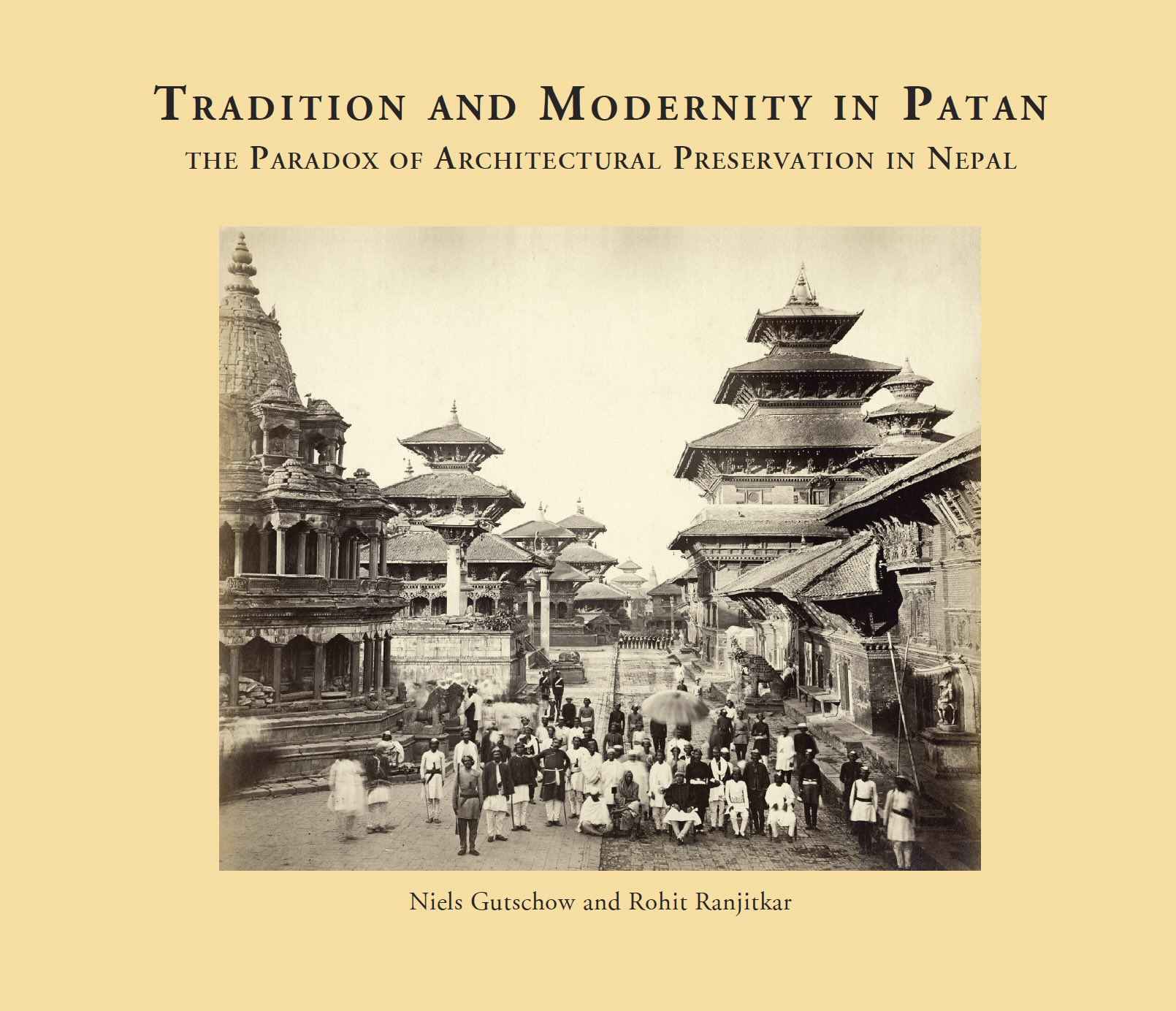
Tradition and Modernity in Patan:
The Paradox of Architectural Preservation in Nepal
by Niels Gutschow and Rohit Ranjitkar
Vajra Books, 2025
473 pages Rs8,000