
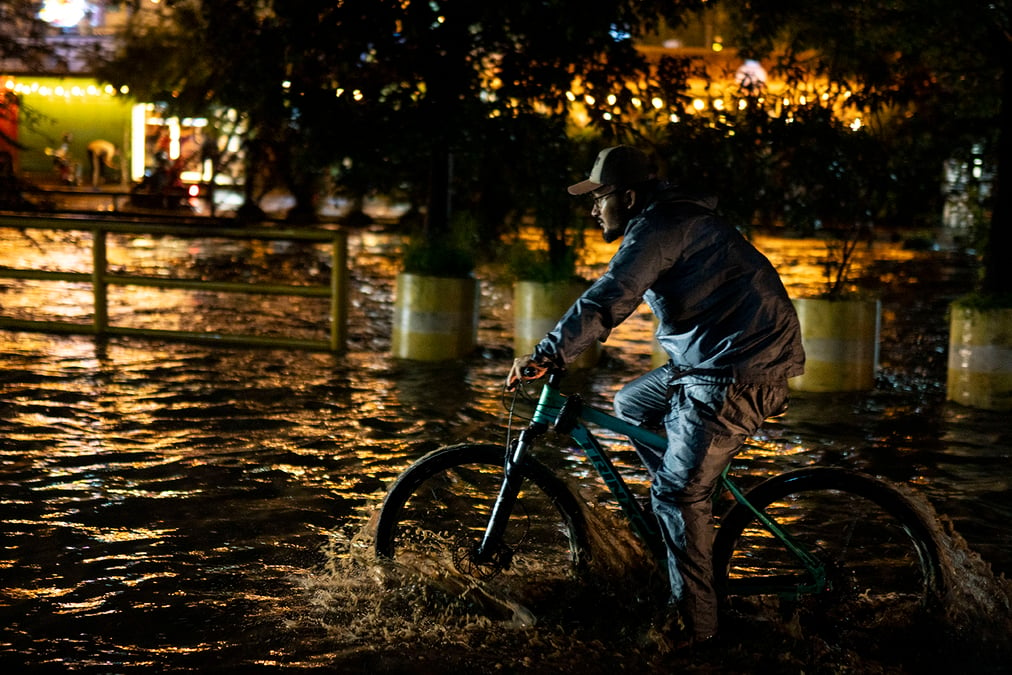
Living beside a river during the monsoon needs constant vigilance. The Rudramati is not the sacred river it once was: it carries the city's sewage, is a flowing rubbish dump, and on hot afternoons the putrid smell settles over the neighbourhood forcing residents to shut their windows.
Nobody swims here. Children do not even need to be warned not to play in the river because they never would. Most days, it exists quietly in the background, hidden behind concrete embankments and half-forgotten by everyone except those who live along its banks.
Then the rains come, and nature demands to be noticed. The garbage is washed away, the sewage diluted and the smell is diminished on the river also called Dhobi Khola.
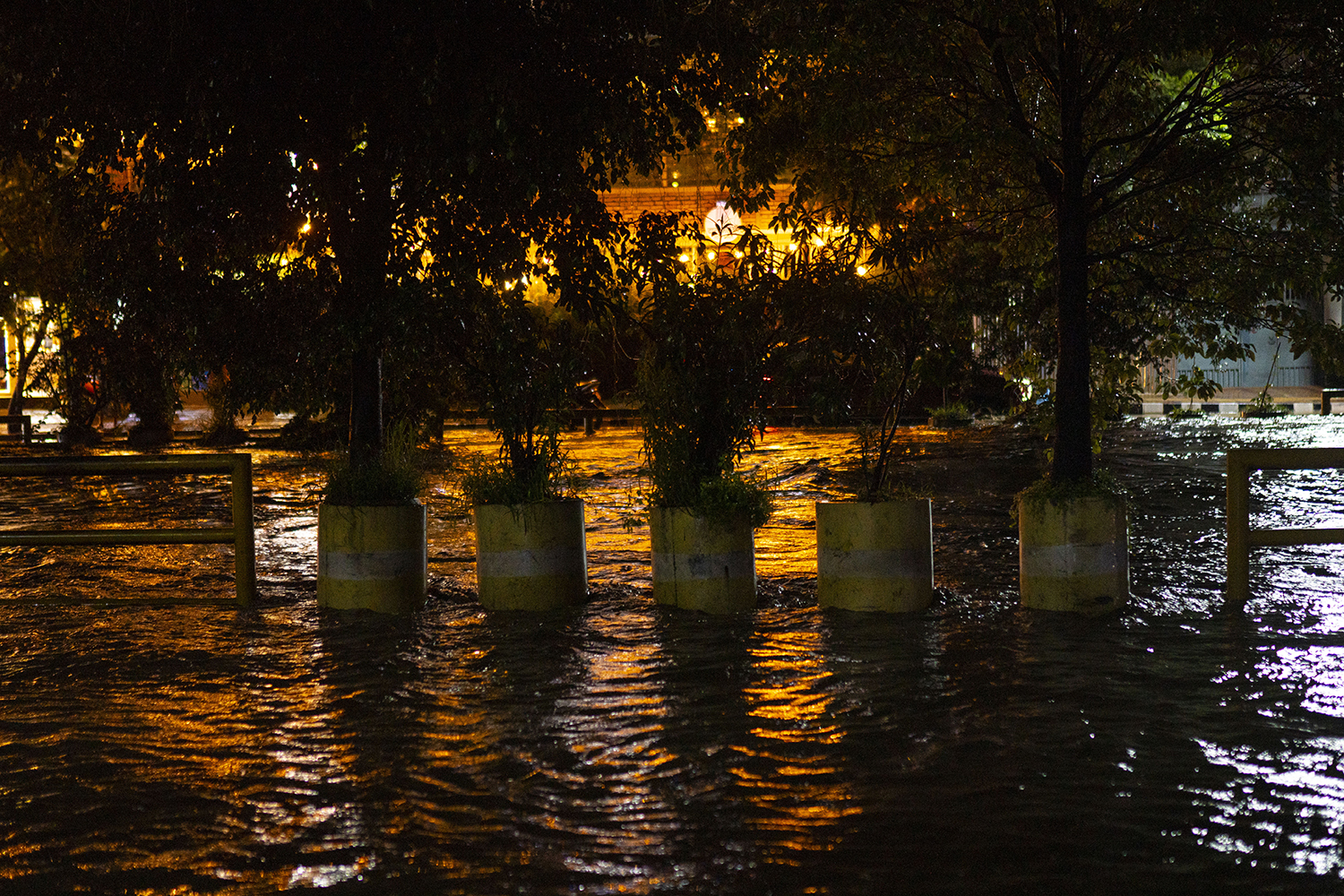
One night this week, there was commotion in the neighbourhood. Everyone knew what that meant — the monsoon is a time of keeping watch and warning others of floods.
Residents look at their windows to see how far the river level has risen to assess whether it is time to move things from ground floor. If the current is strong and bringing down branches, plastic bottles and heavier floating garbage, they know it has rained heavily upstream.
Sure enough, that night the Rudramati spilled over its banks and into the streets on either side of the river within minutes. The very spot where every Tihar there were rangoli decorations on the doorstep are submerged.
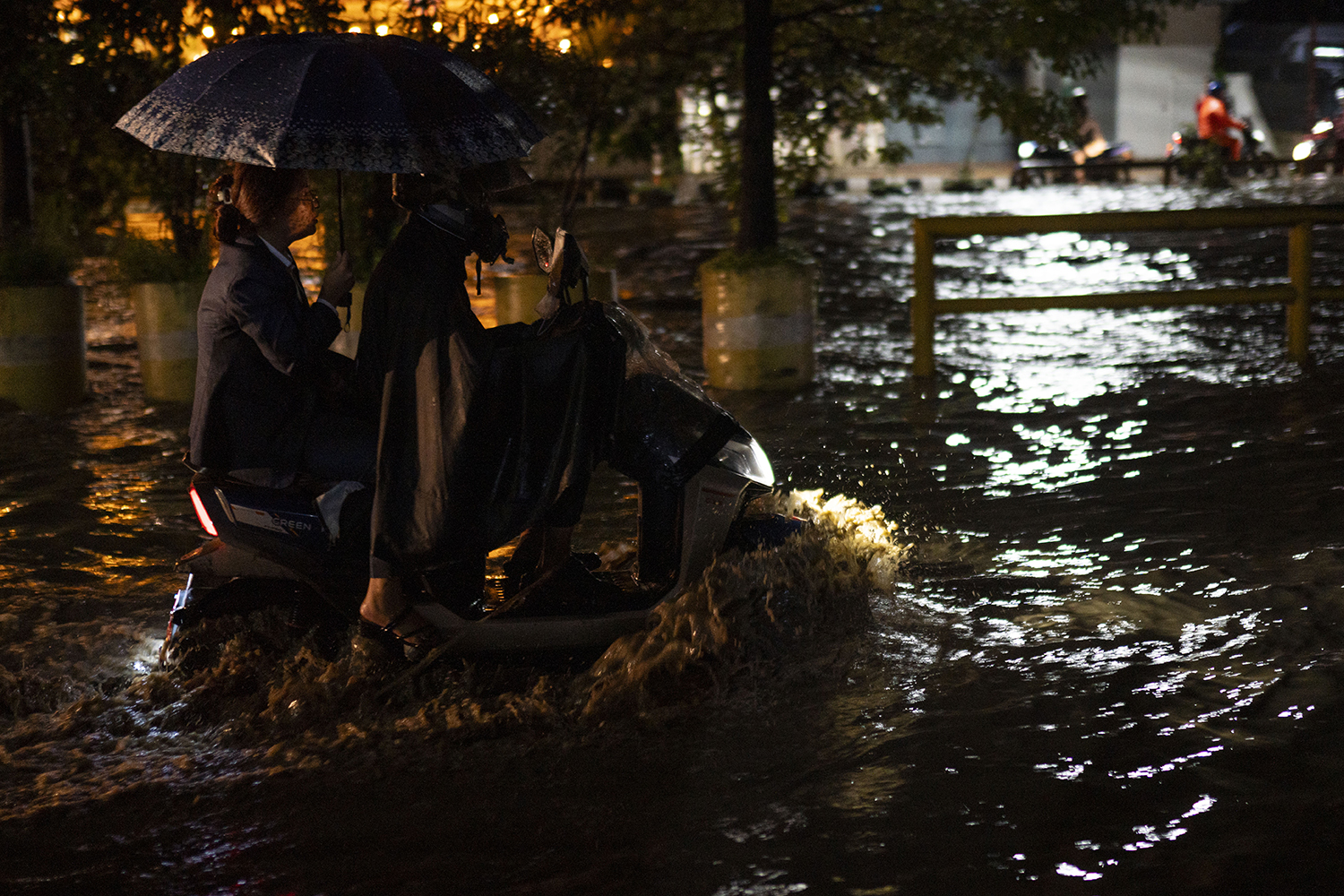
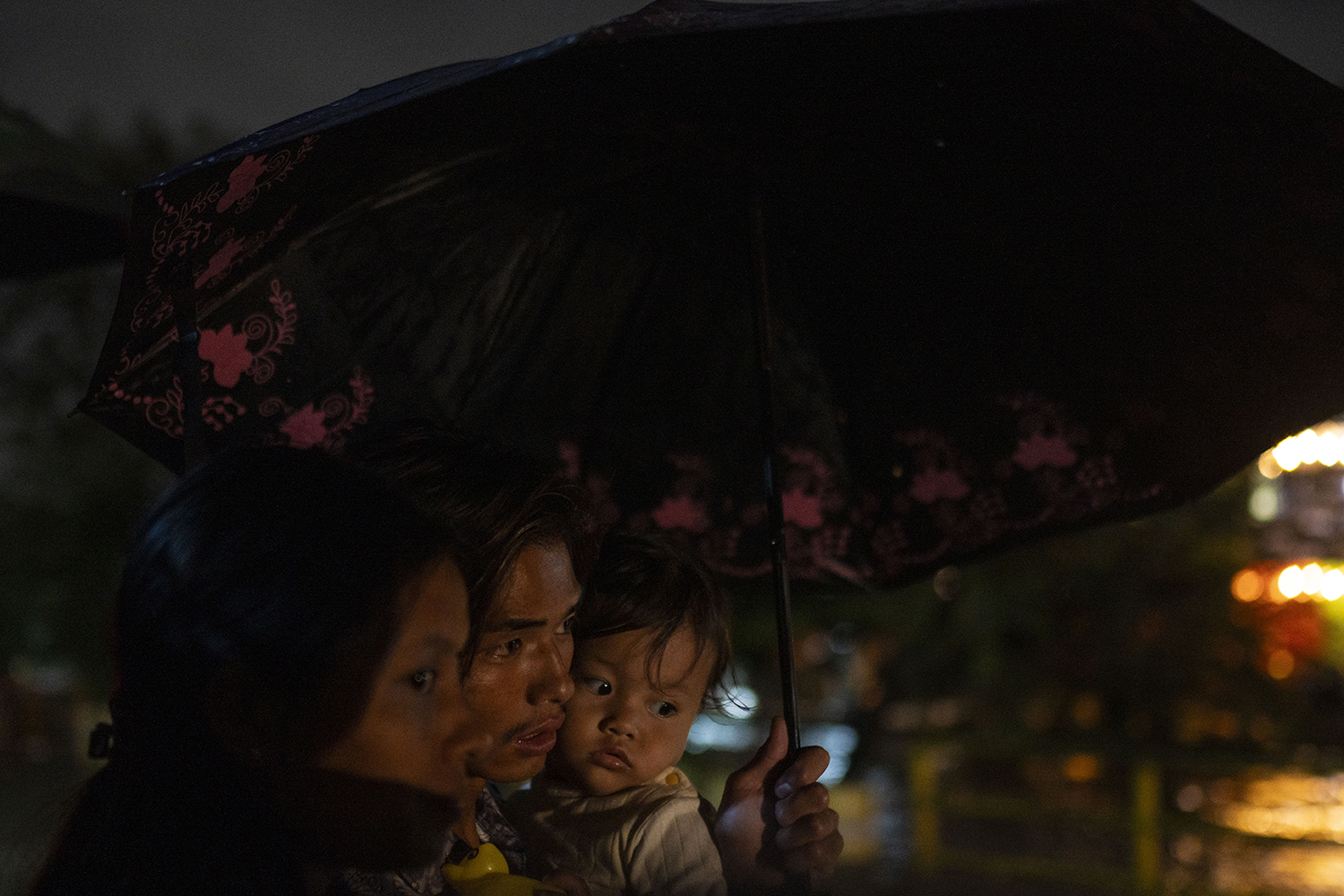
For commuters, the river corridors of Kathmandu Valley are convenient shortcuts to avoid traffic jams on arterial roads. They hardly give the river a second glance.
That is a luxury residents never had. The river exerts its presence, filth and stench in the dry season and floods in the monsoon.
This stretch of the river between Kalopul and Kapan rarely floods. Sitting on slightly higher ground, residents there thought they were safe.
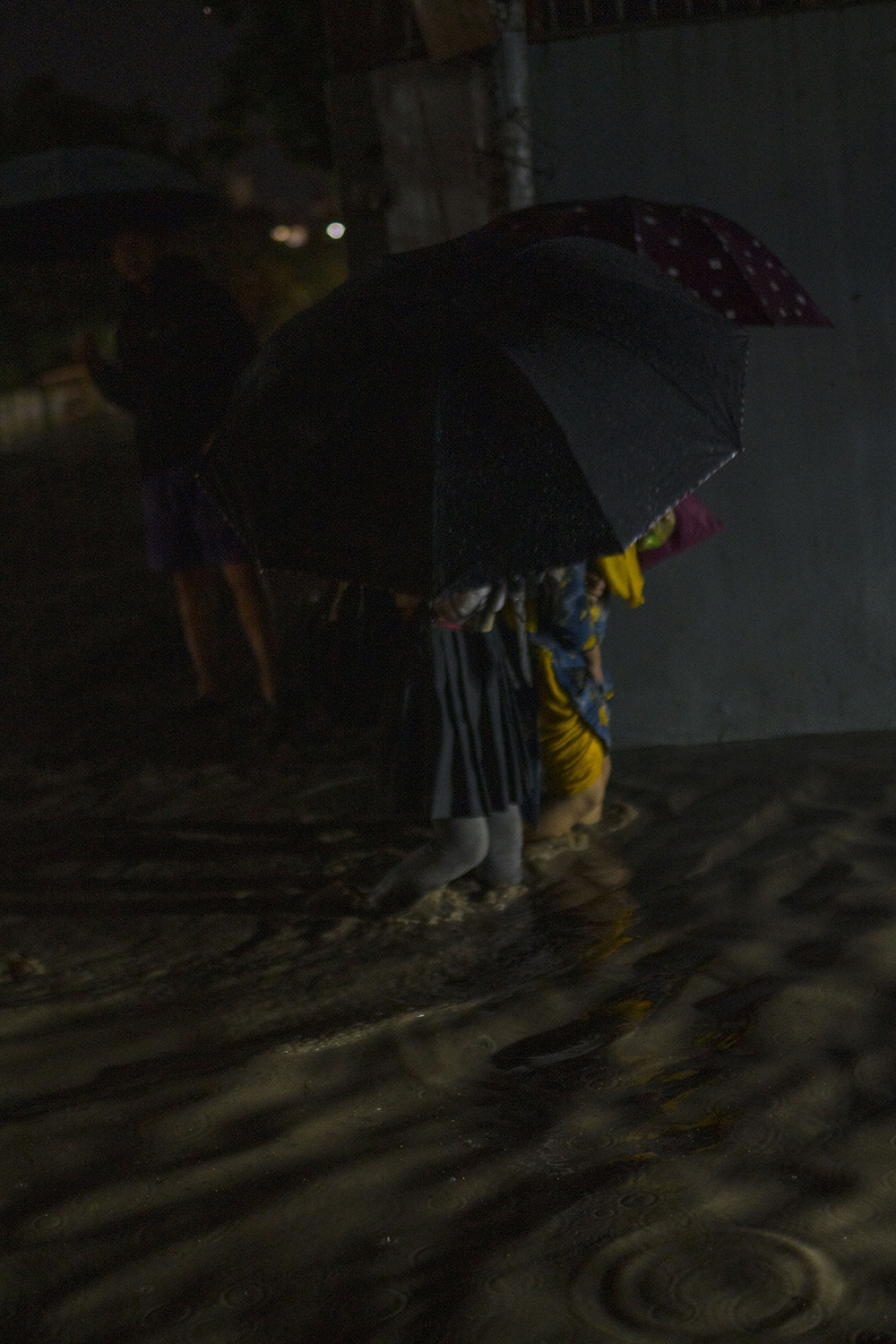
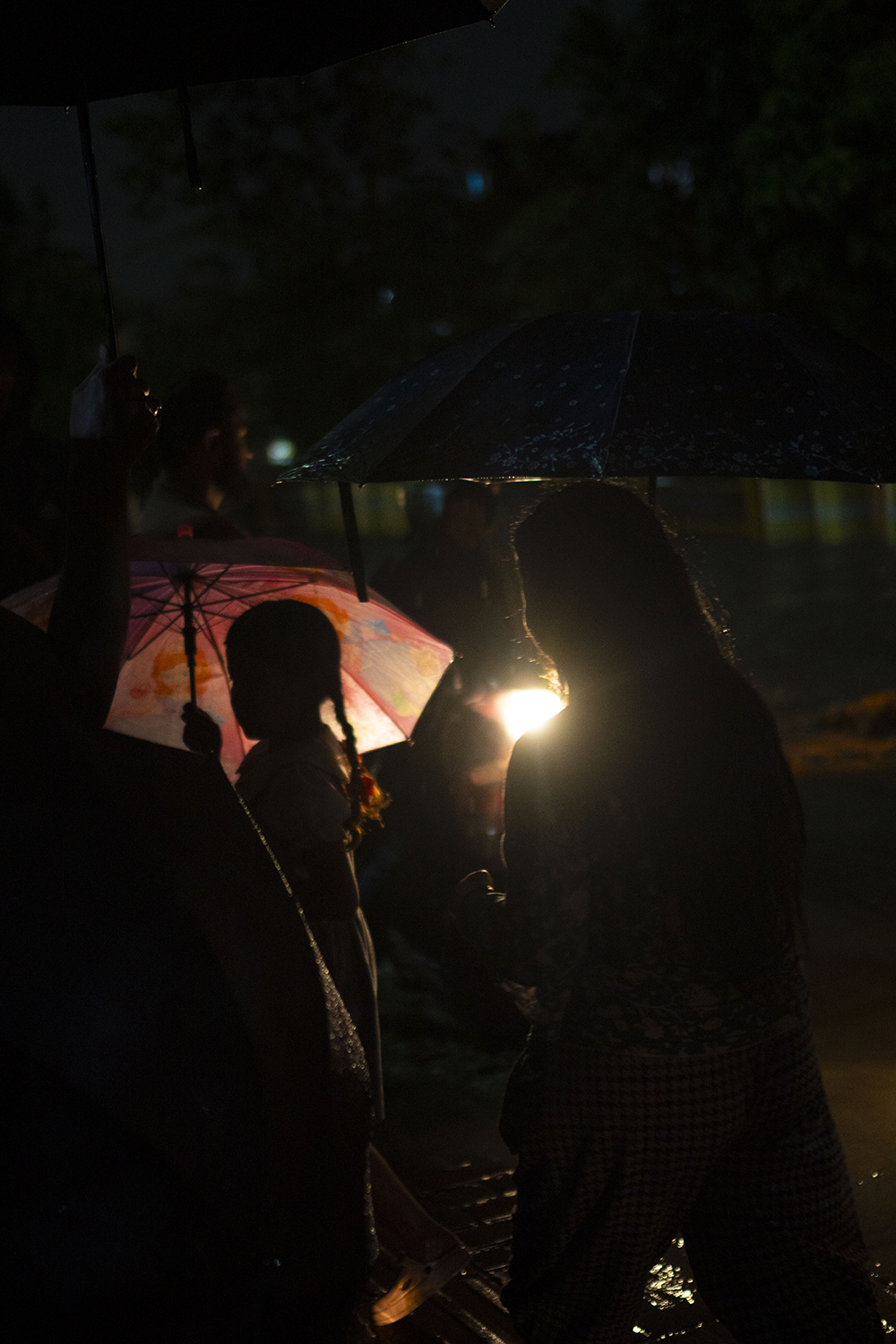
When the water rose that night last week, neighbours called one another in choreographed synchronicity. Cars were driven to higher ground, people stepped outside to measure the water against familiar landmarks, neighbours waited by the doors to help relatives in, street dogs climbed up front porches.
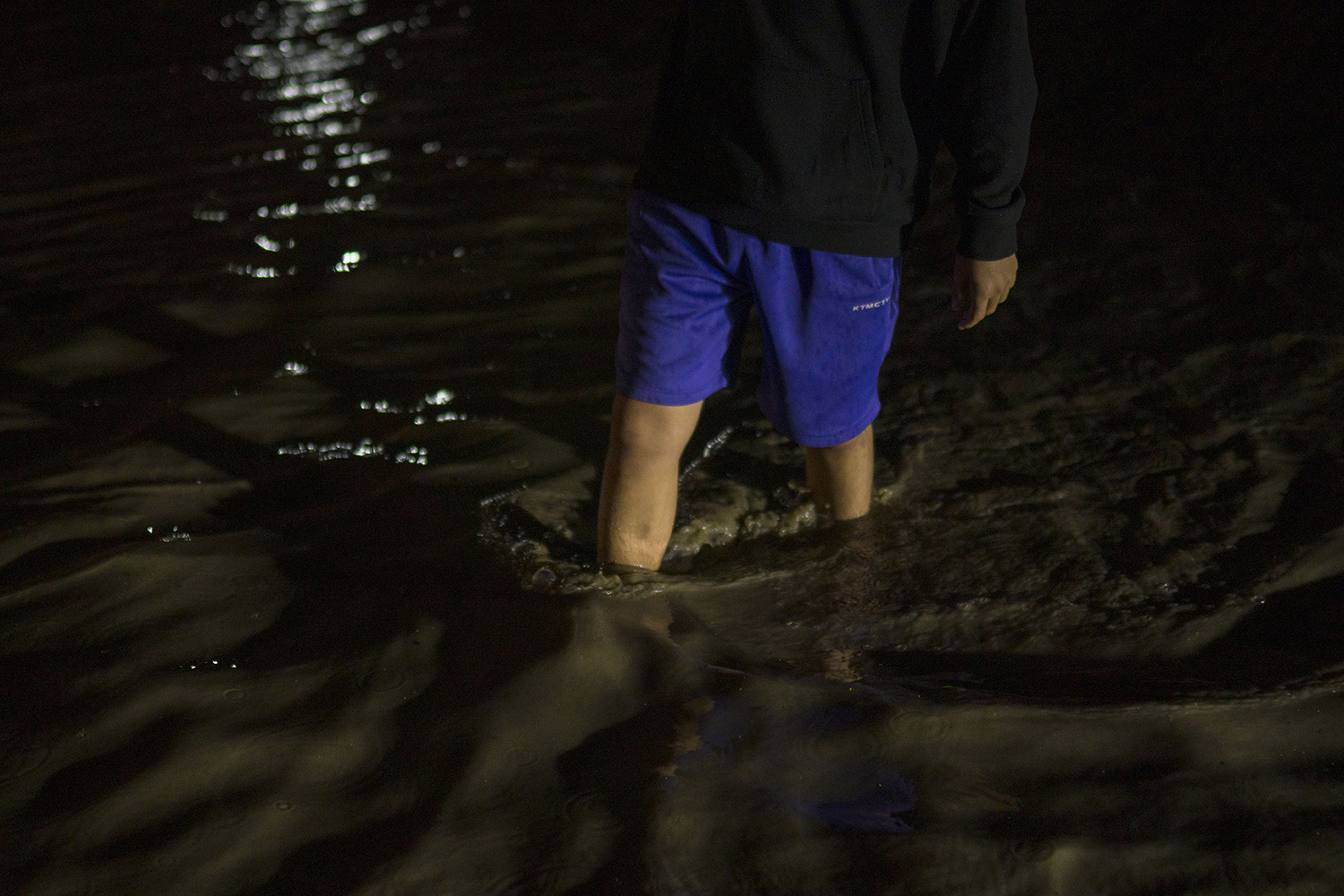
There is a practiced air to these measures. This is how living along the river corridors conditions you to act. An elderly woman and her granddaughter waded along the sidewalk. They had gone out to get ice-cream and when they returned the water was knee-deep.
She muttered: “New government, same problem.”
Despite repeated requests to the Ward, the neighbourhood still lacks a proper drainage system. The roads have been dug up repeatedly over the past two years, yet no one bothered about drainage.
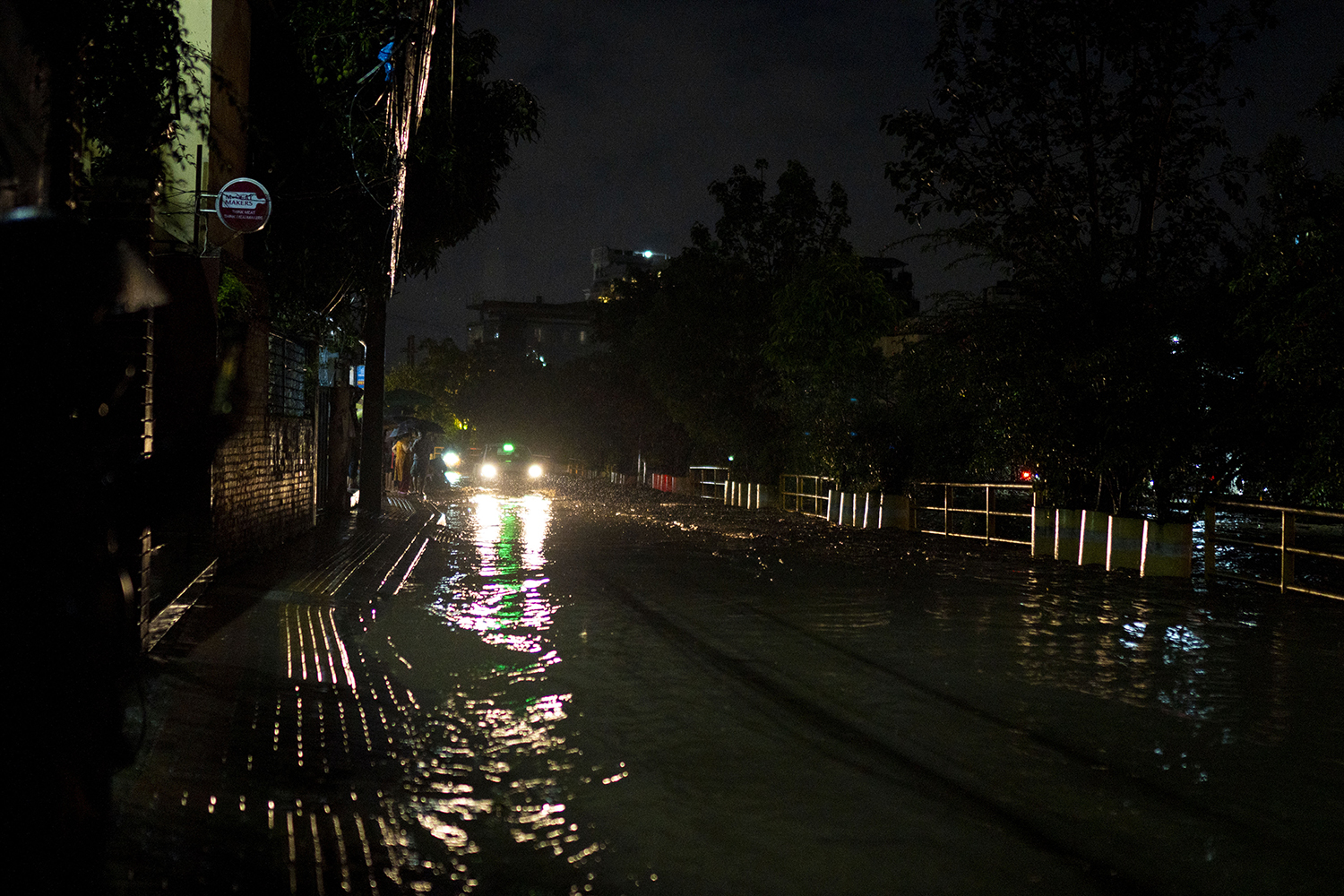
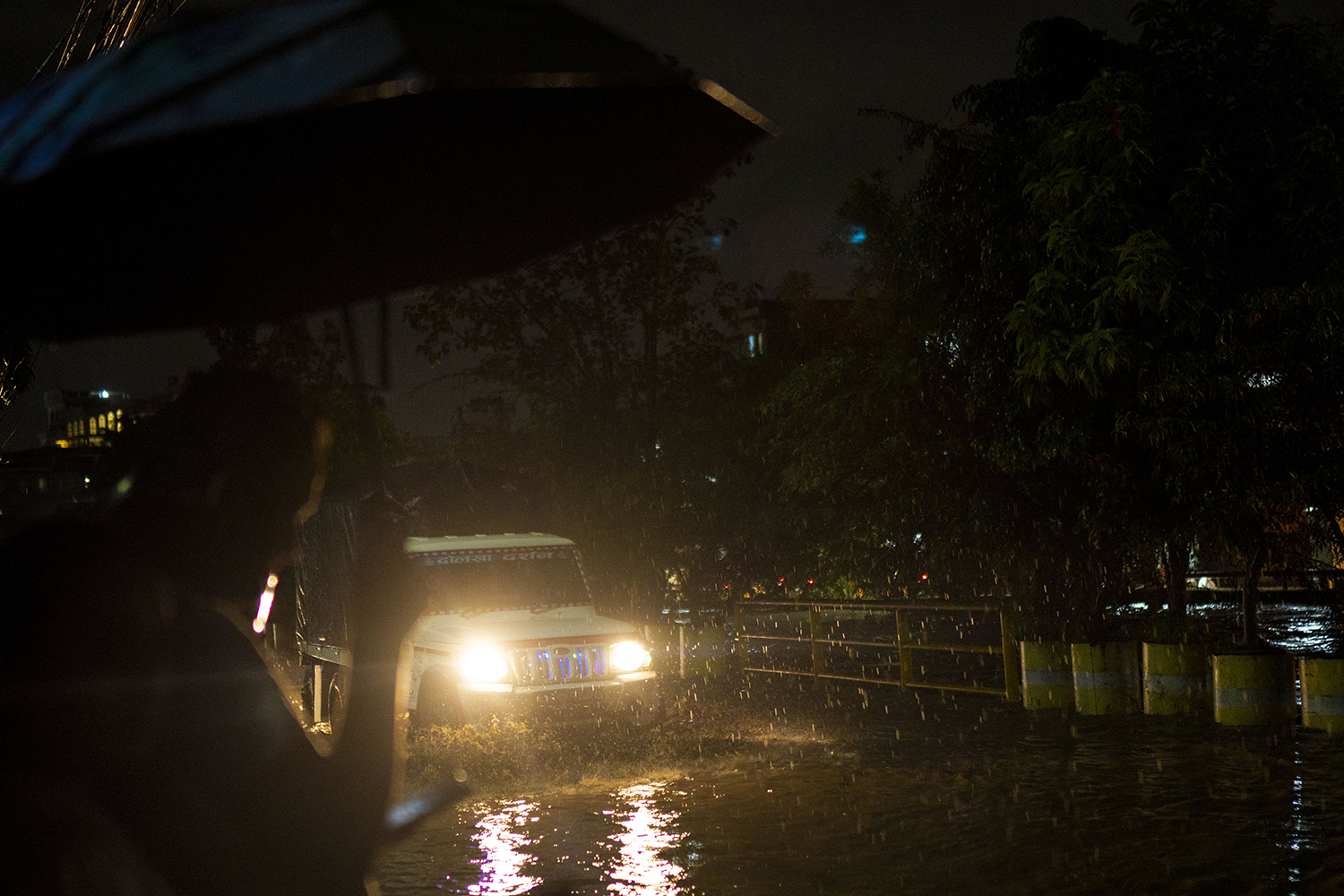
The police acted, but after the waters had already risen. A police van blared a warning to people to get to higher ground. They needn’t have bothered, most already had.
Much of the public conversation around Kathmandu's rivers focuses, understandably, on settlements that have encroached upon them which were recently demolished. Much less attention is paid to those who complied with building regulations, left the required space from the riverbank, pay taxes and still find floodwaters entering their homes.
For most of the year, the Rudramati is treated as something to ignore — a polluted channel carrying the city's waste out of sight. But every monsoon the river demands to be noticed.
By morning, the water recedes, leaving behind plastic bags tangled on the fences, and branches of trees trailing debris — showing just how high the river had risen.
Families are sweeping the silt out of their ground floors. The mop and bucket are not stowed away, they will be needed again. The next night, family members keep a vigil at windows again, gauging the water level for signs it is rising or falling.