Read also:
- Lessons not learnt
- School Mismanagement Committee, Om Astha Rai
- Grading the grades, Sahina Shrestha
- Teaching teachers, Shreejana Shrestha
Visitors used to seeing the poor state of government schools in Nepal will not believe they are entering one, when they pass through the gate of the Medha Secondary School in Bhaktapur.
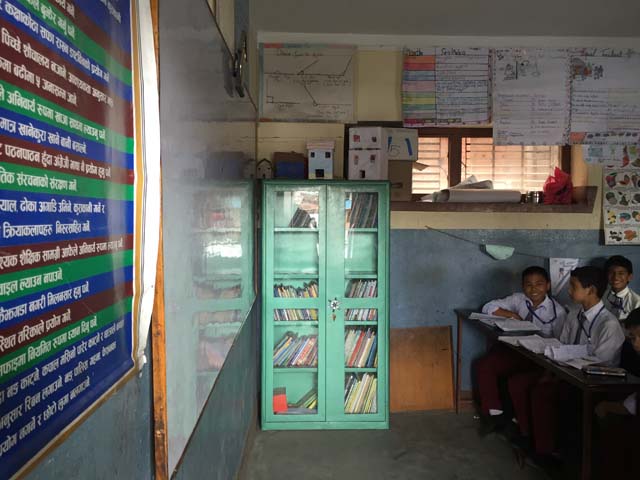
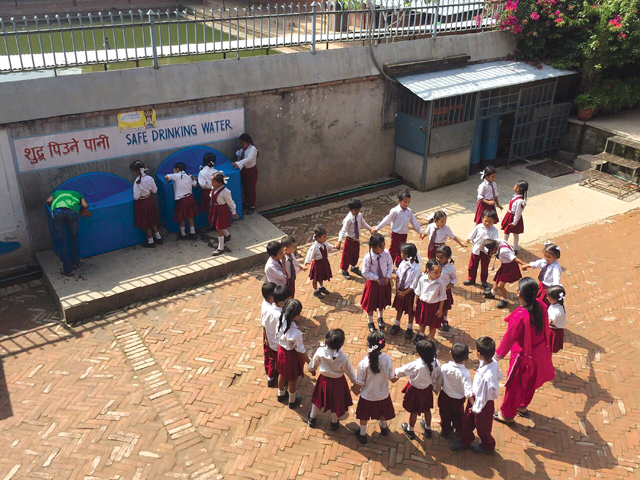
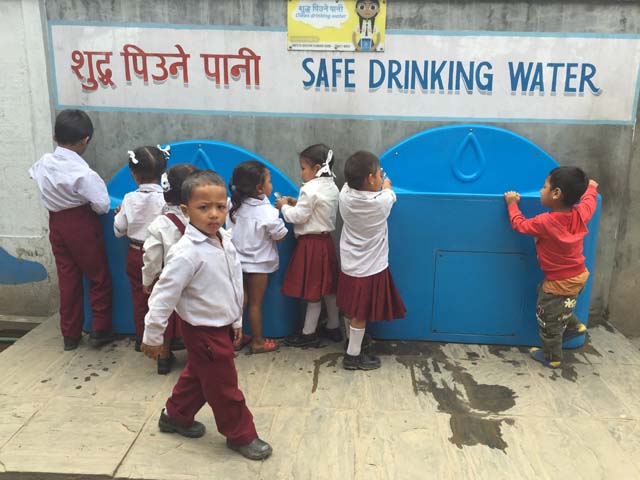
What a pleasant surprise it is to see neat playgrounds, clean toilets, well-equipped classrooms, a drinking water purification system (right) and happy, energetic children. Unlike other government schools, the teachers are all present and students have not dropped out.
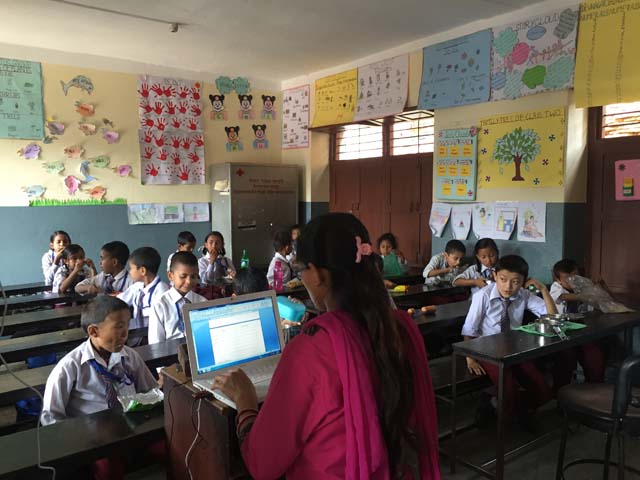
Instead of squalid and dusty interiors, the classrooms here are spick and span, and are all equipped with multimedia tools for audio-visual learning. The medium of instruction is English and, most importantly, the school has secured a success rate of almost 100 per cent in School Leaving Certificate (SLC) exams year after year.
How does the school do it?
Principal Gangadhar Hada remembers that Medha was just like any other government school when he joined. The secret of its success lay in close collaboration between the principal and the school management committee.
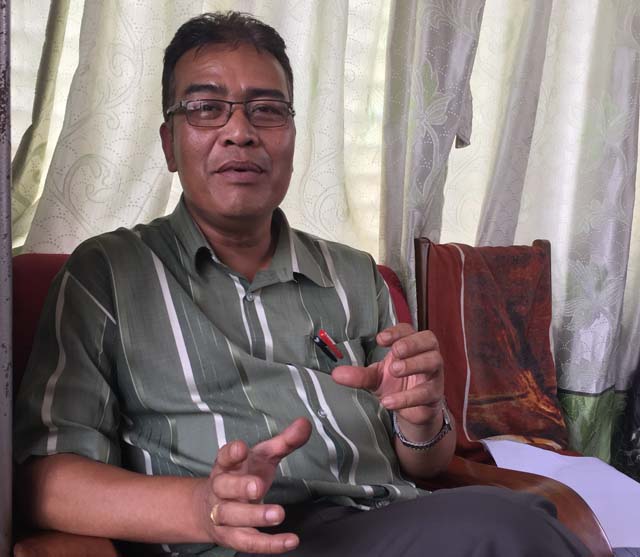
“We hired new teachers and conducted extra exams to evaluate the students,” Hada said, “And the management committee was also interested in improving quality.”
The government provides only 20 teachers for over 450 students, but the school has hired 20 extra teachers and non-teaching staff. It provides facilities that would be the envy of even private schools in Bhaktapur: a proper computer lab and library, extra-curricular activities that include dancing and singing, and every classroom has a book corner. The school spends up to Rs 300,000 a year to provide free lunches to pre-primary students.