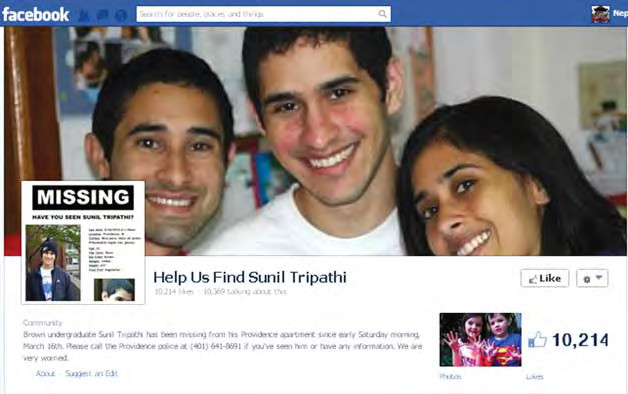
‘You are the master of the words you don’t say and a slave to the ones you do.’ This old adage is more relevant today in the age of digital social media than ever before. What you say on the internet is likely to be read, repeated, and forwarded far beyond what the reach of your words used to be. Furthermore, it’s likely to stay here forever.
It takes only one tweet or one post on Facebook to break the news and its chain reaction is like nuclear fission as it spreads across the world at the speed of light. No matter where you are in the world, which time zone, people share or re-post information assuming it to be the truth.
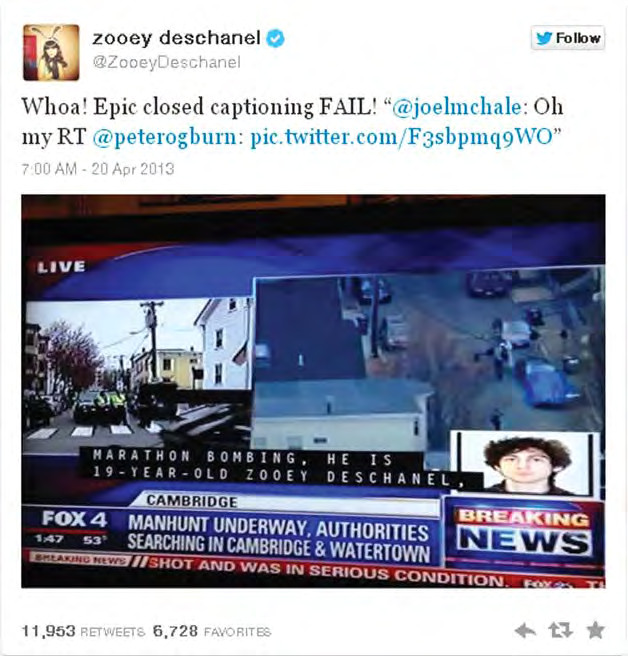
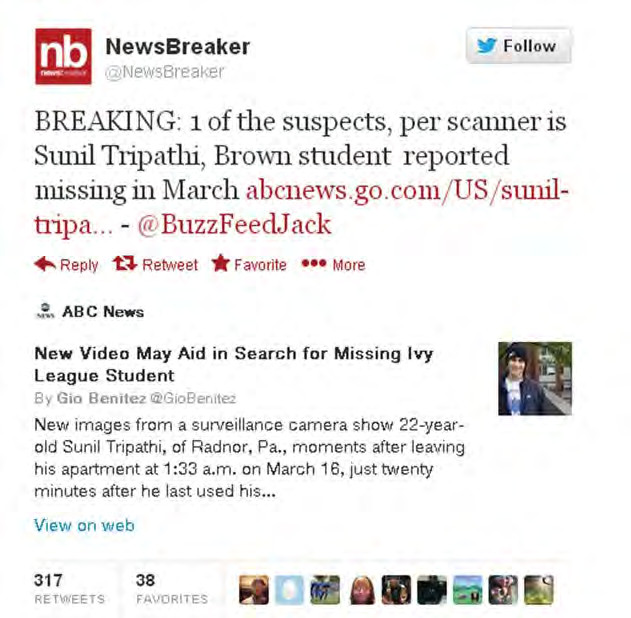
But what happens when the information turns out not to be true? Or the person who tweeted regrets and deletes it? Is there life after a tweet?
Celebrities, for example, are known to tweet and then depending on the reaction of the public, just delete their message without making any further comments. As if it would be that simple. Nothing on the Internet is ever really gone.
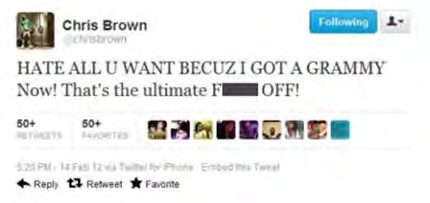
US singer Chris Brown, for example, is famous not just for his songs but for his short temper. He won a Grammy award and when colleagues in the industry tweeted that he didn’t really deserve it, he retorted: ‘HATE ALL U WANT BECUZ I GOT A GRAMMY Now! That’s the ultimate FXXX OFF.’ Later, he regretted the tweet and deleted it. But it was retweeted immediately by so many people that the remark is still in the Internet universe.

During the US presidential campaign, another US singer and actress, Cher tweeted: ‘If ROMNEY gets elected I don’t know if i can breathe same air as Him & his Right Wing Racist Homophobic Women Hating Tea Bagger Masters.’ She had second thoughts and deleted the tweet. Too late. The message was already widespread. Even if the tweet had disappeared, the comments, replies, and retweets stayed on. People have memory and so does the Net.