
In 2016, Netflix, the company that started in 1997 by emailing DVDs to their initially sceptical customers via the efficient United States postal system, expanded to 190 different countries, declaring an astonishing 83 million subscribers worldwide. Netflix identified a demand, and an extremely rewarding niche, by supplying films to people who had no time to go to the video store. It evolved rapidly to develop a wide archive that people often turned to for hard-to-find foreign and independent films that they could not afford to buy: a remastered Criterion special of the 1982 Ingmar Bergman classic Fanny & Alexander has five discs and can cost $50 or more.
Netflix developed an additional streaming service in 2007, and in 2013 it delved into the uncertain territory of creating original material, hitting the jackpot with House of Cards (admittedly, the show is a remake of a British series from 1990 of the same name) — an extremely popular political television series with high production values (the opening credits featuring scenes of Washington D.C. are like nothing I’ve ever seen) that will release its fifth season in 2017.
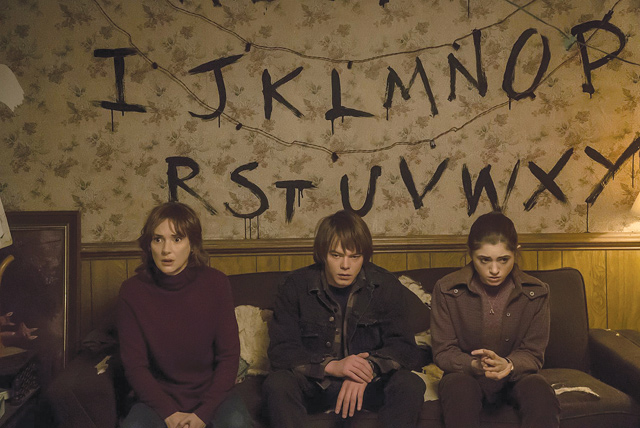
With Netflix now available in Nepal to anyone with a credit card and decent internet connection, viewers can now use their free one-month trial to watch the just released, riveting eight-part miniseries Stranger Things — a clever, charming, scary, and thrilling homage to Spielberg’s E.T. the Extra Terrestrial (1982), and to many other classic icons that shaped the sci-fi/horror/fantasy ethos of the 1980s, including giants like Stephen King and George Lucas.