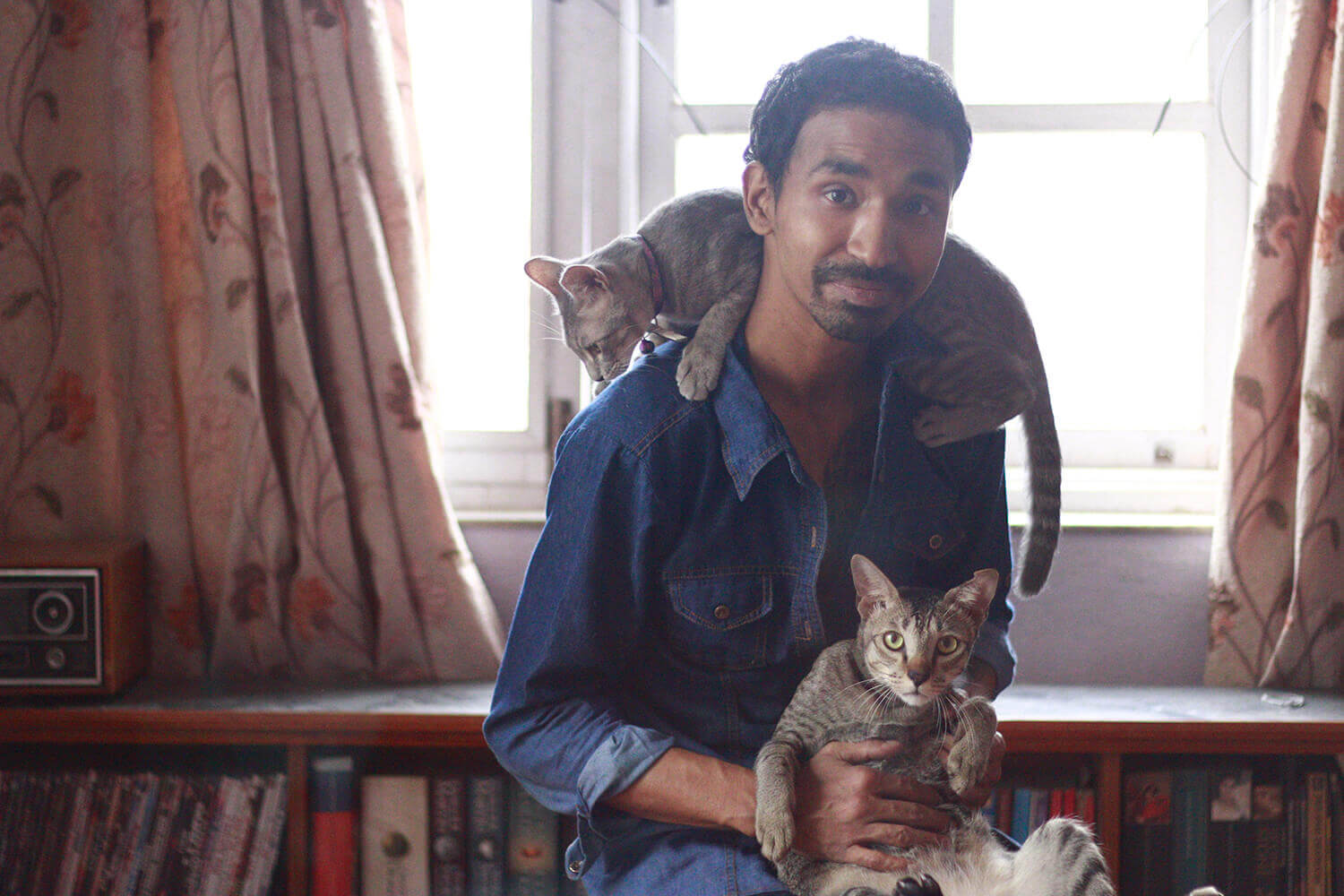
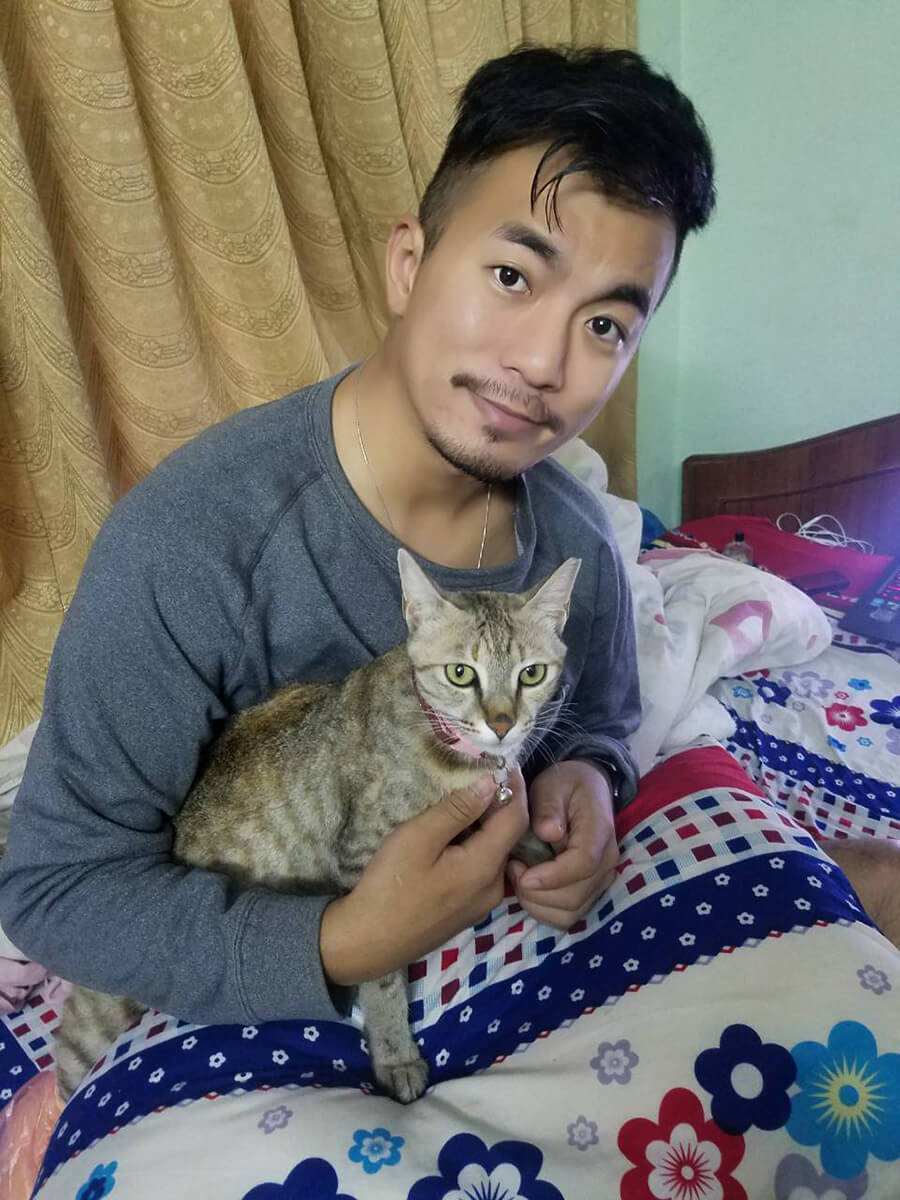
Rajan Gurung loved his first cat, Lucy, a gentle, loving, stray, when he was living in Singapore. But the 30-year-old interior designer had to say goodbye to his darling Lucy at a shelter when he decided to move back to Kathmandu. So he set about finding another furry friend.
"When I first came to Nepal, I was shocked by the Nepali culture that regarded cats as evil minded animals with witchcraft tricks," Gurung says.
Dogs are labelled man’s best friend and worshipped, but cats have long been associated with the fairer sex. The older generation has relegated cats to Kathmandu’s alleys, as dogs control the streets. But there seems to be a man-powered feline uprising in our midst, signaling a possible shift from misguided stereotypes.
Not dissuaded by Nepal’s anti-cat sentiment, Gurung’s new kitten Mimi came from Catmandu Lovers, who take in and care for the capital’s alley cats. They also find them new homes.
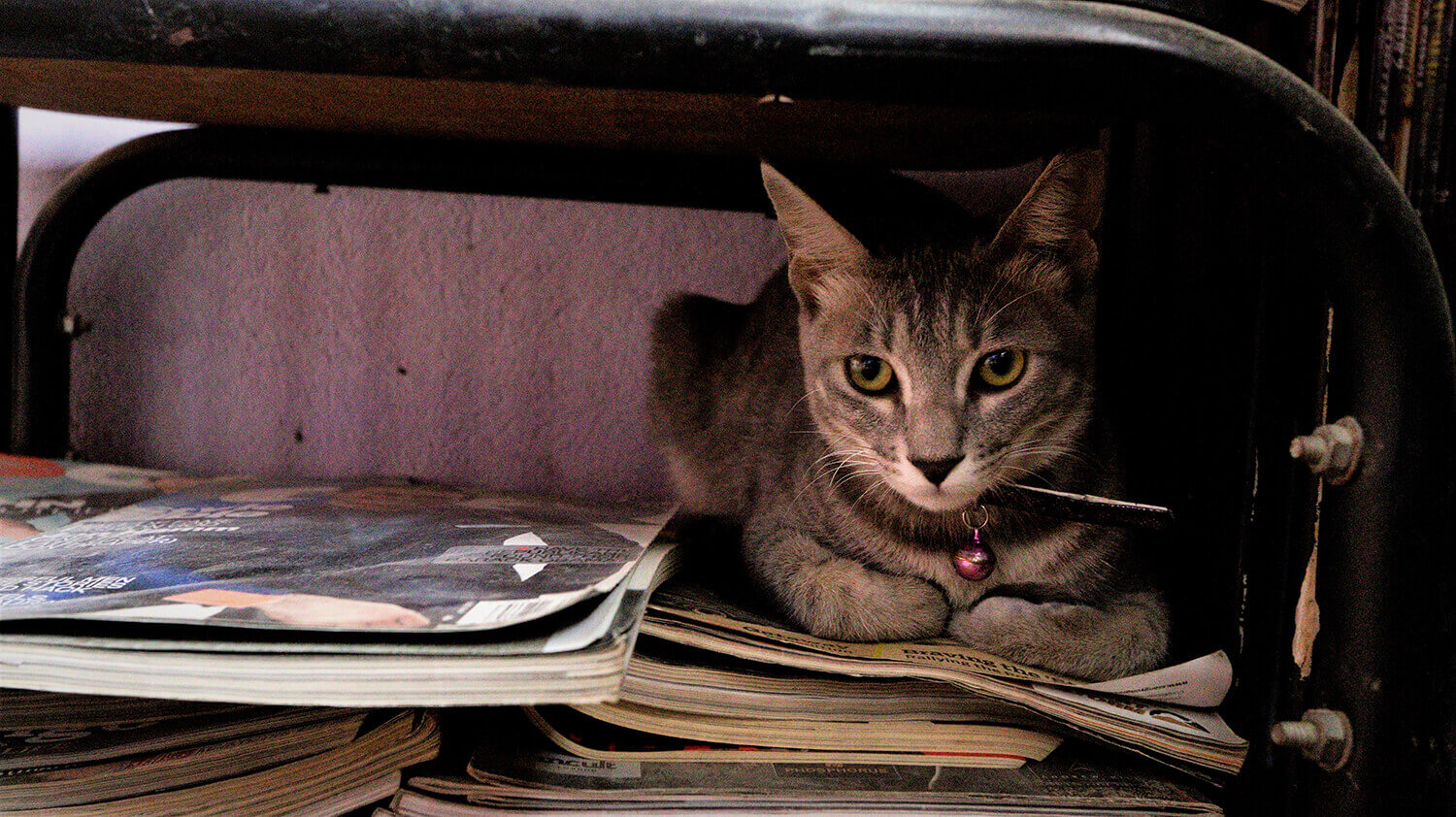
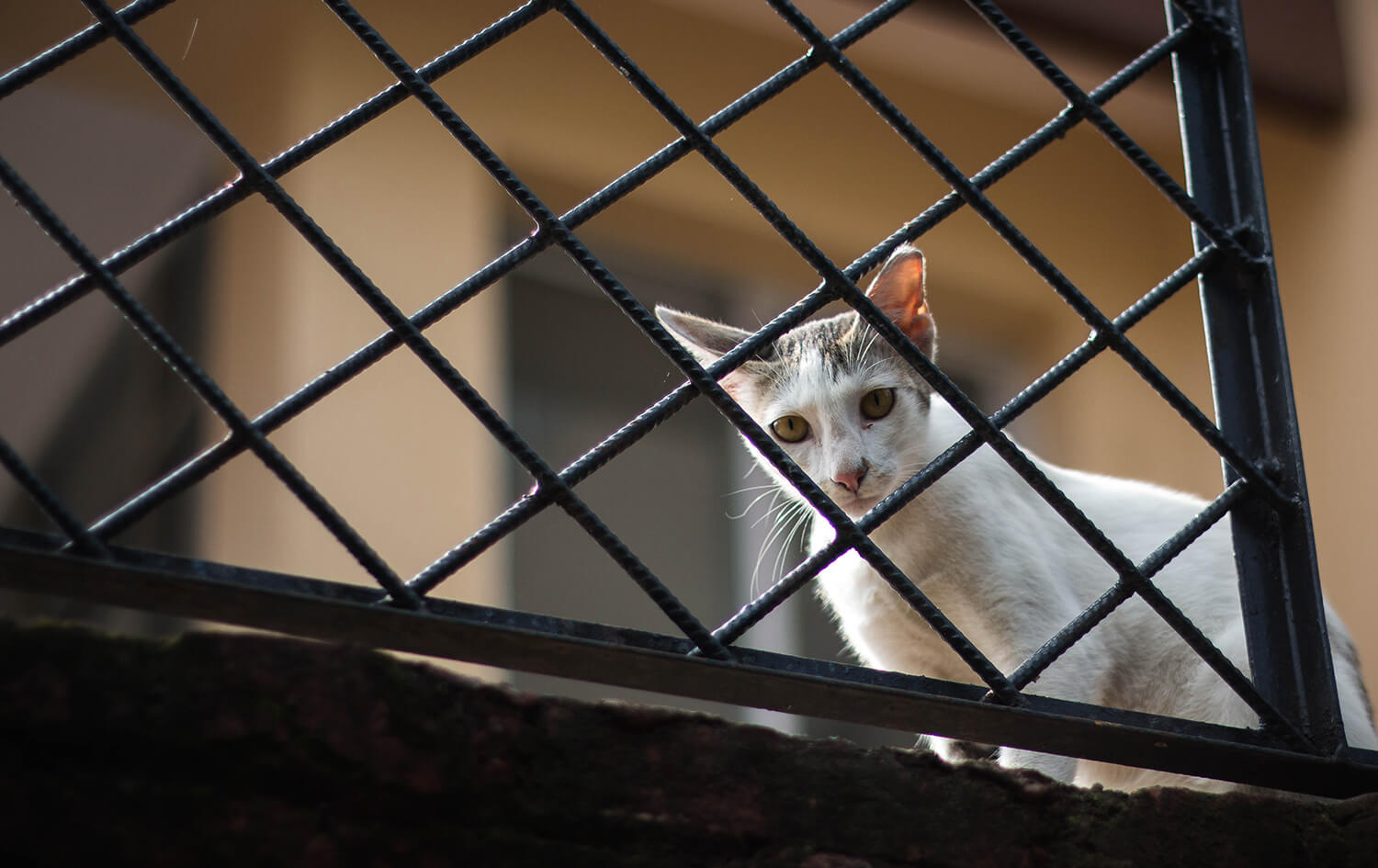
Shelter founder Norfaizah Ramli has looked after strays for about three years now, and believes male cat owners are not as odd as many might think.
“For some people, cat-loving males evoke a negative, and outdated, geeky stereotype, but I see these cat men as kind, deep, smart and hip,” she says.
Such a view is a change from the norm, but there is more to owning a cat than the associated labels. Gurung believes cats are intelligent, albeit sometimes messy. Having Mimi has taught him some things, namely responsibility and patience.
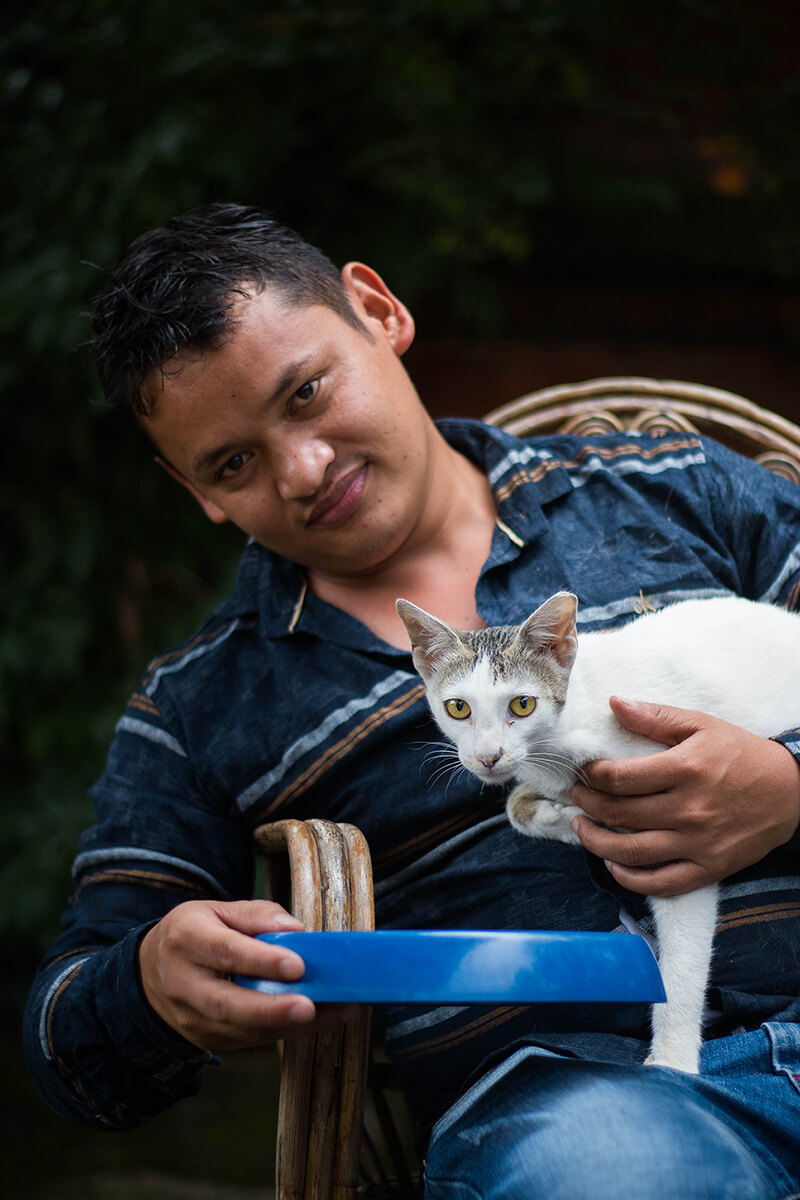
Gurung is not the only smart and hip chap in the valley however, as Nepali Times found two other cat-loving men who believe the stereotypes to be misguided and wrong. In fact it was the portrayal of a chiseled bad boy with a soft spot for cats in a Bollywood film that converted Shrijendra Amatya (pictured below).