
Disaster response usually is just that: responding to disasters after they happen. But with better forecasting, communities can get help before weather extremes induced by the climate crisis unleash floods.
October’s unseasonal rains in Nepal was not a surprise, meteorologists using weather modelling had warned of unusually heavy unseasonal post-monsoon downpours. This allowed relief agencies and the government to rush aid to the remote Karnali region of western Nepal.
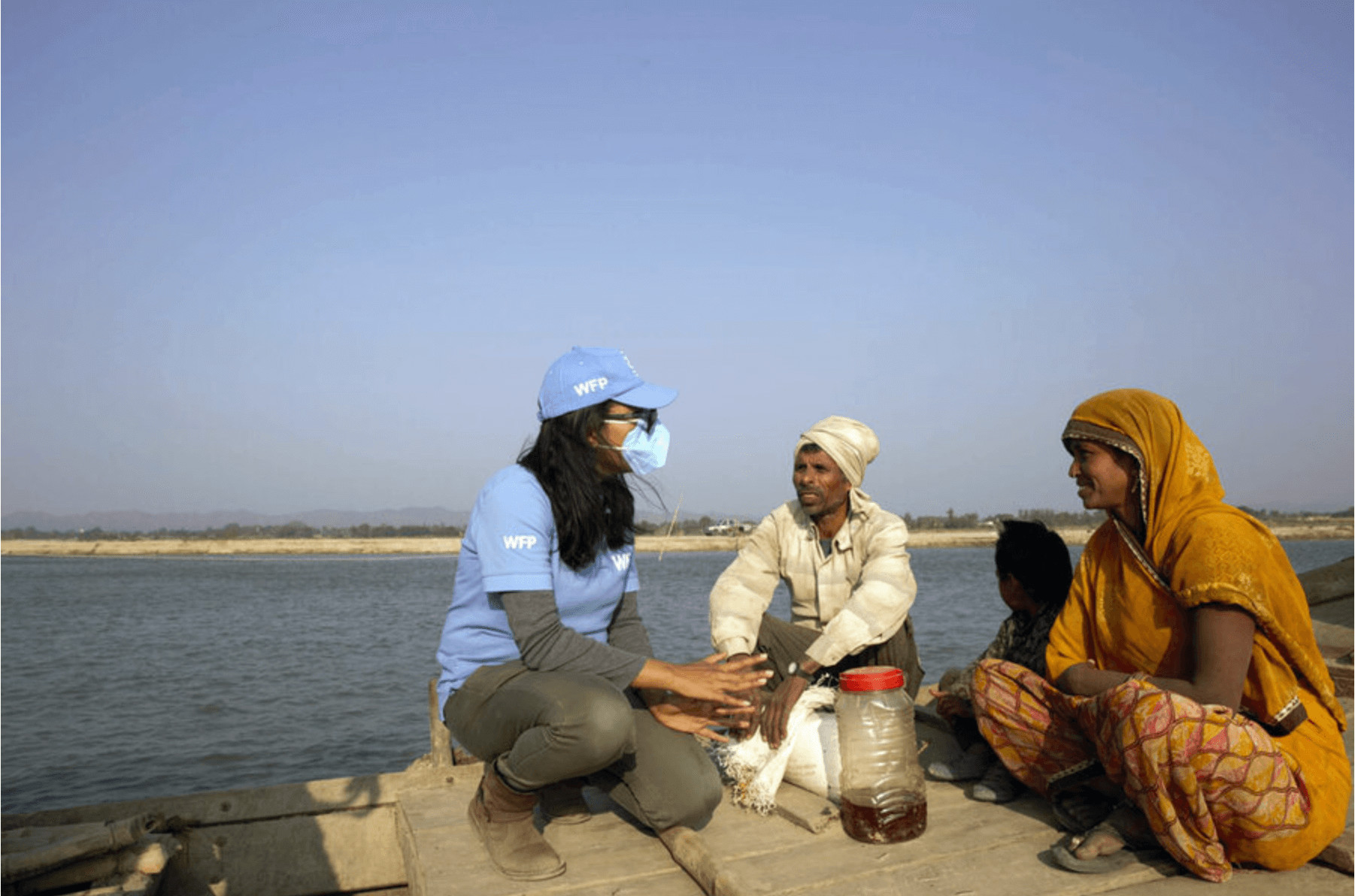
The World Food Programme (WFP) with support from the German government distributed emergency cash, early warning information and other assistance to 3,000 households deemed to be living in high-risk areas.
Even so, nearly 100 people were killed when landslides and flash floods hit settlements in the Himalayan foothills in early October, and the heavy rain destroyed ready to harvest paddy in large parts of Nepal.
It is called ‘anticipatory action’, and is an innovative new approach to disburse humanitarian aid before a weather-related disaster hits communities that depend on subsistence agriculture. More than 15,000 people in the Karnali Basin benefited from the Rs15,000 cash entitlements per household to help soften the blow of the climate-related disaster.
“With reliable forecasts, it is increasingly possible to anticipate extreme weather events and take necessary action in advance,” said Robert Kasca, WFP Representative and Country Director in Nepal.
He added, “Nepal is extremely prone to climate-related disasters, and this approach offers a new and effective way of supporting communities not only to cope with, but also adapt to the impact of the climate crisis.”
By supporting preparedness and anticipatory action, humanitarian organisations help prevent and mitigate some of the impact of extreme weather events on the food security, nutrition, and livelihoods of at-risk households. This also reduces potential loss and damage, and the cost of later humanitarian response.