
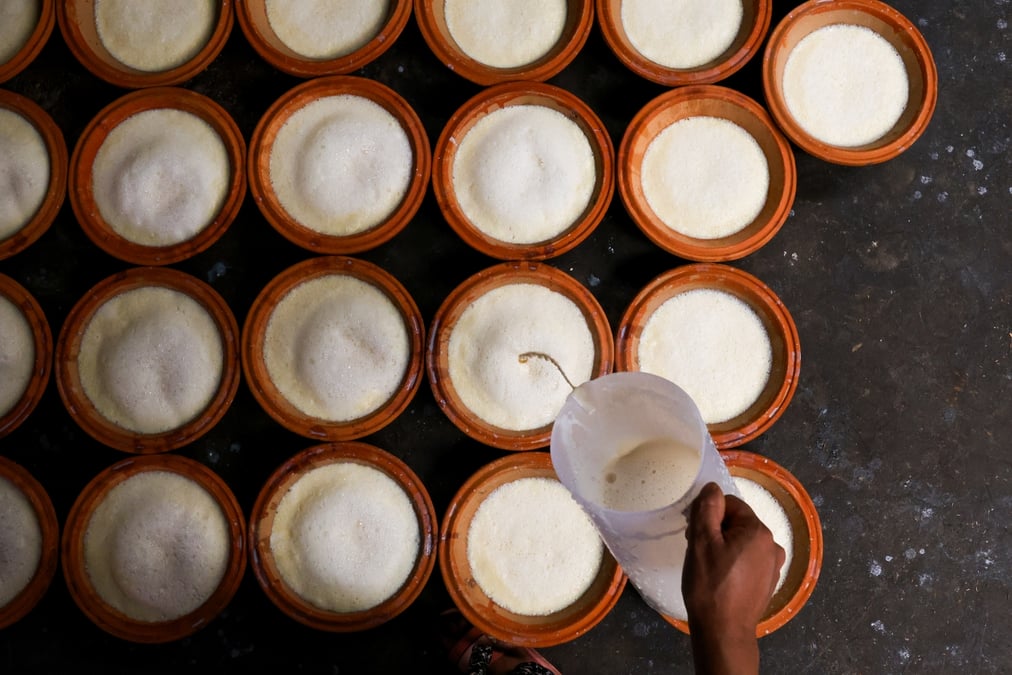
For residents of Kathmandu Valley, the rich, creamy texture of Bhaktapur’s juju dhau is as central to रोपाइँ paddy day every year on 15 Asar as engaging in mud fights in fields prepared for rice planting. Having दही चिउरा after a hard day’s work of planting rice saplings is a time-honoured tradition across Nepal.
Paddy Day on 29 June this year looks different. A wetter-than-usual pre-monsoon had prompted many to plant their paddy ahead of schedule, but farmers have since struggled to maintain their rice fields due to low monsoon rainfall.
Erratic rainfall and changing weather patterns might have made rice planting on Asar 15 a dying tradition, but the ritual of having दही चिउरा on this day continues to thrive.
JuJu Dhau—meaning king of the curds—originated in ancient Bhaktapur in the 13th century during the Malla era, and is deeply embedded in Newari culture and cuisine.
Bhaktapur’s signature yogurt is made with fresh buffalo milk, which has a naturally high fat content, which is first boiled to a simmer with sugar and then poured into warm, damp, unglazed vessels where it is then infused with spices and active culture. Then the milk is fermented in the traditional clay pots that absorb excess moisture and give the curd its dense, thick, custard-like texture and its earthy, creamy, inimitable flavor – thus giving it its name Juju Dhau, the king of curds.
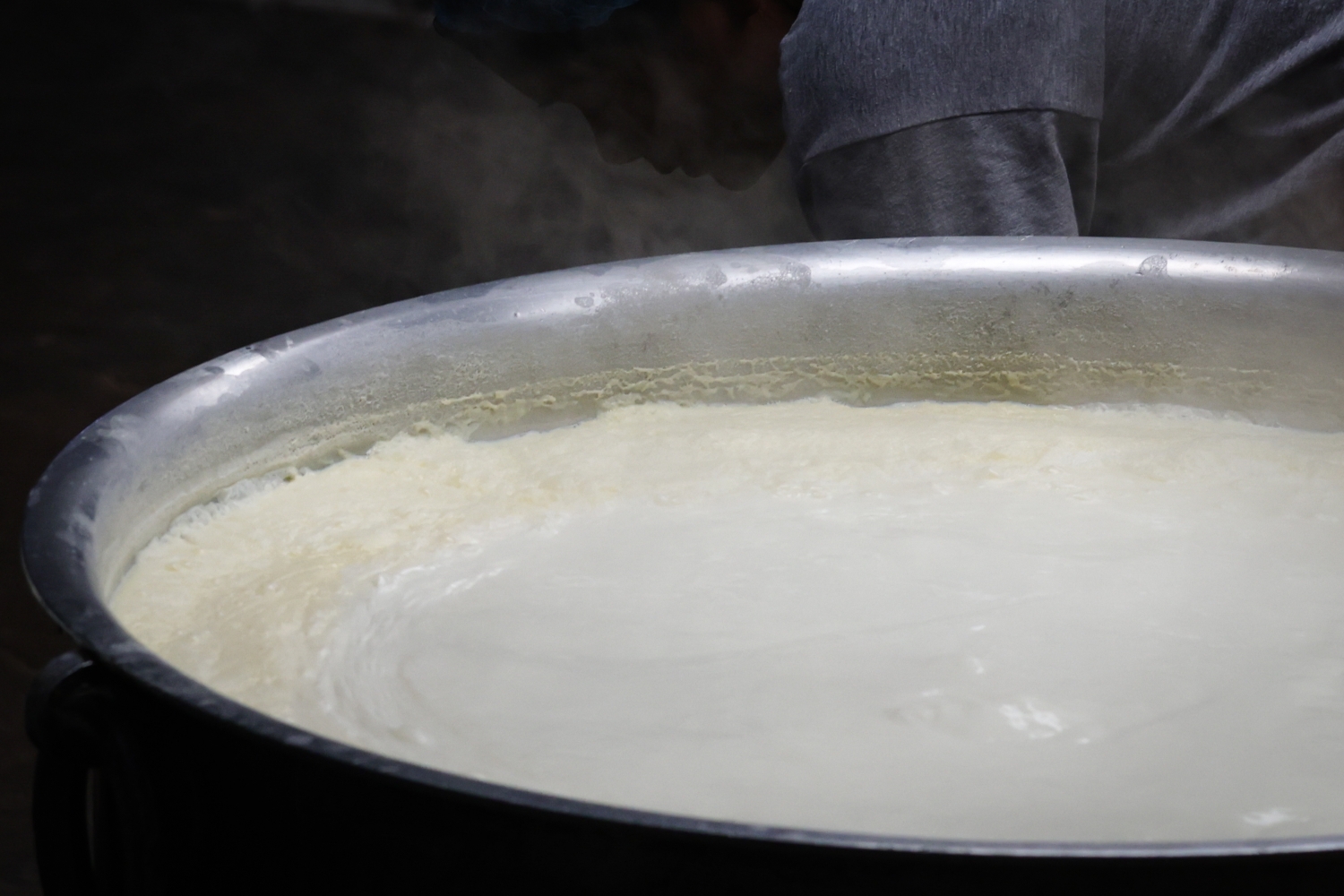

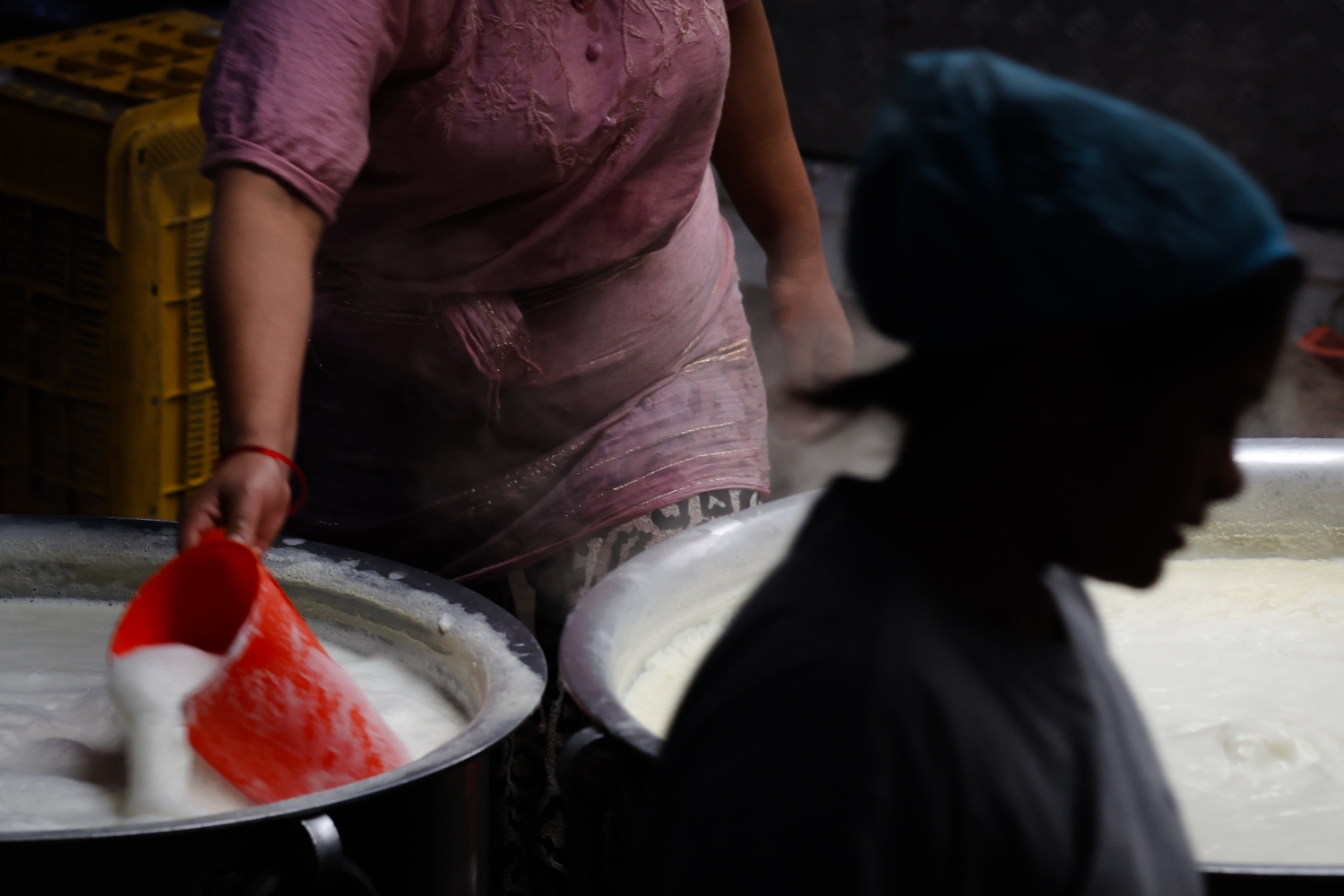
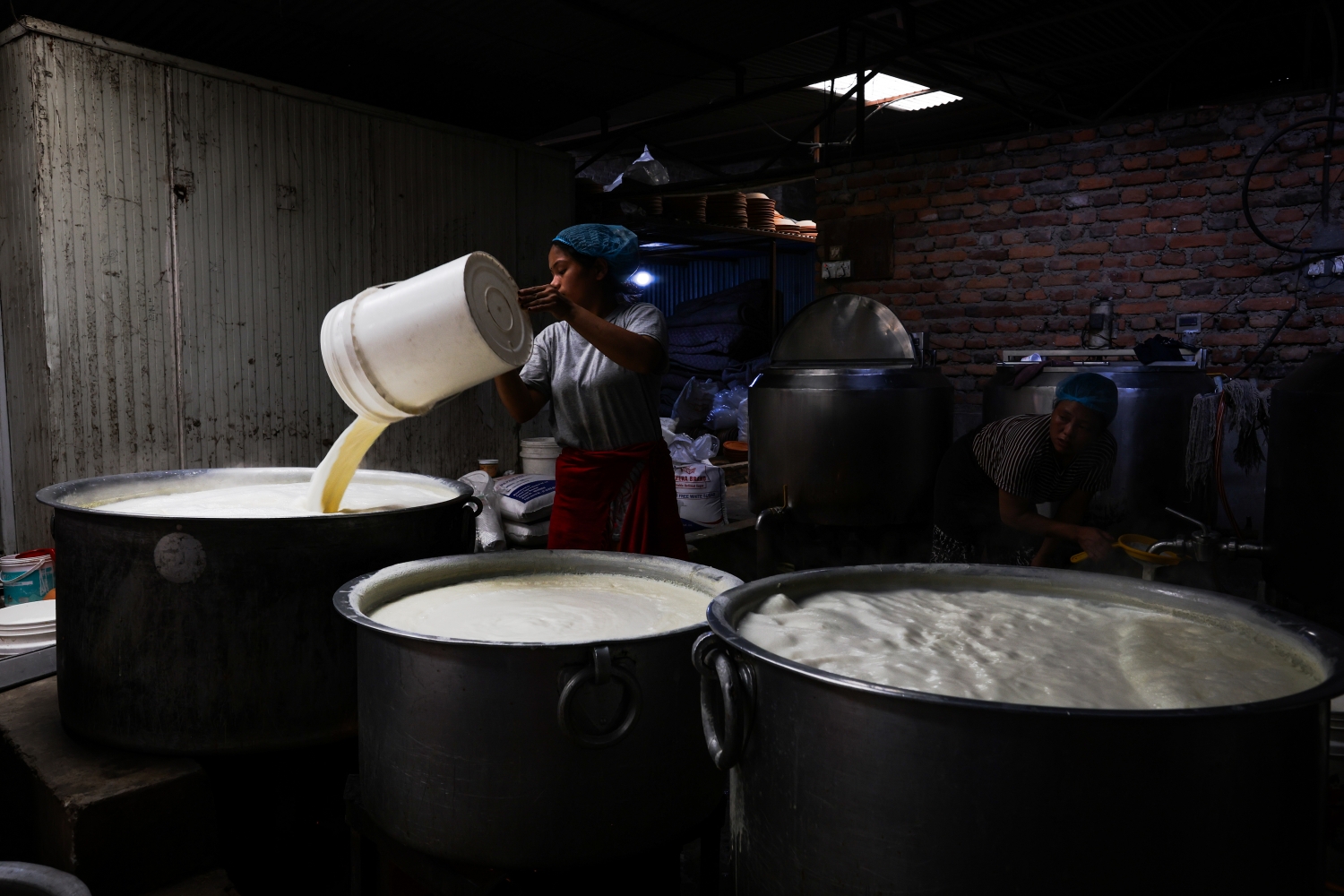
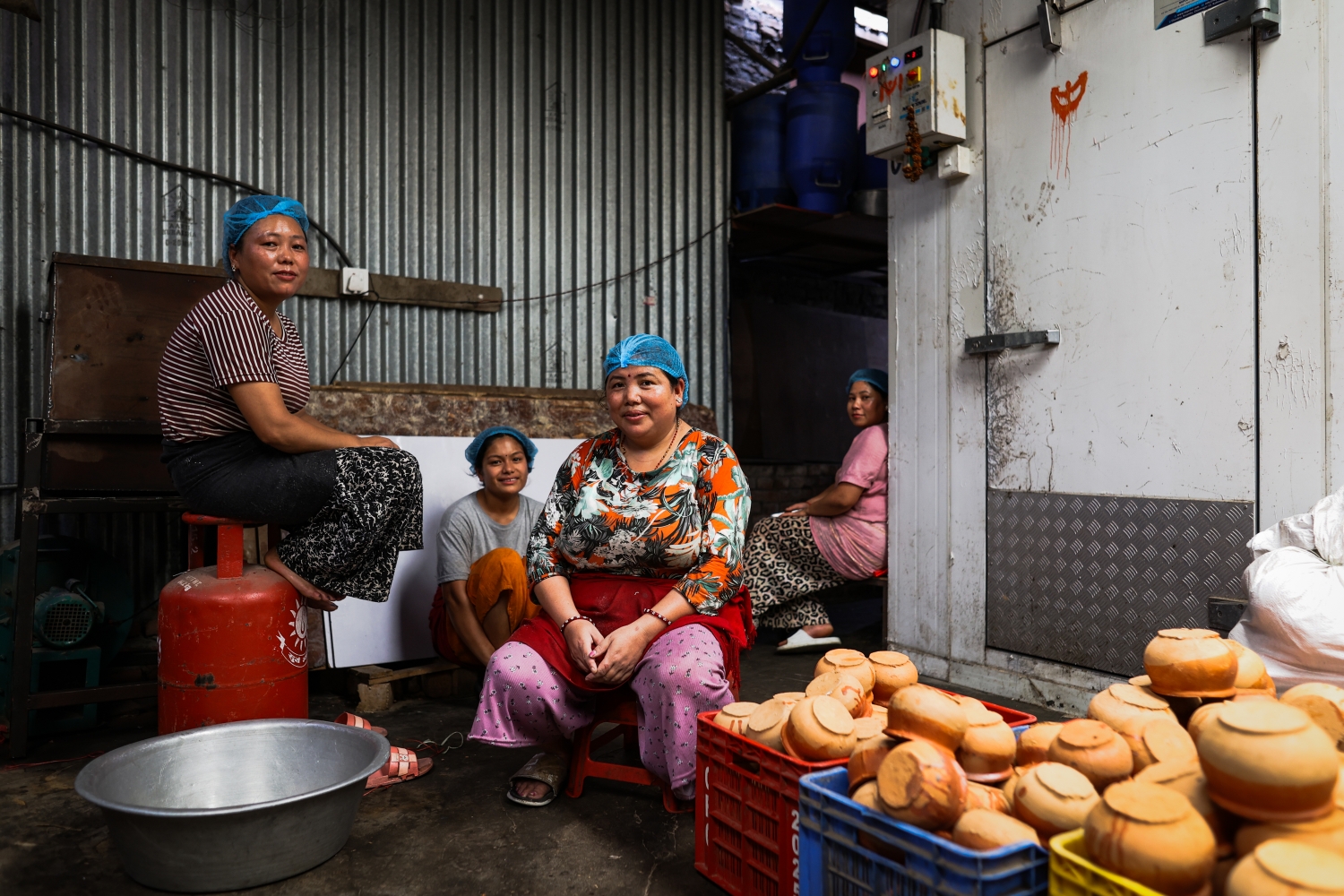
In Bhaktapur, R.S Juju Dhau, run by the Suwal family, is part of a community that is keeping the living culture of juju dhau alive, which in turn has led to a growing circular economy that benefits dairy farmers as well as Bhaktapur’s historic clay artisans.
Suwal explains that juju dhau has in recent times moved from valley kitchens to becoming a nationwide delicacy. His own business supplies yogurt from the Valey to Chitwan to as far as Surkhet and Dhangadi.
Ahead of Paddy Day on 29 June, Suwal and his team worked round the clock to meet demand from the valley and surrounding districts.
“We have experienced the expansion of juju dhau in real time,” says Raffil Suwal, a second generation curd maker who operates R.S Juju Dhau alongside his father. “What was once a Kathmandu staple now reaches across Nepal.”
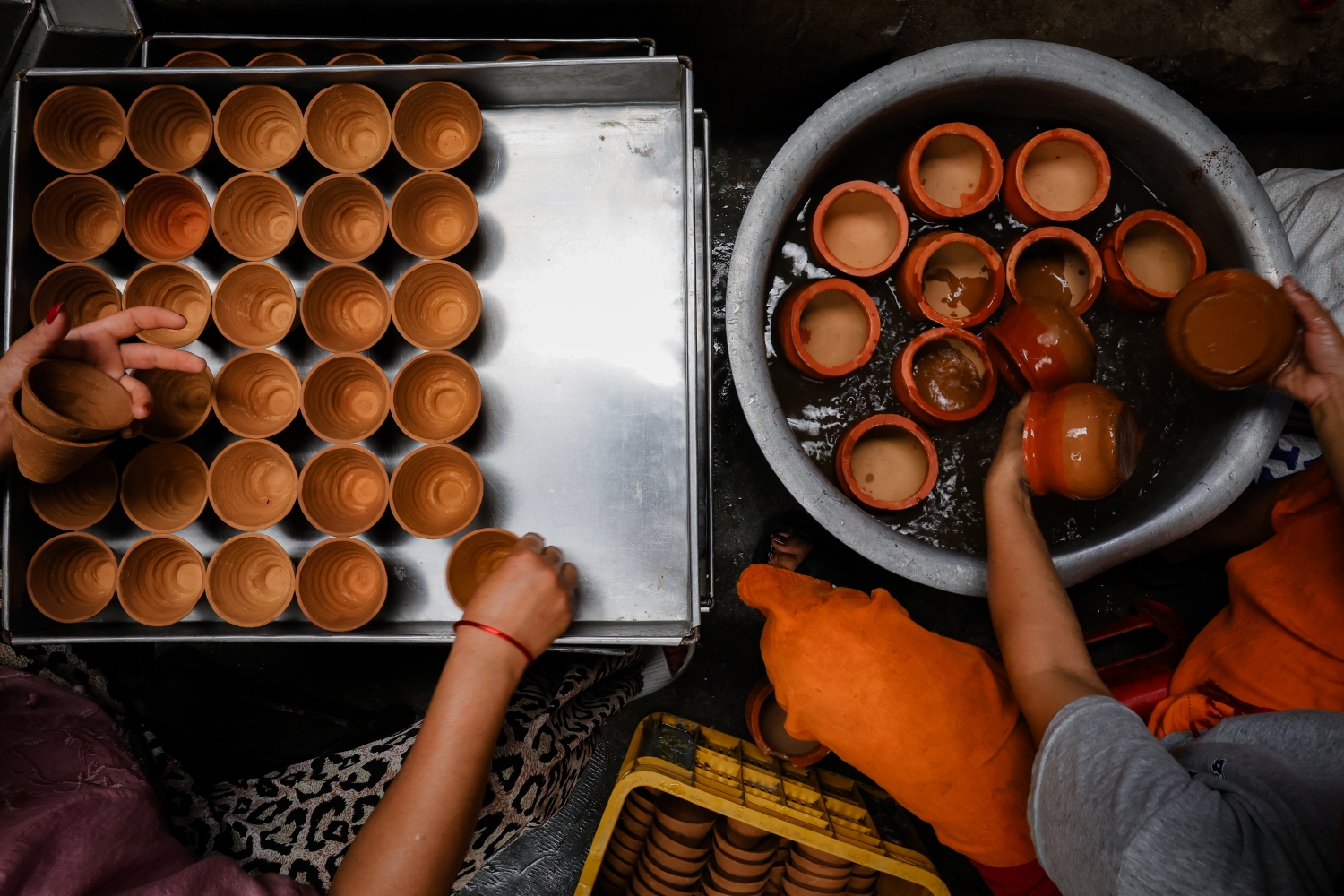
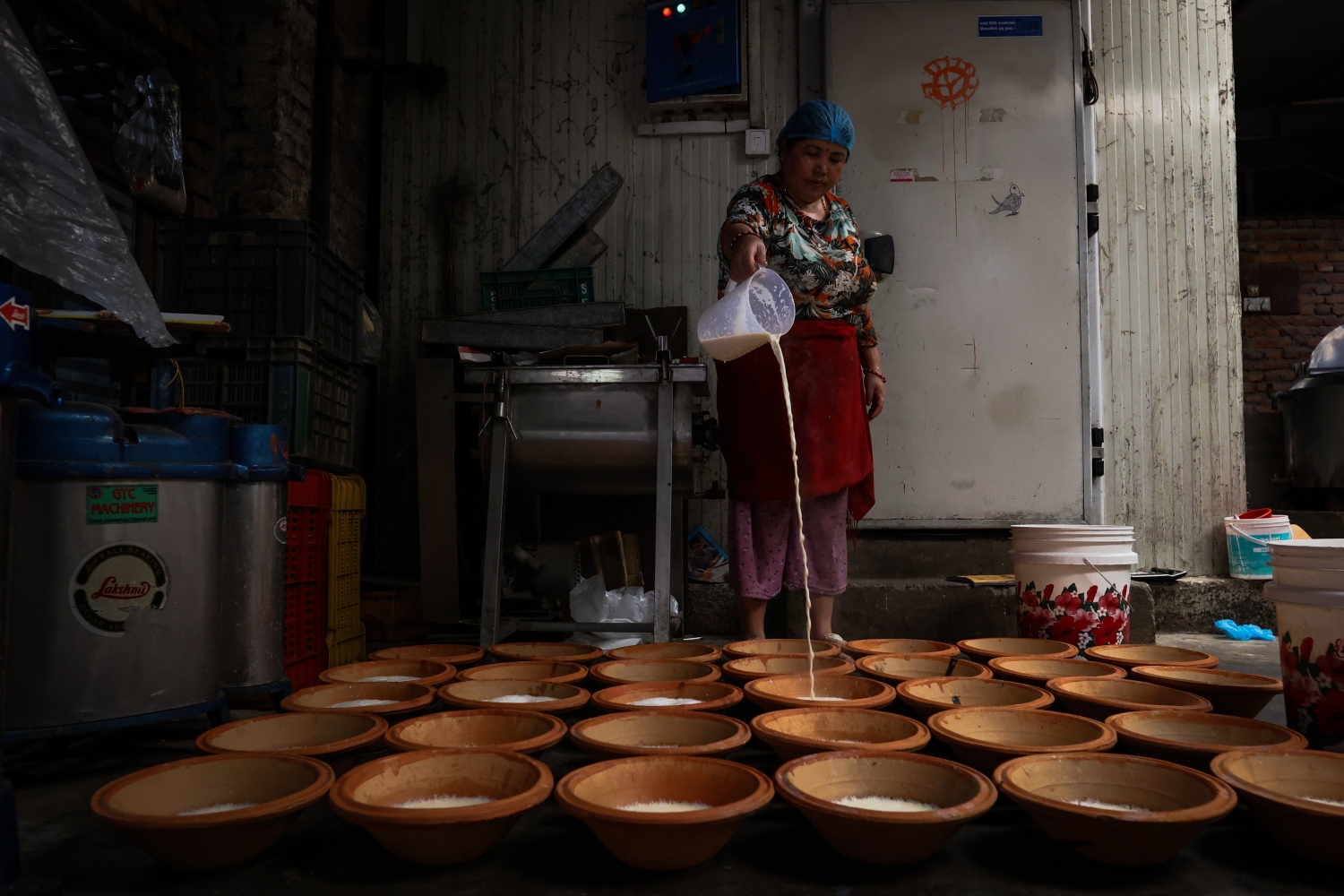
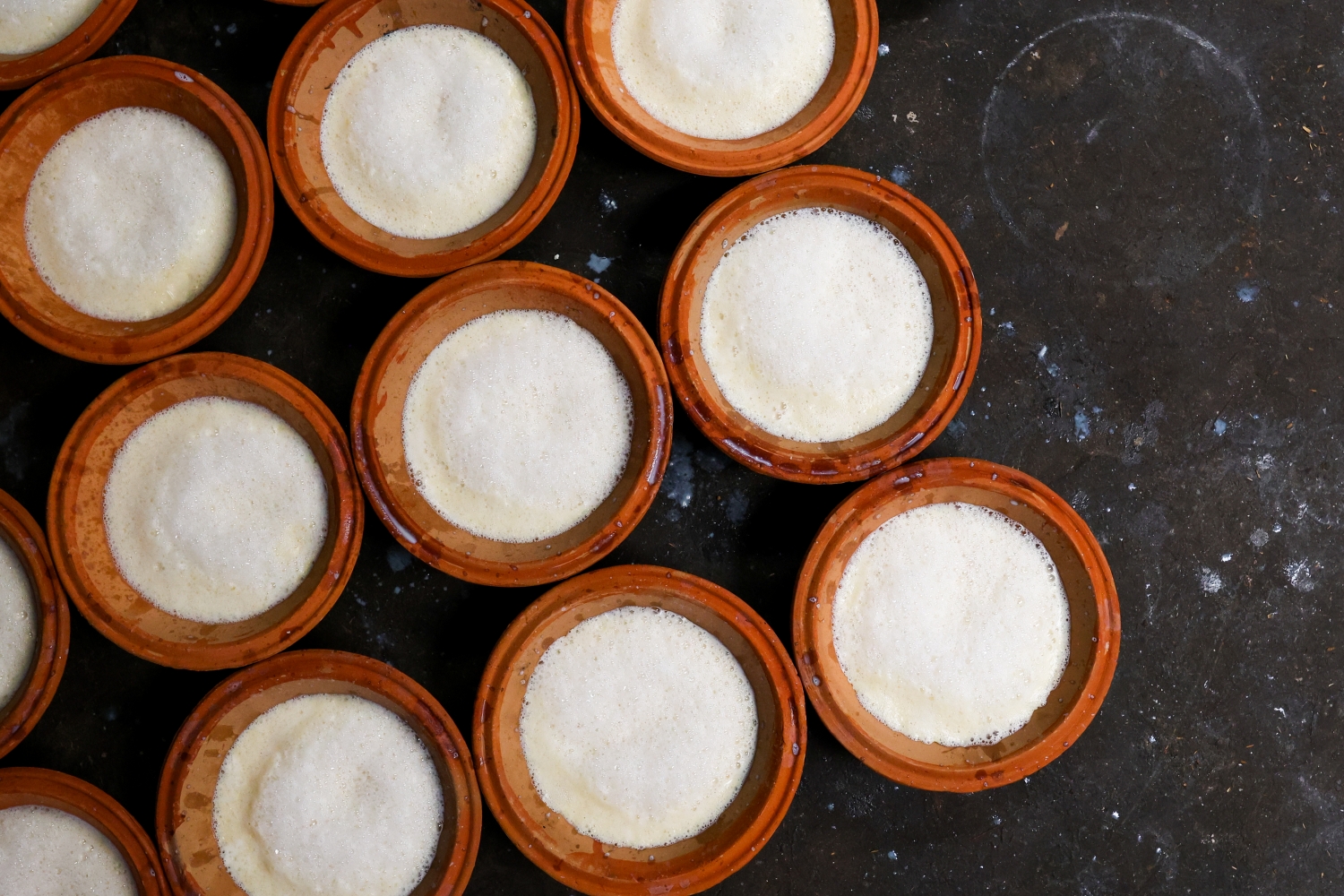
Having seen the demand for the yogurt grow, Suwal and his family have ambitious plans not just to take juju dhau outside the valley to the Tarai and far-west, but to contribute to putting Nepali yogurt on international shelves.
But there are infrastructural, technical, and regulatory hurdles to overcome. Businesses like Suwal’s lack resources for scale and standardisation, while products grown by small-scale entrepreneurs face a lack of coordinated branding and market support.
Indeed, producers cherish small-batch methods that give juju dhau its character and flavour, yet those same methods complicate meeting international regulations and consistent supply.
Additionally, Nepal lacks the institutional frameworks—cooperatives, quality labs, export packaging, and government promotion—that have helped brands globally. India’s Amul is the biggest and nearest example of a dairy company that has gone from being regional players to become a global name.

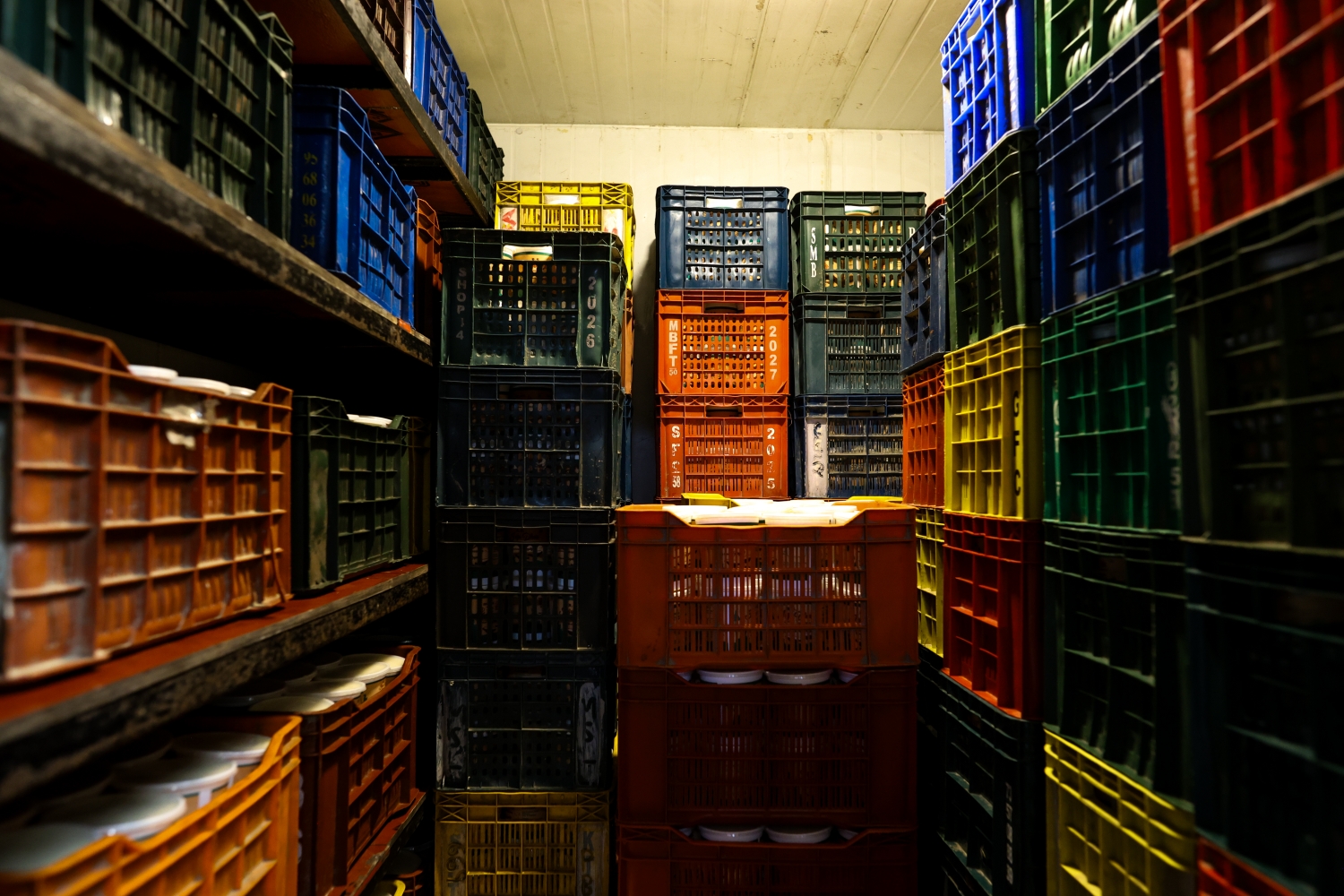
Business owners have hopes that juju dhau can someday go from being a domestic comfort to becoming a culinary ambassador that promotes Nepal’s culture to the world, much like dal bhat and momo.
“One of the biggest challenges is cold chain,” Suwal says. “Without reliable refrigeration, it is a challenge to be transport dairy products like curd from one district to another, let alone from farm to port for international export.”
Farmers and curd businesses lack resources to capitalise on the opportunity to expand production, and say the private sector and the state must invest in refrigeration hubs, aggregation centers, technical assistance, and export-oriented branding. This would raise income for milk suppliers, create jobs across processing and logistics, and stimulate rural economies.
Juju dhau, rooted in artisanal technique and local identity, reflects both tradition and potential for Nepal. With targeted public–private action—cold-chain investment, cooperative aggregation, quality standards, and purposeful marketing, Bhaktapur’s historic delicacy can move from village bowls to international shelves, carrying with it livelihoods, identity, and a taste of Nepal to the world.