

There were two Bhutans on display during Narendra Modi’s visit this month. The first: a trusted partner, modernising rapidly with Indian support, inaugurating hydroelectric projects, and signing healthcare deals. The second: a nation that ethnically cleansed 17% of its population and has never been held accountable.
Modi chose to see only the first during his 11-12 November visit, granting $450 million in credit, offering birthday tributes to Fourth King Jigme Singye Wangchuk, and inaugurating another hydropower project.
New Delhi has opted for strategic silence on Bhutan’s systematic persecution of the Lhotshampas in the 1990s. The displaced remain scattered across the world and in refugee camps in Nepal, their property seized, their citizenship revoked.
Now, on that same contested land Bhutan is building the Gelephu Mindful City (GMC), a megaproject intended to connect directly to Indian infrastructure. The victims are gone, and democratic India’s values remain conspicuously absent.
With no Lhotshampas left to challenge the official narrative and India unwilling to raise it, Bhutan continues to suppress dissent with impunity.
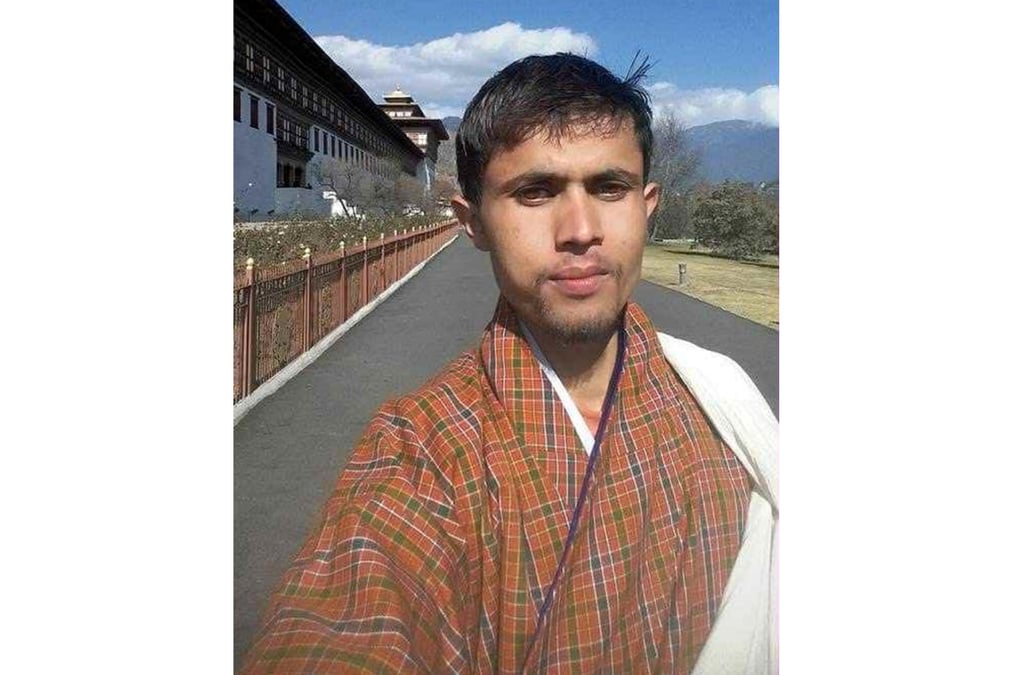
Earlier this year, social media influencer Raghu Pati Subedi was arrested on the Assam side of Gelephu after returning from a visit to relatives in India. His family members reportedly came under intense pressure, including threats of arrest, accusing them of hiding his whereabouts. After his arrest, he was transported to Thimphu and imprisoned.
This was not an isolated incident. It is part of systemic repression that first gained international attention in the 1990s, when over 100,000 Nepali-speaking Lhotshampa were systematically stripped of their citizenship and forcibly exiled. This mass expulsion, which human rights organisations have characterised as ethnic cleansing, created a decades-long refugee crisis that continues to define the regional political and human rights landscape.
EXODUS
The Lhotshampa crisis of the 1990s was not a spontaneous event but the culmination of years of state-led discrimination. Through a series of legislative acts, notably the 1985 Citizenship Act and the 1989 Driglam Namzha, the ‘One Nation, One People’ policy, the Bhutanese state systematically dismantled the rights of its Nepali-speaking citizens.
The use of the Nepali language was suppressed, the traditional dress of the ruling ethnic group was mandated, and citizenship was revoked en masse, rendering a significant portion of the population stateless in their own homeland.
The new manuscript I am editing has harrowing accounts by the authors of those atrocities. The parallels with what happened to Subedi recently are striking and troubling, showing that even after 35 years the regime has not changed its spots. The methods may have evolved, but the repression against dissidents remains disturbingly consistent.
This refugee exodus was an immense and unasked-for burden on Nepal. Despite being a country grappling with its own political instability and limited resources, Nepal accommodated them on humanitarian grounds. Nepal has consistently advocated for a durable solution centered on the refugees’ right to safe, voluntary, and dignified repatriation.
For years, it engaged in bilateral talks with Bhutan, culminating in a joint verification process. However, these efforts ultimately foundered on what Nepal described as ‘continued rigidity and non-implementation of the agreed decisions by the Bhutanese side’.
Nepal fulfilled its moral and humanitarian duty, but the international community largely failed to hold Bhutan accountable. Bhutan’s rulers deflected global attention with the masterful narrative of Gross National Happiness (GNH), while the grim reality in the refugee camps persisted.
Ultimately, with repatriation proving impossible, Nepal acquiesced to a third-country resettlement program led by a group of eight countries, including the United States, Canada, and Australia. From 2007 to 2016, more than 113,500 Bhutanese refugees were resettled in one of the largest group resettlement programmes globally, though 6,365 remain in refugee camps in eastern Nepal.
While this solution provided a lifeline for thousands, it was a tragic capitulation to Bhutan’s ethnic homogenisation project. The refugees’ right to return to their homeland has been denied. It is a cautionary tale about the limits of international diplomacy in the face of state intransigence.
Bhutan’s global brand is one of its most successful exports. The Gross National Happiness doctrine, which promotes holistic well-being over just economic growth, has captivated the Western imagination and policymakers. It offers a vision of a mindful, environmentally conscious, and peaceful Himalayan kingdom. This carefully cultivated image has historically aimed to shield Bhutan from the level of scrutiny applied to other nations with similar human rights records.
The GNH facade, however, cracks under the weight of documented evidence. The same kingdom that champions ‘happiness’ has, for decades, maintained a justice system that human rights groups allege relies on torture, coerced confessions, and draconian laws to silence opposition.
The 1992 National Security Act, with its vague definitions of ‘treasonable acts’ against the Tsa-Wa-Sum (King, Country, and People), has been a primary tool for suppressing political dissent, particularly from the Lhotshampa.