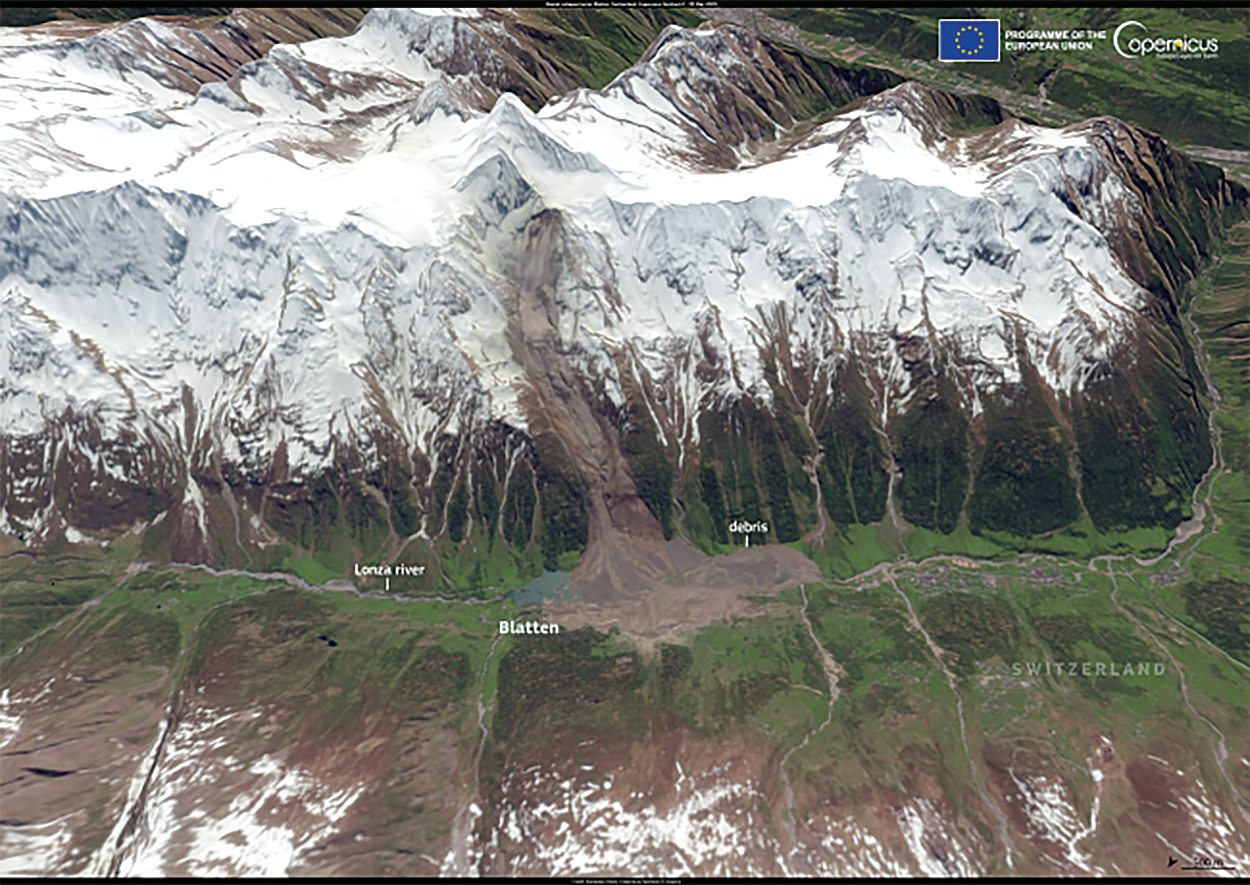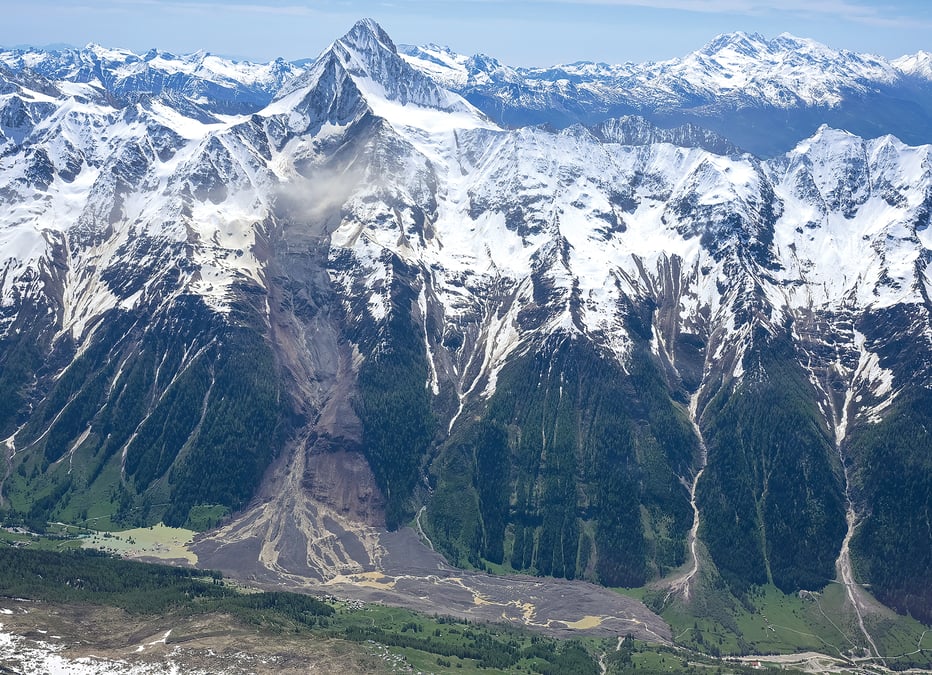
On the afternoon of 28 May, a massive glacier avalanche destroyed the idyllic village of Blatten in the Valais region of Switzerland. Footage of the disaster rapidly circulated around the world, sparking renewed conversation about the increasing instability of the mountain cryosphere and climate-related risks. The population of nearly 300 people had been evacuated a week prior due to concerns that unstable slopes above the glacier could trigger a catastrophic event. This is remarkable, and a testament to the value of hazard monitoring and anticipatory action. Shocked by the intensity of avalanche impacts and devastating loss, people struggled to comprehend the alternative: what if the village had been full?
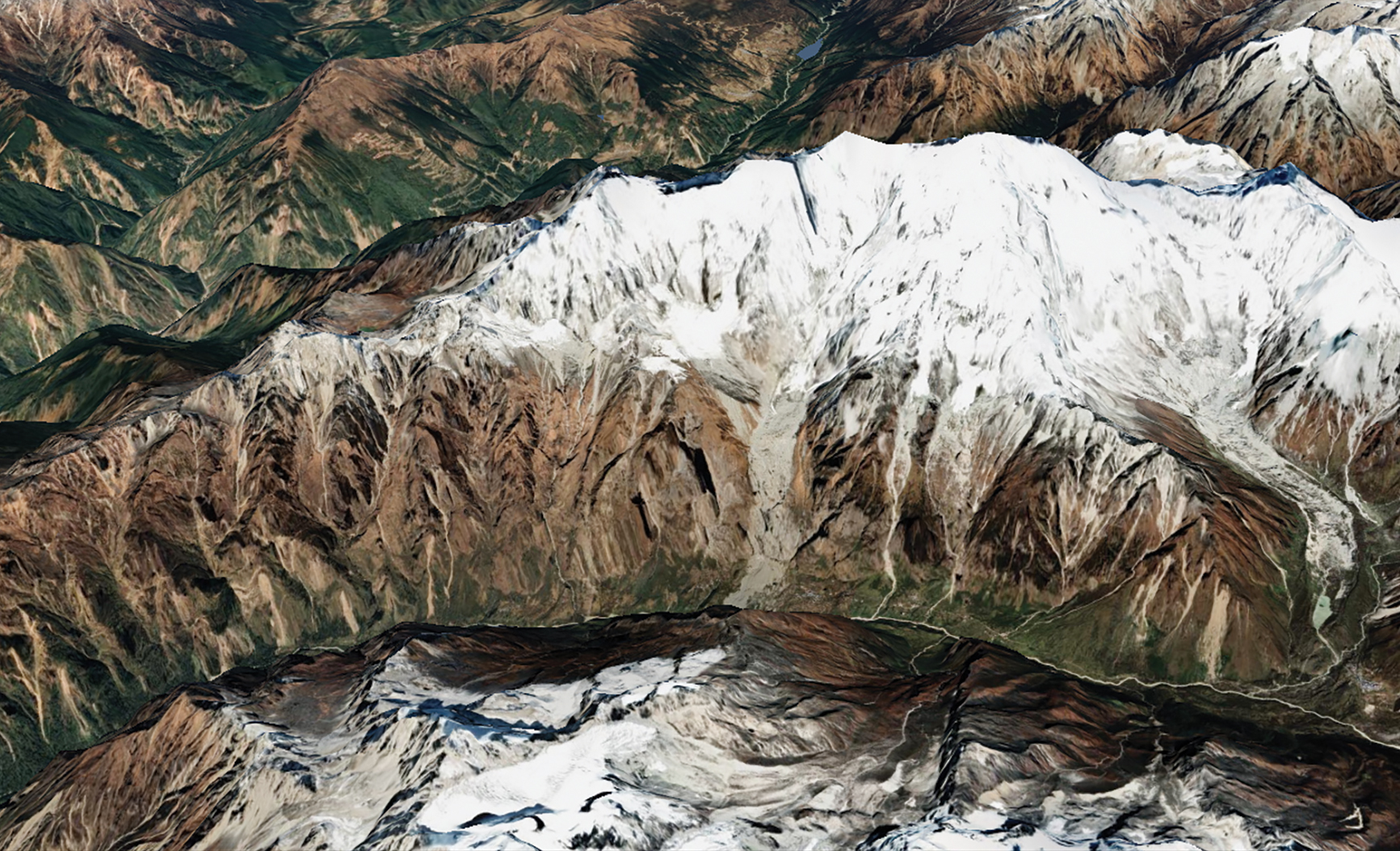
In Nepal, the people of the Langtang Valley, survivors of a massive glacier avalanche that killed over 300 people in April 2015, know exactly what it feels like for an entire village to be ‘wiped off the map’ in a little more than a minute. The avalanche that buried the village of Langtang was similarly catastrophic, as the avalanche fell over 3,000m and carried nearly as much force as the Hiroshima atomic bomb. Unfortunately, the people of Langtang had no warning.
While these two disasters are quite different, there are some important connections between them. As the world contemplates the threat of increasing climate-related glacier hazards and wonders if and how Blatten will rebuild, I would like to draw attention to the ever-present risk of similar disasters in the Himalayas, where the scale of the problem is (arguably) larger and resources are (inarguably) more limited.
As events like these become increasingly common, we need to build monitoring and early warning systems for all at-risk communities. We also need more comparative analysis of the ways mountain people make sense of climate-related risks, particularly around wicked questions like hazard zoning and resettlement or relocation. How do institutions determine where to invest in hazard monitoring and early warning systems? Who gets to decide where people can rebuild, what kind of risks are ‘acceptable’, or whose uncertainties matter?
As a survivor of the Langtang disaster and an applied anthropologist, this is not a thought exercise for me. I spent more than two years working with the Langtangpa community as a volunteer, and the last ten years conducting research focused on the aftermath of the Langtang avalanche and the ways people cope with disaster and climate risk in the Himalayan region. Since late 2022, I have been working with the Stimson Center to consider how we might build systems to assess and monitor the changing risks of cascading hazards in the Himalayan region. As the Swiss and a range of international organizations consider how they might provide warning for other Alpine villages living beneath glaciers, we need to expand the conversation to consider the many Himalayan villages that are similarly at-risk.
The question of climate causality currently haunts the Blatten disaster -- just as it has for other similar events in recent years, including the Langtang avalanche. While attribution is incredibly complicated, many scientists have already highlighted the ways that melting permafrost and loss of seasonal snowcover and glacial mass created instability in the overall system above the Birch Glacier on Kleines Nesthorn. Not all glaciers are receding. In Blatten, recurring slope failures had also been piling debris on the glacier slowly over the years, pushing the ‘glacier tongue’ forward and weakening its integrity – and this acceleration attracted attention and focused monitoring. A recent post from Christian Huggel, a leading cryosphere scientist based at University of Zurich examined these details and clearly stated: “Considering all these processes it would be absurd, ignorant or dishonest to state that anthropogenic warming has not played any role in the ice-rock avalanche disaster in Blatten. Interestingly, other scientists have indicated that “exact attribution is almost beside the point.” Tellingly, it took almost ten years for formal scientific recognition (see this Nature paper published in 2024) in part because it was seismically triggered, overshadowing the climate-related signal.That said, many Langtangpa highlighted these connections immediately after the disaster, as many are doing in Blatten right now. My friends in Langtang have spent the last ten years rebuilding their lives while wondering if another event of this magnitude might be possible.