Two Chilean musicians arrived in Nepal by chance just before the pandemic, but now they stay here by choice exploring the country’s vast musical diversity.
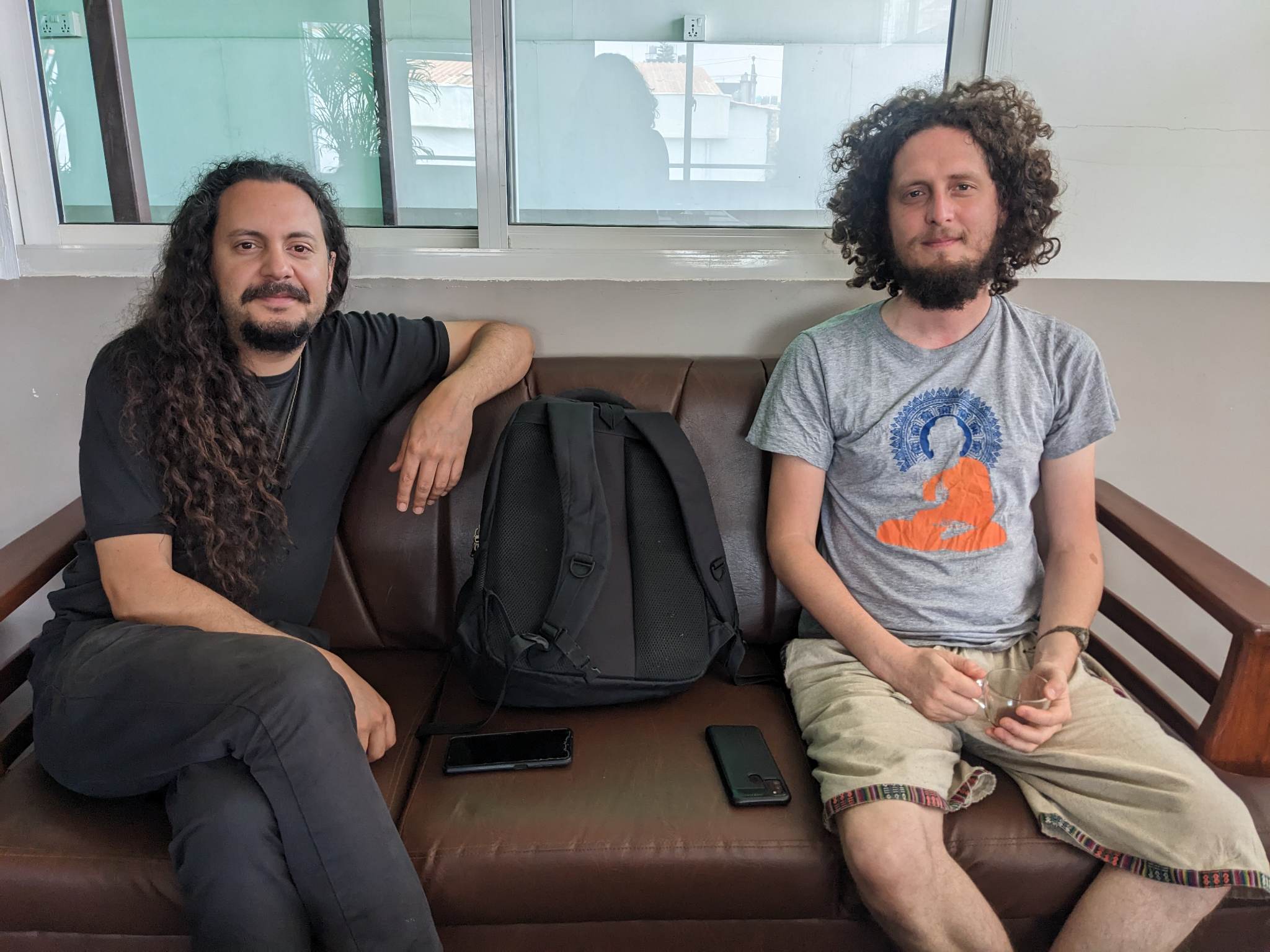
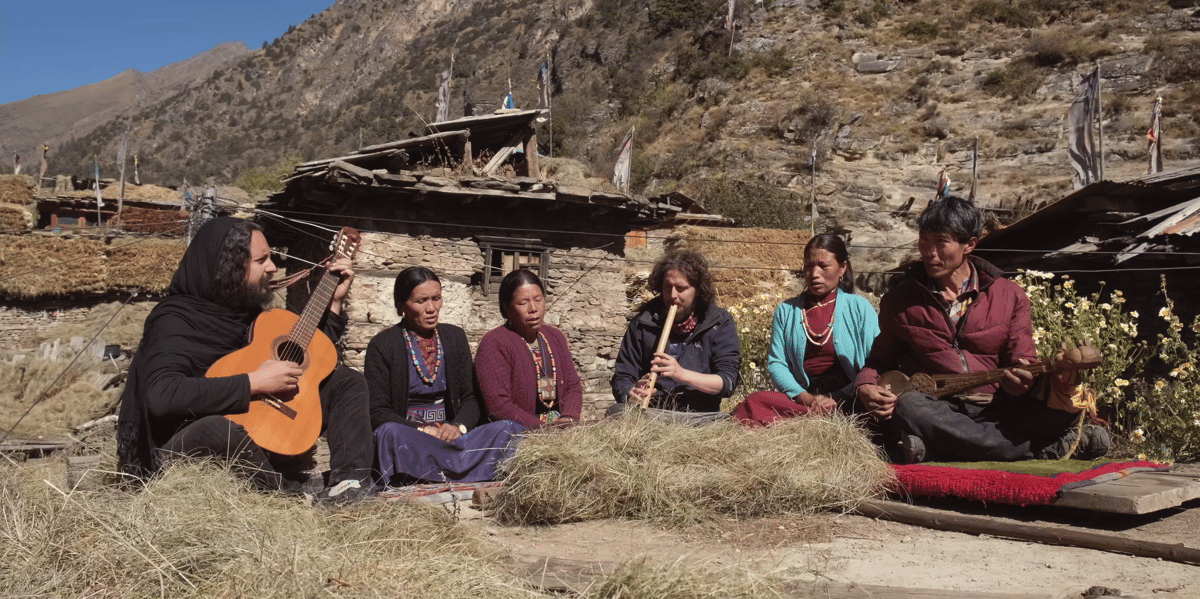
Thomas Carrasco Gubernatis and Moa Edmunds Guevera have found uncanny similarities between the traditional music of their native Andes and the Himalaya. They are now collaborating on the music of Pungmo, a remote Nepali village five days away by plane, bus, and foot from Kathmandu.
Tomas and Moa grew up listening to South American folk music, and then studied Western Classical music in Chile. But Tomas wanted to explore other kinds of music which took him first to Bulgaria and Turkey where he learnt local wind instruments, and then to Spain where he mastered Japanese flute.
Next, he wanted to go to India to learn 'raga music'. The two who were already playing as a duo, performing in concerts and recording songs landed in India in 2019.
Tomas started learning the flute at Hariprasad Chaurasiya's gurukul in Mumbai, and Moa was soaking in different kinds of music in the region. They went to Banaras to attend the Dhrupad Mela, found that they had to leave the country for some time due to visa regulations, and crossed the nearest border into Nepal.
In a few weeks Nepal shut down due to Covid, and the duo has been stuck here ever since. In Kathmandu, they started teaching music at Kathmandu Jazz conservatory and working with folk musician Jhuma Limbu on music based on Limbu mundhum.
Read also: The last of the Kusunda, Sewa Bhattarai
They also happened to meet Nepali-French videographer Eric Chandra Shrestha who told them about music from one of the remotest corners of Nepal which was on the verge of disappearing.
Back in the 1980s, Eric's mother Marina had come to Nepal from France to visit Dolpo. Because foreigners were not allowed to visit the area back then, she disguised herself as a local and managed to reach Pungmo. There she had taken a photo of a lama.
“When the lama passed away, the villagers had no photograph of him. Many years later, Semduk Lama from the village happened to connect with my mother. The photograph came up in conversation. My mother shared the photograph, and a link with Dolpo was established anew,” explains Eric.
Eric has always been interested in music, with a background in sound engineering video projects. Semduk Lama spoke to Eric of the rare songs in his village and Eric shared the story with Tomas and Moa. This got them excited to go to Dolpo to learn the songs.
Read: In Nepal, East meets West musically, Shrijan Pandey
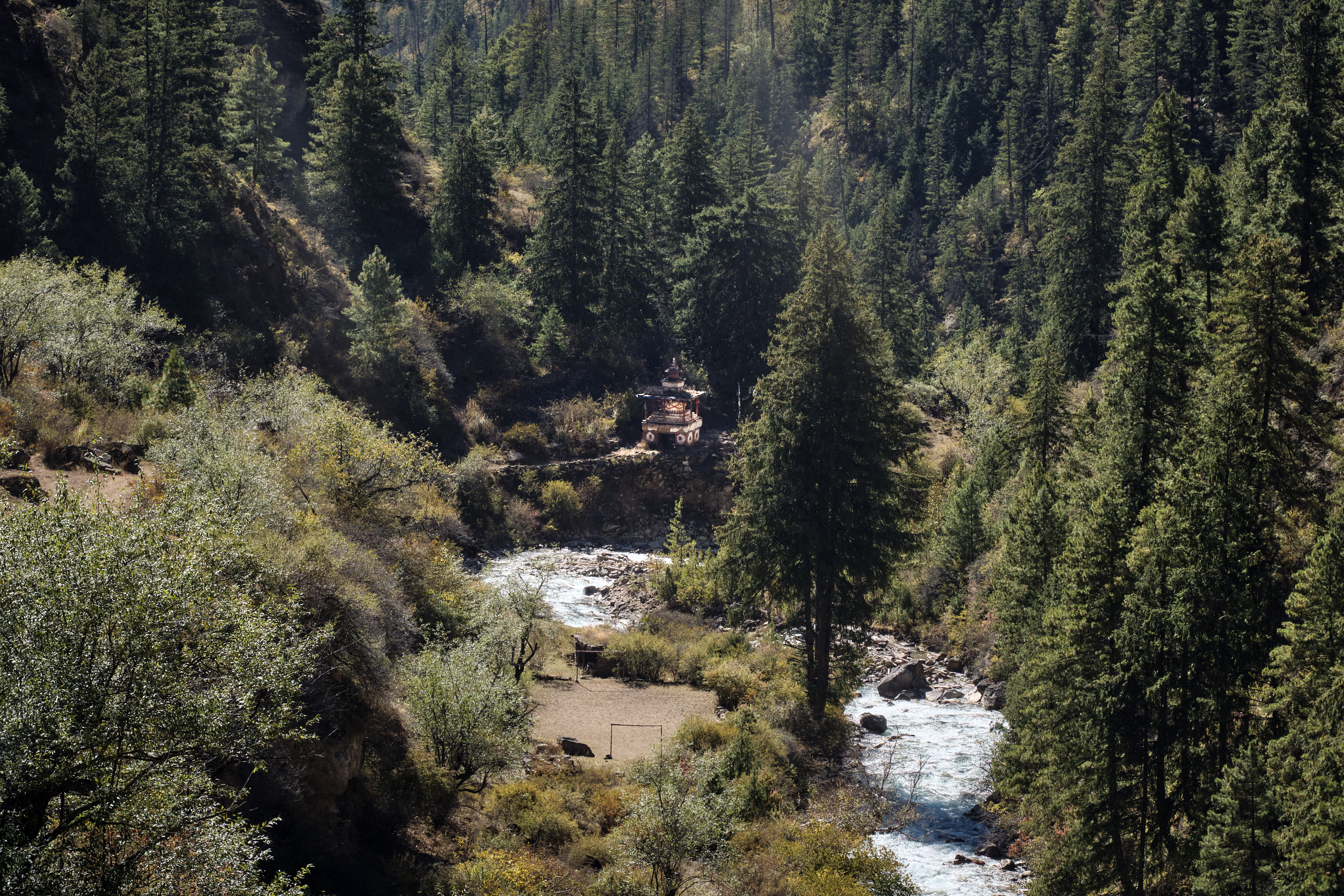
“Going to Dolpo is very expensive for foreigners. We have to pay special permit fees, and the plane fare is almost triple,” says Moa. So Tomas, Moa and Eric took the bus to Nepalganj which was a 24-hour ride. From there they flew to Jufal airport, and then walked two days to reach Pungmo.
Eric, who has been trekking in Nepal since he was a child, was used to walking, but the Chileans were not. “It took us two days of walking five hours each. The locals complete the journey in a day. I had only heard about places which can only be reached on foot. It was very strange to experience it myself,” says Tomas. Moa on the other hand had lived all his life near the sea.
At the beginning, it was difficult for them to work. Everything needed double translation. The villagers spoke in local language, someone translated that to Eric in Nepali, and Eric translated it in English to the Chileans.
Moreover, they had reached the village just before winter set in, which meant that the villagers were out working in the fields for 10 hours a day, gathering supplies for the winter. Understandably, they were too tired to sing for the foreigners in the evening.
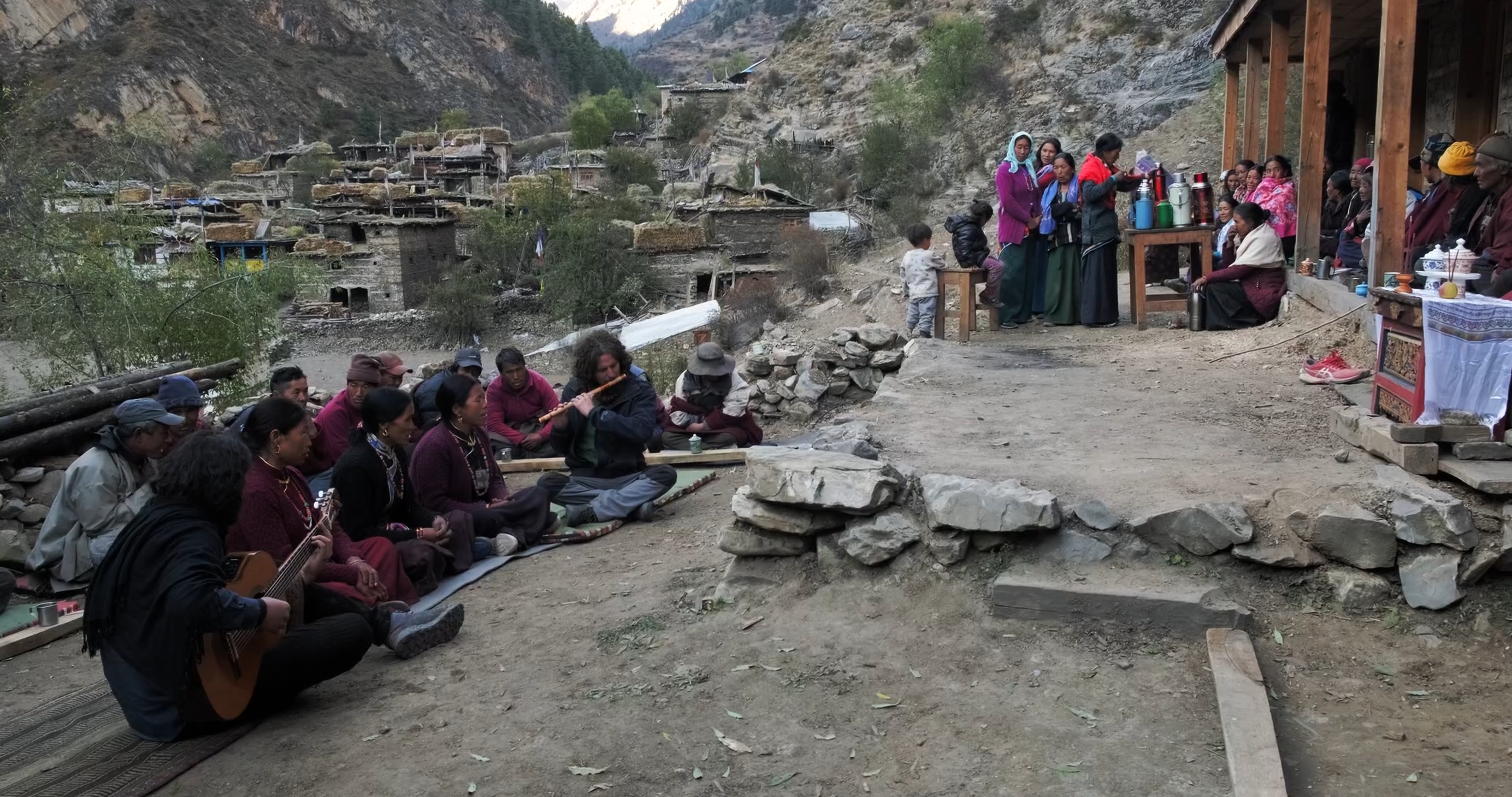
But slowly the villagers opened up. They would sing a song in the evening, and the next day Tomas would convert it to musical notation, and Tomas and Moa learnt the melody.
Read also: Nepali folk songs move beyond love and loss, Reeti K.C.
“The next day we played the song back to them on our instruments. That pleased them and they taught us more songs,” recalls Tomas. “On the last day we had a party and sang and played with each other. We hastily constructed a make-shift studio and recorded some songs. Other villagers came, lamas from other villages came, and people danced all night.”
Away from home, the music of Pungmo reminded the Chileans of South American music – Tomas compared it to the music of the Andes and Moa to the music of his father's native Easter Island.
“Although you can find similarities in all kinds of music, the way some notes and melodies were used reminded me of South American music,” says Tomas.
According to Semduk Lama, a Pungmo resident and music conservationist, people from upper Dolpo used to spend the winter in the village because despite being at a high altitude, it is not as cold as upper Dolpo. “But nowadays people from the upper regions spend the winter further down in the hills or Tarai, so Pungmo has lost footfalls. We continue to stay at Pungmo in the winter,” he adds.
Welcome to the first, second and third months of the spring season
When livestock give birth
We get to have milk and yoghurt
And it is so pleasant and enjoyable
Good wishes to the spring season
Welcome to the first, second and third months of monsoon
When flowers bloom on the hills and forests
And we don't need to pick flowers to offer to gods
It is so pleasant and enjoyable
Good wishes to monsoon season
Welcome to the first, second, and third months of autumn season
When the crop in the fields is ready to harvest
Then we have plenty of grains and do not need to buy
It is so nice to eat
Good wishes to autumn season
Welcome to the first, second and third months of winter season
When the water in rivers freezes over
And we do not need bridges, it is so easy to walk
Good wishes to winter season
Read also: Eastern melodies in Kathmandu, Sewa Bhattarai