
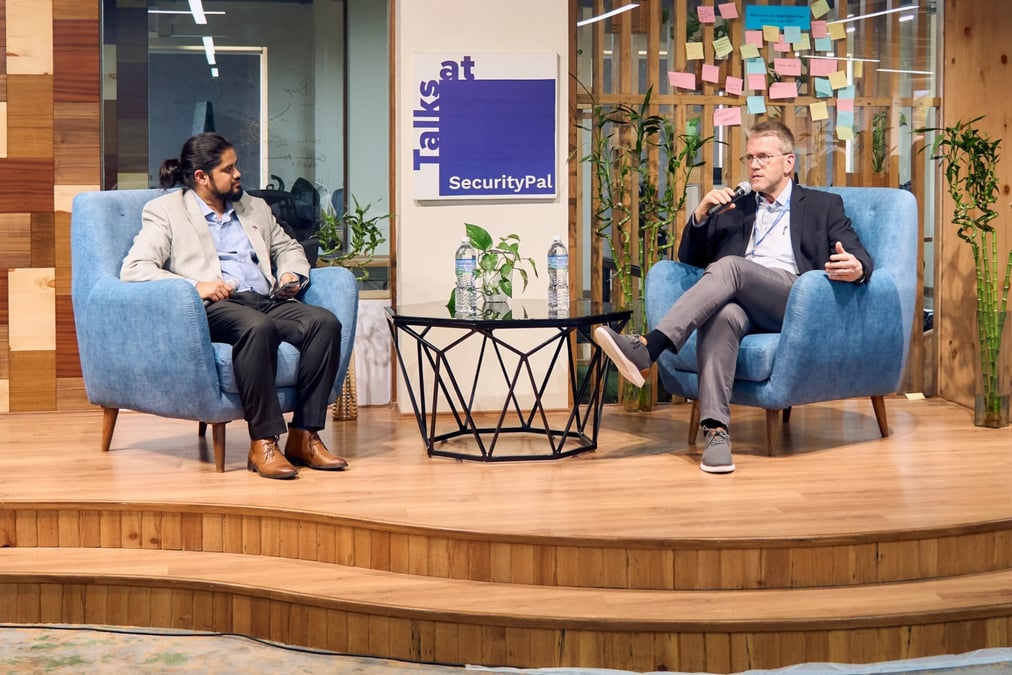
Pukar C Hamal looks out onto the Bay from large windows of his company’s headquarters on the 37th floor of the Salesforce Tower in San Fransisco, and considers how far he has come from his small village in distant Darchula district in Nepal.
At just 35, Hamal is the founder and CEO of SecurityPal, a $105 million company specialising in cybersecurity and security assurance for multinationals in the United States and around the world.
Hamal’s grandfather Ram Chandra was an activist in Darchula for voting rights during the absolute monarchy era. His father Harish Hamal came to Kathmandu, where Pukar was born in 1991. His mother, Sunita, took him back to Darchula where he grew up. Their rural village in Nepal’s most remote district had no electricity, and travelling to Kathmandu took a week — walking over to India to take a train and bus.
Hamal remembers doing his homework in the flickering light of a sooty kerosene lamp. He was seven when his family moved to the United States in 1998, and in the New York borough of Queens his father worked in restaurants and his mother at a childcare centre.
“We lived in a damp windowless basement apartment with little natural light,” recalls Hamal, who had a penchant for science in school and won many awards.
At Stanford University he majored in International Relations and was exposed to Silicon Valley’s venture-capital ecosystem of startups, technology, and philanthropy.
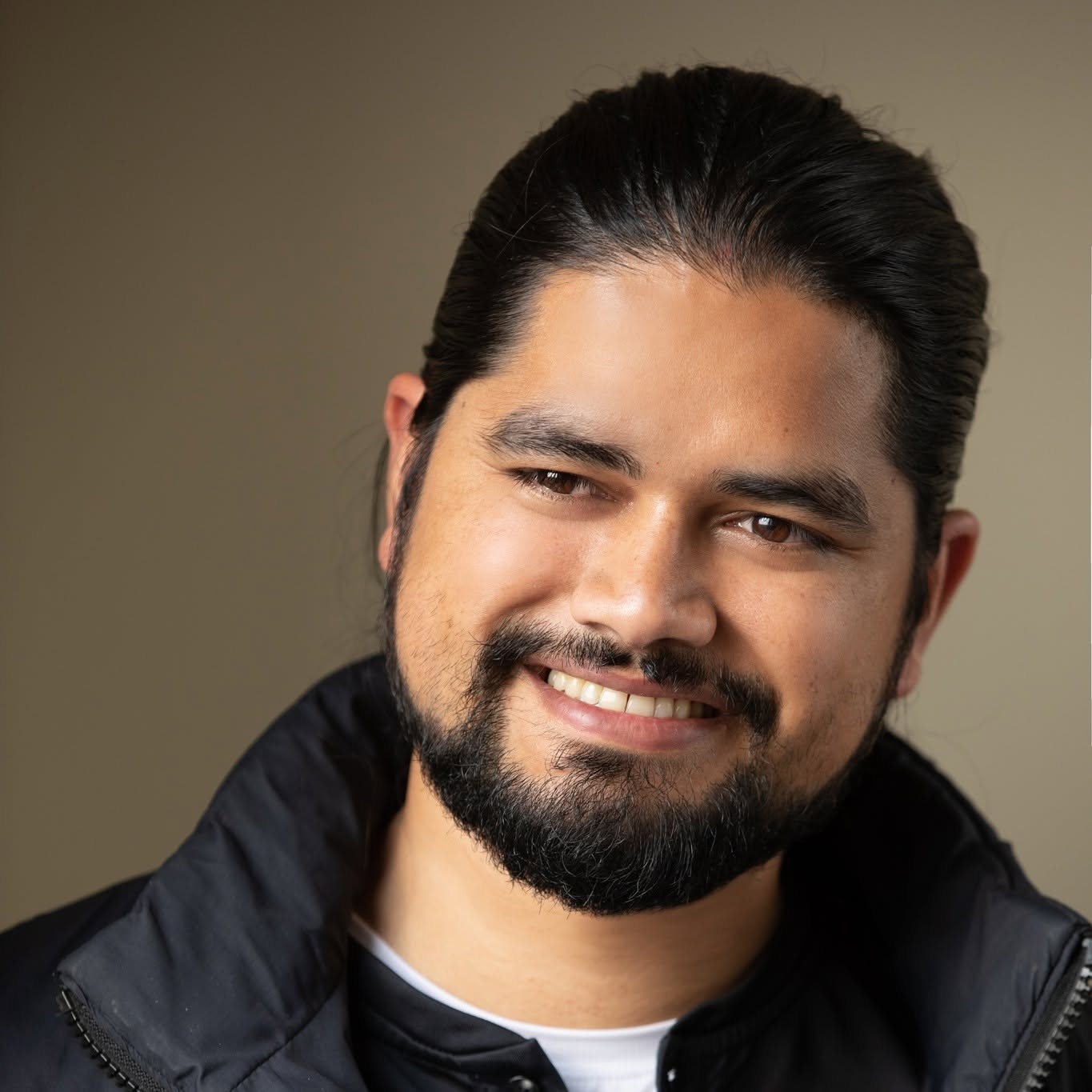
He later joined the accounting firm PwC, working in government affairs and regulatory matters, and had an economic liaison role related to Taiwan at the intersection of technology, business, and public policy.
He started specialising in cybersecurity and in 2016, and joined friends to launch Teamable, an talent discovery platform that helped companies find candidates through networks and connections using AI before it became as widely available as it is today.
One day, when the company was close to signing a major customer, it received a security questionnaire that ran to more than 200 pages. The team could not complete the security review in time, and the company lost a $5 million deal.
It was a painful failure for Hamal, but also a turning point which planted the seed that would become SecurityPal.
“Companies trying to do business with large enterprises often face lengthy and complicated security reviews, compliance requirements and questionnaires, and SecurityPal solved that problem,” Hamal explains.
After spending two years in “stealth mode” quietly developing the technology and business plan from an apartment in San Francisco, Hamal raised $21 million in venture capital with a single 20-minute phone conversation with an investor.
Since then, SecurityPal has grown at an extraordinary pace, providing cybersecurity assistance to 1,000 clients, including some of the world’s best-known technology and Fortune 500 companies.
REMEMBERING NEPAL
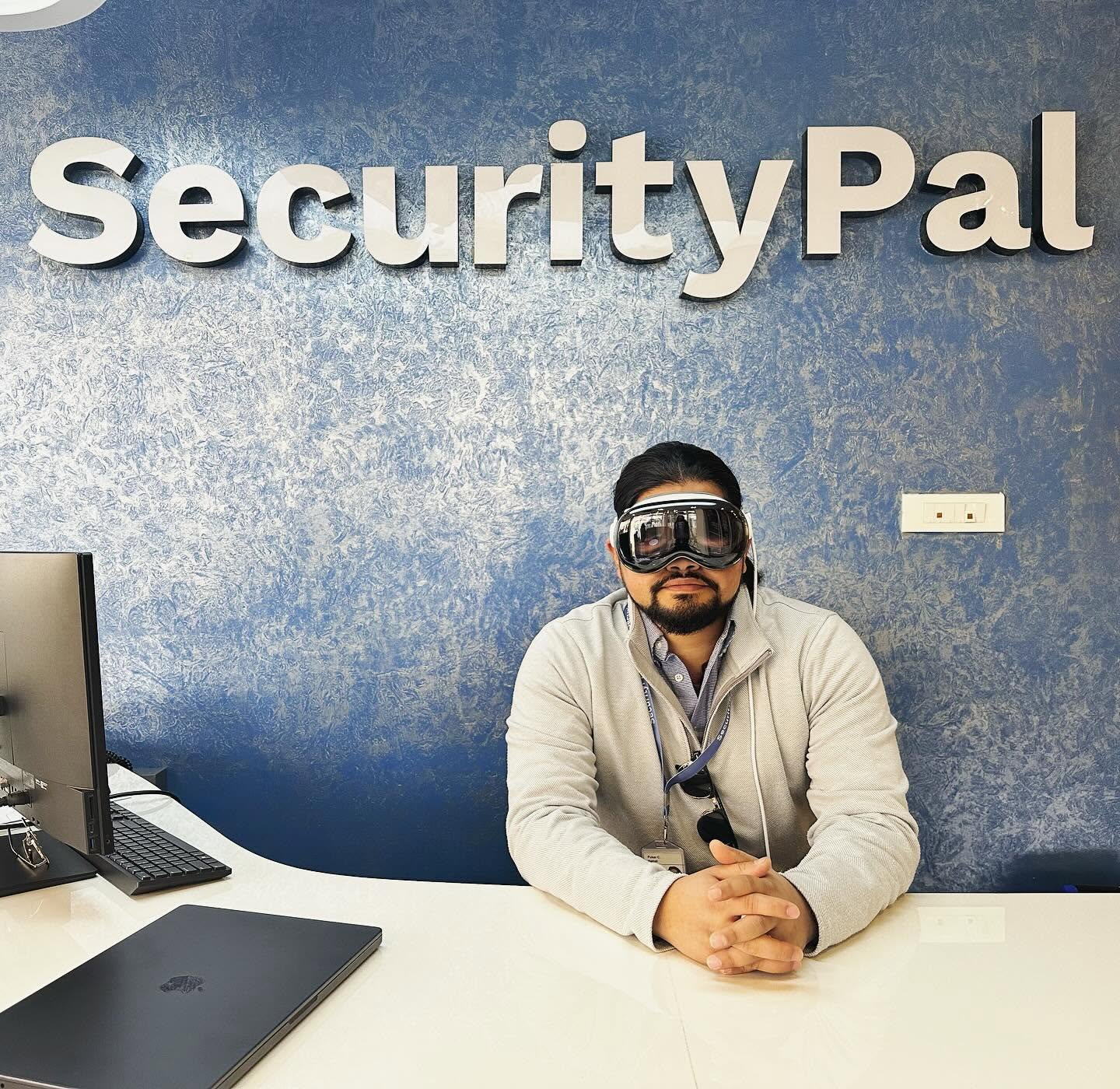
Pukar C Hamal says he still feels a tug from his Nepali roots, and SecurityPal opened its Security Operations Command Center (SOCC) in Kathmandu, which was jointly inaugurated by US Ambassador Dean R Thompson and himself.
The Kathmandu operation now employs more than 210 Nepali cybersecurity experts who work with global companies and support their technology and security requirements.
“We do not view Kathmandu as just an outsourcing destination,” says Hamal. “It can become a centre for technology entrepreneurship, not just a labour market.” Founded in Silicon Valley, SecurityPal is now scaling what Hamal calls “Silicon Peaks.” For him, it is a sense of responsibility to give back at least a little to the country of his birth and of his ancestors.
“Nepal is not our market, but we want to invest there to help build its technology ecosystem,” he says.
The 29 January 2025 issue of Forbes published a daily cover story featuring SecurityPal. Hamal is also a member of the Forbes Business Council, where he regularly publishes articles on AI, cybersecurity, compliance and business strategy.
Filling client questionnaires can take weeks in-house, but SecurityPal can help companies with compliance questions much faster by using AI to take care of repetitive questions, while people focus on issues that actually require human judgment.
Says Hamal: “AI isn't perfect, and this is why we have purpose-built, trained experts to oversee it.”
SecurityPal has been able to complete some lengthy security questionnaires within 24 hours, slashing the time companies take to complete their security review process.
SecurityPal manages assurance workflows connected to more than $10 billion in enterprise contract value each month and its customer base includes OpenAI, Figma, MongoDB, Airtable, Snap Inc, Grammarly, and Monday.com, among others.
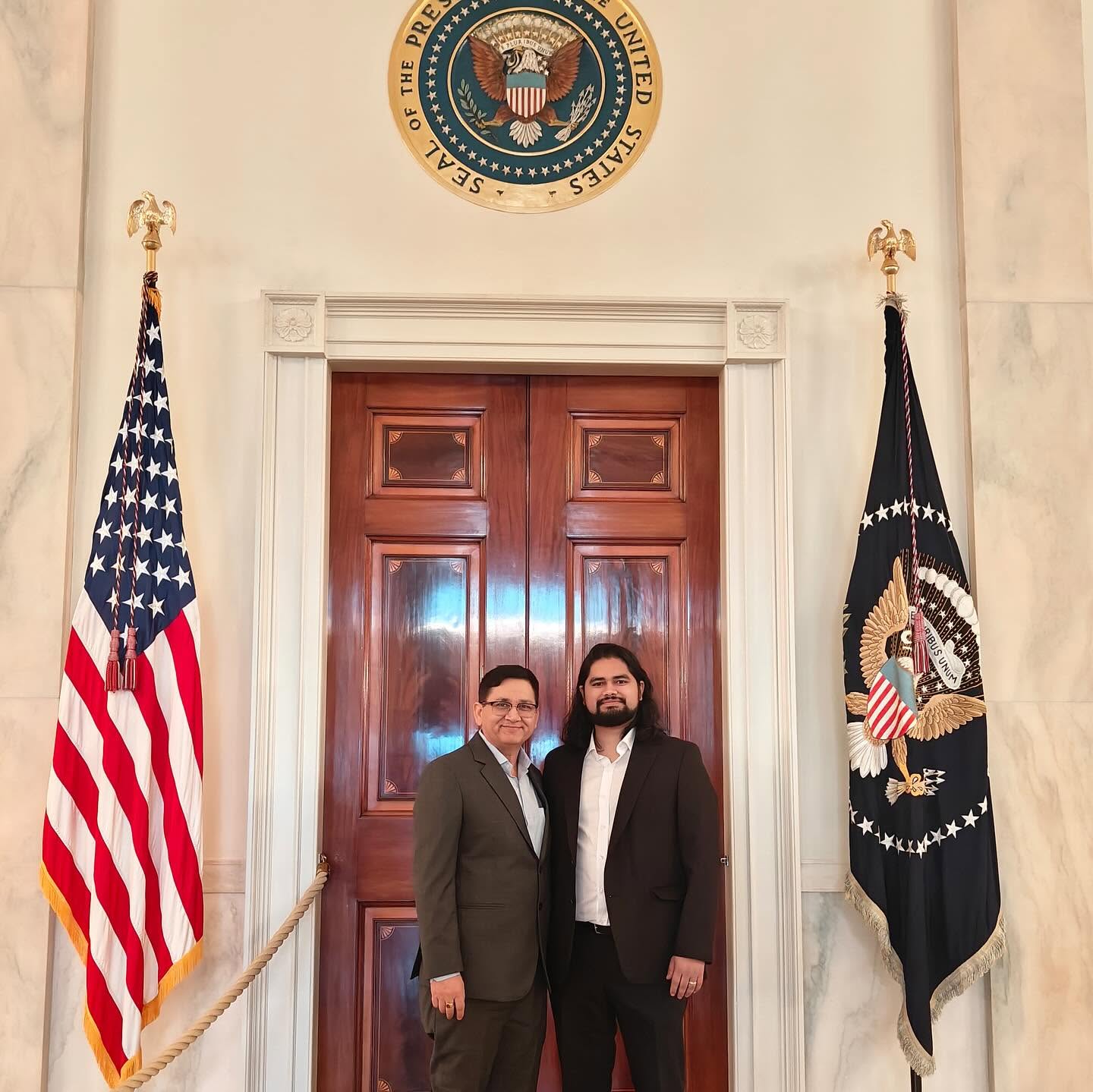
Pukar Hamal thinks Nepal itself has not taken cybersecurity vulnerabilities as seriously as it should. “Instead of waiting for a cyberattack to happen and then reacting to it, it is essential to put strong security measures in place beforehand,” he says.
Hamal says size does not matter for countries adopting technology, what is more important are policies and implementation. Nepal’s IT and digital services sector is growing rapidly, particularly in software development and IT services exports.
He thinks Nepal should look beyond its geographical size and make cybersecurity, AI, cloud computing, software and digital services exports a central part of its economic strategy.
Having founded SecurityPal with $30,000 of his own savings and started out from his small apartment, Hamal now oversees a company valued at over $110 million, and much of the work is done from its ‘Silicon Peaks’ office in Kathmandu.
“Silicon Valley is the capital of some of the world’s most influential technology companies,” Hamal says. “We are trying to bring a little of that soil to Nepal’s Silicon Peaks.”