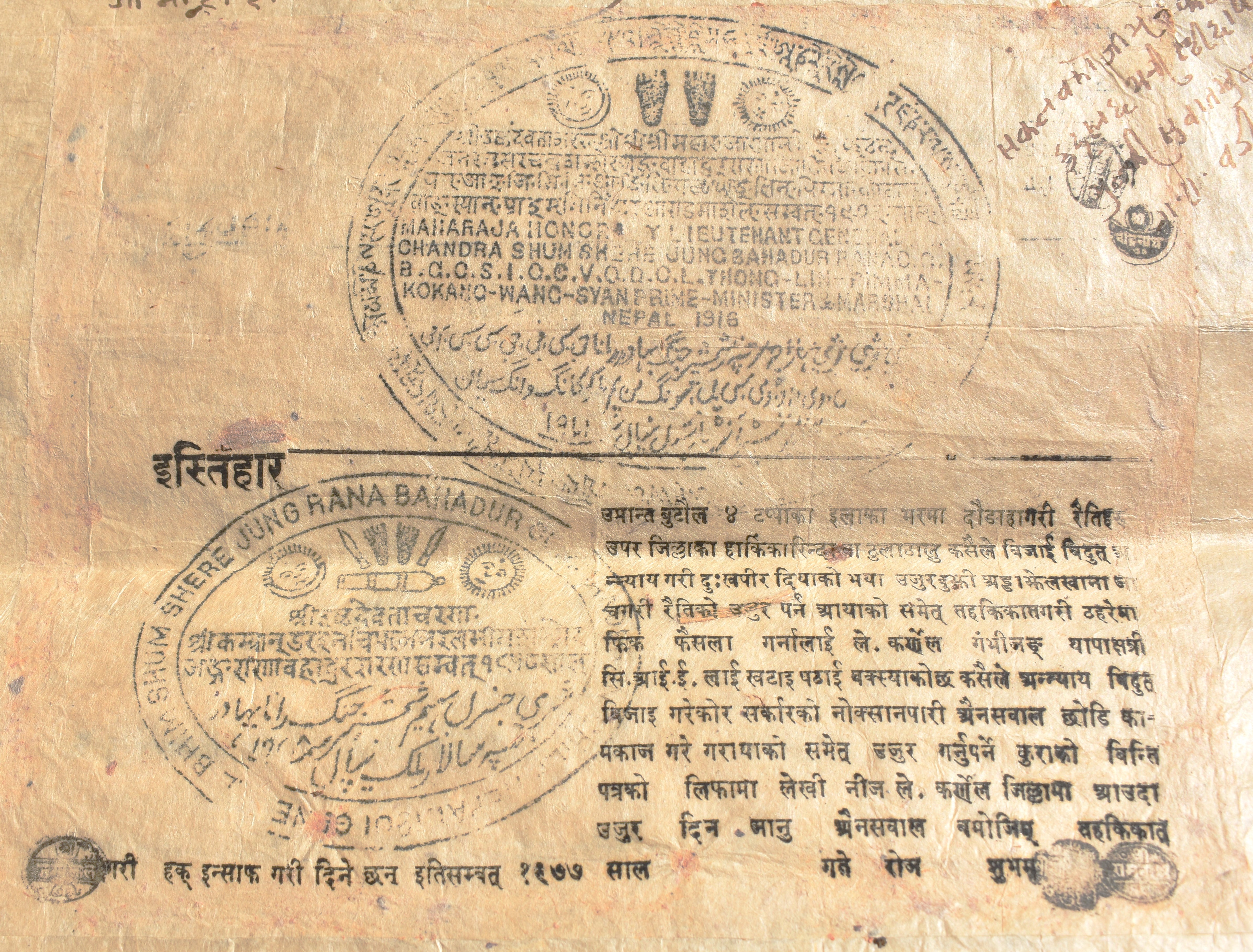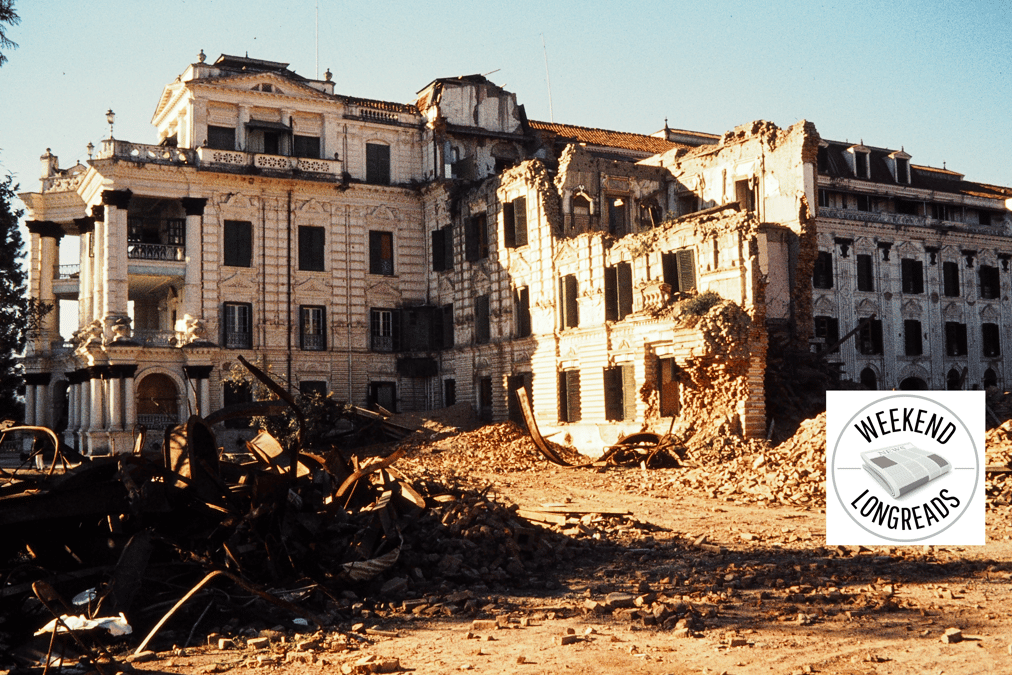
In 1974, I was in Nepal conducting research for my PhD thesis on the country’s bureaucracy from 1850 to 1950. Tribhuvan University approved my research project and wrote letters on my behalf to government officials.
Since I had taught as a Peace Corps volunteer here from 1966-1969, I could speak and understand basic Nepali and had some knowledge of the culture and bureaucracy. But I was hardly prepared for the bureaucratic obstacles to study the bureaucracy of the Rana era for which I needed access to original government records.
The records I sought were held by Goswara Tahvil (GT), an office under the Finance Ministry. Its Hakim reported to the Accountant General (AG). The AG reported to the Joint Secretary, who reported to the Secretary, who reported to the Minister of Finance appointed by King Birendra. At that time, many of His Majesty's Government (HMG) offices were located in Singha Darbar, and one could enter that vast building without an ID, wander its dark halls at will, casually look into an office, and, showing proper deference, often be ushered in to meet an official without a prior appointment.
Some months after beginning my research, I heard there was a collection of historical documents held by Goswara Tahvil. It took me six months to obtain permission to access those records useful in writing my thesis. Fifty years later, I wonder if the bureaucracy has changed very much: Nepali readers will know better.
6 March, 1974: An elderly former civil servant informs me a collection of old government records is stored at a former Rana residence in Patan. I go to GT to meet the head and inquire about these records. Offices open at 10 o’clock, but I never go to meet government officials before 11. The Hakim is not there.
11 March: I return to GT. Again, the Hakim is out.
13 March: I meet the Hakim, and he allows me to copy from a panjika or general list of the records I seek. He says the Accountant General can give me permission to read the records. I go to the AG’s office in Singha Darbar. He is out.
14 March: I go to see the AG. He is not in the office.
15 March: I write a letter to the Finance Ministry (enclosing copies of my sponsoring letters from Tribhuvan University and the University of Chicago) asking permission to see those records.
16-30 March: I am away from Kathmandu.
1 April: I plan to go meet the AG only to find out it is a government holiday.
2 April: I locate my application in another office (Mal Pot) of the Finance Ministry. Someone there had initialed my letter of request, but the office director quotes a rule that no documents could be shown to me without an order from his superiors. He promises to resubmit my file. I meet the AG. He says he will need a letter from his superiors. I locate the office of the Joint Secretary, who immediately rings up the two officials I have talked to today.
3 April: The president of France died, so for the second time in four days it is a government holiday.
5 April: I meet the AG and write an application to see the documents. I affix a 1-rupee stamp to comply with the regulations. He promises me a letter on the 8th.
8 April: I meet the AG. He says approval has been given, but he has not yet received authorisation.
10 April: The Hakim allows me to see some records in his office but points out that in my application I wrote that I wanted to 'look at' the records, but had said nothing about 'copying' them. Therefore, he must seek clarification. There are no photocopy machines available, nor can cameras be used. Laptops and scanners have yet to be invented. Records must be copied by hand.
11 April: I meet the AG. He says he has submitted my application but has received no response.
12 April: I go to GT. I can’t write in Nepali so I can’t copy records by hand in Nepali. The Hakim says he will have to check whether I am allowed to have my research helper copy documents.
15 April: I call the AG by phone regarding the documents stored in Patan. He still has not heard anything, and in the midst of our conversation the phone line goes dead. Back at the GT, my helper can copy parts of the documents as long as I sign at the top and bottom of each page of material he writes in my notebook. This is progress!
18 April: I meet the AG in Singha Darbar and just have a friendly chat with him to try to win him over. I tell him I hope he can visit me in America some day.
21 April: I decide to go again and talk to the Joint Secretary in the Finance Ministry. He is out. I return after lunch. He is still out.
22 April: I meet the JS. He says my file is at higher levels, but I can look at the records in Patan. I go to GT. The Hakim won’t be back for a week. His assistant says they have received no instructions but that the AG can give me permission.
23 April: I meet the AG and tell him I’ve heard he could give me the necessary permission. He promises to do so by 1PM tomorrow.
25 April: Another president of a foreign country died, so again government offices are closed.
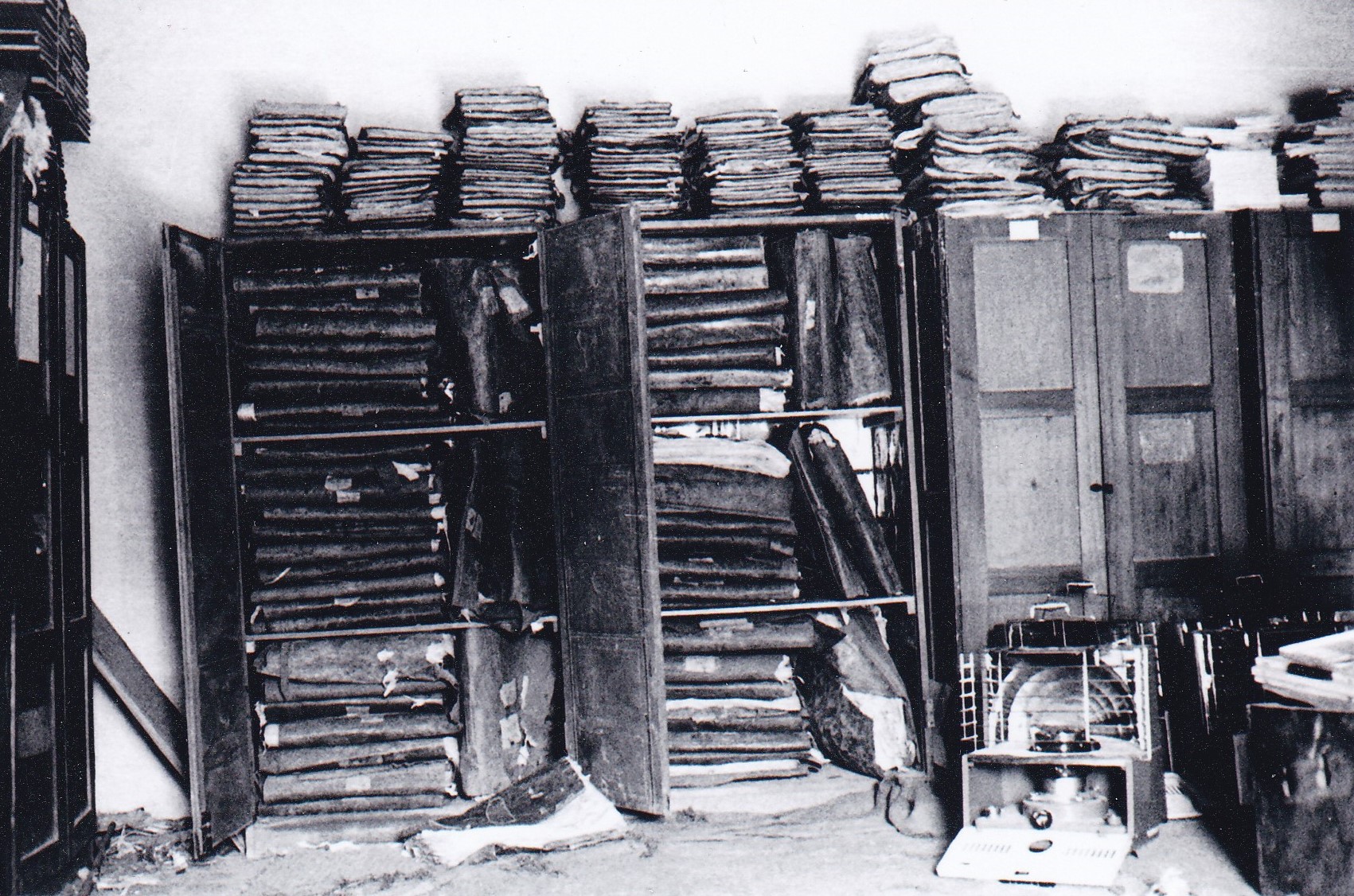
26 April: The records I seek are stored about three miles from the GT office. I hail a taxi, and an office piun with keys rides with me. He opens the door to a large room which is full of several hundred cloth sacks (poka) piled on top of each other. I step onto a pile and pull out some sacks, on each of which is written a year that identifies the date of the documents inside. I untie some bundles; I suspect documents in the bundle marked 1957 (1900 AD) have not been consulted since they were copied 74 years ago. Some groups of records are identified, such as 'West No. 2, 1942' (1885 AD), but none has an index. Other records are rolled up like scrolls and tied with string. All the documents are handwritten in Nepali on strong, locally-made paper. Most are amazingly well preserved. However, much of the handwriting is illegible or difficult to read. I am not permitted to copy anything, but do note down some sacks that may contain material of interest.
29 April: I go again to the record warehouse near Patan, but by noon no one has come from the main office to unlock the door. My helper goes to GT to find out the problem and returns with the news that since I have asked to look at so many bundles, they cannot let me look at any of them. They need an official order to do so.
5 May: I go to GT after lunch. The Hakim is out. I never know whether he has come in and gone out on an errand and will return; whether he has come in and gone home for the day; or whether he has not come to the office that day and has no intention of doing so.
7 May: I go to GT. The Hakim says I must bring him a written order and that the AG and Joint Secretary should not make verbal requests of him.
9 May: I ask a Research Section Officer at Tribhuvan University whether the government has a policy on making its historical records available to bona fide researchers and why he thinks I’m having such difficulties. He offers to write a letter on my behalf and submit it to the Finance Ministry.
12 May: I leave a letter at the University explaining what records I want to see and ask the University’s assistance in obtaining the necessary permission.
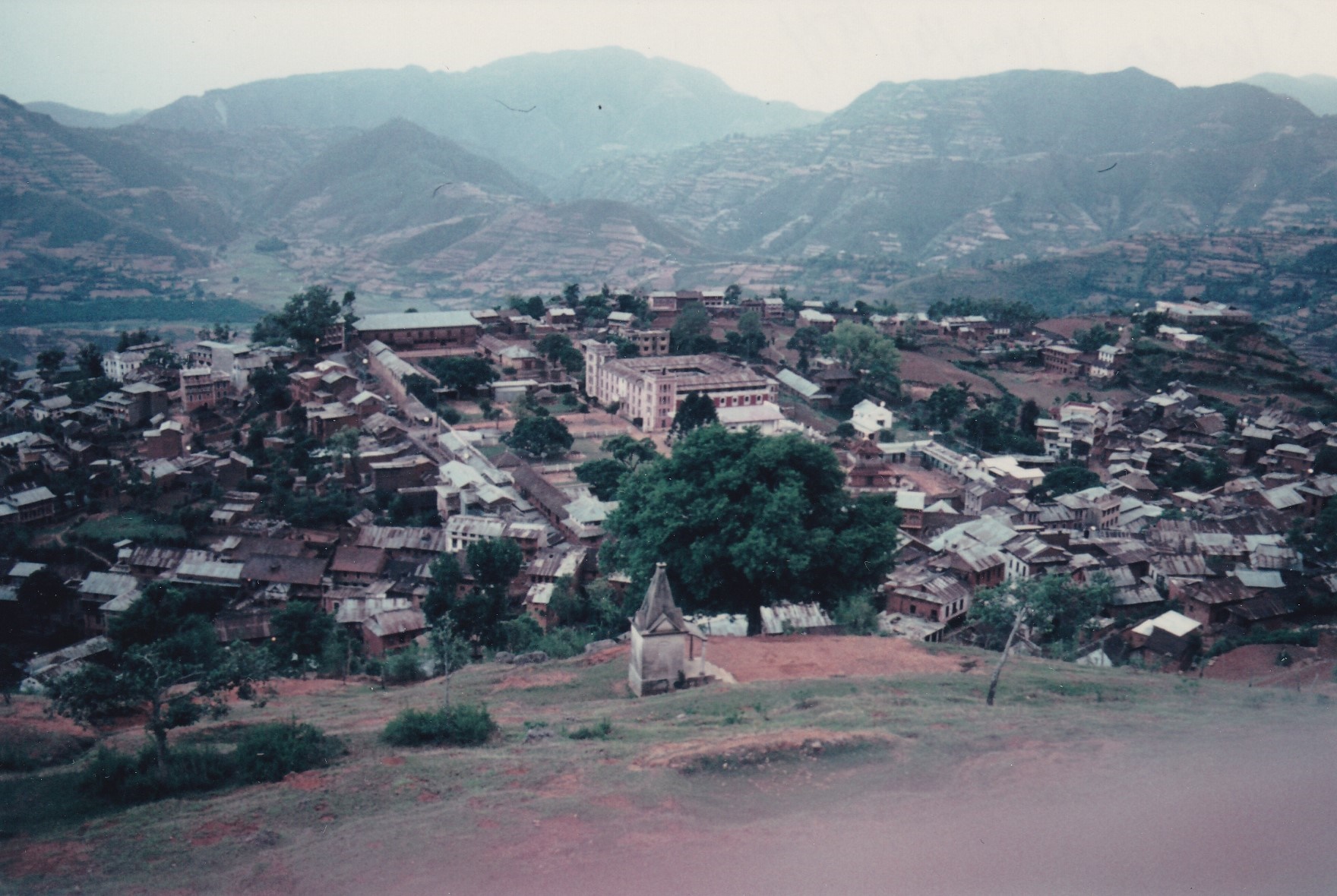
14 May to 18 June: I am in Tansen, Palpa, previously governed by a Rana Bada Hakim, to search for old government records. The Chief District Officer (CDO) is a friendly, educated young man who has traveled abroad and understands what research is all about. He immediately gives me permission to look at all the historical records, including the Adalat (Court) and Revenue (Mal) offices. Aware of the CDO’s blessing, other local officials are very cooperative and welcome me into their offices.
I engage an elderly man to copy records for me. He lives in Tansen, worked for years as a bahidar, and can easily decipher and understand the documents. He sits by the hour and labouriously copies the material I put before him. I know he is pleased that a foreigner values his ability and knowledge of an era that most younger Nepalis know little about and dismiss as the 'Dark Ages'. To demonstrate his personal loyalty to me and his gratitude for his temporary employment, the scribe addresses me using high honorific forms of speech (sarkar and baksinu) and follows respectfully two steps behind me as we go to visit the other town offices. After my struggles in Kathmandu, I feel I deserve some sycophancy.