At a time when the availability of wi-fi determines the quality of communication we have with people near and far, it is difficult to fathom what life would have been like in the isolated regions of the Himalaya where the closest motorable road was as far as a week's walk away.
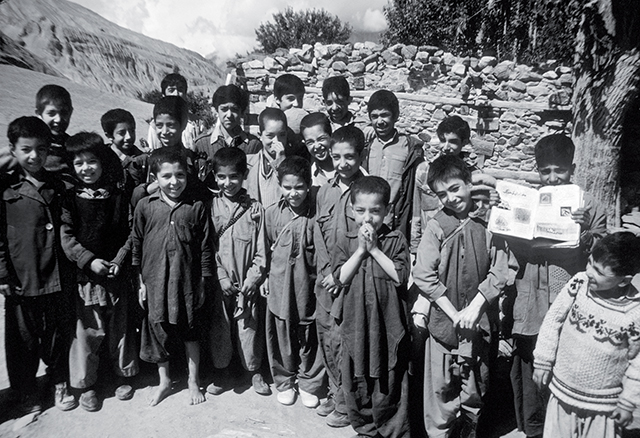
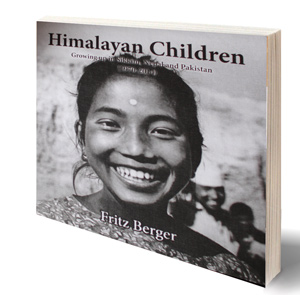
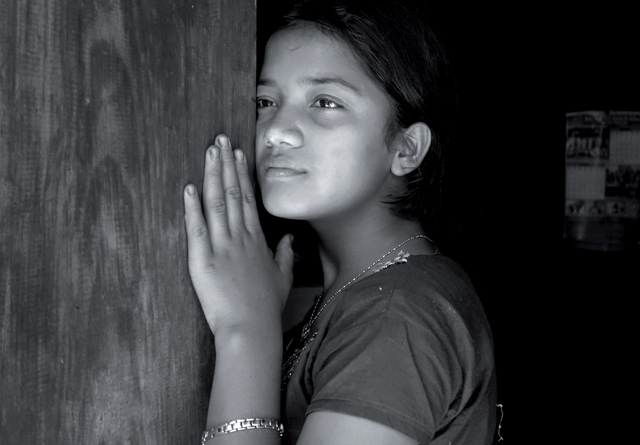
Until the 1970s, the lives of the people of the Himalaya remained distant and isolated from the mainland. In Himalayan Children, Swiss development worker and photographer Fritz Berger has documented children growing up in Sikkim, Nepal and Pakistan from the 1970s until 2014, and in doing so helps bring us closer in time and space to their realities. The images transport us back to the innocence of an era before roads and smartphones.
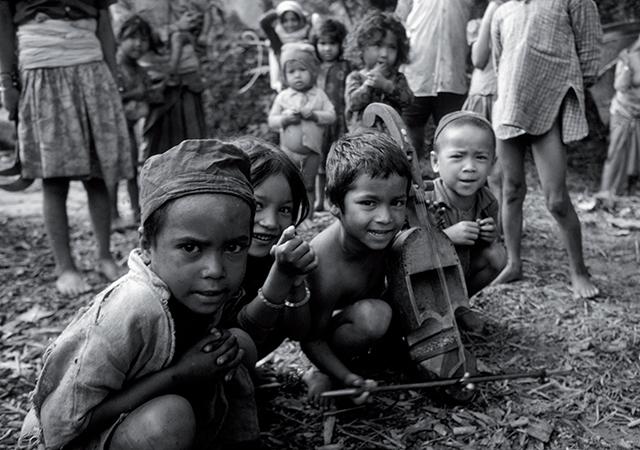
‘I photographed my own children too, but photographing local children has turned out to be a more interesting passion for me. These children appeared very new, unusual and colorful to me,’ writes Berger in the introduction to his recent release, a collection of black-and-white images ranging over four decades.
Much like his previous book, In the Shadow of Gaurishanker (2014), a pictorial comparison of Dolakha from 1973 to 2011, Himalayan Children is a photographic flashback, and is informative and endearing. As photographer and documentary filmmaker Robert Frank would have put it, Berger’s work ‘contains the humanity of the moment’.
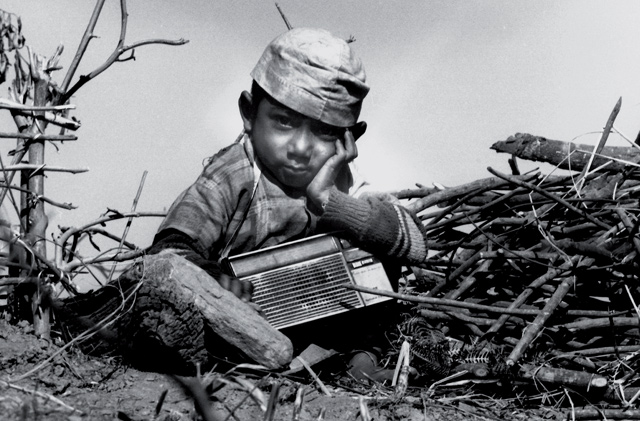
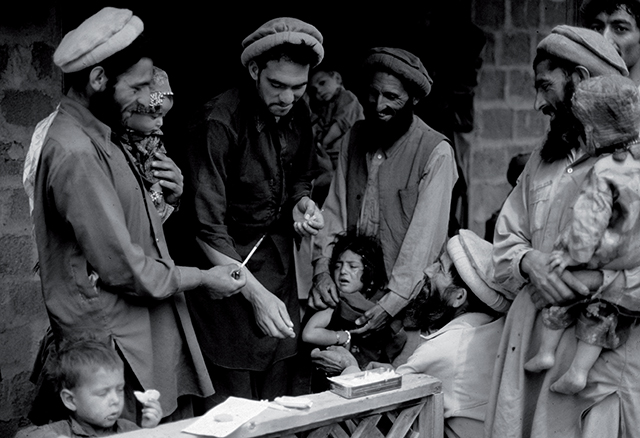
The book is neatly chalked out into sections and comes to resemble a visual journey of children across borders, right from their birth to their advancement into adolescence. In addition to reflecting on the lives of the children and their assimilation into their surroundings, his pictures highlight the inherent cultural and social practices that are prevalent in the region. Where women from Nepal and Sikkim are photographed alongside their children, all but one photograph of children in Pakistan depict them with their fathers. Fathers play an important role in the lives of their children, especially in public.