Another deadly crash has once more highlighted the dangers of flying in Nepal’s challenging topography during the monsoon.
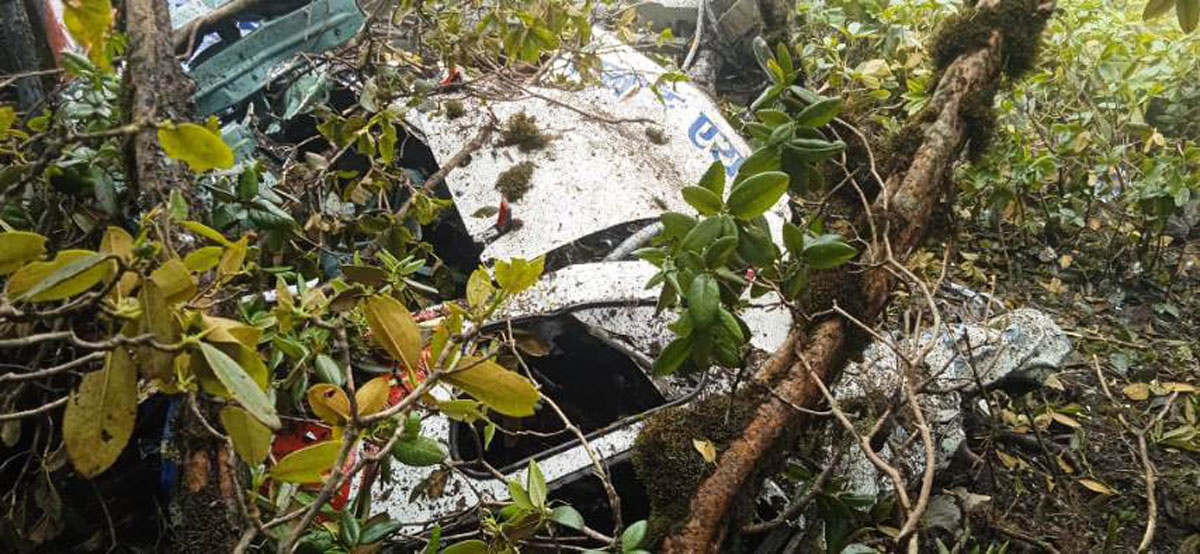
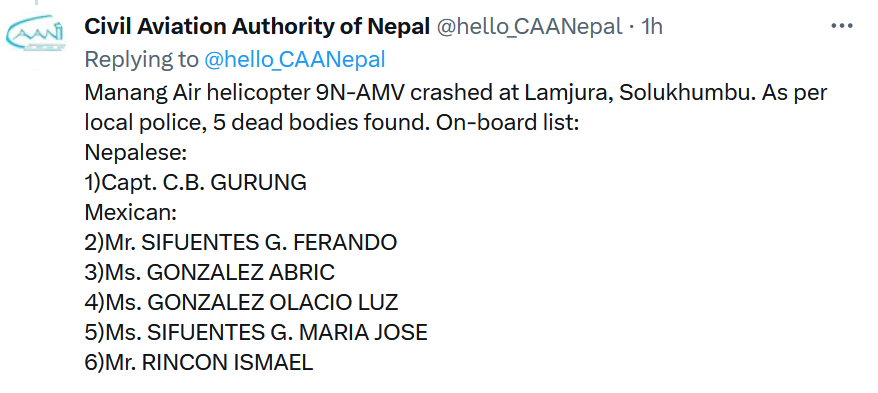
Five Mexican tourists and their Nepali pilot were killed on Tuesday morning when the Airbus H125 belonging to Manang Air crashed in a flight from Surke to Kathmandu amidst overcast monsoon skies. The wreckage was found on Lamjura Pass at an altitude of 4,200m at the foothills of Mt Everest.
The five Mexican tourists were all from one family. Father, mother, two daughters and a son. They had come to Nepal to do a sight-seeing flight of Mt Everest.
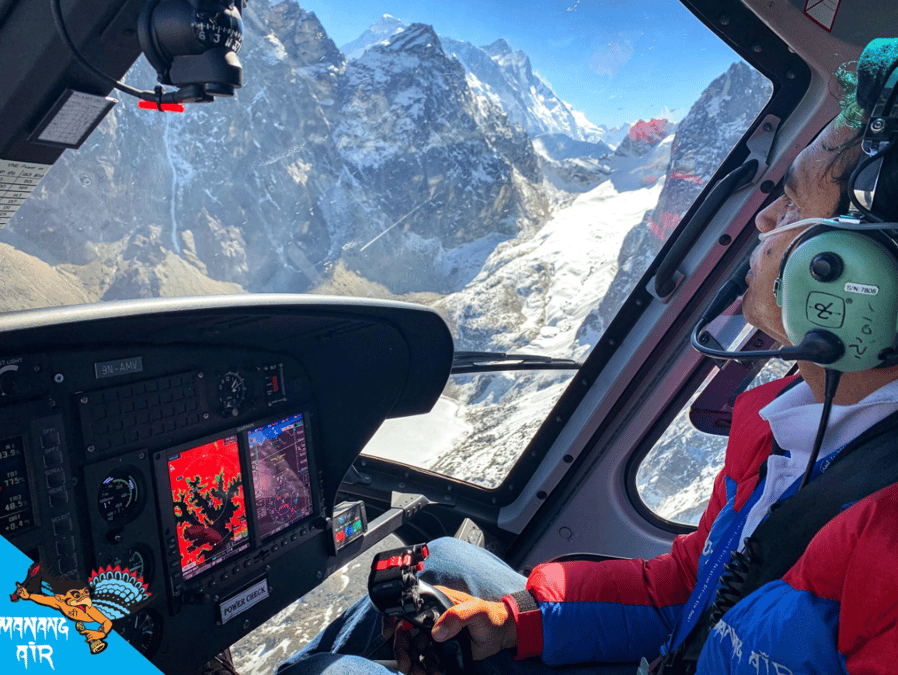
Flying in Nepal amidst the highest mountains in the world is already difficult, and the aviation authorities allow pilots to only fly visually because of the lack of navigation aids in remote areas.
Surke is located in the Dudh Kosi Valley only 6 minute flying time below Lukla airfield, and is used as an alternative landing site for helicopters in poor weather. Eastern Nepal has been battered by heavy monsoon rains since mid-June, and the weather on Tuesday morning was poor.
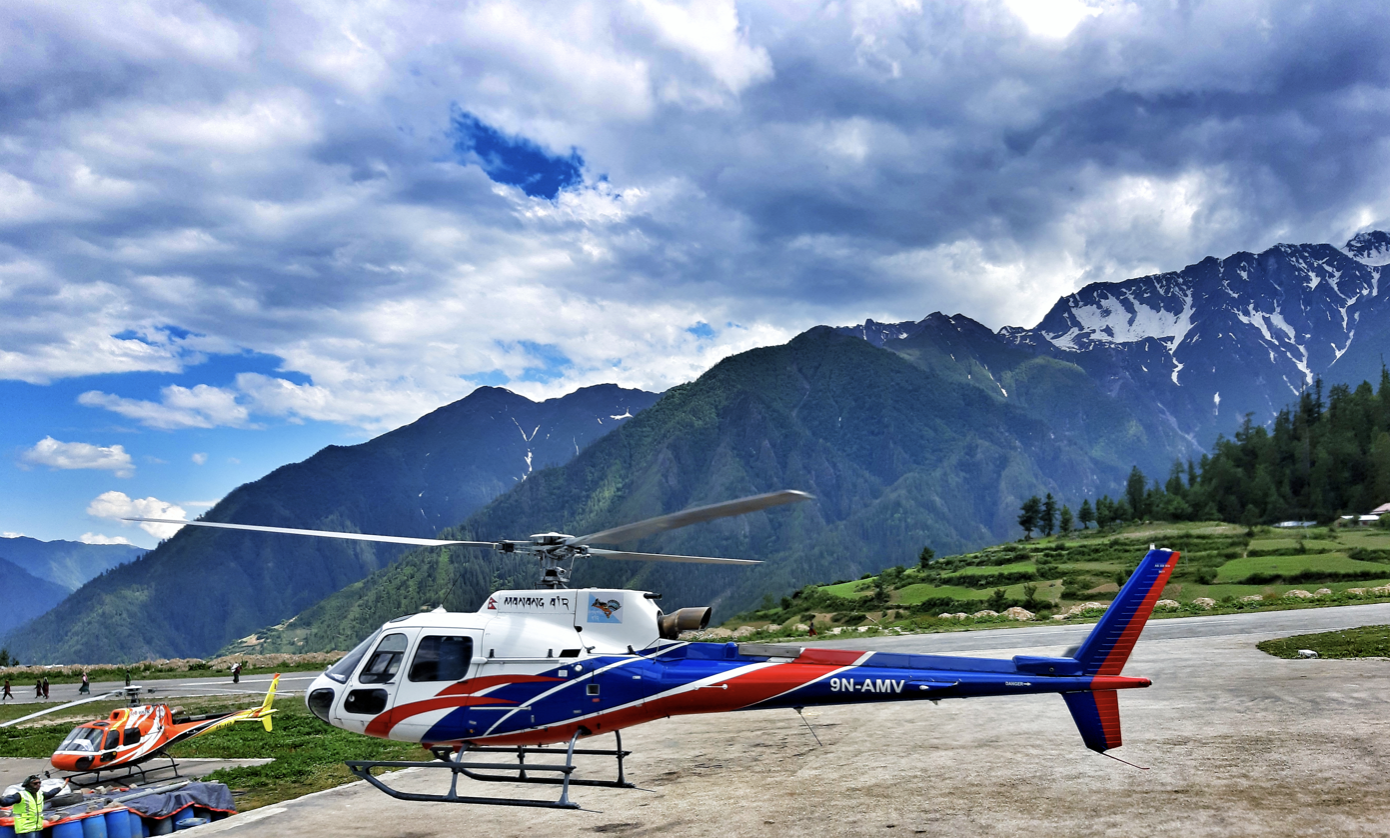
The H125 belongs to the AS350 B3 Ecureuil family of helicopters and is especially designed for high-altitude performance in mountain rescue. Manang Air has two helicopters, and this one with call sign 9N AMV was acquired brand new in 2018. On Tuesday it was being flown by Capt Chet B Gurung, the same pilot who ferried it from the Airbus assembly plant in Singapore five years ago.

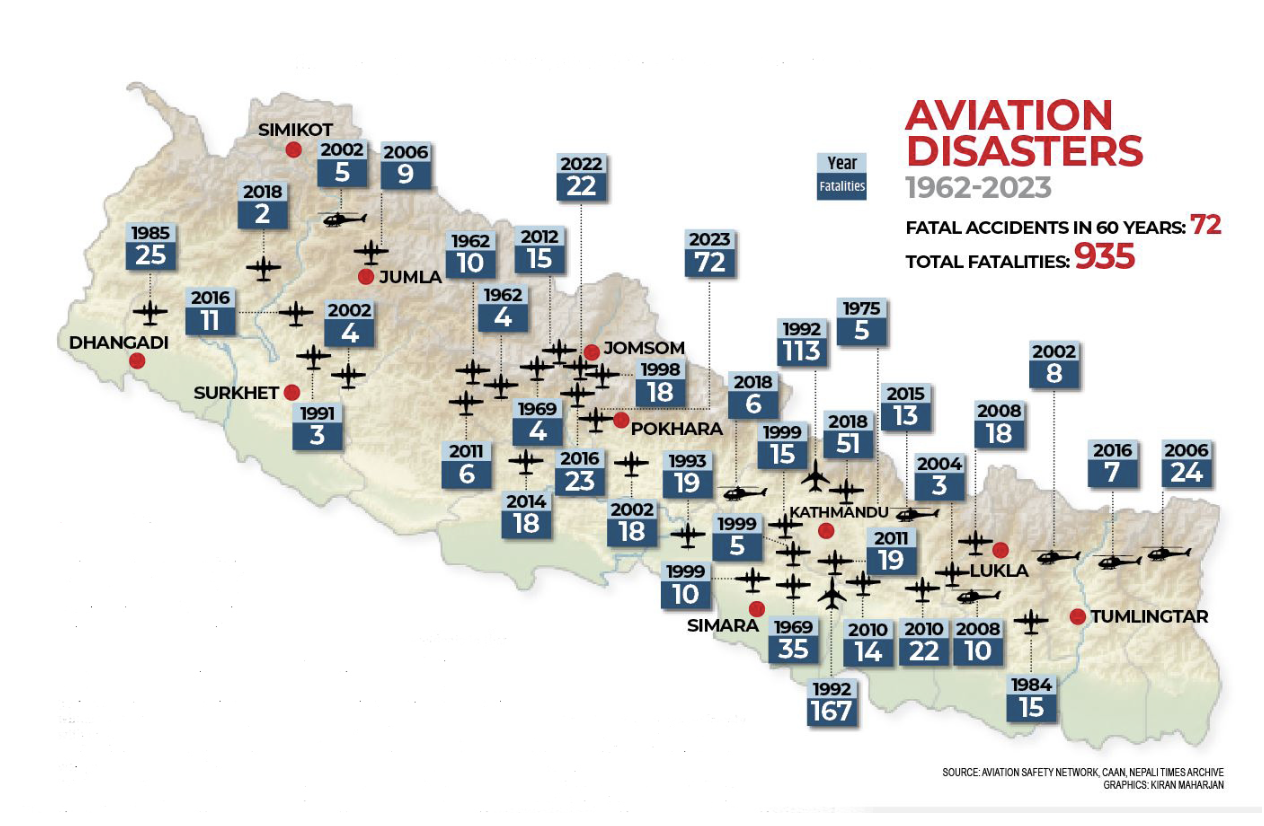
The cause of the crash is not yet known, but 90% of the aviation disasters in Nepal are due to CFIT (Controlled Flight into Terrain) in which an airworthy aircraft collides with mountains hidden by clouds. An analysis of all crashes in the past 60 years shows that a majority have occurred during the monsoon months from June to September.