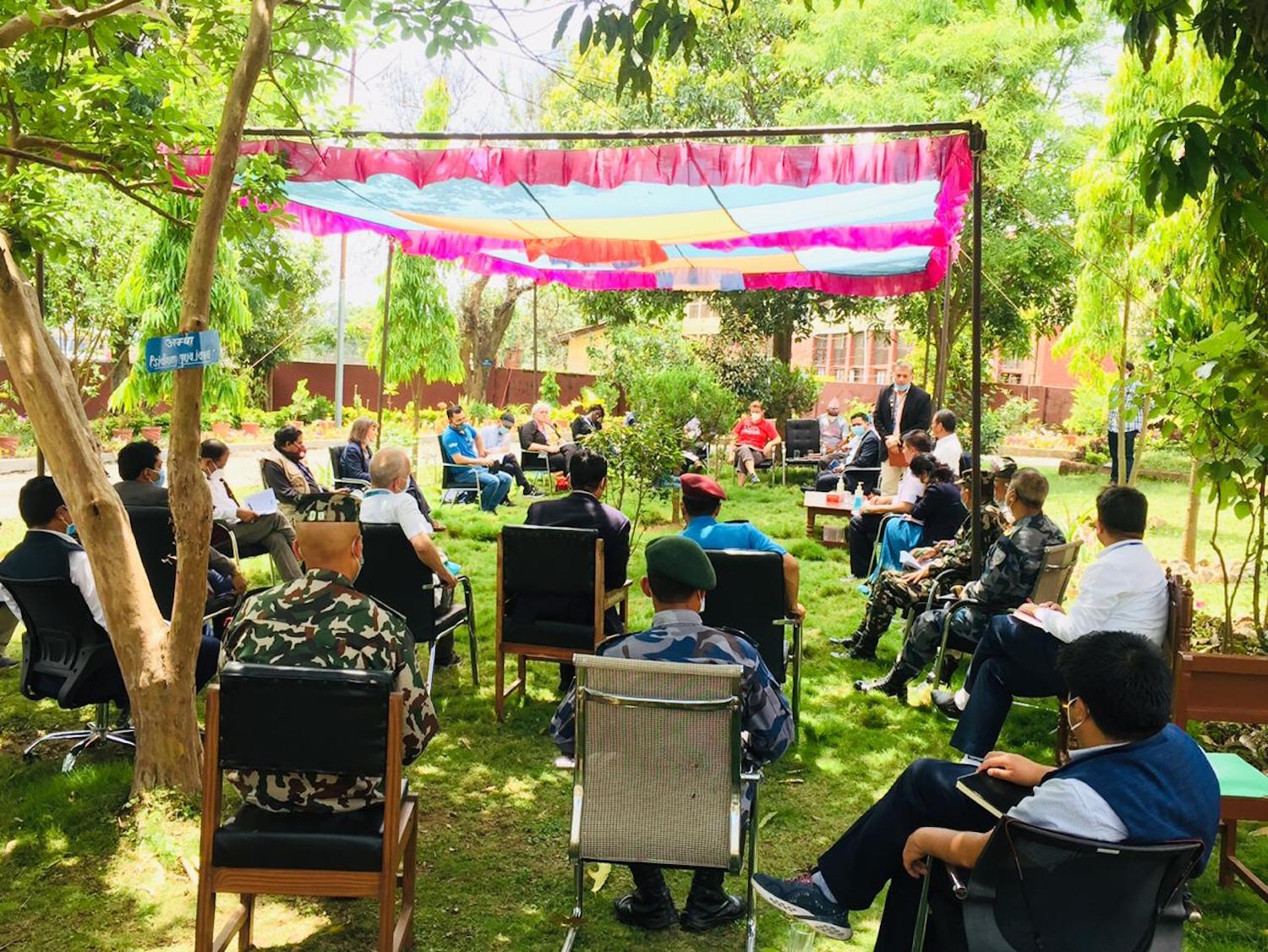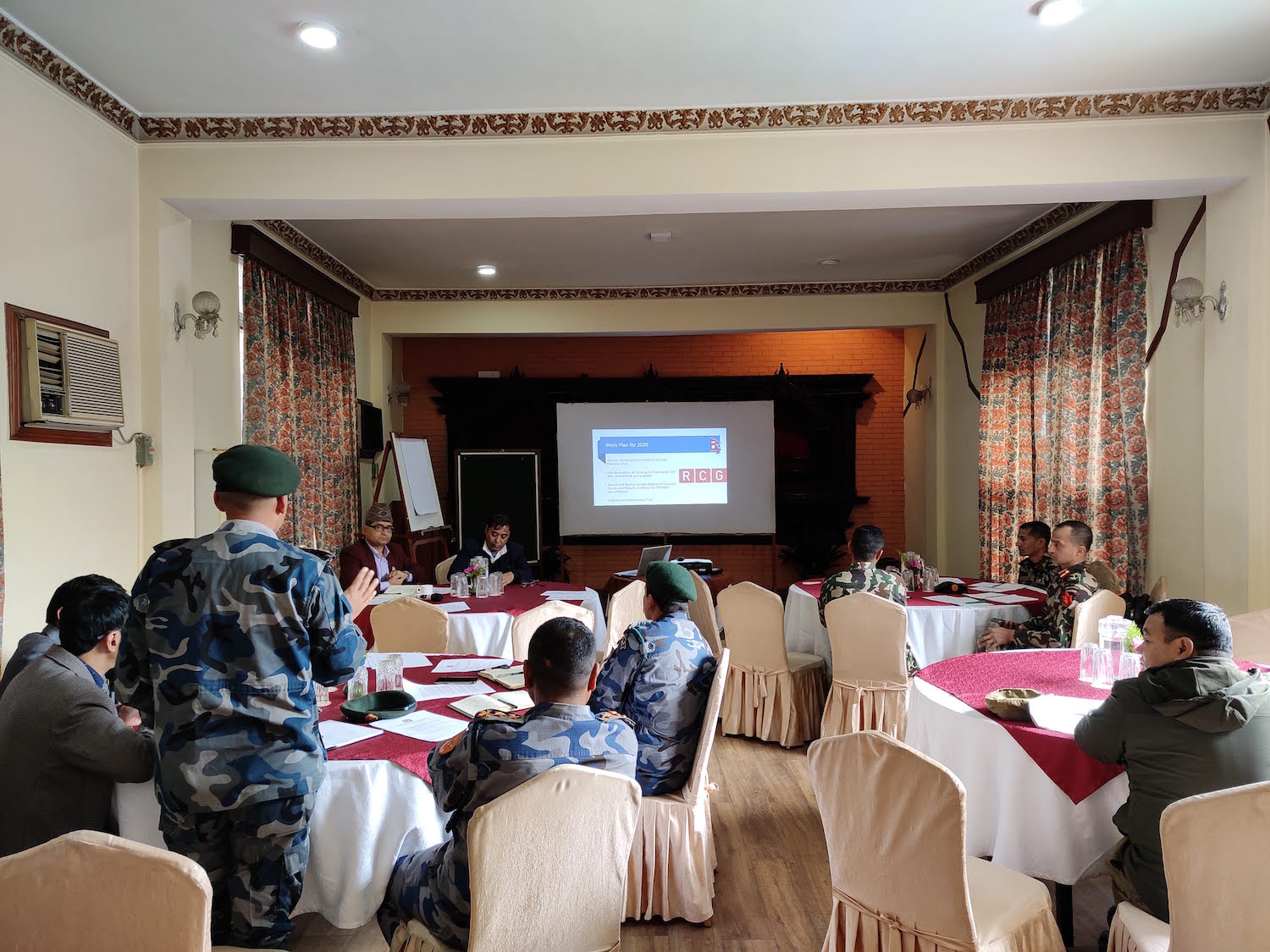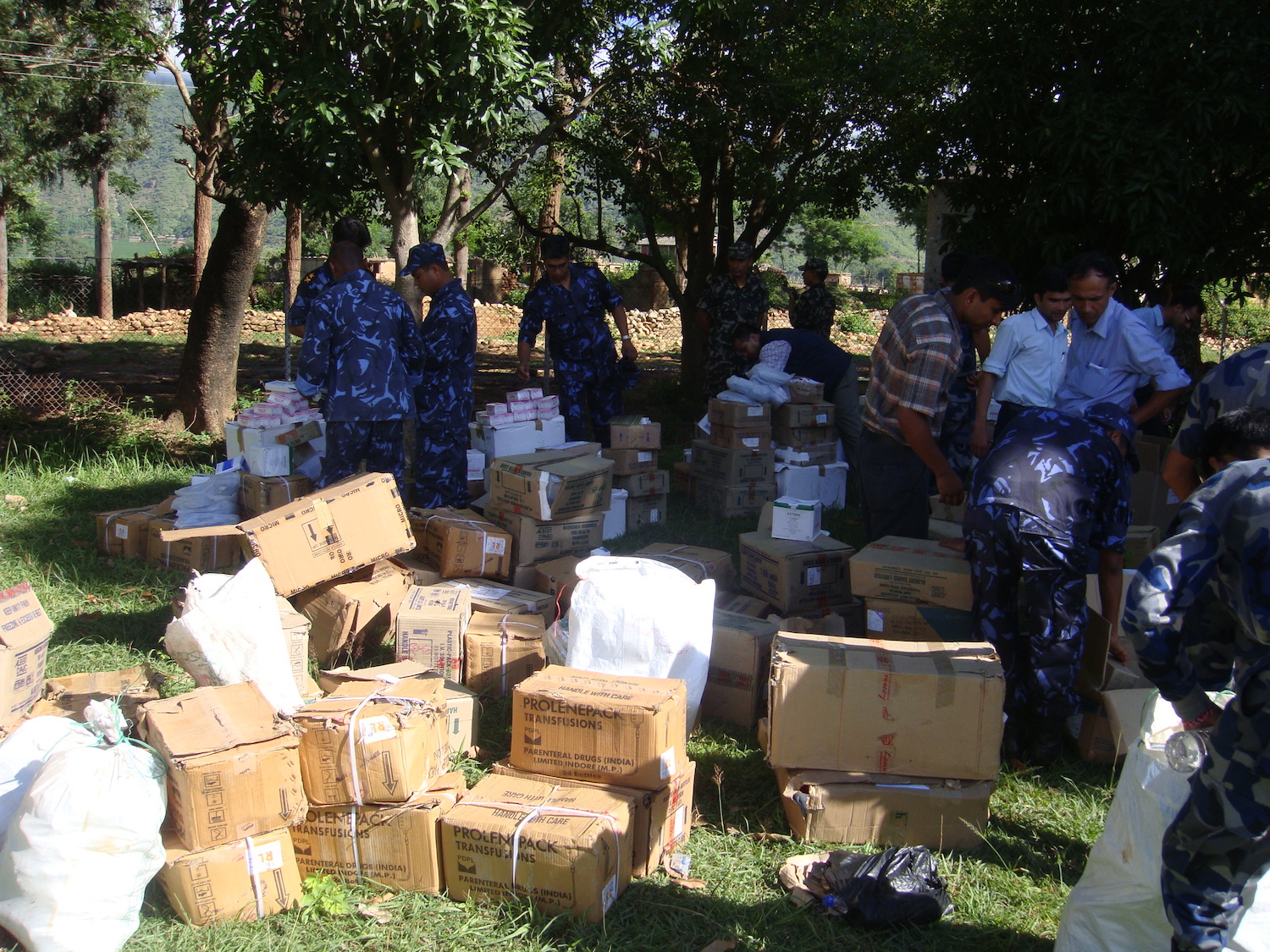
Efficient collaboration between civilian agencies, humanitarian groups and the security forces can make disaster responsemore effective. But while the military has a strong control and command culture, the civilian humanitarian outfits are less well organised.
Yet, there are examples of these two agencies which have diametrically opposing ways of working successfully coming together at crucial times.
In March 2020, the Nepal government established a Covid-19 Crisis Management Center (CCMC) to coordinate pandemic response, launched also at the provincial and district level. The CCMC, under civilian authority, together with different ministries, the Nepal Army (NA), the Nepal Police (NP), and the Armed Police Force (APF), coordinated the control, containment, and management of Covid-19.
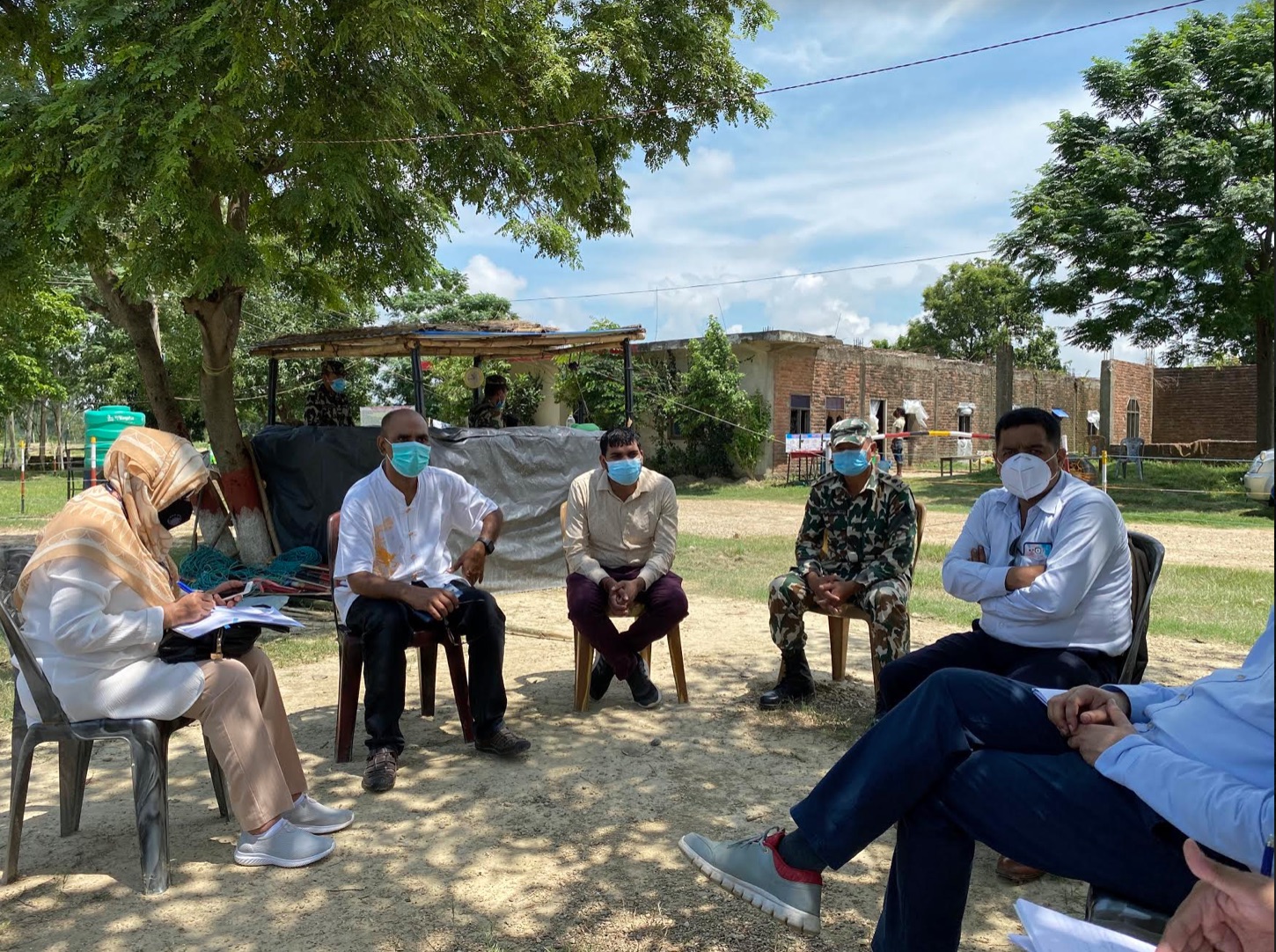
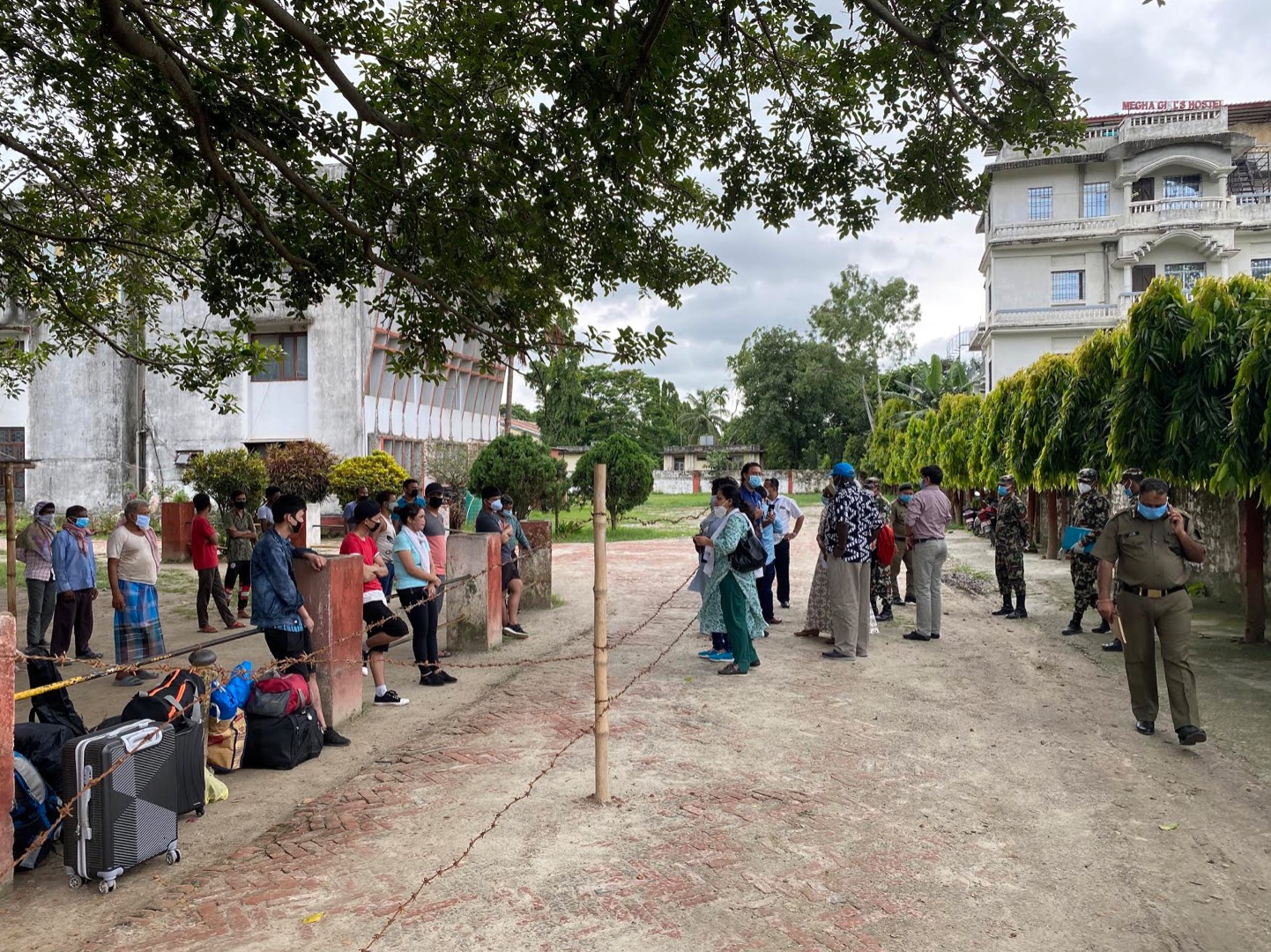
When Nepal went into multiple lockdowns, most services also came to a halt and it was the security forces that managed migrant returnees, established isolation centres and ensured the disposal of dead bodies. They were also transporting Covid-19 patients from the Nepal-India border to hospitals and quarantine sites.
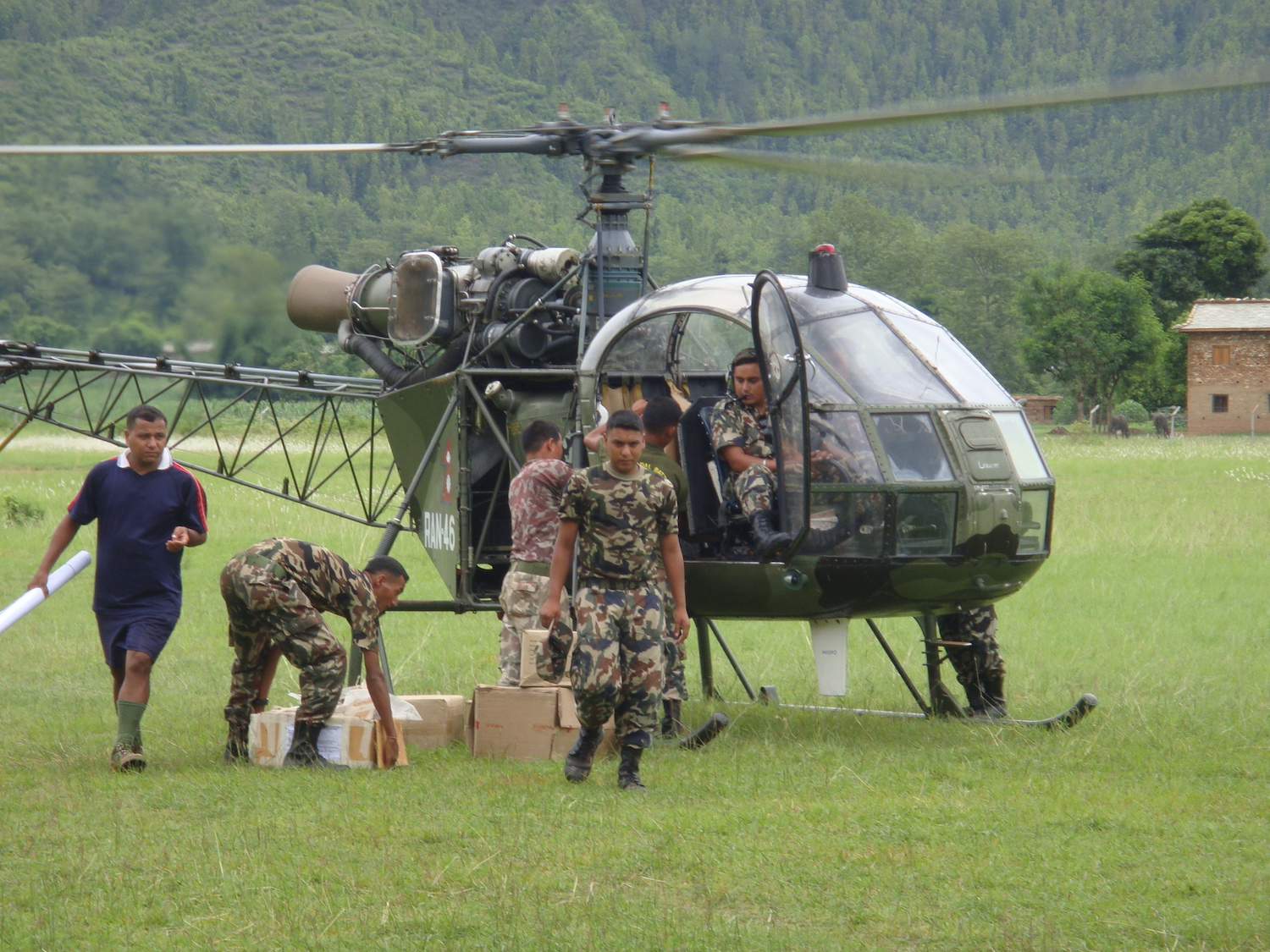
On 31 March 2019, a powerful storm hit Bara and Parsa districts in Madhes Province, killing more than 20 people and injuring over 700. Immediately after the disaster, the NA, APF and NP deployed search and rescue teams.
They worked with locals to search for victims and prevent further damage from fire, and also delivered relief support as well. In addition, the government tasked the Army to rebuild 869 damaged houses, which was accomplished on time.
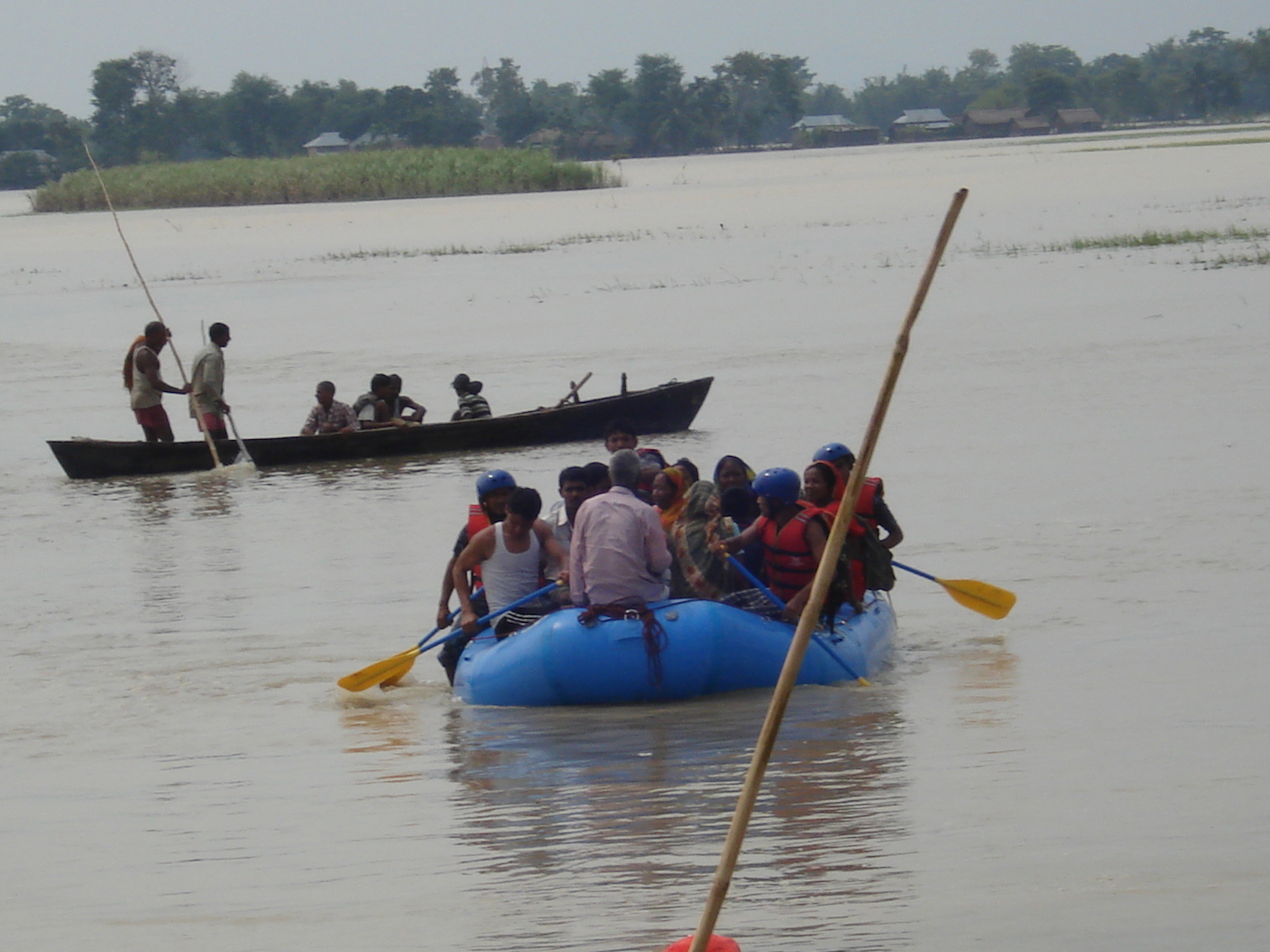
Traditionally, communities managed disasters on their own. But in recent times, with the increase in disasters, the government, military actors, and other stakeholders have necessarily had to coordinate response.
Locals and security forces are often the first responders when a disaster strikes and the capability of the army and police is very crucial. Oftentimes, the government seeks international assistance, including support and deployment of foreign military forces during large-scale disasters like the 2015 earthquake.
But if we are to make humanitarian response more effective and timely, it is the capacity of Nepal’s own security apparatus that should be well-mobilised, trained and ready. Coordination and partnership with security forces also make life-saving interventions transparent as they always follow command, control and coordination concepts.
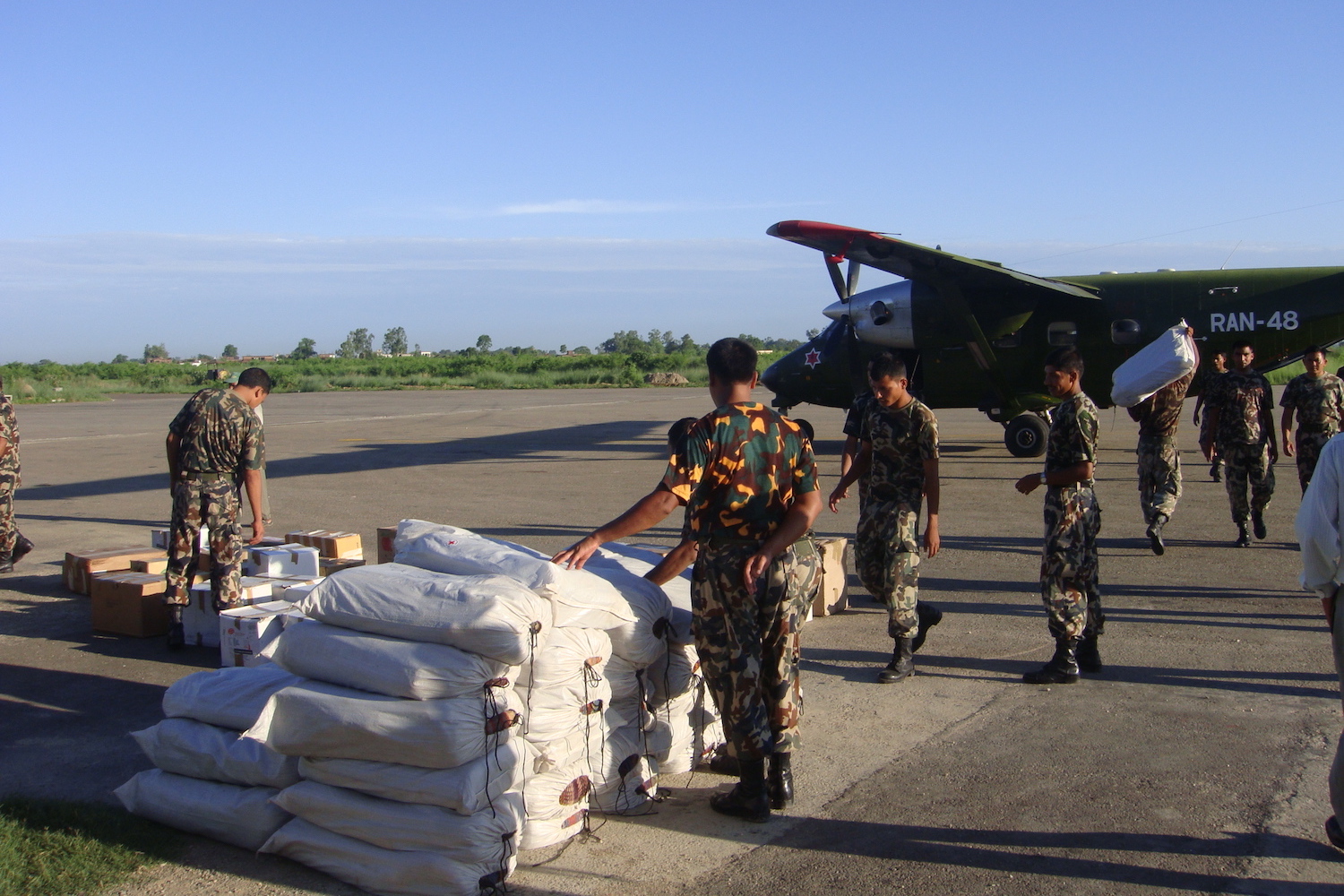
According to the UN CMCoord Field Handbook, civil-military humanitarian coordination deals with all aspects of civil-military interaction to harmonise activities and promote humanitarian principles.
Coordination of operational activities, cooperation with the use of assets, and sharing of ground information can foster more effective civil-military humanitarian coordination. This can be achieved with regular interaction, joint planning, and task division.
It is the shared responsibility of civilian and military actors to work towards coherent and consistent humanitarian action. But there are different reasons and ways to collect information.