

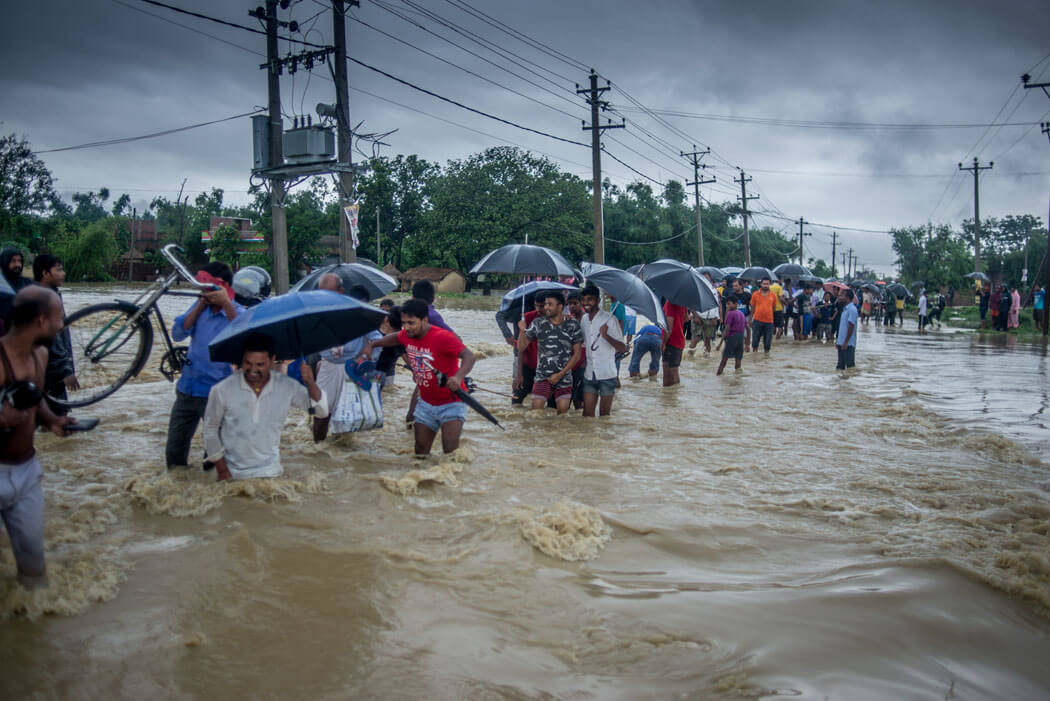
The 2020 southwest monsoon was forecast to be 'normal' in Nepal, but it turned out to be more intense than predicted, and lasted much longer.
Last year saw deadly landslides and floods across the country, killing at least 400 people, with Sindhupalchok, Baglung, Myagdi, Jajarkot, Kalikot and Bajura districts bearing the brunt of the disasters. Entire villages were buried and debris flows swept away rocks, trees, bridges and houses.
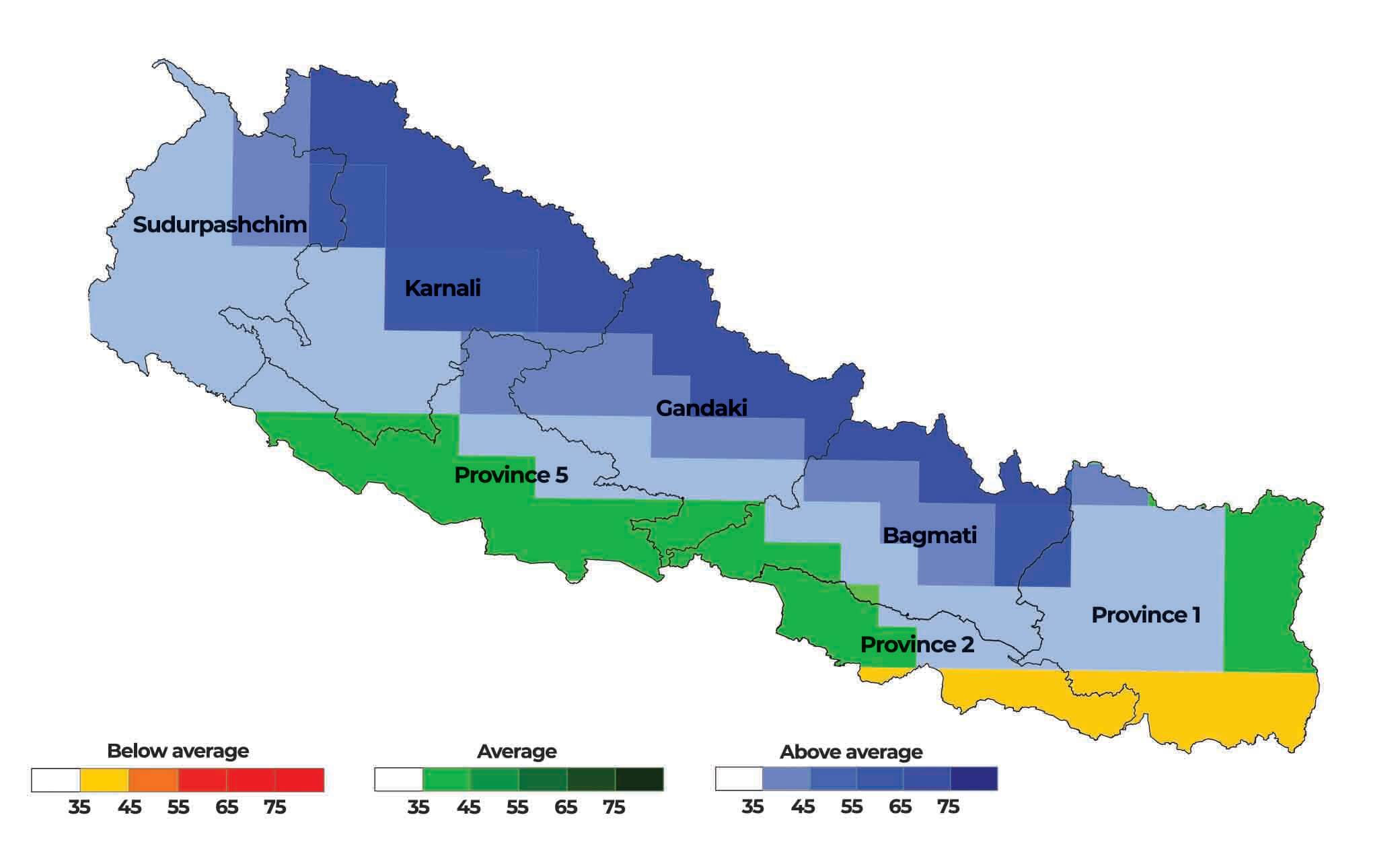
We are now bracing up for the 2021 monsoon season, and it is predicted to be much more intense than last year. The South Asian Climate Outlook Forum has forecast that this year's monsoon precipitation will be 'above normal' almost throughout the country.
This year's monsoon comes after the worst wildfire season ever, and it could make this year’s monsoon even more destructive. Wildfires that raged for months burnt through forest-shrub cover, undermining the ability of mountain slopes to absorb rainfall and prevent soil erosion. This could potentially result in more landslides and floods.
Then there is also the Covid-19 pandemic, that is now raging across the hinterland, and has further compounded the challenges in responding to monsoon-induced disasters. Many local first responders have fallen sick during the second wave of the coronavirus, and those who are fit enough to conduct rescue and relief will find it difficult to maintain safe distance.
Given all these considerations, it would be naive to hope that everything will be all right in the next few months, but the slopes are already saturated by pre-monsoon rains and this does not bode well.
Here at the National Disaster Risk Reduction and Management Authority (NDRRMA) we are committed to reducing losses in lives and livelihoods by:
- Preparing joint response during the pandemic to landslides, floods and water borne diseases with federal, provincial, local governments including District Disaster Management Committees for swift rescue and relief operations.
- Closely working with the Nepal Army, the Armed Police Force, Nepal Police, community groups, non-profits, development partners and the private sector.
- Improving Early Warning System and communicating disaster risks in more effective ways.
- Prepositioning search and rescue equipment including relief items.
While preparing for this year's monsoon, we have also begun to look beyond 2021. With the right policies and actions, we can achieve our target of substantial reduction of disaster risk and loss of lives and livelihoods by 2030. It may sound ambitious, but we have a vision to pull it off in sync with the Sendai Framework for Disaster Risk Reduction (2015-2030).
Through this year's budget program, the government has unveiled a 10-year campaign to build Suraksit Nepal -- a disaster resilient Nepal which will fast track actions to ensure safety in not just future earthquakes, but other hazards.
The 10-year campaign to build a resilient Nepal will use our valuable learning and insights from post-earthquake recovery and reconstruction. In the first few years after the 2015 earthquake, Nepal received unfair bad publicity in the international media for sluggish reconstruction, but the National Reconstruction Authority (NRA) quickly made up for lost time to achieve its mandate.