
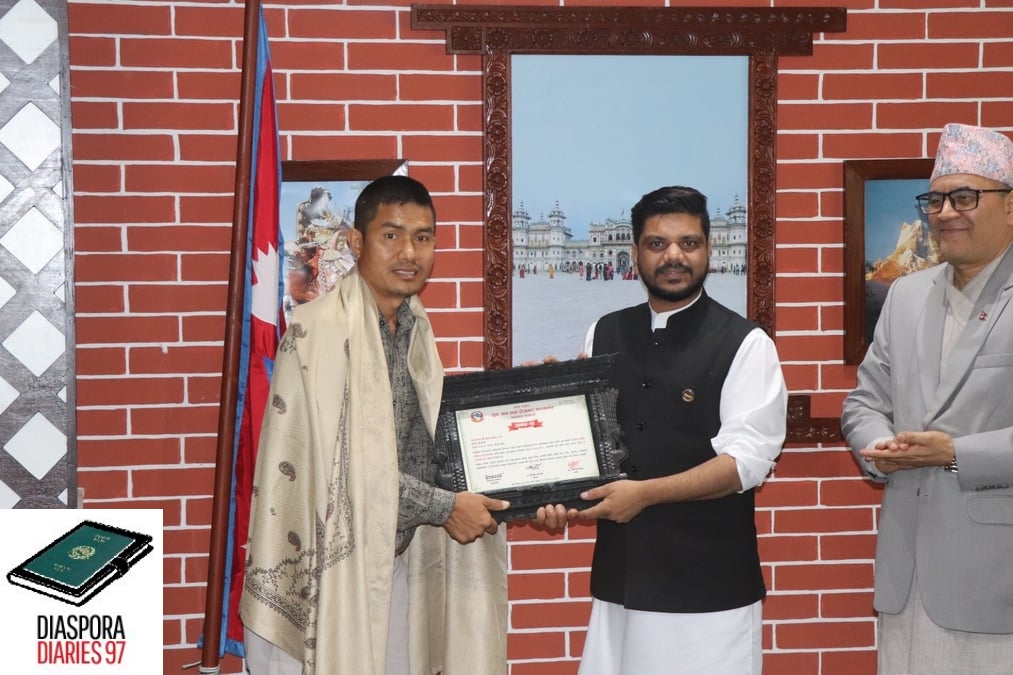
This is the 97th episode of Diaspora Diaries, a Nepali Times series in collaboration with Migration Lab providing a platform to share experiences of living, working and studying abroad.
I was born in Morang in a simple family. My father was in the Police. Life was not easy. I was the youngest of three brothers and two sisters.
School was just 10 minutes walk away. In Grade 3, my parents switched me to an English language school, but I was put in UKG where my classmates were much younger. I already knew basic Nepali and how to add and subtract by then.
I made good friends but by Grade 5, I was conscious of being older than them. I switched to a government school again, and skipped to Grade 8. But I could not pass my Grade 10 exam, because I had stopped paying attention to my studies.
I wanted to enroll in the Indian Army. What else could I do? There were no jobs, and running a business was out of reach. I had good stamina and worked out quite hard to prepare for the Indian Army recruitment in Dharan, but I could not get in. I was too thin.
I tried once more in India, but failed the written test. I then returned to Nepal and started to prepare to migrate overseas. An agent from my village hooked me up with a job in Qatar through a recruiter.
I was neither happy nor sad about going abroad. I was going to earn money, and that was it. I recall young men like me being tearfully seen off at Kathmandu airport by family members who draped garlands on them. I was alone. I was not married, and my parents were back in the village.
This was back in 2007, and I earned QAR 1050 ($390) per month cleaning airplanes – the toilets and the mess passengers left behind. How dirty a plane was depended on where it was coming from, especially the toilets.
I started saving some money, but cleaning toilets made me feel poor. It was poverty that forced us to do such jobs, working long hours day or night.
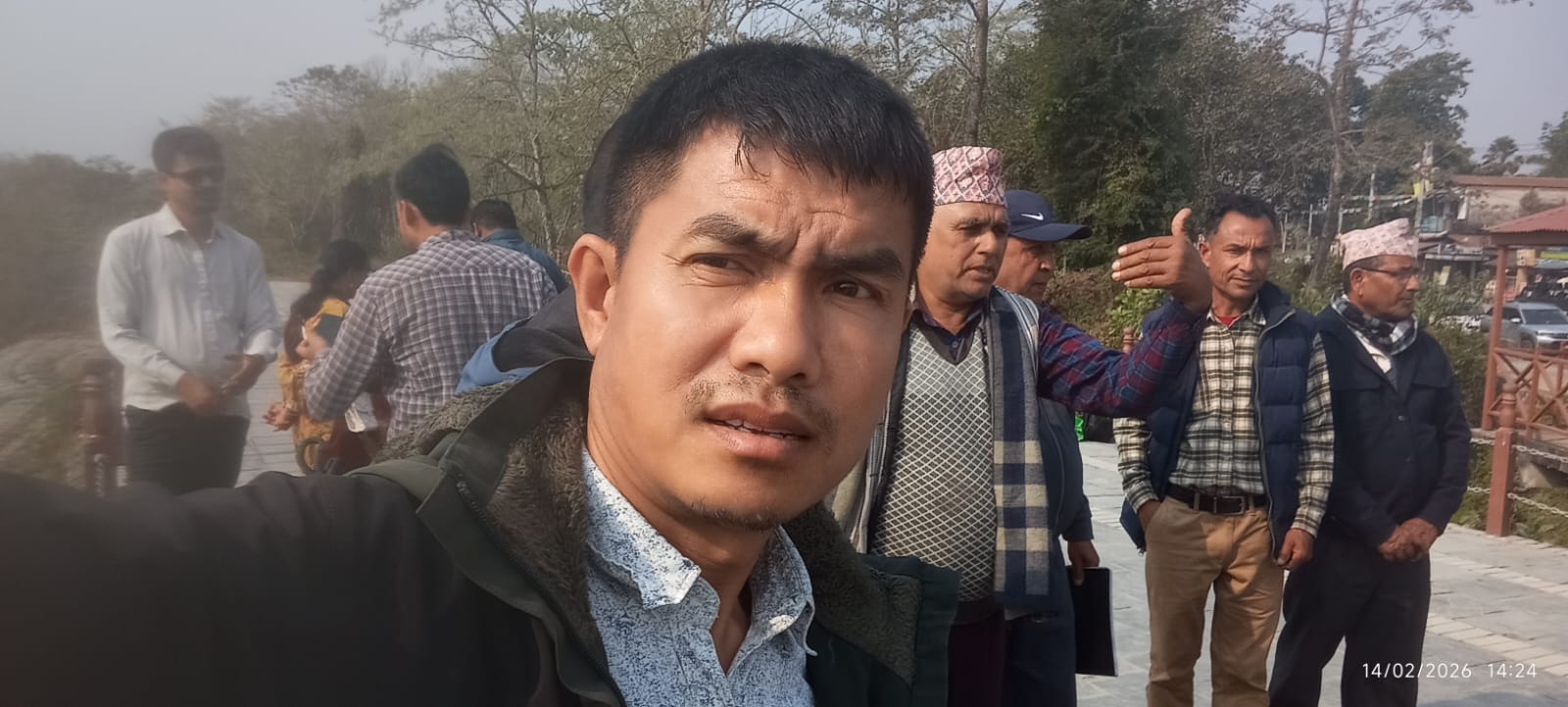
I had trained as an electrician back in Nepal, and I had a knack for building and fixing things. Although it was not my job, I found joy in fixing the vacuums that were used to clean the planes. I would change the wires and dismantle them to make them work.
Soon, I was given more tasks, and later started driving the electric carts in the terminal transporting passengers and staff. I then started working outside the airport at the staff accomodation buildings. I became the general handyman for everyone. People called me get lights fixed, if someone was stuck in an elevator, if someone was locked out of their rooms.
As a plane cabin cleaner, I felt like people looked down on me. But now as a fixer, they treated me better. Still, I was hurt that I did not get the promotion promised to me by a Filipino boss who committed suicide. A Pakistani replaced him, kept making excuses.
So I found another job back at the airport as a truck driver, filling planes with water and pumping out the waste. The sludge from the toilets smelled horrific. But this job paid better, and with my savings I bought a house back home.
It helped that I worked in an airline, which meant that I could go home every six months. I had to pay only 10% of the ticket and got a seat if there were tickets available. On one of my frequent visits to Nepal, I got married. My daughter was born in 2013 while I was in Qatar, and I got to see her when she was three months old.
But my hypertension was giving me problems, and I was on medication. My night shifts affected my health and I just could not get proper sleep during the day. I decided it was time to go home after 14 years abroad.
But what would I do back home? Start a dairy farm? Seemed difficult. Furniture? But I was advised not to because I would be starting from scratch. I had experimented with poultry farming and raised chicks in my room back in Qatar, but it started getting smelly and my room mates complained.
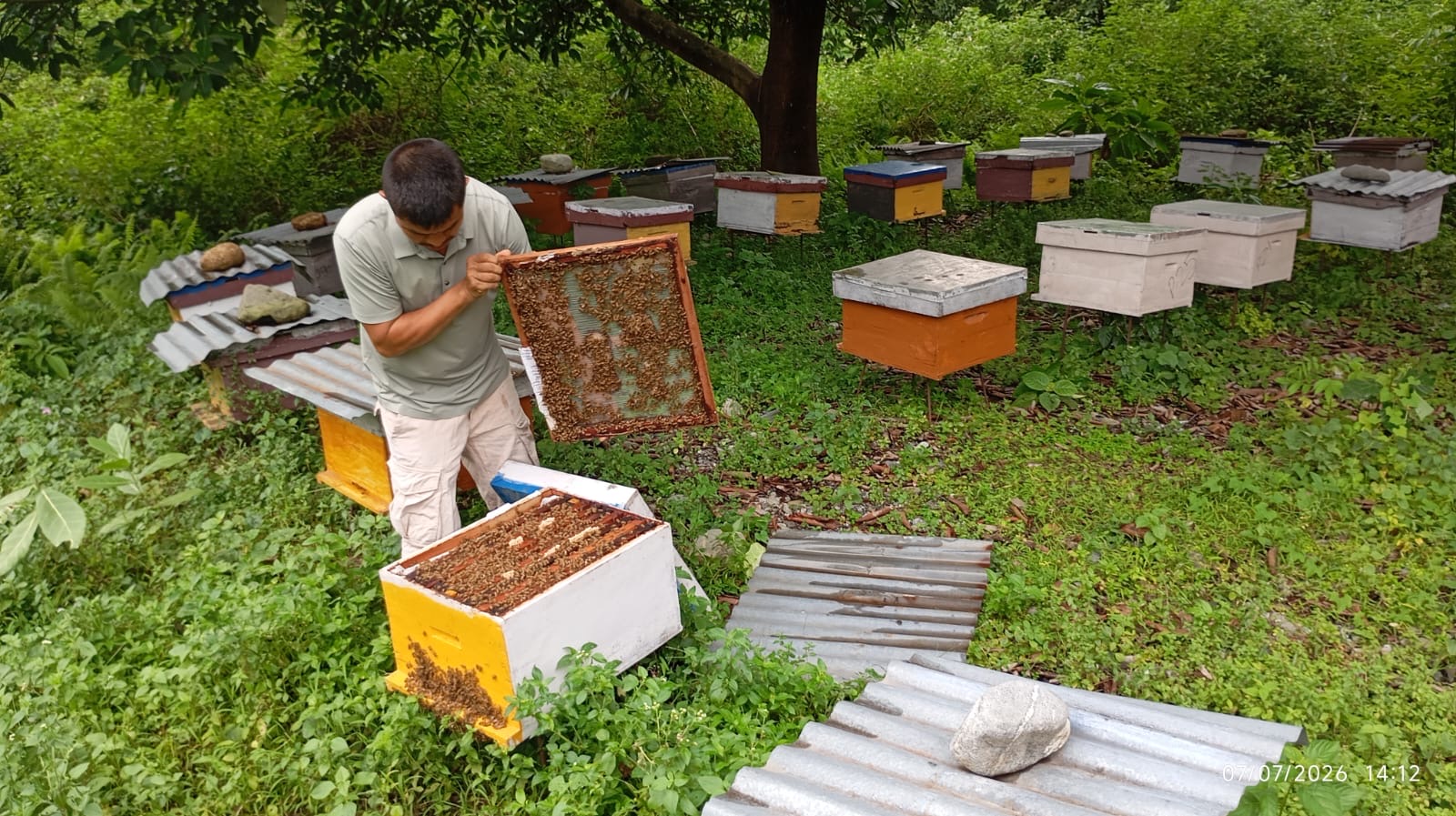
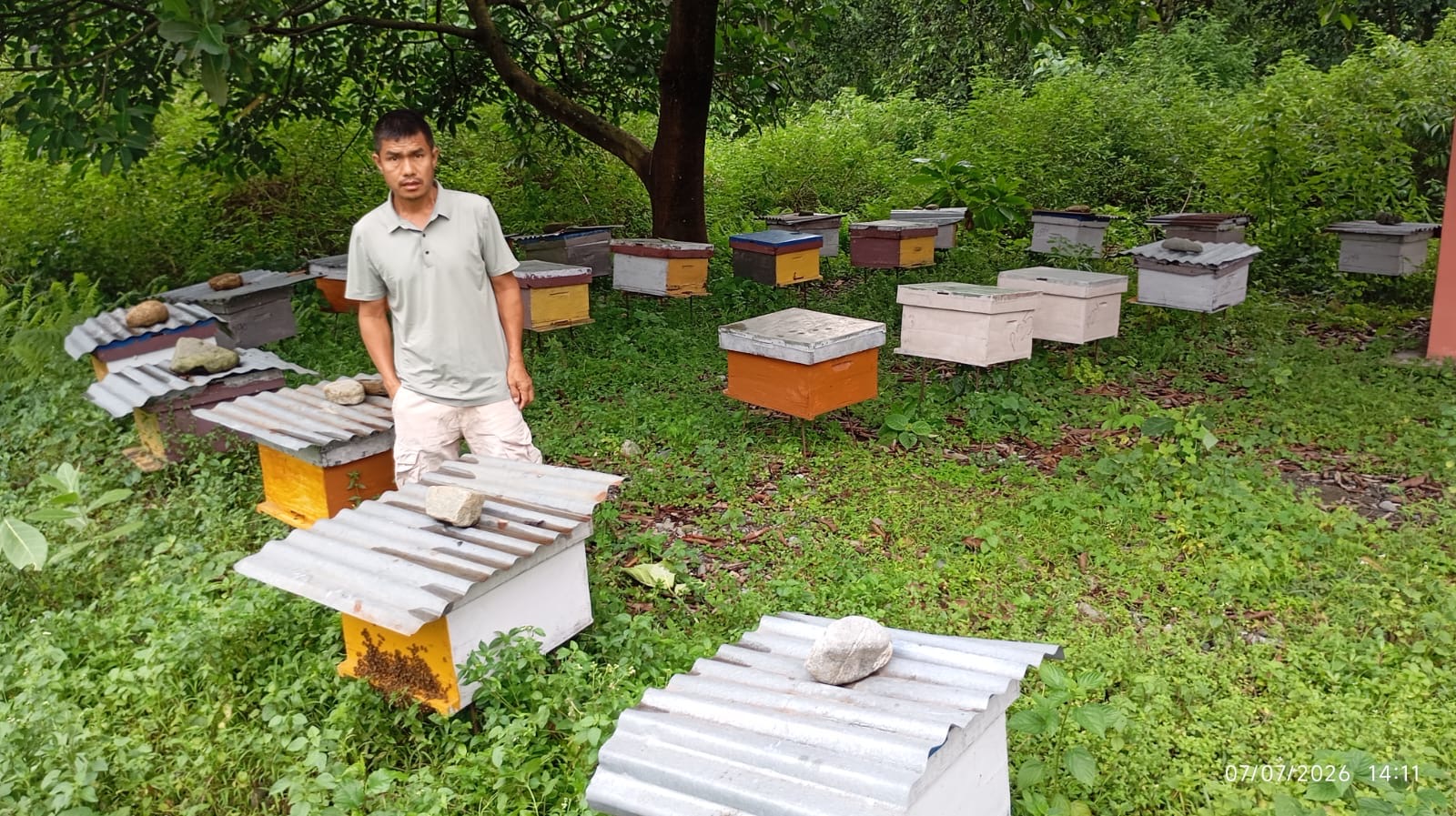
Long ago, I had attended a three-day beekeeping training back home. A family member kept hives, and had made a successful business selling honey worth Rs4 million a year. I realised that I had not earned that much money even while working in Qatar. That was all the convincing I needed to return to Nepal in 2020 and start with five bee colonies with an initial investment of just Rs9,000.
I learned through hands-on experience and within a year, I had 31 hives from which I harvested 35 buckets of honey and eventually 70 buckets. At first, I struggled to sell the honey, but I kept going because I believed it would eventually work out.
Shopkeepers in the market questioned the quality of my honey, some even accused me of adulterating it. It was discouraging, but I did not give up. Gradually, I built trust and found a market for my products. Today, I supply dealers in Dharan, Biratnagar, and Damak, and sell honey worth up to Rs15,000 per day from 200 bee colonies.
My main responsibility is to protect them from predators such as hornets, birds, and lizards. Although bees are capable of defending themselves, they still need help. Hornets are the biggest threat, especially during the rainy season, when they are especially active and attack in groups.
I think beekeeping is not as labour-intensive as many other agriculture related activities. The bees do most of the work for me. They forage for their own food and maintain the hives and keep it clean. During this period, I have to be especially vigilant about protecting my bees.