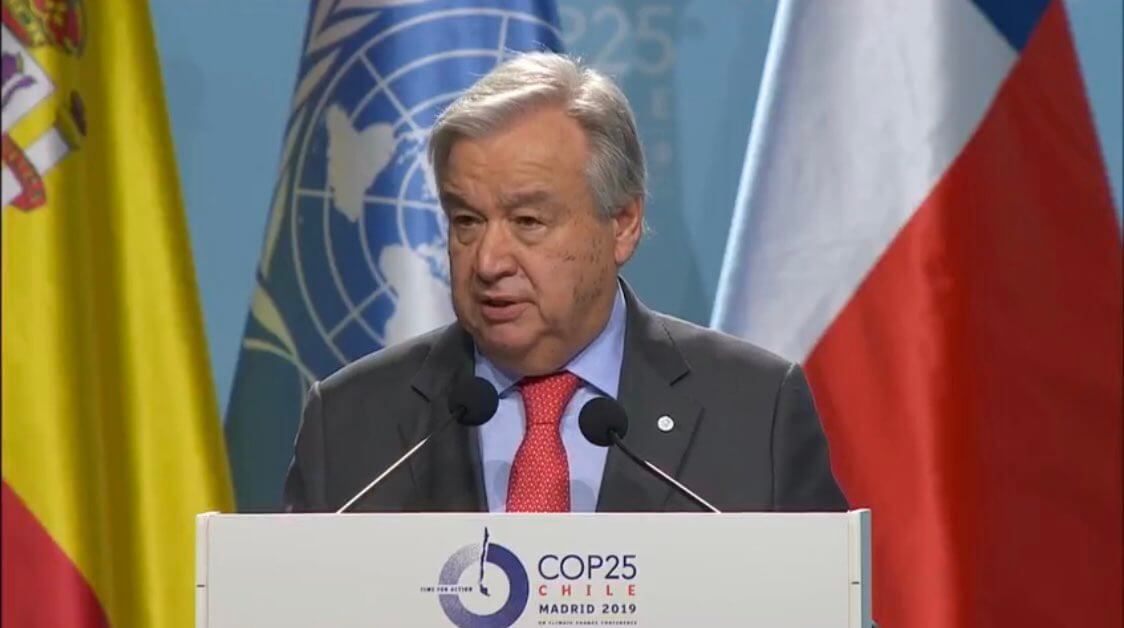
Climate change has reached the “point of no return,” warned UN Secretary-General Antonio Guterres ahead of the global climate conference, COP25, which started this week in Madrid, focused on implementing targets agreed in the Paris Agreement four years ago.
In 2015, governments committed to limit average global temperature rise to only 1.5oC above pre-industrial temperatures. This meant countries had to implement effective climate crisis solutions by the end of 2020, but that has not happened. In fact, some countries like the United States have pulled out of the Paris Agreement altogether, and other countries have not been ambitious enough. Norway, a leader in cutting emissions, continues to produce oil and gas. China too has taken action to reduce emissions, but failed to meet its targets, and might now even be increasing emissions. Despite moves towards renewable energy, India is investing in new coal-fired electricity plants.
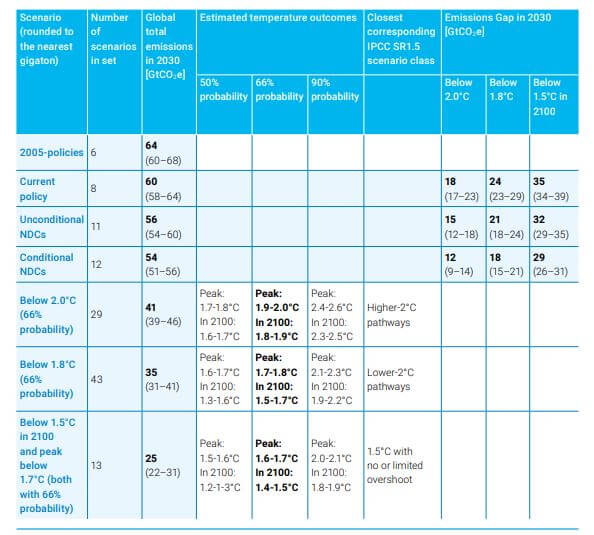
“China’s proposed coal expansion is so far out of alignment with the Paris Agreement that it would put the necessary reductions in coal power out of reach,” said Christine Shearer, an analyst from Global Energy Monitor, quoted in the Guardian.
As the Paris Agreement approaches its deadline, the main discussion at COP25 is Article 6, which focuses on providing financial support to developing countries to reduce emissions and on cutting emissions by using global carbon markets.
Carbon markets, which have existed since 1997, aim to limit greenhouse gas emissions by trading in carbon credits. The UN provides carbon credits to developing countries for emission reduction projects. Buyers (other countries) can use the credits to fulfil their own reduction targets and sellers can use the money to pave their way to carbon neutrality.