The 15th iteration of Film Southasia is here, bringing stories of identity, hope and transition back to Kathmandu. There are 48 documetaries from 11 countries being screened at Yala Maya Kendra from 26-29 November together with interactions with filmmakers and conversation around cinema.
Documentaries are, by definition, subjective. The director offers a point of view, and usually exposes injustice, socio-cultural dynamics, challenges, or just bears witness to forgotten peoples and places.
“This year’s theme is Documentary in Transit, which was picked to foster conversations about migration and change,” says festival director Mitu Varma. “At a time when the world is plagued with global wars, humanitarian crises, and the spread of Artificial Intelligence, the festival provides a platform to have human, people-centric conversations around transitions.”
Founded in 1997, the biennial festival of South Asian documentary cinema began with a vision to create a safe space for peaceful dialogue in the Subcontinent, and it remains the foundation of the festival to this day.
“The theme is also about deviating from traditional documentary filmmaking and taking more liberties with theatrical elements and storytelling. We welcomed more experimental techniques that played with the standard documentary form this time around,” adds assistant director Pawas Manandhar.
From intimate portrayals of individuals and communities to wider explorations of social change, conflict, cultural memory and environmental concerns, the films invite audiences to look beyond familiar narratives and encounter the numerous stories that shape South Asia.
“It is all about the South Asian sensibility, finding shared culture and connections between different countries, and uniquely portraying these experiences”, says Varma.
The 2026 festival brings an international jury of three: Arun Bhattarai, a Bhutanese documentary filmmaker, doctoral scholar and advocate of civilisational literacy Anitha Pottamkulam from Chennai; Kunda Dixit, the former editor and current publisher of Nepali Times.
“We received an overwhelming number of 2,600 submissions this time, out of which 672 met our selection criteria. This year, 42% of the film submissions are directed or co-directed by women, and it’s always great to see diverse participation,” Manandhar says.
FSA 2026 will screen films from Afghanistan, Bangladesh, Bhutan, India, Myanmar, Nepal, Pakistan and Sri Lanka.
WATCHLIST
The Lama's Son
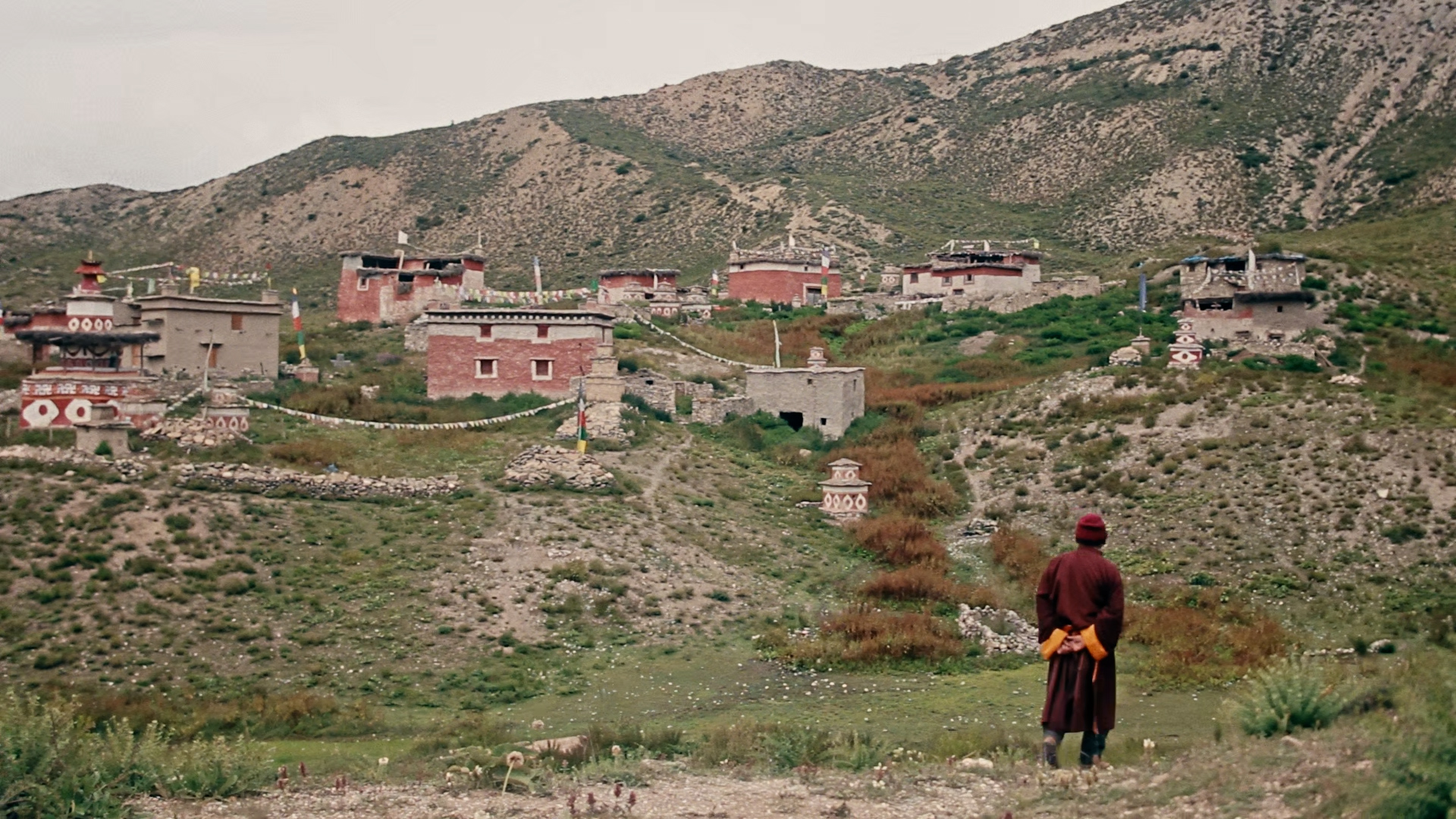
A Bonpo Lama awaits his son’s return who is a sushi chef in New York to take over his ancient role in the Nepal Himalaya in Mustang. As familiar societal structures crumble and the very existence of the place and people is threatened by the climate crisis, the question becomes how long the tradition will thrive. The Lama recognises that his son is right in thinking the future is elsewhere.
72 min | Nepal
Director: Kesang Tseten
The Colour of My Heart
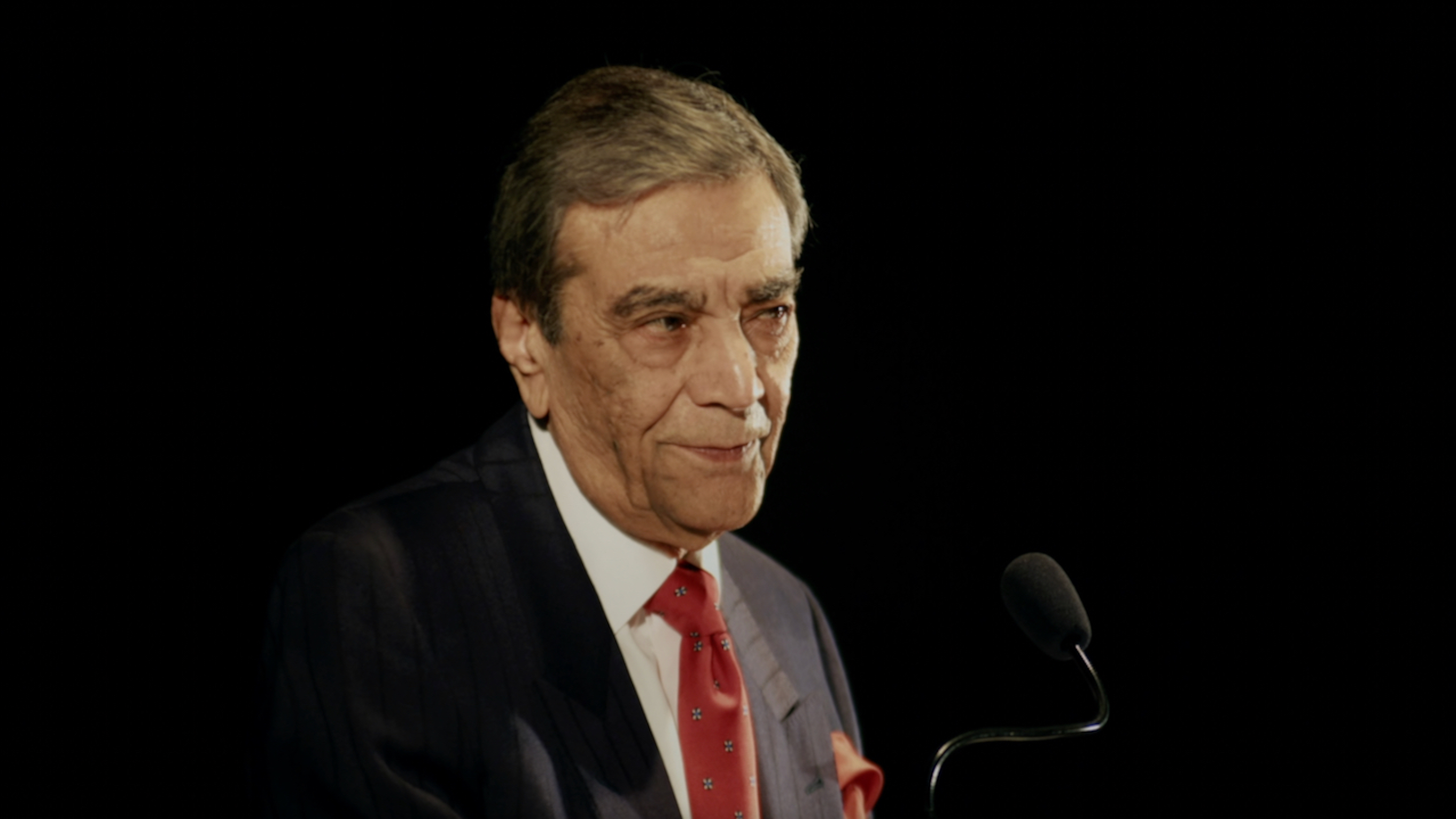
The work of two extraordinary Pakistani artists—legendary actor Zia Mohyeddin and revolutionary poet Faiz Ahmed Faiz—finds congruence on the night of 31 December 2010, in Lahore, Pakistan, when Zia recites Faiz’s poetry during his annual Urdu poetry readings. The film explores the challenges artists face in the contemporary Muslim world, the erasure of native languages and identity in South Asia.
100 mins | Pakistan
Director: Umar Riaz
Paikar
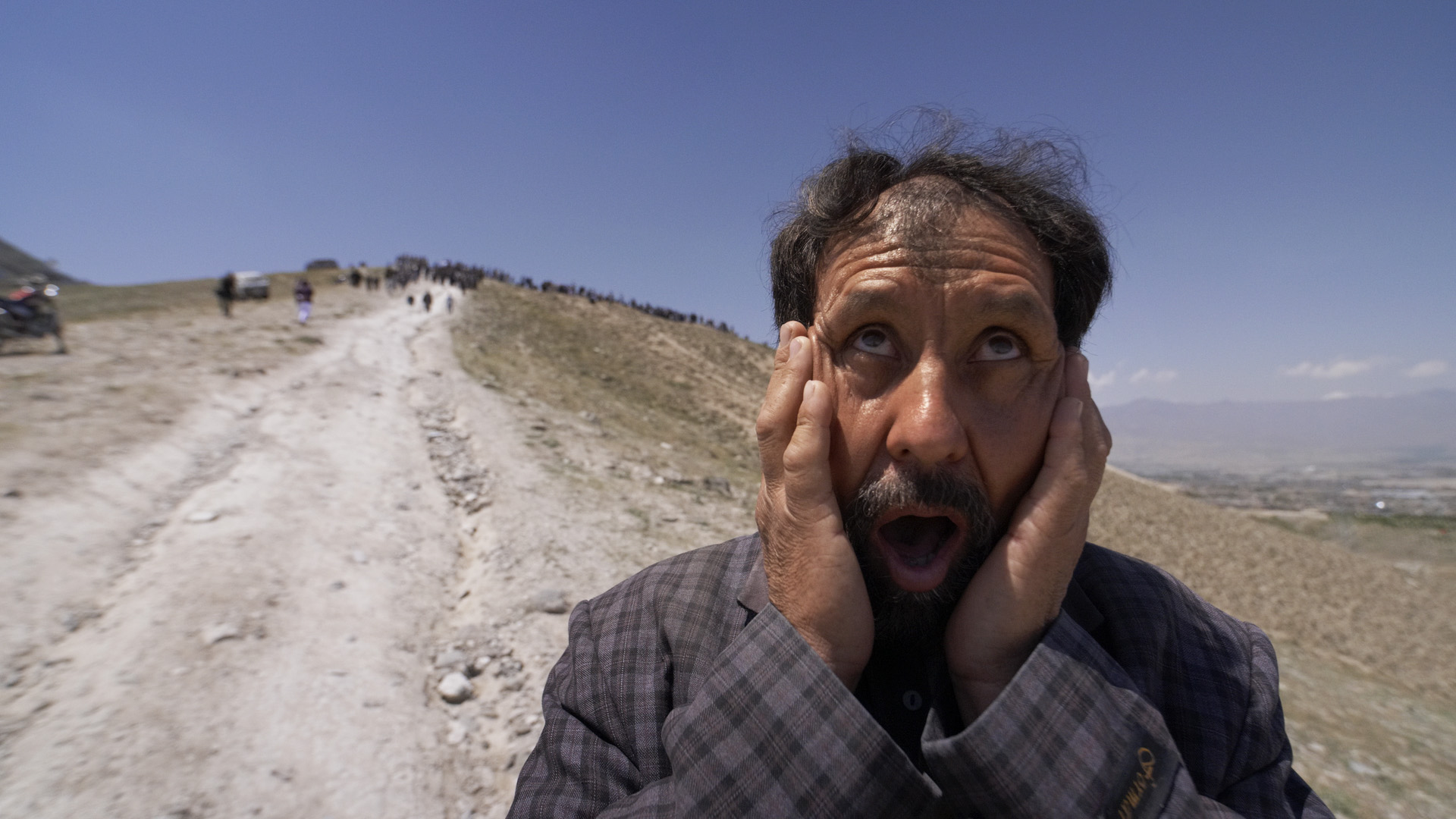
Dutch-Afghan filmmaker Dawood Hilmandi confronts his authoritarian father’s violent past in a journey through Afghanistan, Iran, and Iraq. The film blends family, faith, and migration, and explores freedom and the power of creativity in the face of alienation.
97 mins | Netherlands, Afghanistan
Director: Dawood Hilmandi
A Spring Against All Odds
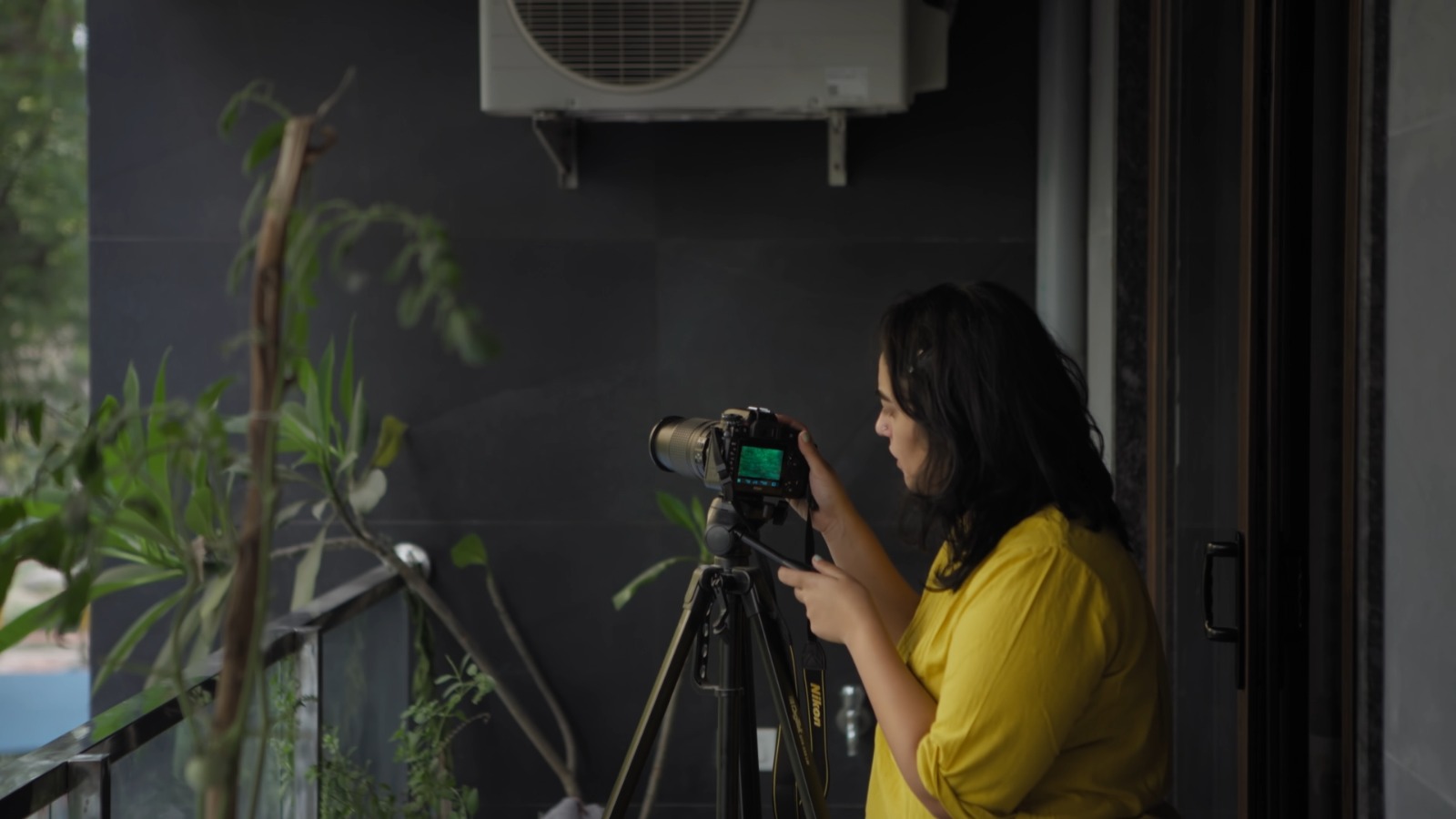
Mid-pandemic, just short of spring, a couple moves into a new home in Delhi to live beside a silk cotton tree. As life hurtles from one crisis to another — a pandemic, a monsoon of floods, an oppressive summer, a political shift, a personal loss — the tree becomes an anchor in a world spinning out of control.
39 mins | India
Director: Samreen Farooqui (Roundglass Sustain)
30 Yaks
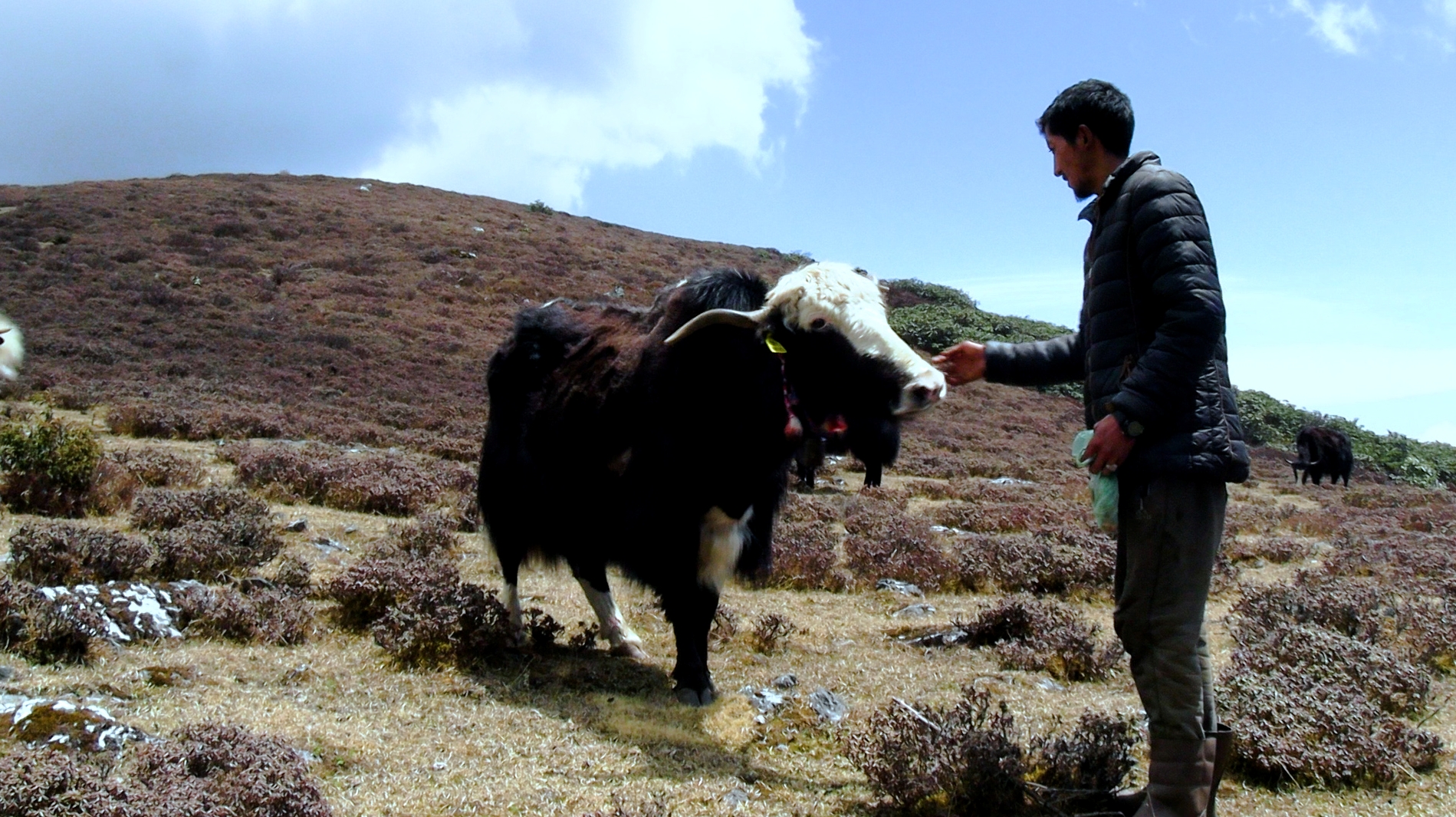
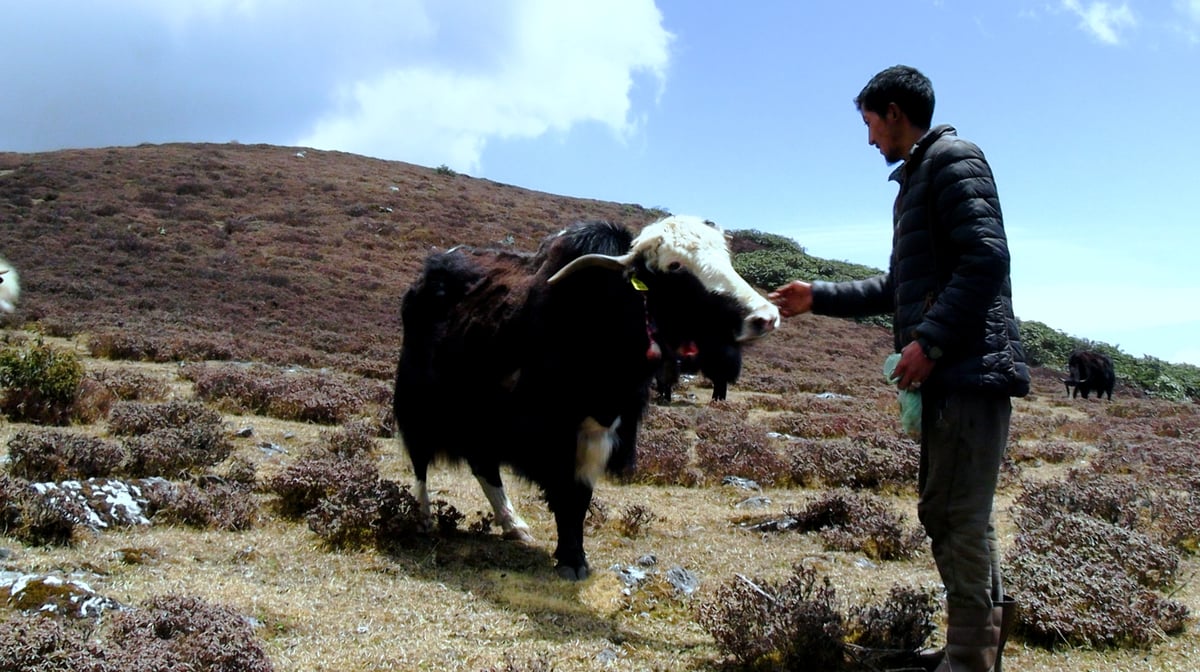
A nomadic herder consults an astrologer from 4,800m up in the highlands of Bhutan, searching for his 30 missing yaks. The film explores the uncertainties of nomadic life and how faith and ancient beliefs continue to guide those who live in the high mountains.
12 mins | Bhutan
Director: Nima Tshering & Thubtoen Tshering
Bite The Bullet
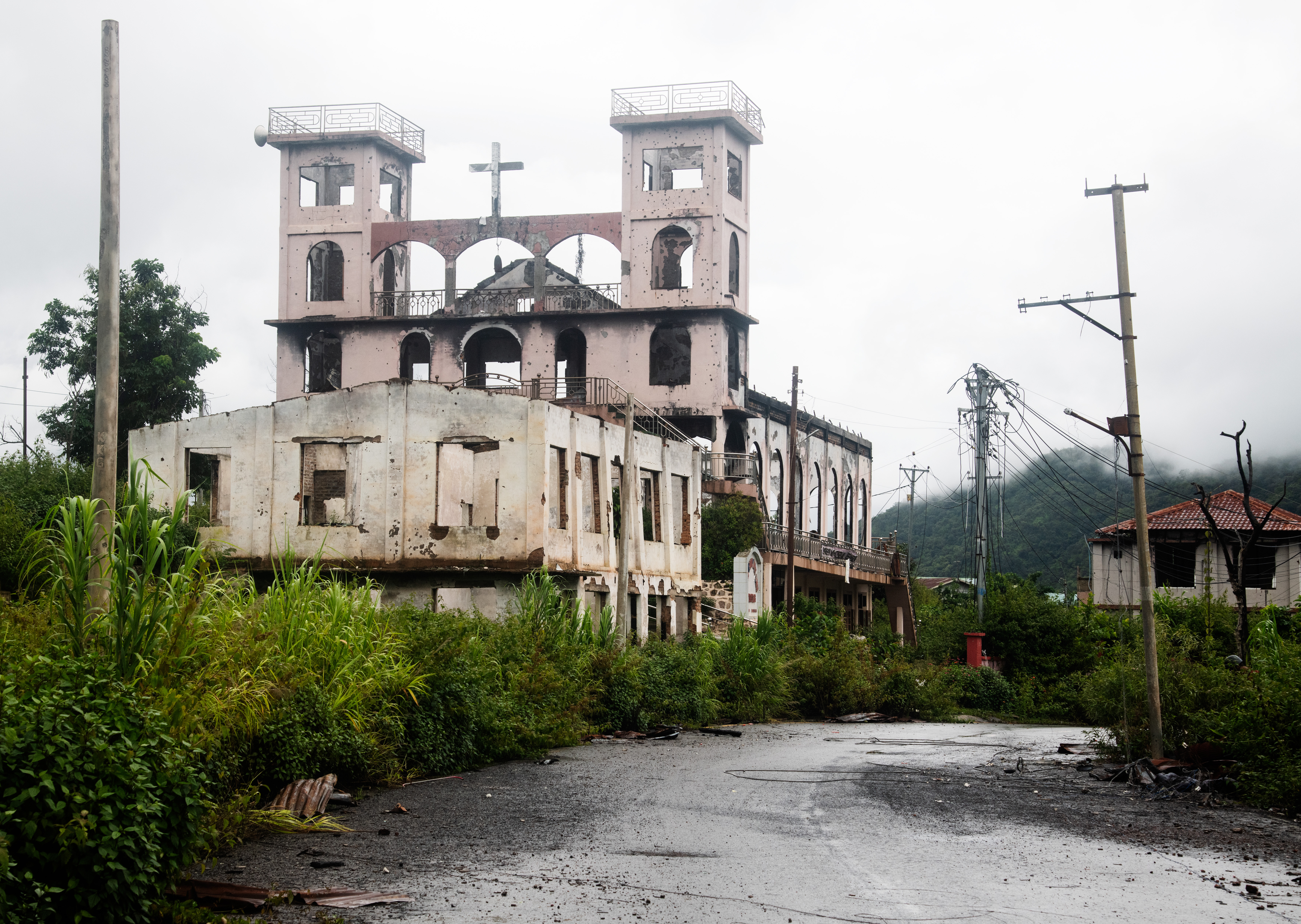
Highlighting the forgotten struggles of refugees and youth fighting for their future and rights in Myanmar, Bite The Bullet is a gripping story of resilience, loss and hope.
20 mins | Myanmar
Director: Sai Kyaw Khaing
I Am Mine, and I Am Yours Too
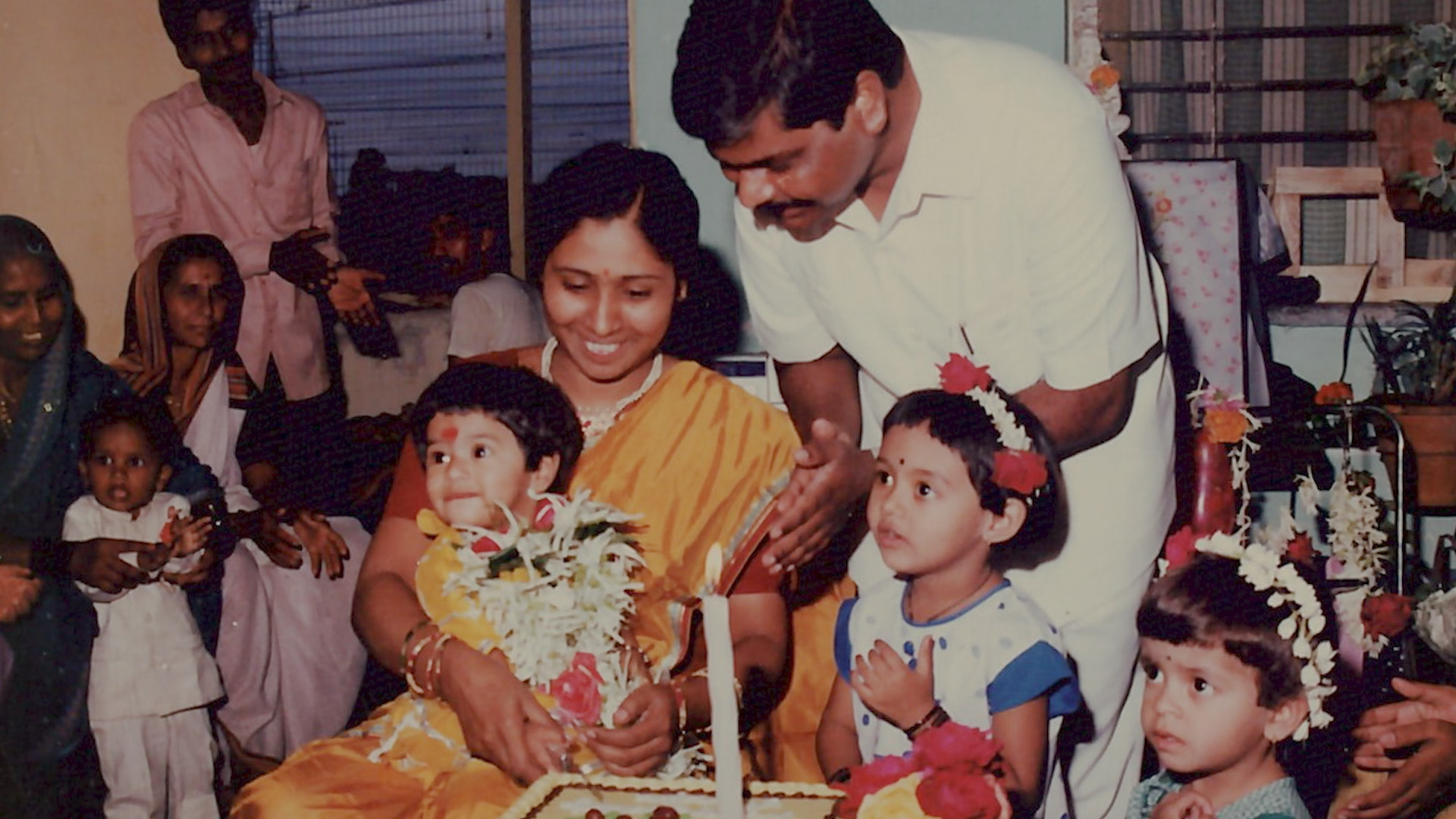
A filmmaker traces the legacy of Dr B R Ambedkar through his mother’s intercaste marriage, uncovering how caste persists across generations and intimate relationships. The film is a search for a language of love within social structures that continue to enforce hierarchy.
20 mins | Myanmar
Director: Sai Kyaw Khaing
Student Film
JAAN
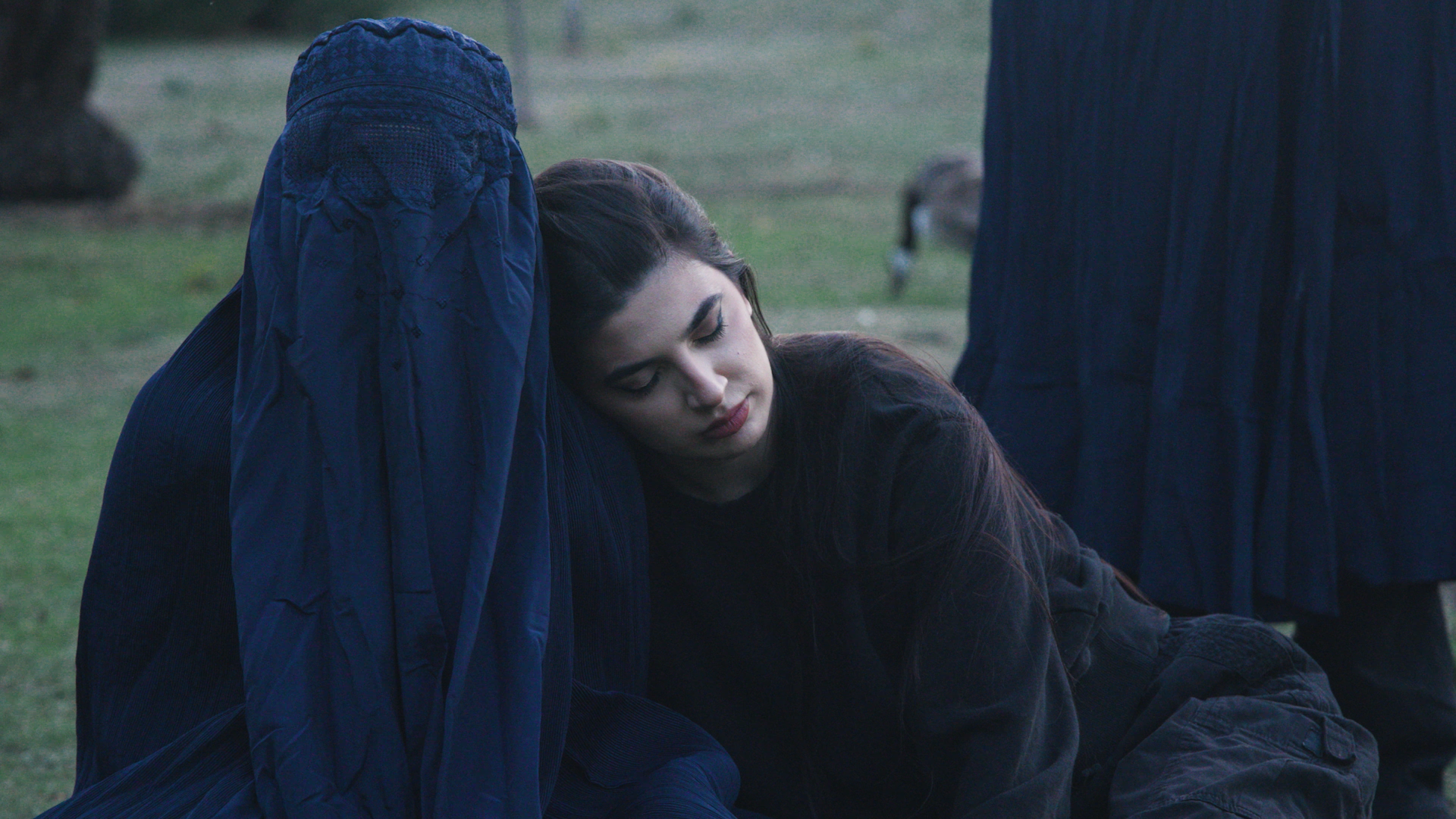
Spirited Afghan women survive repression through song and dance. Told through the filmmaker’s mother’s forbidden cassettes and dances, the film portrays the verve and vigour of Afghan women across generations.
20 mins | Afghanistan, United Kingdom
Director: Lena Mohammed
Student Film