
Twenty-two years ago on 10 August 2004, two months after he was abducted and after being tortured, journalist Dekendra Raj Thapa was buried alive. He would have been 55 today.
The Maoist insurgency had been going on for eight years with no end in sight. Dailekh district was at the epicentre of a women-led resistance against the war, and local guerrillas wanted to make an example of a popular media person and social worker.
This year marks 30 years since the Maoists launched their armed struggle, and 20 years since the ceasefire in 2006. Yet, many of the families of the 17,000 killed and 1,335 forcibly disappeared, are still waiting for justice or closure. Dekendra’s mother, wife, two daughters and a son are among them.
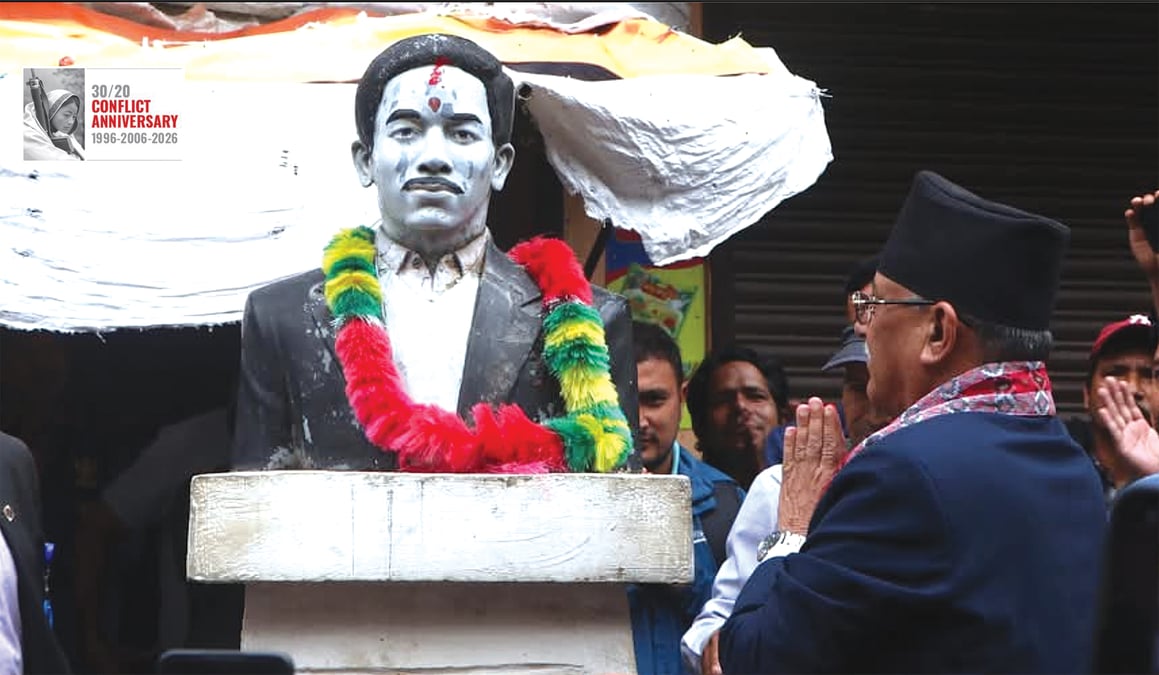
Last week, the supreme commander of the former Maoists Pushpa Kamal Dahal ‘Prachanda’ travelled to Dailekh to try to make amends. He paid his respects at Dekendra’s statue at an intersection in the town named after him. He also met Dekendra’s elderly mother, Gangadevi, and his wife Laxmi.
During the height of the conflict, the Maoists had cut off the water supply to the town, so a delegation of journalists went to Toli village to negotiate. Dekendra was detained in the house of a local Maoist Lachhiram Gharti.
After nearly two months, eye-witnesses saw him being dragged out to a school classroom, hung upside down and beaten. Gharti later told a court hearing that after severe torture, Dekendra asked for water before losing consciousness.
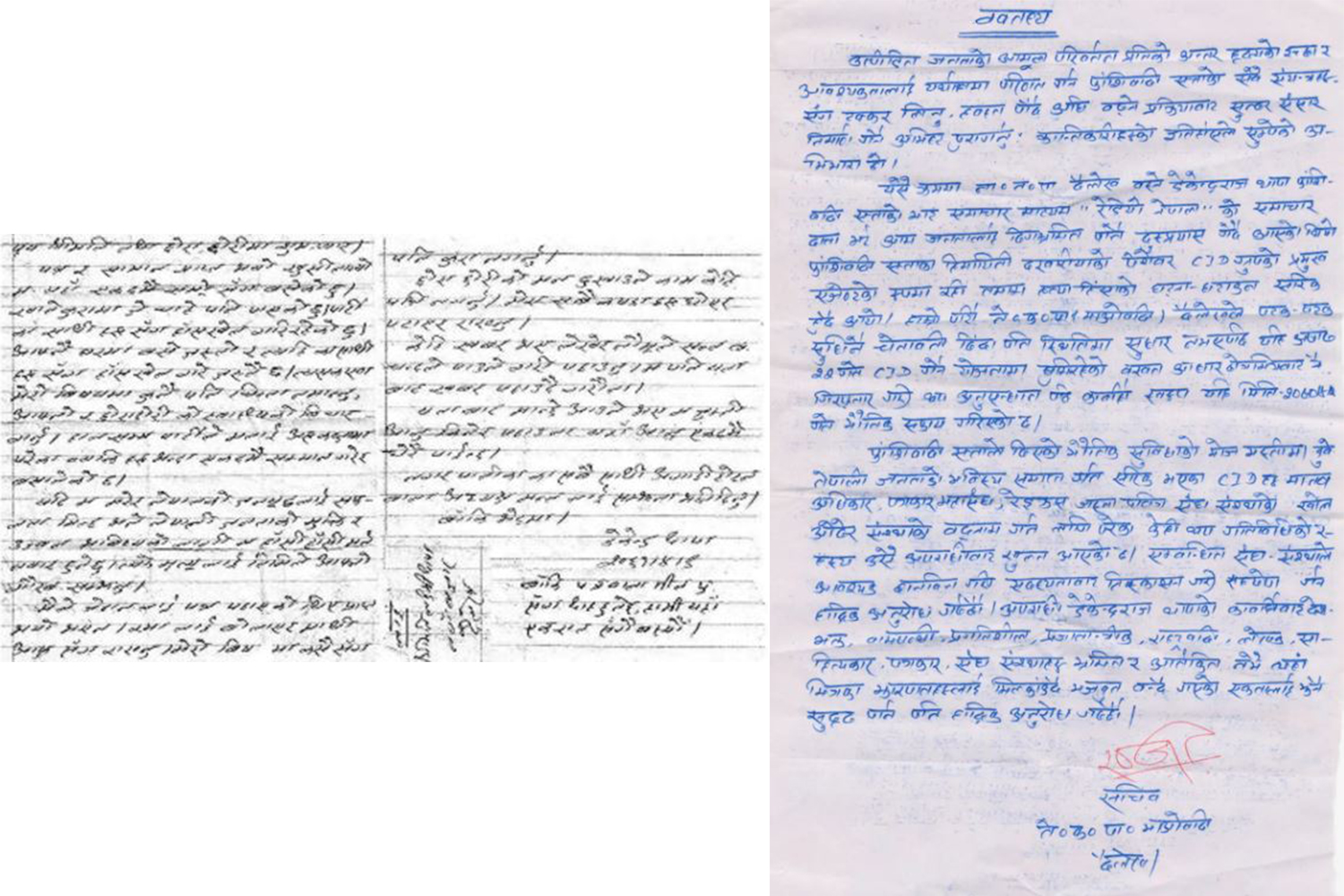
The guerrillas issued a statement saying he had been ‘terminated’ for being a spy, but a month later Maoist leader Krishna Bahadur Mahara said it was a mistake and issued self-criticism on the party’s behalf.
With the conflict over, a Maoist-led government was elected in 2008 raising hope that the truth would finally come out. But for four long years, despite rallies to put pressure on the state, Dekendra’s burial site was kept secret.
Then, in August 2008 with the effort of the human rights groups and information from Gharti, forensic experts led by Harihar Wasti exhumed Dekendra’s body from a shallow grave in a forest behind a school in Dwari.
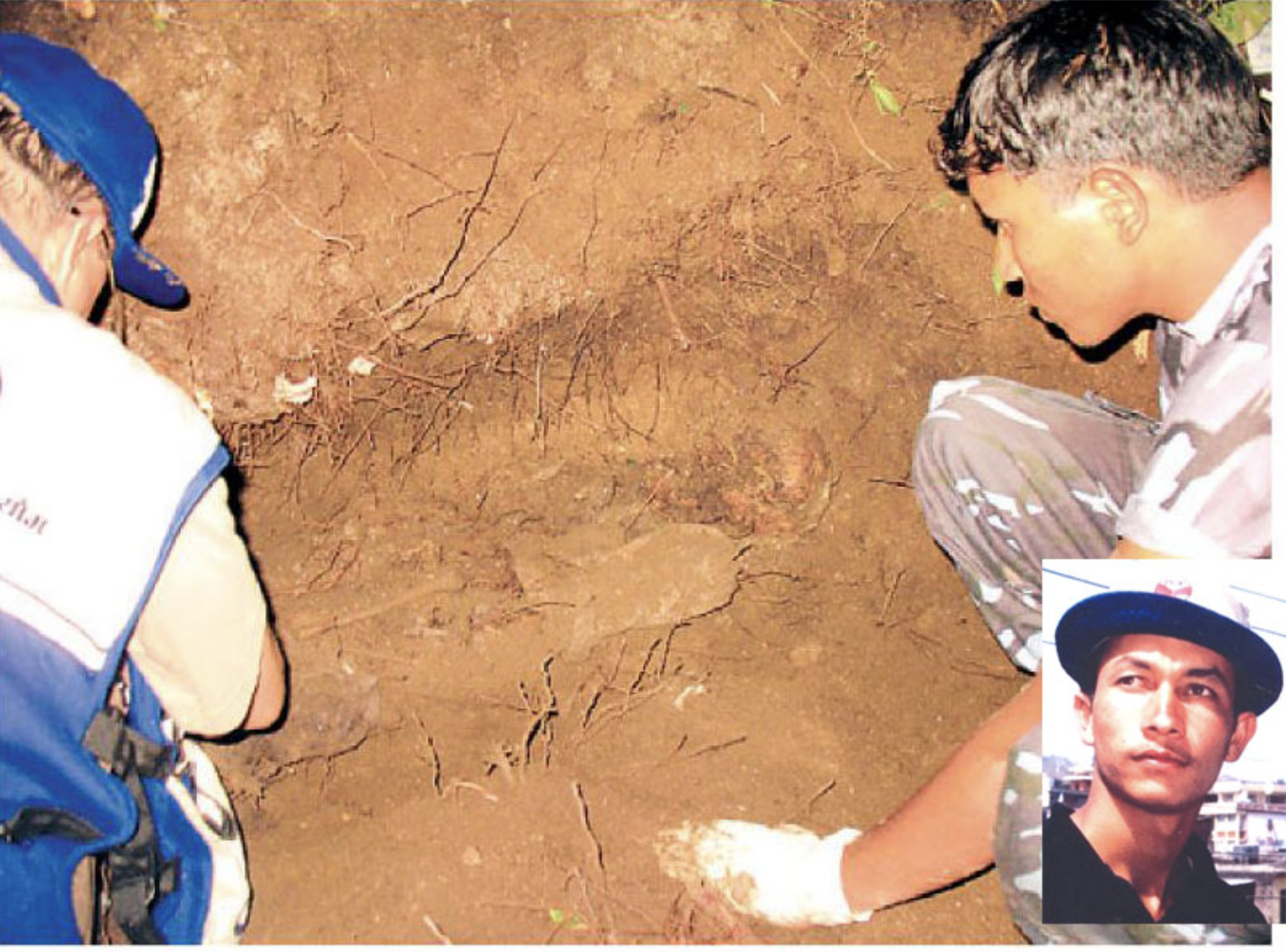
Wasti and his team analysed the skull, broken femur and elbow, and determined that Dekendra Thapa had suffered severe trauma before being buried alive. His remains were cremated, and the murder became a national and international issue. Altogether nine journalists were killed during the decade-long conflict: five by the state and four by the Maoists.
Laxmi Thapa lodged an FIR with Dailekh Police naming Bam Bahadur Khadka (Mukti), Keshav Khadka and Lachhiram Gharti for being behind her husband’s abduction, torture and murder.
They were arrested despite Maoist-appointed Attorney General Mukti Pradhan’s attempt to stop the investigation. They all served their terms and have been released. In 2014, the district court with new evidence convicted Bam Bahadur Khadka (Mukti), Bam Bahadur Khadka (Arun), Bhaktiram Lamichhane and Keshab Khadka of Dekendra’s murder. Except Mukti, the three are serving sentences in Dailekh District jail.
Dekendra's case is one of the few in Nepal’s transitional justice system in which a war crime has been investigated and some of the perpetrators punished under the country’s criminal law. Otherwise, the transitional justice process is in limbo, and it does not seem to be the priority for a government that came to power after last year’s GenZ movement.
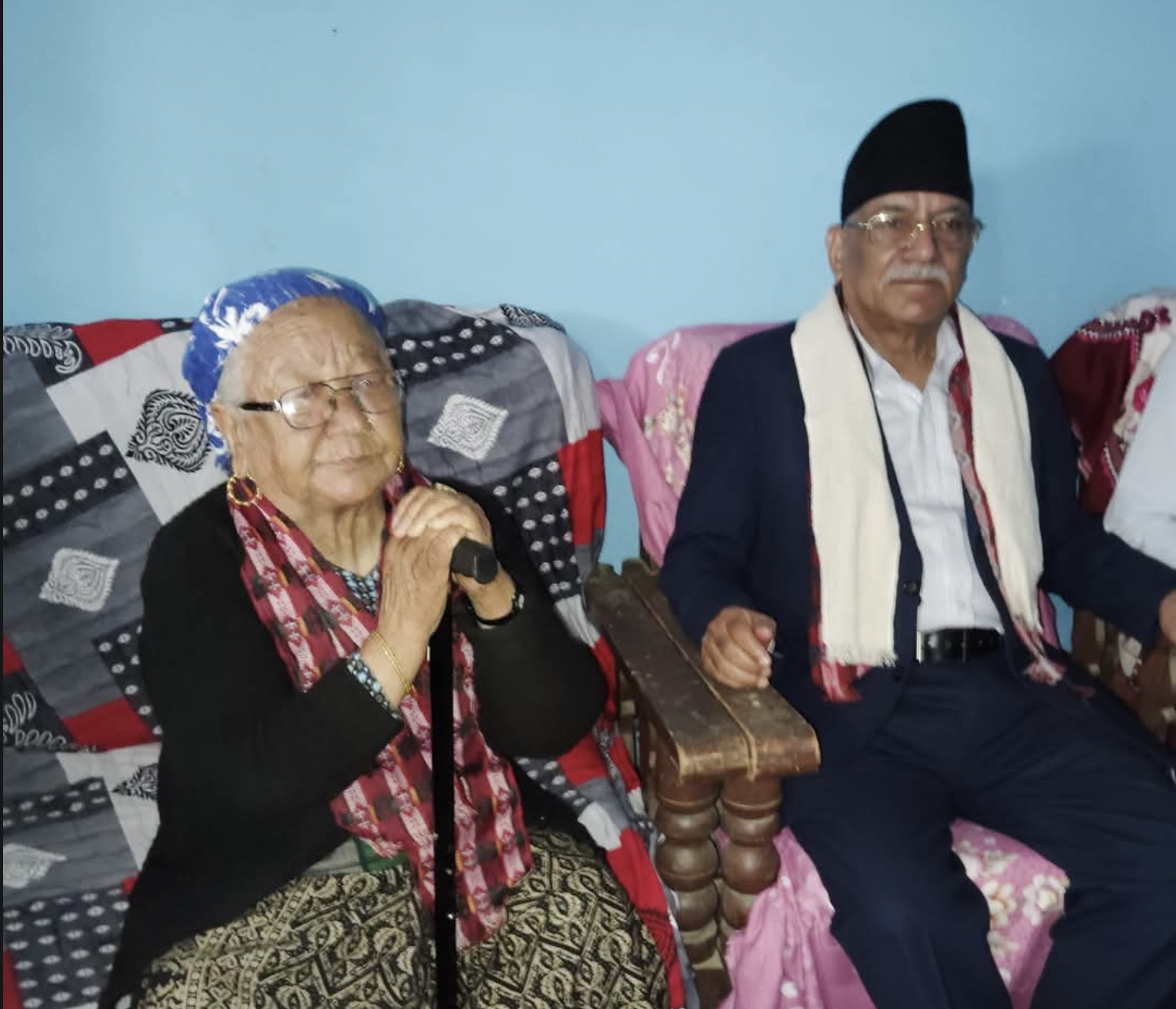
“The country has been through a lot in the last 22 years, we have come a full circle,” said Dekendra’s mother Gangadevi after meeting former Maoist chair Pushpa Kamal Dahal this week. “But we still feel the loss, and from time to time, the pain pierces us.”
Yaggya Raj Thapa is a journalist and Dekendra’s younger brother.
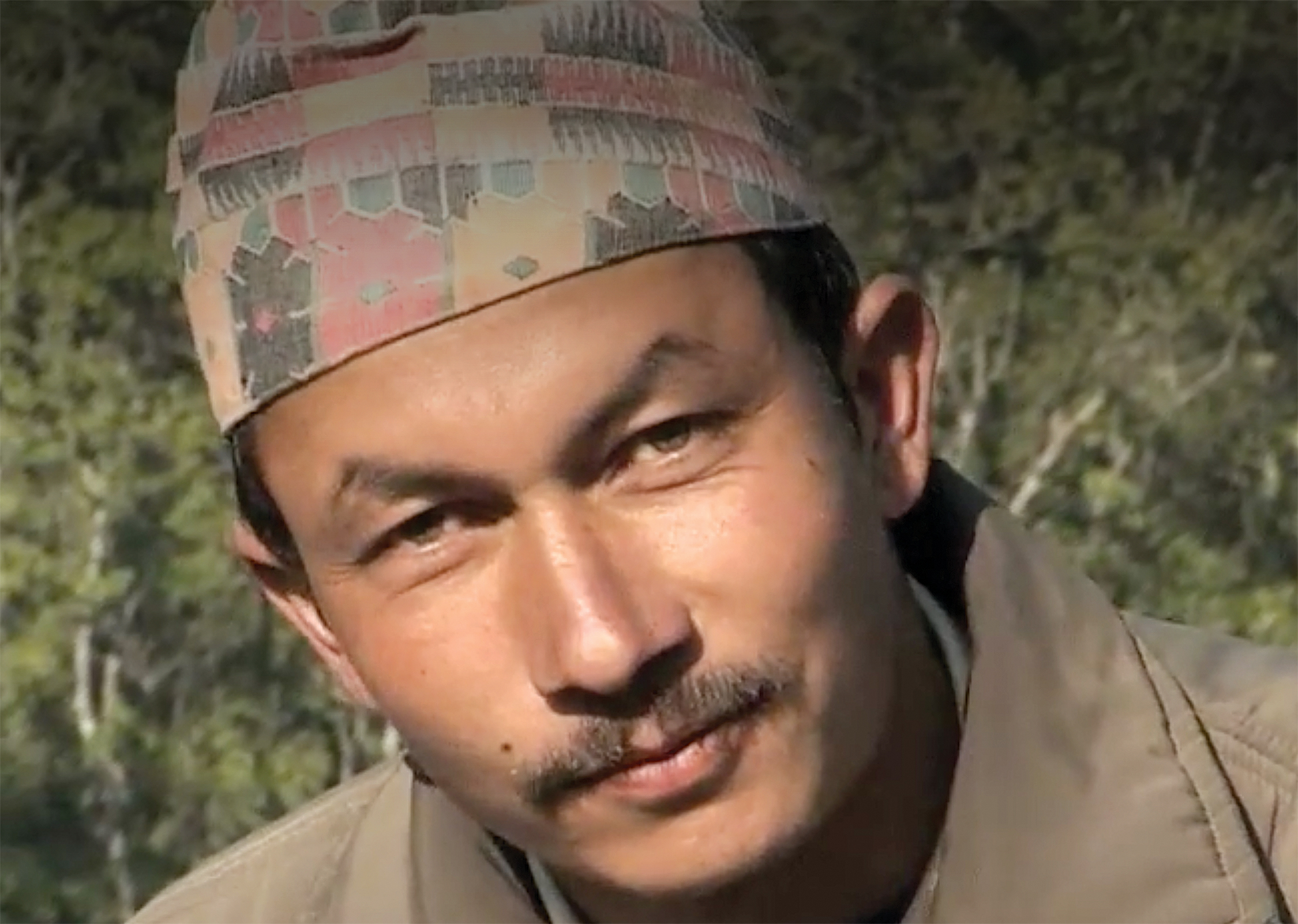
Watch Dhruba Basnet’s video of Dekendra Thapa singing Karnali song.