
 |
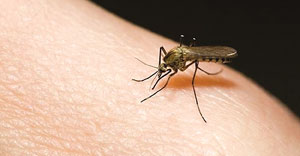
Now that summer is here, it may be useful to look at what our unfriendly mosquitoes are up to, especially in spreading dengue fever. Dengue emerged from Africa during the slave trade from the 15th through 19th century and spread into Asia through commercial exchanges in the 18th and 19th centuries. With the advent of increased travel and trade in the past 50 years, the global presence of dengue is now clear.
In recent years, dengue has been widespread in the Tarai regions especially during summers. Even in Kathmandu dengue has been seen in the occasional patient.
This spread is not surprising because of two reasons: a migrant population with the disease and an abundant supply of the particular vector (carrier) mosquitoes. Due to our porous border with India, many migrant labourers (both Nepalis and Indians) with the disease enter Nepal. The vector mosquito enjoys a blood meal from these infected patients and transmits the disease to a healthy person after a bite.
Importantly, different species of mosquitoes transmit different diseases. So the mosquito that transmits malaria will not transmit dengue. Mosquitoes that transmit dengue are called aedes, whereas it is the female anopheles which transmits malaria. The other important vector (culex mosquito) transmits Japanese encephalitis.