
Nepali Times: Nepal has always had a food crisis, why is this one so serious? 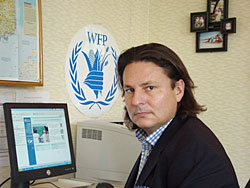
Richard Ragan: Even prior to this crisis, every other child under five in Nepal faced chronic malnourishment which means they can't reach their full mental or physical potential because they don't have enough food to eat. These figures are comparable to many Sub-Saharan countries. Now add to the hunger problem the recent crises: successive years of drought, double digit food inflation, paused development because of conflict, and the global economic meltdown. It's a country-wide disaster in the making that could undo hard won gains Nepal has made during the last two decades against poverty and hunger.
When will we start seeing the impact?
We are already seeing the impact. More than 40 per cent of Nepal's population is undernourished and more than 30,000 children die every year of malnutrition-related diseases, yet this has yet to grab headlines here or in the world.
What does the government need to do urgently?
There are millions of people hungry now that need help to save their lives. Addressing hunger and providing basic services like medical care needs to be a national and international priority. Both the government and the international community need to address immediate hunger and medical and sanitation needs, while at the same time investing in basic infrastructure so that people can pull themselves out of the hunger trap. I believe food for work activities are a key part of the response because it meets hunger needs while enabling people to build infrastructure that contributes to longer-term food security.