
High fuel costs and concerns about air safety have dampened growth of Nepal’s domestic aviation sector despite passenger demand remaining high.
Prominent media coverage of the crash of Yeti691 in Pokhara on 15 January led to massive cancellations just as bookings were being firmed up for the spring trekking season. For one month, passenger volume dropped sharply, but is now picking up again.
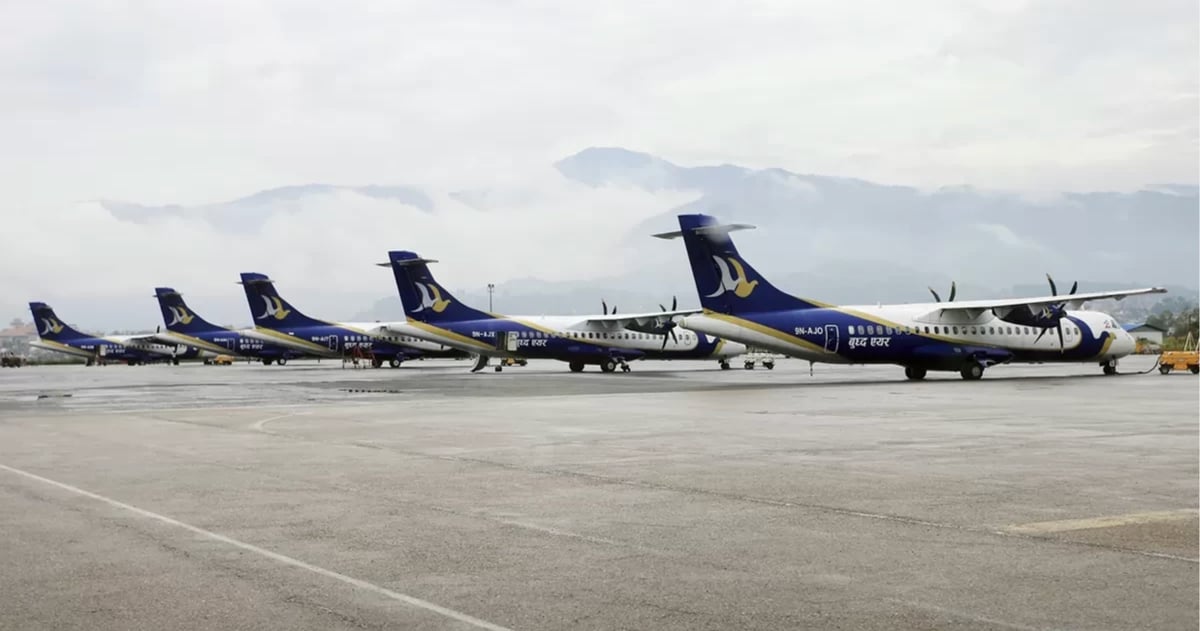
Pokhara still wears a deserted look, and tourist footfalls have fallen along popular trails in Manang and Annapurna. Even so, Nepal’s biggest domestic airline Buddha Air is making Pokhara’s newly opened international airport its new hub for cross-sector flights.
From 9 March it is basing five planes in its all-ATR fleet of 14 aircraft in Pokhara for daily early morning departures to Bhadrapur, Bharatpur, Simara, Bhairawa, Nepalganj and Kathmandu. Pokhara airport will also be opened for night flights this week.
The robust passenger demand is due to the poor condition of the main highways to Pokhara from Kathmandu and Bhairawa which makes air travel attractive despite high fares. Another contributing factor is domestic tourism, as more and more young Nepalis discover their own country.
“Pokhara is a game-changer,” says Buddha Air’s Managing Director Birendra Bahadur Basnet. “We are excited about Pokhara becoming our secondary hub.”
Basnet’s optimism comes despite considerable headwinds from high price of Aviation Turbine Fuel (ATF) which is now Rs170/l, more expensive cost of operations because of the strong dollar vis-a-vis the Nepali rupee, as well as difficulties in sourcing aircraft components because of continued global supply chain constraints.

Added to this is air traffic congestion at Kathmandu airport, which forces planes to burn fuel on extended holding queues for landing.
Buddha Air's business plan appears to focus on diversifying its operations base, pioneering new domestic inter-city routes and expanding connections to north Indian cities beyond its current thrice-weekly Kathmandu-Varanasi flights.