
The last Sunday in January is World Leprosy Day. Since 2006, I have issued an annual Global Appeal to End Stigma and Discrimination against Persons Affected by Leprosy, supported by influential individuals and organisations around the world.
Amid the coronavirus pandemic, which has shown how easily fear and anxiety about a disease can fuel prejudice, I believe this call to eliminate stigma and discrimination is more important than ever.
Leprosy, also known as Hansen’s Disease, is a chronic infectious disease caused by the bacillus Mycobacterium leprae. It mainly affects the skin and peripheral nerves and is one of the oldest diseases in human history. Yet each year, around 200,000 new cases are reported globally.
In Nepal, 2,304 new cases were reported in 2020 and it is one of 23 countries on the WHO’s priority list for leprosy. Most cases are found in Madhes Province bordering India.
Today an effective treatment exists in the form of multidrug therapy (MDT) and with early detection and treatment, the disease can be cured without complications. But if treatment is delayed, leprosy can cause progressive impairment and lead to permanent disability.
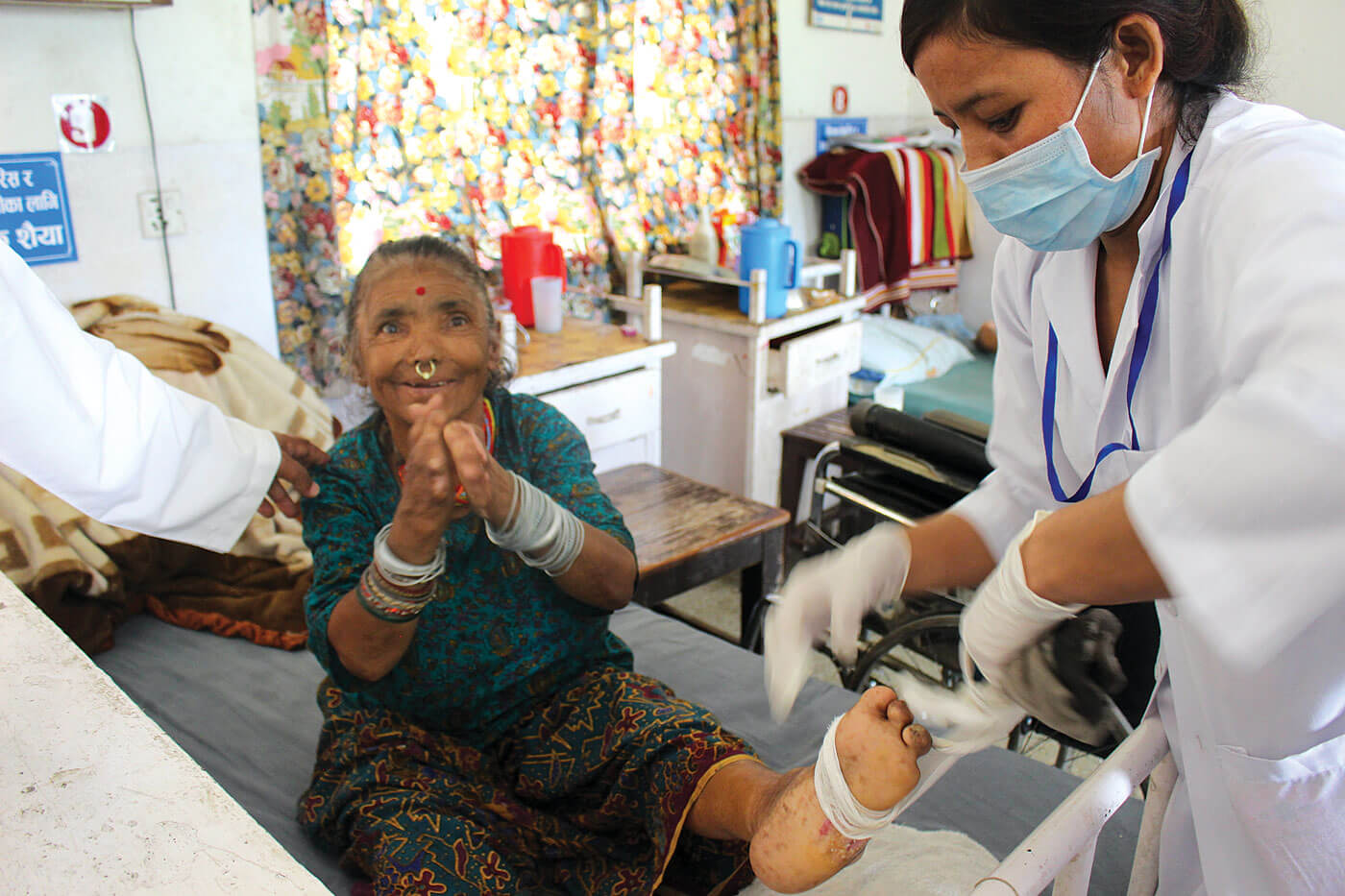
There are an estimated 3-4 million people living with some form of disability due to leprosy. This fact, together with deep-seated fears and misperceptions about this age-old disease, has subjected persons affected by leprosy and even their family members to severe discrimination, which continues to this day.
Since becoming WHO Goodwill Ambassador for Leprosy Elimination in 2001, I have visited some 120 countries to see the situation for myself. This has led me to think of leprosy in terms of a motorcycle: the front wheel symbolises curing the disease, and the back wheel represents eliminating discrimination. Unless both wheels are turning together, we will not reach our ultimate goal of zero leprosy.
As regards to the front wheel, efforts against the disease, including new case detection, have been badly disrupted by the spread of the novel coronavirus and efforts to prevent transmission. In 2020, the number of new cases reported was down to 37% year on year, according to the WHO, largely due to the impact of Covid-19.
Concerning the rear wheel, I have worked hard to have leprosy recognised internationally as a human rights issue since the early 2000s, when I first approached the Office of the UN High Commissioner for Human Rights. One result has been the adoption in 2010 of a UN General Assembly on elimination of discrimination against persons affected by leprosy and their family members.
But the real measure of success will be when principles and guidelines accompanying the resolution are fully implemented. Because of the pandemic, however, awareness-raising efforts in many areas have stalled, and some people have found that Covid-19 is exacerbating the discrimination they already experience as persons affected by leprosy.