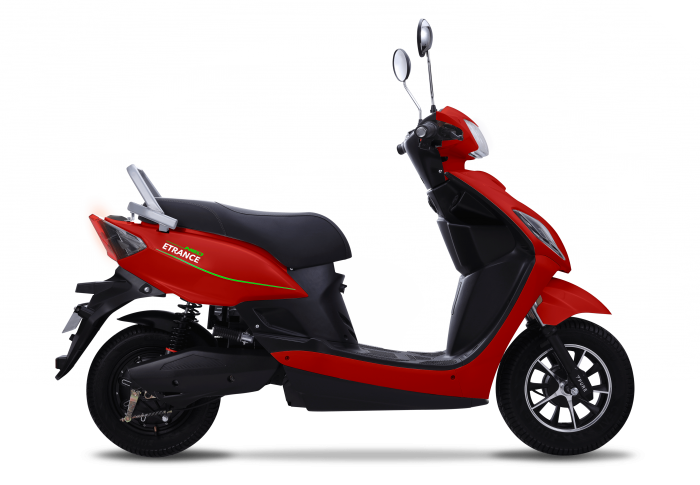
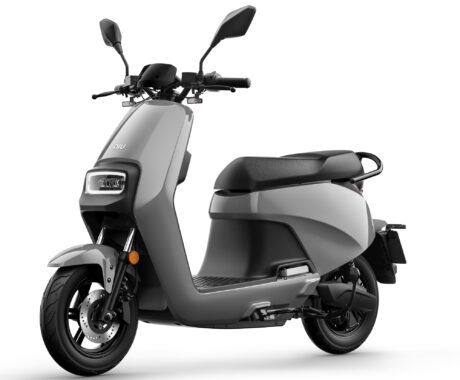
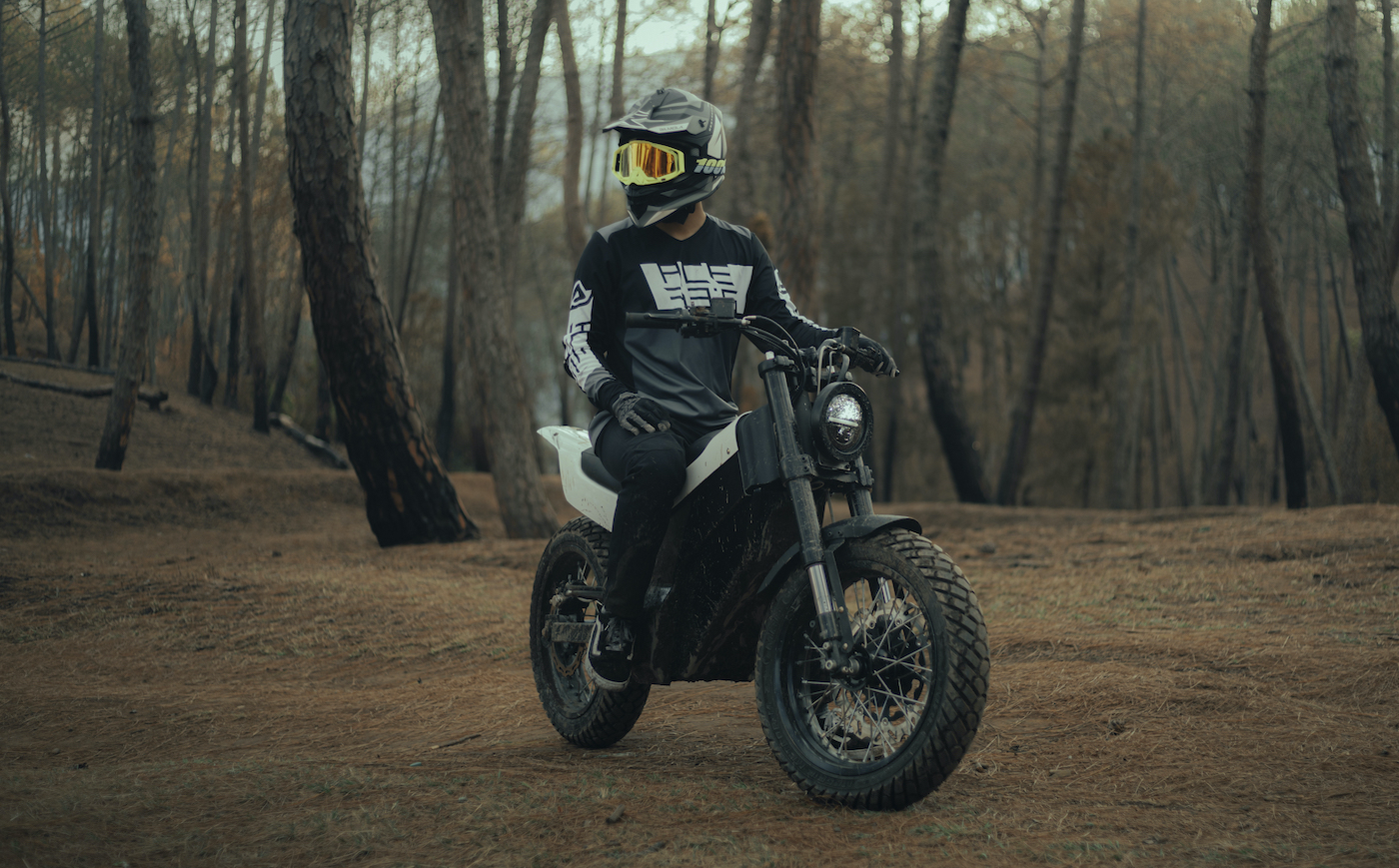
There are 1 million two-wheelers in Kathmandu Valley, and they make up 79% of Nepal’s total vehicle fleet. Of the total two wheelers operating across the country, only 6,000 are electric. In addition, there are nearly 15,000 motorcycle taxis (essentially three-wheelers) operating in the Tarai.
Although the contribution of motorcycles and scooters to overall greenhouse gas missions from the transport sector is only 8%, two-wheelers are a public health hazard because of their emissions of deadly carbon monoxide and other toxic gases.
If Nepal is to clean up its air and reduce petroleum imports, the lowest hanging fruit is the electrification of two-wheelers. China has already stopped producing petrol two-wheelers, and India is expected to follow suit. Nepal is going against its own Nationally Determined Commitment (NDC) to lower carbon emission by allowing a new assembly plant for two-wheelers and giving it a tax break (see main story, above).
Battery powered 2-wheelers till now lacked suitable models, and the affordability of existing petrol scooters. “Most Nepalis own two-wheelers, and use them for long distances with heavy loads on Nepal’s dangerous roads,” says Lokesh Oli, who reviews electric vehicles on his YouTube channel. “The limited range and cost of electric two wheelers and the lack of charging stations made them less suitable.”