Much of our species’ 300,000 years of existence has been spent foraging, hunting, and gathering in the forests. And nomadism is in our blood, as it were.
Our ancestors were still nomadic when they left their African homeland 100,000 years ago and ultimately colonised all six continents. But even after leaving Africa, they continued practicing nomadism for tens of thousands of years.
Although nomadism has been the primary way of life for most of human evolution, 10,000 years ago some of our ancestors gave it up, settled down, and began farming– a practice that continues today.
The success of early agriculturalists inspired most cultures across the globe to transition to farming settlements. Slowly, nomadism became the norm of the past.
Yet, some human populations resisted the new ways of life and continued their foraging, hunting, and gathering lifestyles. Only a handful of them have survived to this day. The Raute of Nepal are the last of the nomadic hunter-gatherers in the Himalaya.
In 2006, while I was researching about the indigenous peoples of Nepal for a study in human genetics, I was surprised to find a chapter in Dor Bahadur Bista’s book, सबै जातको फुलबारी in which he described the Raute as one of the ancient peoples of Nepal.
Bista highlighted that there was not enough study on the Raute but postulated that they potentially descended from an Australoid population. The origins and history of the Raute remains unknown to this day.
In 2016, I finally got the opportunity to meet with the Raute people. From Kathmandu, my fellow researcher Yoshina Gautam and I flew to Nepalganj, where we met Prof Guru Prasad Gautam, who has established a long working relationship with the Raute.
Read also: Imagine no possessions, Kunda Dixit
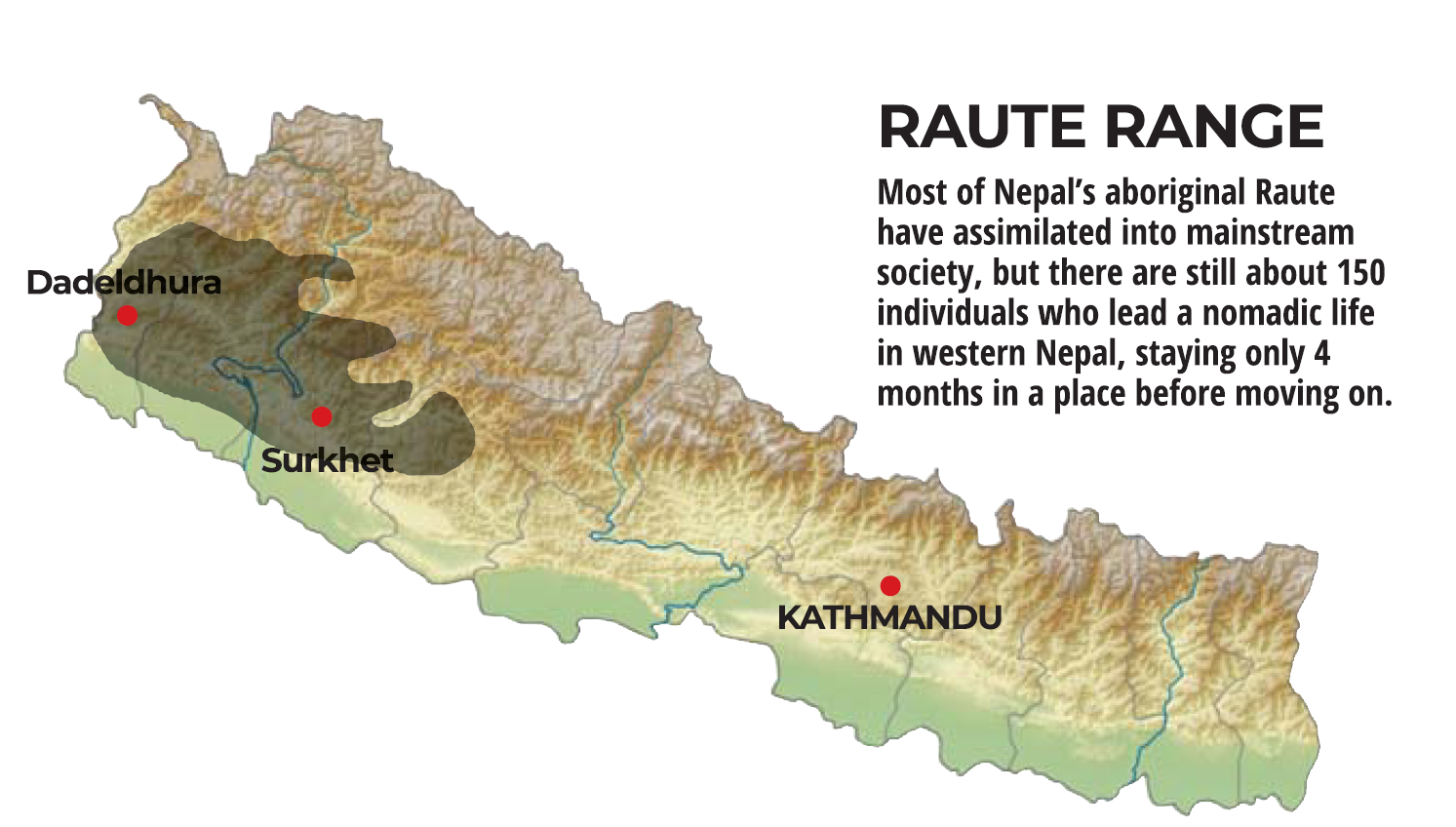
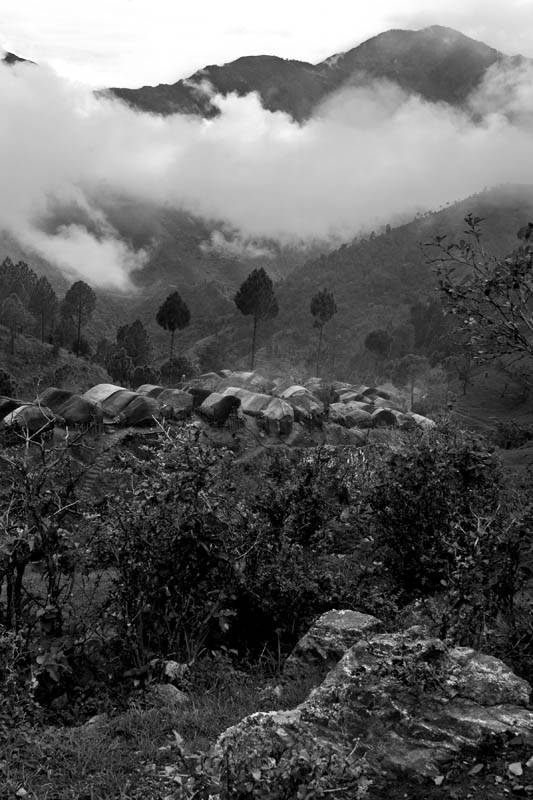
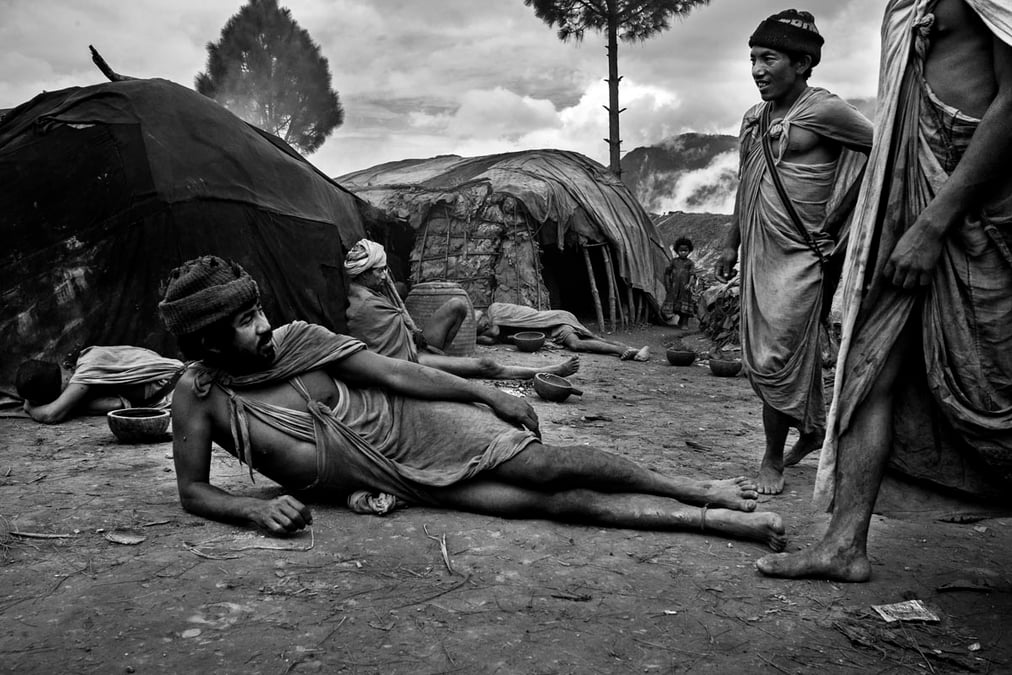
We drove up the winding accident-prone Karnali Highway for several hours and reached Tunibagar of Dailekh district, a small town serving as a rest stop for trucks. We hiked several hours the next day to reach the Raute camp located on the banks of a small river in Achham district. At first the Raute were apprehensive of us, but they gradually opened up.
The Raute are elusive and mystical, divine yet destitute, enlightened albeit unschooled, appreciated and disliked by mainstream society. Because of their nomadic lifestyle, duodecennial nature, and preference for obscurity the Raute are portrayed as fearsome and savage in folklore.
Yet the Raute consider themselves divine: direct descendants of Lord Ram, and therefore entitled to rule the forest as kings. They also hunt monkeys, a sacred Hindu symbol that local farmers would not dare to harm despite the nuisance and toll the monkeys take by destroying crops.
They navigate high hills of far western Nepal with precision and are remarkably knowledgeable about the nutritional and medicinal value of hundreds of local plants. The Raute do not seem to disturb the settlers’ lives and livelihoods at all, yet their existence seems to irritate them.
While later settlers sometimes regard the Raute with curiosity, most of them flatly reject the Raute way of life. Their claims of divinity despite their destitution are incomprehensible to the settlers. The only desire the Raute have is the right to their isolation, and the settlers promise them everything except that.