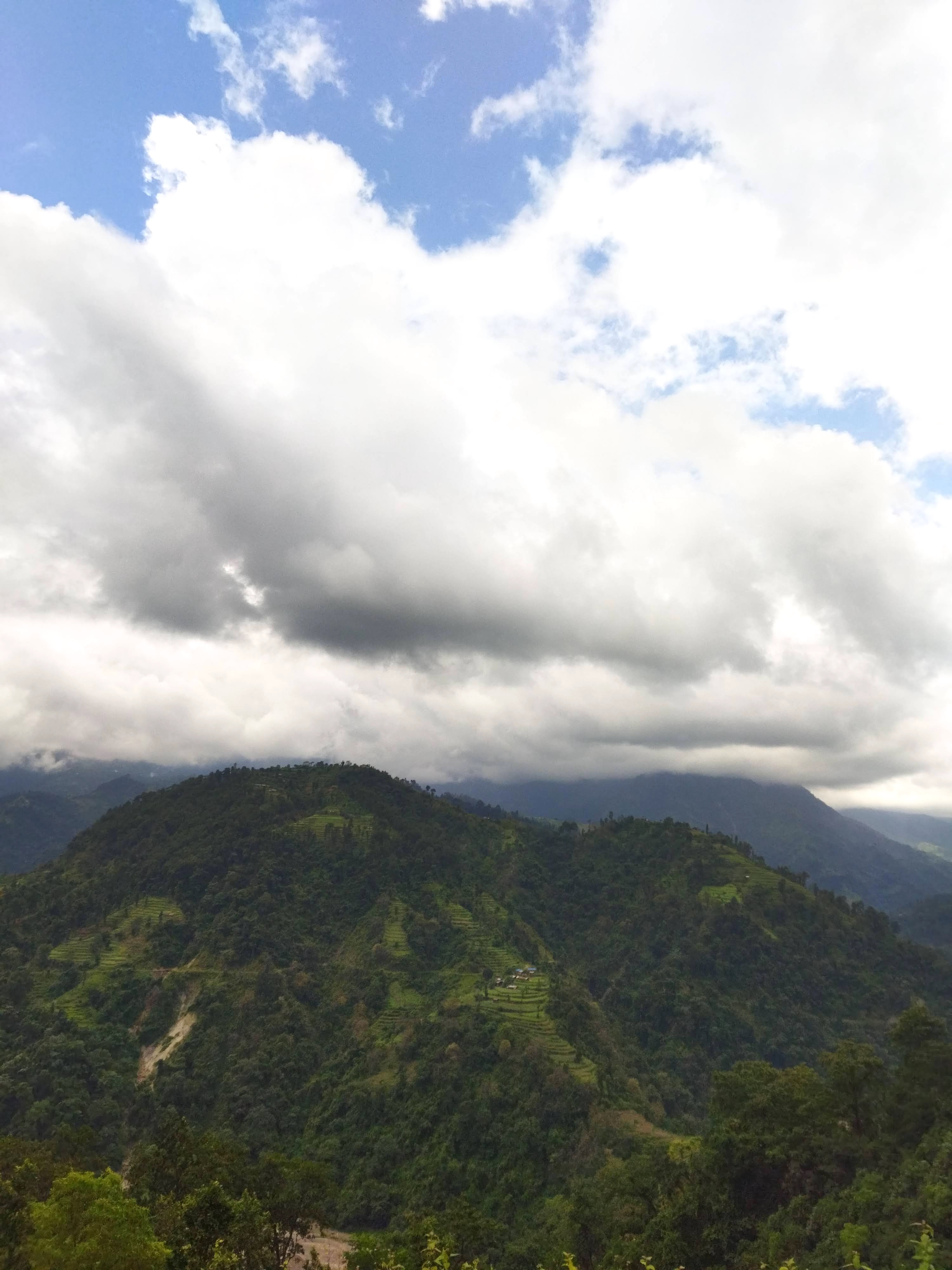
The cultures of Indigenous peoples across the world have traditionally depended on native plants and animals. It is when these culturally significant species start disappearing that the ways of life of those communities are also threatened — as is happening with Nepal’s semi-nomadic Chepang people.
The Chepang live along the Mahabharat sub-Himalayan belt, and their slash-and-burn lifestyle has always been inextricably linked to the versatile चिउरी Indian Butter Tree. But the accelerated destruction of the chiuri has imperilled Chepang traditions, culture and way of life.
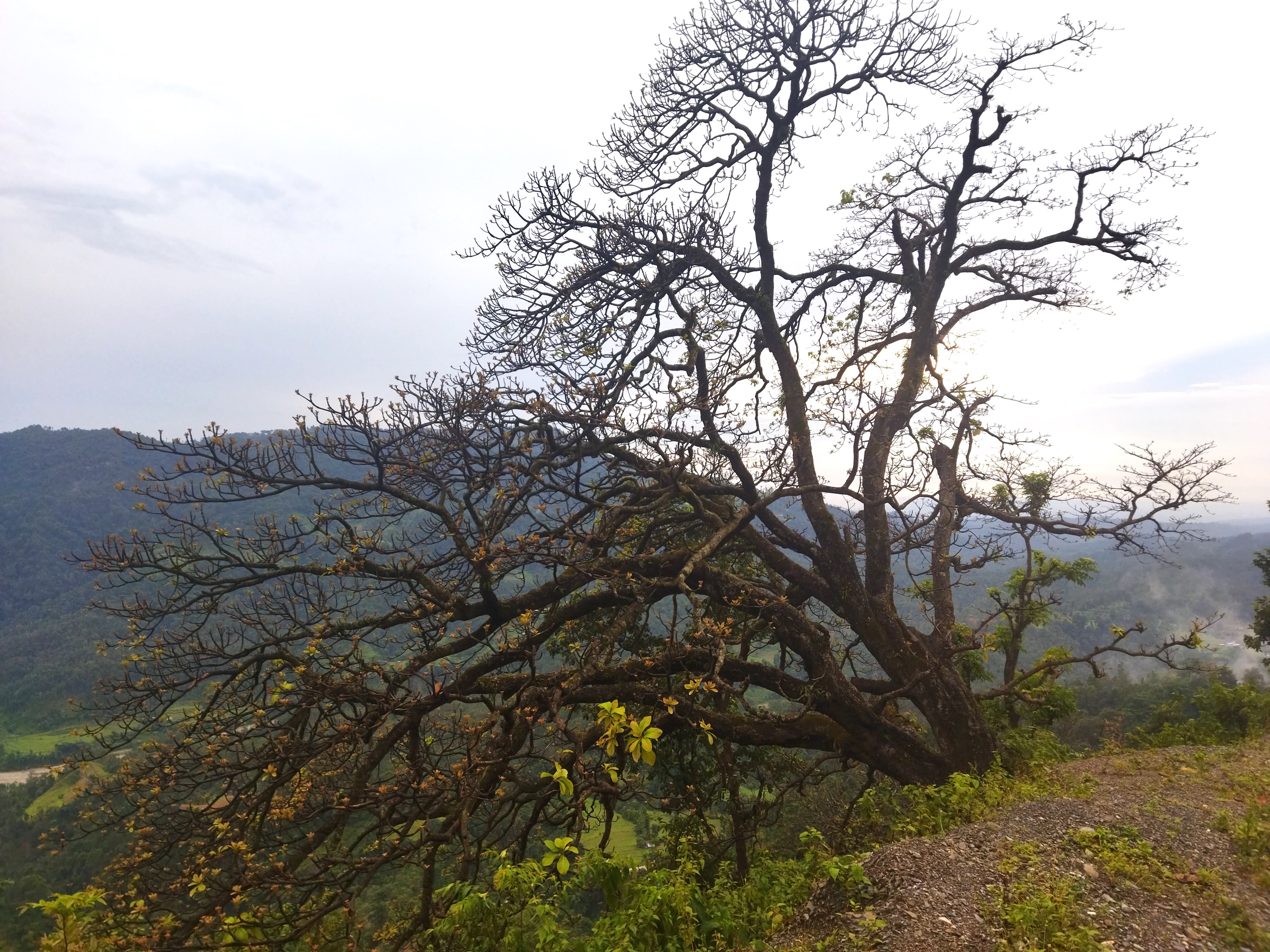
Known by its scientific name Diploknema butyracea, the Indian Butter Tree is the source of food, fuel, pesticide, fertiliser, cosmetic lotions, and is even given as dowry.
Here in the rolling hills of Makwanpur district south of Kathmandu, Ramesh Praja remembers fondly the festive chiuri flowering season in winter, when the entire forest used to hum with bees to the blossoms.
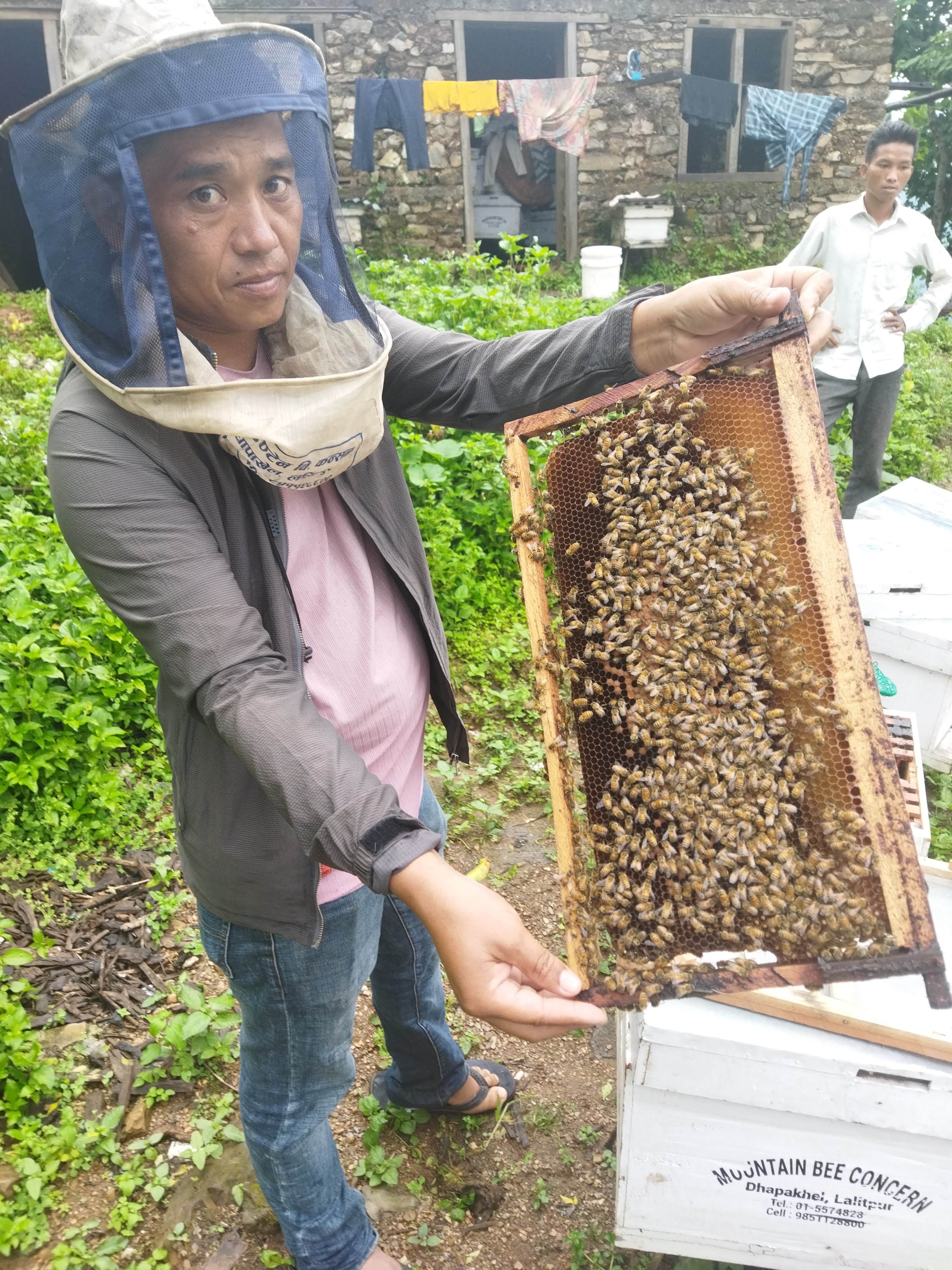
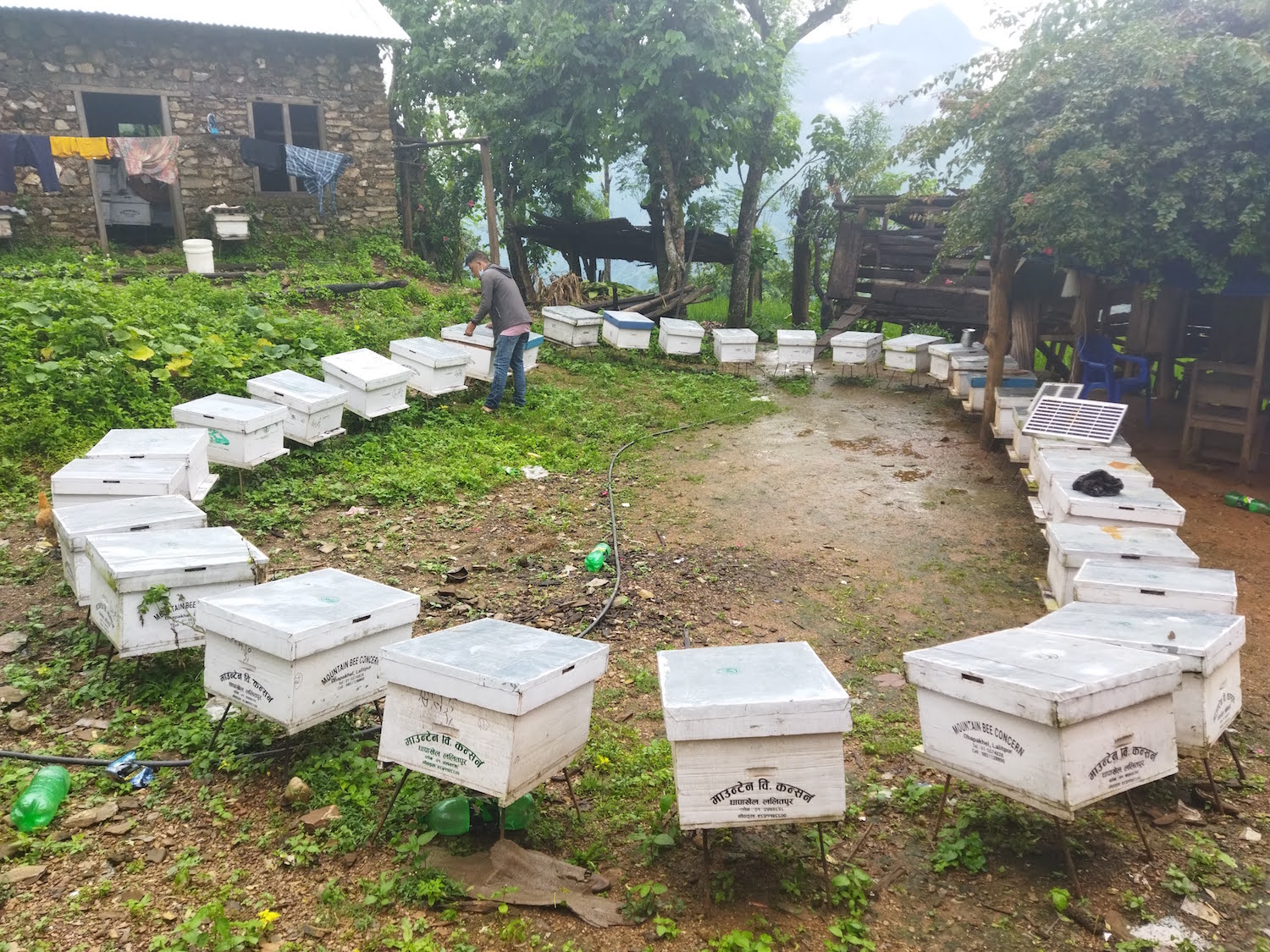
Honey from hives of chiuri bees are especially delicious, and is said to have medicinal properties. Once they had the taste of chiuri honey, Praja remembers townspeople hiking up to Chepang villages to buy more.
By evening, it would be the bats that would fly in to sip the nectar, and pollinate the chiuri flowers. The Chepang also hunted the bats, and it is a tradition in winter for relatives to gather around in the village and feast on tasty barbecued bats, inviting honoured guests.
The trees fruit in spring, and it is another important food item in the Chepang diet. The seeds are ground and turned into butter that used to be taken down to the market in Chitwan, where the Chepang bartered it for salt and clothing.
The hull from seeds are also used as organic pesticides and fertilisers on crops. Powered chiuri husk was also useful to sprinkle on water to drug fish and make them easier to catch.
The chiuri butter had antiseptic properties, and the Chepang rubbed it like a lotion on their chafed hands.
“We grew up with chiuri and in the company of bats,” Praja recalls. “The trees are now disappearing, and the bats too are gone.”
Ramesh Praja has given up his people’s traditional forest life, and now runs a small shop by a new dirt road that has snaked up to the village. His family now cooks in oil bought at the market, and not anymore in chiuri butter.
There are many factors that are depleting the trees: the climate crisis has dried up perennial springs and lowered the water table, chiuri saplings do not take root in the forest as they used to, road construction and expansion of settlements have led to landslides that destroyed the trees that were left. The Chepang themselves have felt that summers are unbearably hot even up in the mountains, and winters are milder. In the Chepang settlement of Silinge in Makwanpur, villagers say they now have never-before-seen mosquitos.