
Click, upload, share has become a way of life for the selfie generation, and it is hard to imagine a time when studio photographs were limited and prized, and it took weeks to develop a roll of film.
For a glimpse of simpler and more innocent age when families in Nepal trooped off to a photo studio to take portraits, photo.circle has put together ‘Facing the camera’ an exhibition of 60 images from family albums and archives. Digitised and reprinted for the exhibition, the images are from photo.circle’s Nepal Picture Library initiative and are from Kathmandu, Dharan, Birgunj and Palpa.
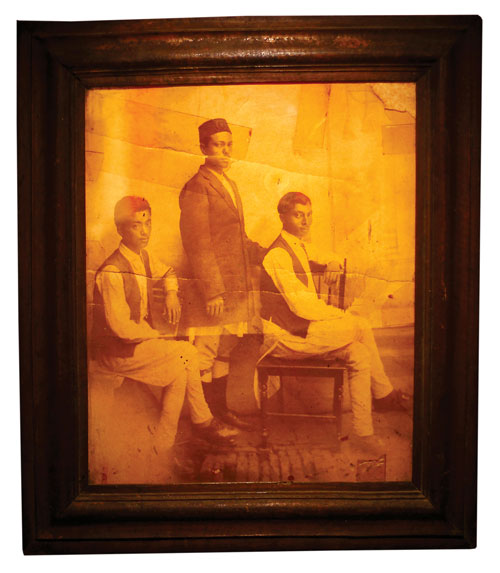
Three brothers dressed in daura suruwal pose solemnly, group portraits of joint families, children posing by themselves, three generation of men all staring at the camera — the sepia images hark back to family life and the importance of print photography in decades gone by.
“As there were very few studios, people used to call photographers to public spaces and gather their family to click photos. This was probably how the idea of family portraits emerged in Nepal,” explained Bhushan Shilpakar, who curated the exhibition for photo.circle.
The dress and the postures in the photographs indicate the status that people accorded to photography. Not a hair out of place, the subjects are in their best clothing and postures resemble that of the Rana and Shah royalty.
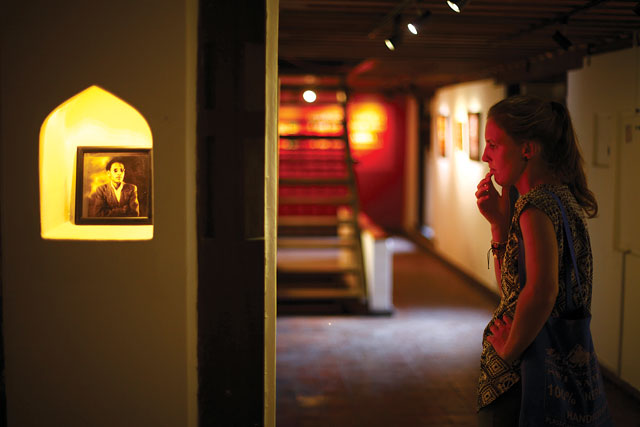
“Photographs afforded a sense of importance and early progression,” writes Jebin Gautam, who researched Nepal’s early studio photography and his explanations are placed throughout the exhibition giving audience a deeper understanding of how the art form evolved.