
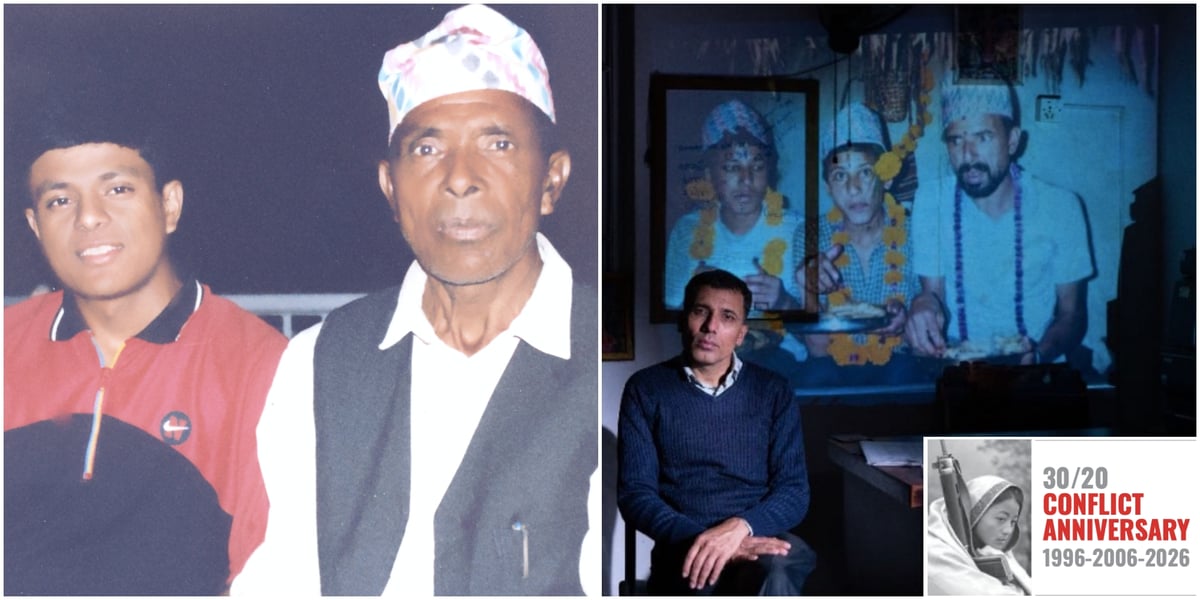
The Maoist insurgency began 30 years ago and ended 20 years ago, yet for tens of thousands of survivors and families of victims there has been no closure. The physical battles are a part of Nepal’s history, but the fight for truth and justice endures.
In the decade of conflict, 17,000 Nepalis were killed at the hands of fellow Nepalis, and 1,400 are still ‘missing’. There was suffering and pain on both sides, with the heaviest toll on innocent civilians.
Ram Bhandari and Suman Adhikari both lost their fathers to opposing sides in the war in Lamjung district. Both are now human rights activists.
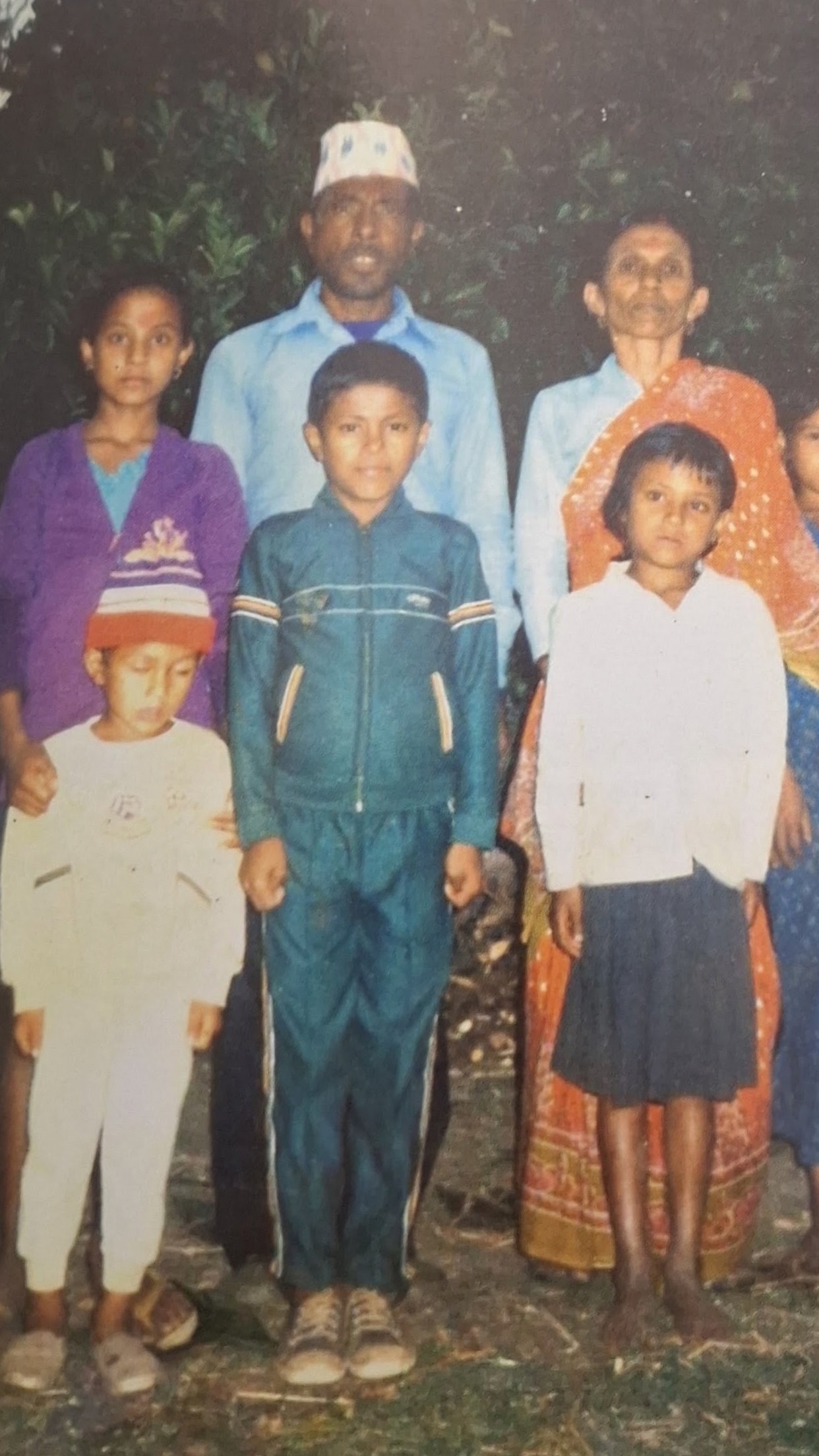
Ram Bhandari’s father was forcibly disappeared from Besisahar of Lamjung by state security in December 2001, soon after the Royal Nepali Army joined the conflict. Accused of being a Maoist, Tej Bahadur Bhandari was taken in by soldiers, and never seen again.
“My father was a man of many talents, well-loved in the community. He had an artistic mind, loved comedy and theatre,” Bhandari remembers fondly.
Tej Bahadur Bhandari was his son’s teacher at school, a guardian at home, and his closest friend. “When we learnt of his disappearance, our whole world crumbled. My family’s way of life changed,” says Ram Bhandari.
Witnesses saw Tej Bahadur being blindfolded and beaten in broad daylight before being pushed into a van.
“If we were told his body was buried somewhere, perhaps we would’ve coped better. But we weren’t given any location to look for, there was no sign of him anywhere,” says Ram Bhandari. “Even 25 years later, all we are left with are burning questions, and a rage that cannot be quelled.”
Ram Bhandari became a human rights activist, founding the National Network of Families of the Disappeared (NEFAD) to fight for truth and accountability.
THE OTHER SIDE
Suman Adhikari endured similar pain, but inflicted by the Maoists. His father Muktinath Adhikari was a science teacher at a school in the same district as Tej Bahadur Bhandari.
Maoist rebels took him away in front of his students while he was teaching class in January 2002. They tied him to a tree and shot him for not supporting the revolution, and for teaching Sanskrit.
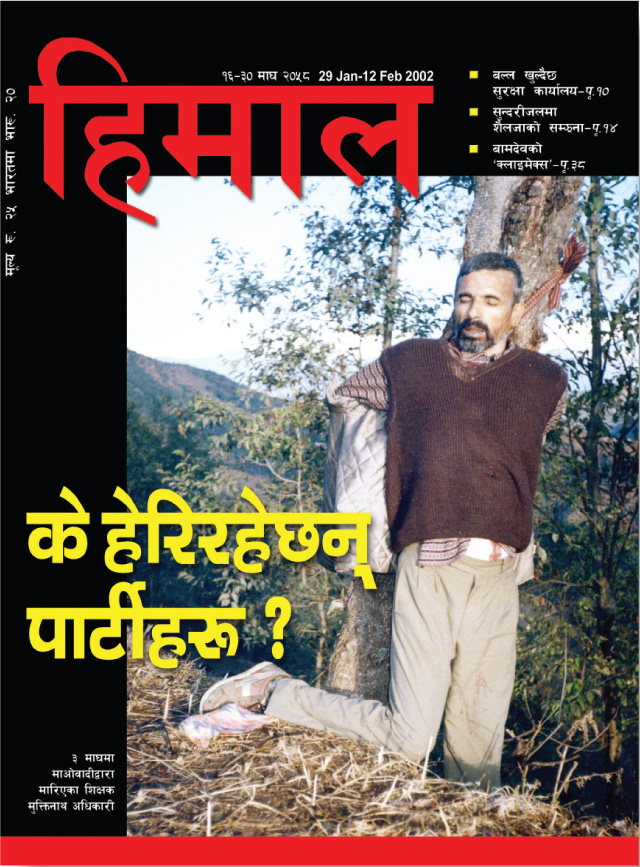
“It is painful and exhausting recounting my father’s story again and again, especially when our voices keep going unheard, and there is no change,” says Adhikari, who founded the Conflict Victims’ Common Platform and has been fighting for transitional justice since his father’s murder 25 years ago.
For families of victims and survivors of the war, the unending fight for justice keeps reopening old wounds. Activists like Adhikari and Bhandari are unable to move on because their questions remain unanswered, and the state has not acknowledged the crimes against their loved ones.
Nepal’s history textbooks do not mention the conflict, and since the former enemies became the state after the peace accord in 2006, they have allowed the transitional justice process to lapse.
“We filed lawsuits, we campaigned locally, we lobbied internationally, and we asked for accountability. Yet not a single case was investigated,” Bhandari told Nepali Times.
The Truth and Reconciliation Commission (TRC) Act was drawn up in 2014, and a decade later, an amended TRC was finally passed along with the Commission for the Investigation of Enforced Disappearances (CIEDP). Still, there has been no tangible outcome because the commissions were heavily politicised.
Both Adhikari and Bhandari contend that the transitional justice process stalled because those holding decision-making power were the very same people who needed to be held accountable. Justice was therefore continually sought, but never delivered.
It was as if the TRC Act was a tool to clear their conscience rather than a mechanism for justice, they say.
Adds Adhikari, “We saw the same thing during the GenZ movement last year. So many innocent young people were killed by security forces, but the state has yet to punish the perpetrators. It is a perpetual cycle of impunity that all Nepalis are tired of.”
TRANSPARENCY
The activists want transparency and accountability no matter which side killed or disappeared their relatives. The government must officially acknowledge war crimes, and announce comprehensive reparations that includes psychological, social, and financial support, they add.
They want a new commission with victim representation and structural participation. “The process of making the Commissions should be transparent and the state trustworthy,” says Adhikari.
Both Adhikari and Bhandari have high hopes that the new RSP government can push the process of truth and justice that languished under the previous politically unstable landscape.
However, justice requires more than informal conversations: it needs nuanced dialogue and formal action. With Nepal lurching from one disaster after next, addressing war crimes from decades ago does not seem to be any government’s top priority.
The new government has dismantled the previous commissions, so both Adhikari and Bhandari hope that a more productive conversation will take shape for truth and justice.
“The state kept toying with the vulnerability of marginalised, oppressed victims by delaying and denying the truth. Many have given up hope entirely, silenced by the state’s inaction. But it is important for us to keep persevering,” says Adhikari.
Despite the challenges, Adhikari and Bhandari keep on with the struggle for justice. They speak up for those with less privilege than them. They keep moving so that the voices of marginalised victims and survivors don’t go unheard.
“As long as I am alive, I will keep seeking the truth and keep asking questions,” says Bhandari, who finds solace knowing that this shared effort for the cause has produced leaders who are unafraid to ask probing questions, call out injustice, and demand truth.
He finds comfort in the knowledge that individual suffering is being turned into collective power to push for justice.
“Sometimes it feels like I may still see my father walking on the streets somewhere, unharmed,” Bhandari says ruefully.
Just as the guilt of the war crimes they perpetrated brought the two former enemies together into government after the ceasefire, it has also seen activists like Ram Bhandari and Suman Adhikari find common cause for truth and justice.