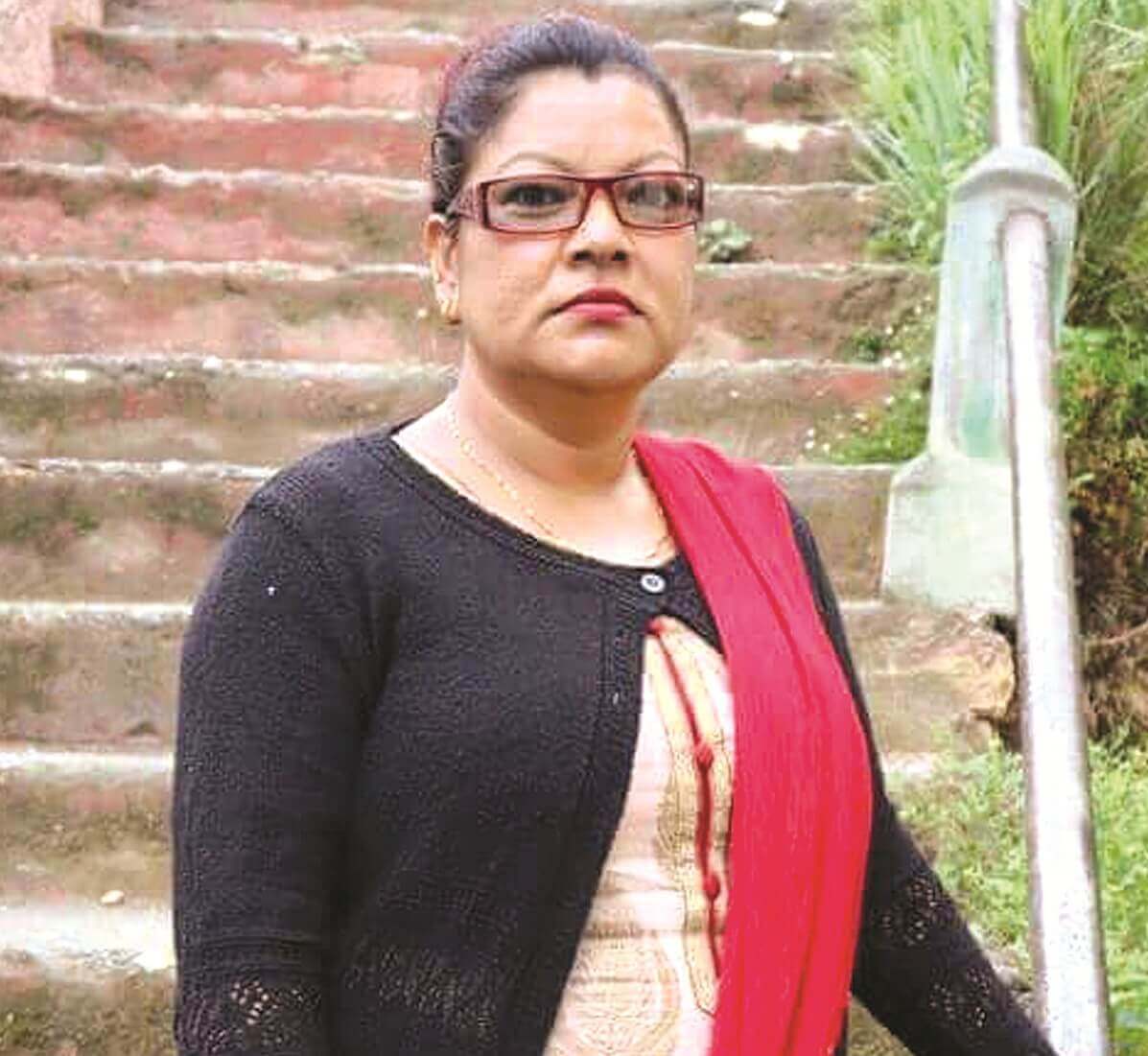
Shalini Kumari, 15, was coming home from a wedding when she saw a man waiting at her gate. Before she could resist, he had tied her shawl around her mouth and dragged her to the fields behind her house. Her muffled screams were drowned out by the music of the nearby wedding.
Her parents were away, and there was no one to rescue her. But such is the stigma of rape in Nepali society that, like many others, Shalini was forced to agree to marry the rapist. In addition, her father had to pay a dowry demand of Rs 500,000. He was landless, and Shailini's grandfather sold his farm in Morang to be able to afford it.
“How could I say no to the decision of respected elders?” says Shalini, who was saved from the marriage after her rapist and his family ran away on the eve of the wedding, after which the case was brought to the notice of social activists. They helped her register a police complaint and brought her to the ChoraChori shelter in Kathmandu.
Shalini’s case is just one in a dramatic increase in reported rape cases throughout Nepal in the past decade. Police records show that instances of rape and attempted rape have grown almost four fold (see chart below) since 2008. Alarmingly, more than half of them are minors.
“Children and handicapped women are more at risk, because they are more vulnerable,” says Bimala Khadka at the Women’s Commission. "Minors are more at risk because they don’t realise what is happening, cannot resist, and may be easily convinced or threatened to keep quiet."
Khadka says there is abuse in child-protection centres or shelters, where lonely children may take physical intimacy as a sign of affection, and do not realise that they are being abused.
A breakdown of the Police rape data reveals disturbing clusters in the Tarai: with districts like Morang, Jhapa, Rupandehi, Sunsari, Banke, Chitwan, and Dang recording the most cases of reported rape and attempted rape. Mountain districts Jumla and Humla reported no cases at all last year. (See map)
After the 2015 earthquake destroyed 700,000 homes, districts worst affected by the earthquake recorded a spike in reported rape. Young women and girls living in temporary shelters are more at risk from predators in the neighbourhood, or even family members. Last year, Dhading recorded 31 cases of rape and attempted rape. Gorkha, Kavre and Sindhupalchok had 29 cases each.
Nepal’s conservative society often faults the victims: saying young women wear scanty outfits or stay out late. Changing modern value systems are blamed. However, the fact that so many are young rural women, minors, or even infants who are abused disprove this argument. Recently, ChoraChori documented the case of an eight-month-old baby raped by her father. Police figures show that females in all age groups have been assaulted, from infants to grandmothers. One in every five victims is a child below 10.
Many also point to easy access to pornography through the Internet as a cause. And while it has created new forms of abuse, from child pornography to blackmail, the basic nature of rape remains the same: nearly half of them happen behind closed doors at homes, and 80% of offenders are known to their victims.
It is entrenched patriarchy that encourages rape, explains gender studies professor Chandra Bhadra. “Rape happens when men feel entitled to women’s bodies, when they feel they have the right to violate it. Our social and legal systems encourage such behaviour by protecting impunity,” she says.
In the case of Shalini Kumari in Morang, the social and legal system converged in the local milieu, where male elders decided she marry the offender to keep the peace in the village. The family, because of its lower class and caste, was forced to agree.
The rise in cases like this would have been buried in social ‘compromises’ had it not been for activists working with the Women’s Cell in police stations, volunteers from shelters like ChoraChori, and the helpline of the Women’s Commission. Since it was hooked up six months ago, the helpline has received over 25,000 calls, and registered 436 cases. Previously, the Commisison used to only get about 350 complaints a year.
Shailesh Thapa Chhetri of the Nepal Police agrees that the reports have only brought to the surface what was always there. “Rape is not new in society. But due to the social stigma attached to it, few people ever spoke about it openly, let alone complain to the police,” says Chhetri. “But now the awareness of legal options is rising and reporting has increased.”