
This is the 95th episode of Diaspora Diaries, a Nepali Times series in collaboration with Migration Lab providing a platform to share experiences of living, working and studying abroad.
Whenever I remember my childhood back in Rolpa, I think about my doting grandparents.
As the eldest grandson, they showered me with love. I lived with them: six months in a cowshed during rainy seasons and six months back in their nearby home.
Until I was 14 I was not close to my mother, her love was overpowered by my grandparents’ affection. They pampered me with biscuits, snacks and pocket money — I was the centre of their world.
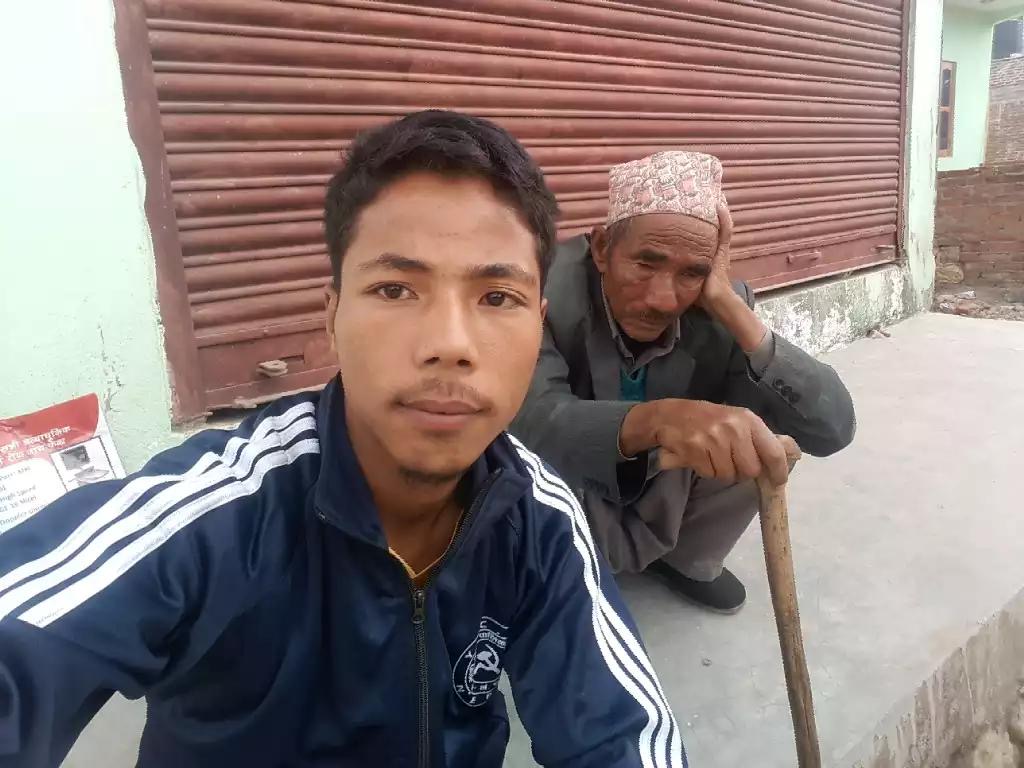
My grandfather had lost his eyesight, and not even treatment in India helped. He never got to see me, but would try to measure how tall I was.
I had to guide him to village meetings, warning him of steps ahead or that the path was steep. And he would always remind me to study hard.
He used his disability allowance to motivate me. If I passed, he would buy me clothes and bags, nothing was free from my grandfather. I had to earn it.
My father worked in India most of his life, and decided to go to Saudi Arabia to earn more. I did not know of many foreign countries, but had heard of Japan, Germany, America, Saudi, UAE, and Qatar.
I knew about Japan because someone had gifted my grandfather a Japanese radio. One of my friends who studied in Dang told us to study hard so we could go to Germany or America. Later, I learnt about Malaysia because one of my aunts went there.
Many of our neighbours had migrated to the Gulf for work, so it was not a surprise that my father joined them. But he was also not prepared for the heat in Saudi Arabia and he told us people collapsed from it.
But he sent home money and that eased our financial burden. I could focus on my studies and completed Grade 10, and he paid for my higher studies in Dang.
When I was in grade 11, my grandfather was diagnosed with cancer, and he had to go to Bharatpur Cancer Hospital every month for chemotherapy. Since there was no one else, I had to take him there. Despite support from the government, expenses were high.
Taking care of my grandfather affected my studies. When things got really difficult for him physically, he asked to be taken home to Rolpa. We booked a cab, and he died soon after.
After finishing Grade 12, I went to Kathmandu wanting to be a comedian. I had played small parts in local serials. I signed up for drama classes and had to walk along the Ring Road to save bus money.
I got to play small roles here and there, but it did not pay much. I took on odd jobs: as a receptionist in an uncle’s hotel, in online media where I edited video. Money was always tight, and I eventually went back to Rolpa to work as a social mobiliser for an NGO nutrition project. I learnt a lot, and made a lot of contacts.
Then my grandmother was diagnosed with the same cancer as my grandfather. My parents had another son, much younger than me. My grandmother was filled with joy, and said she wanted to get better so she could take care of the baby.
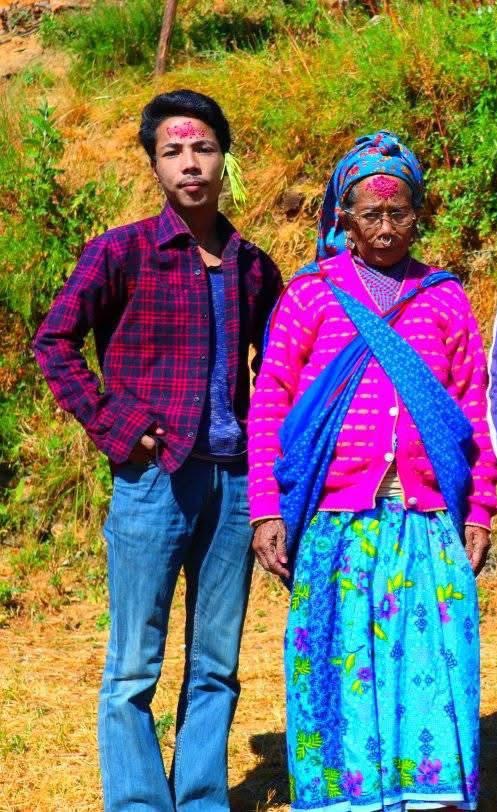
Her surgery in Bharatpur went well at first and we were relieved. But she suddenly lost consciousness, and never fully returned to us. Doctors said she had lost her willpower. We brought her back to Rolpa and a few days later, she died. Just like my grandfather.
I then set my sights on moving abroad for work. The UK seasonal visa for agriculture was interesting, but it was blocked for Nepalis the year I wanted to apply. I tried Croatia, Romania, nothing was working out.
MIGRATION AT ANY COST
I wanted to migrate out at any cost. I had always been fascinated by the foreigners I met in our village, when they came to build a hydro project. Their eyes are so different. Their hair was so light. They were bigger than us. They came in sleek shiny cars.
We just had downtrodden, overbooked buses that stank so much it made us want to puke. So we chose to sit on the roofs instead. When would we ever get in cars like those?
One day, a dai helped me get the paperwork done for Belarus. I did not even know there was a country called Belarus. I searched on Google and without even finding out much about the place, said yes. I just wanted to get out.
For almost two years now, I have been working in a mushroom farm. I taught myself Russian which has opened doors for me. I am dedicated to my work and have become an expert at maximising my earnings, since we are not paid a fixed salary but by meeting targets. The company sets a target of 3,000 to 4,000 kg, which ensures a good salary. But we can exceed this, sometimes reaching 7,000 kg.
I make sure the mushrooms do not go to waste. My fingers are now quicker and more precise. You have to know to pick them when they are fresh, if they spoil the value decreases.
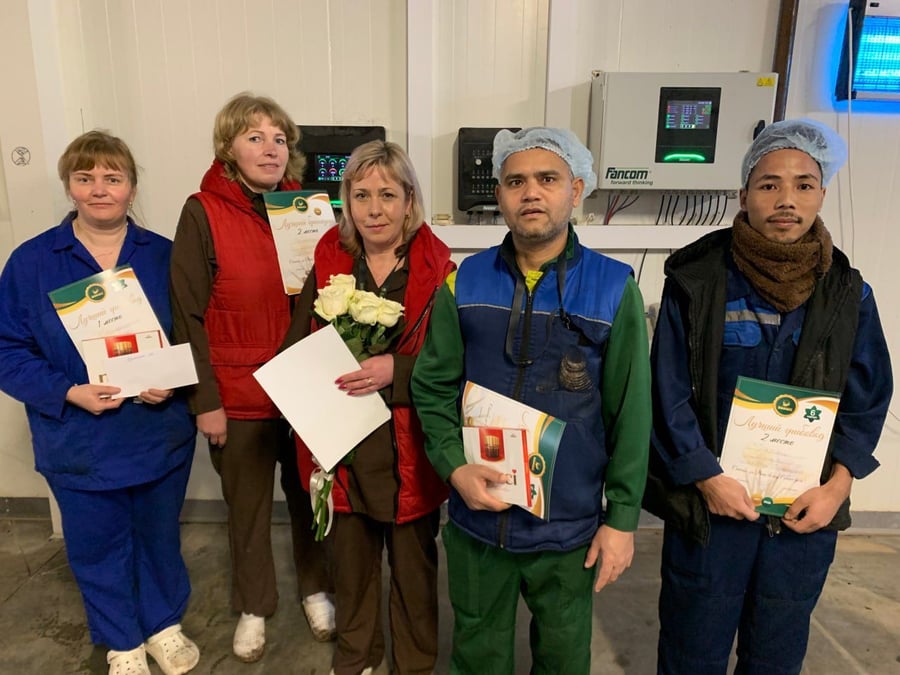
I am often recognised for my work by my superiors. The rewards are based on who cuts the most mushrooms.
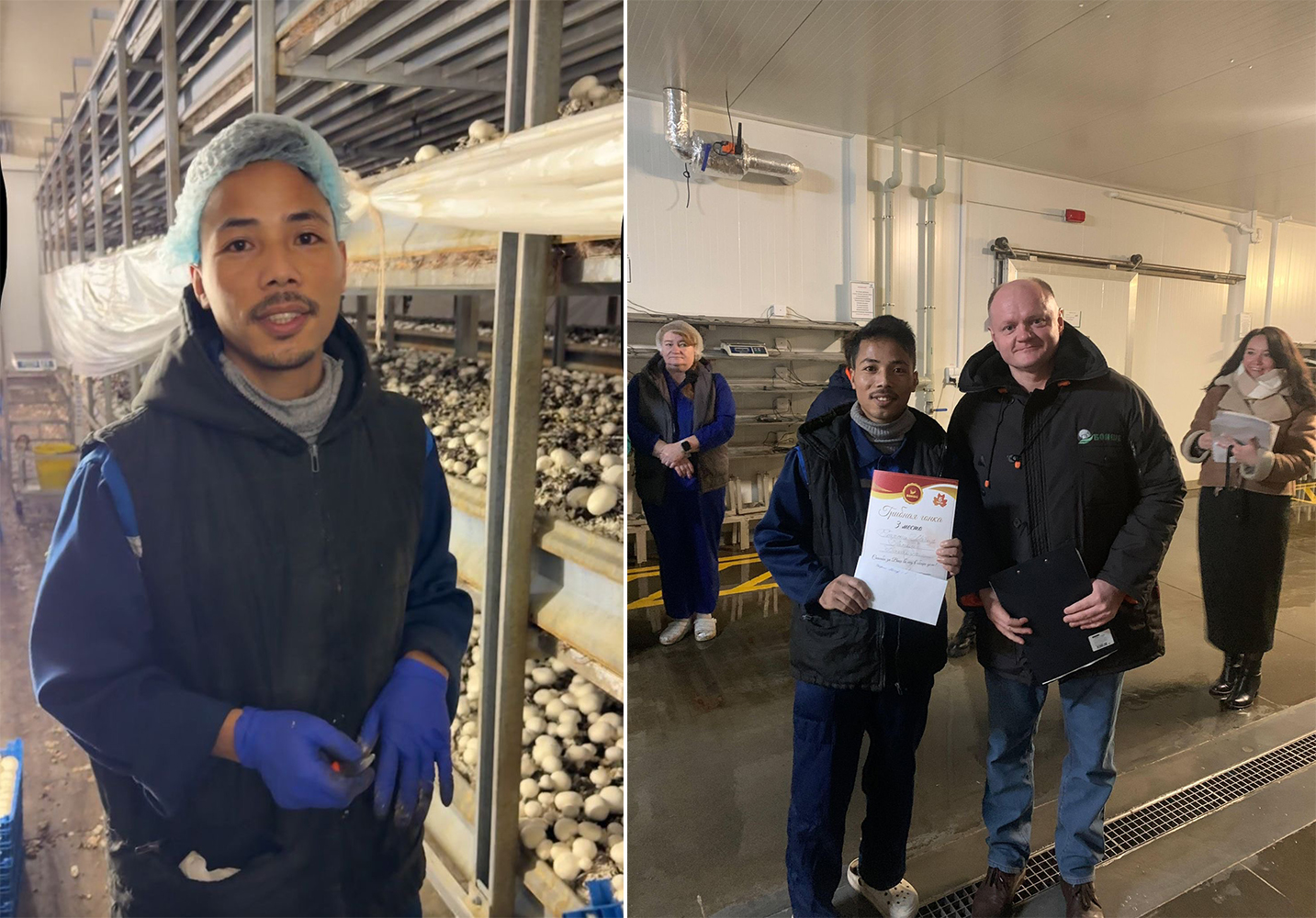
I have built a good rapport with my colleagues and supervisors, and I was even featured on a local news channel, where I spoke in Russian bringing me more visibility in my company.
There are about 250 Nepalis working in Belarus, including six or seven from Rolpa. I enjoy vlogging, traveling across the clean and beautiful city and talking to locals. People are also fascinated by Nepal and have many questions to ask.
I do not know what the future holds. But I have come a long way from my humble beginnings back in the mountains of Rolpa. Life was difficult, and we got to eat rice only during festivals. Later, we started to buy rice and other essentials like salt for which we had to walk up to seven hours.
Our heads would ache from the weight of the rice and the heat, our feet would be sore from all the walking.
Times were very different. I especially miss my grandparents and often watch videos of them.