
|
|
| SUCH A LONG WAIT: Kul Kumari Chapagain (left) wants justice for the death of her 21-year-old daughter Asmita in a Maoist bombing in Nawalparasi in February 2006. Debi Sunuwar knows all the evidence against three NA officers involved in the extrajudicial torture and killing of her 15-year-old daughter Maina. Now, she wants to see them punished. |
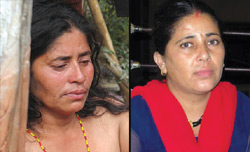
For thousands of Nepalis whose children, siblings, parents, and friends died in extra-judicial killings by the security forces, who were executed by the Maoists, and abducted or tortured by either side, the draft interim constitution has come as a bitter reminder of their helplessness. Human rights groups in Kathmandu say that under the terms of the new dispensation, perpetrators of such crimes will essentially walk away with total amnesty.
There are literally thousands of cases related to extrajudicial killings, torture, and summary executions recorded by OHCHR, NHRC, and rights NGOs. There are names of violators, locations and dates, witnesses, comprehensive investigative reports, but not a single case has gone to trial. Families of victims and human rights activists, who were optimistic after the signing of the peace deal, are now seeing their right to justice being erased from the very constitution.
"We spent all these years analysing individual cases, gathering evidence, preparing arguments. Now it looks as if it will all have been in vain," says Mandira Sharma, a lawyer with Advocacy Forum, which lobbies against impunity.
Advocacy Forum alone has documented over 800 cases of extrajudicial executions over the past five years but say that the police are hesitant to register cases, fearing backlash from their own departments, the army, and the Maoists.
In the 11 months from July 2005 ro June 2006, the Forum documented 86 cases of extra-judicial killings by the security forces and 81 cases of cruel and inhuman torture and killing by the Maoists. Also on record are cases of rape by the security forces and Kapilbastu's anti-Maoist vigilantes. Advocacy Forum says that young girls and elderly women were specific targets of securitymen.