
 |
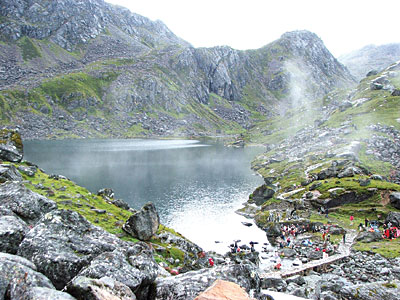
Some years ago I observed a congregation of 7,000 pilgrims at 4,300 m above sea level ready to pray to Shiva at the magnificent holy lake of Gosainkunda north of Kathmandu. Many were in no mood to pray. They were stricken with altitude sickness in its various forms: acute mountain sickness, high altitude pulmonary oedema, and high altitude cerebral oedema.
The initial symptoms of acute mountain sickness (headache and nausea) are warning signs that need to be heeded. Alas, many pilgrims climb too high too fast (from Kathmandu at 1,300 m to the lake in two nights) and totally disregard initial symptoms.
Recent studies have shown that acute mountain sickness is rampant in this population of pilgrims to Gosainkunda and that many are dehydrated because they are fasting. Women are so serious about the Gosainkunda ritual they do not even drink water as they ascend.
There is a belief that the sickness they experience is caused by the scent of the flowers and alpine vegetation that grow on the wayside. This is akin to what Jesuit travelers in the early 18th century also thought when they were crossing Himalayan passes. The scent of the flowers as the cause ofaltitude sickness does not make sense, as I am fond of reminding the pilgrims, because invariably the patients improve significantly on descent, even though the flowers are still giving off their scent.