
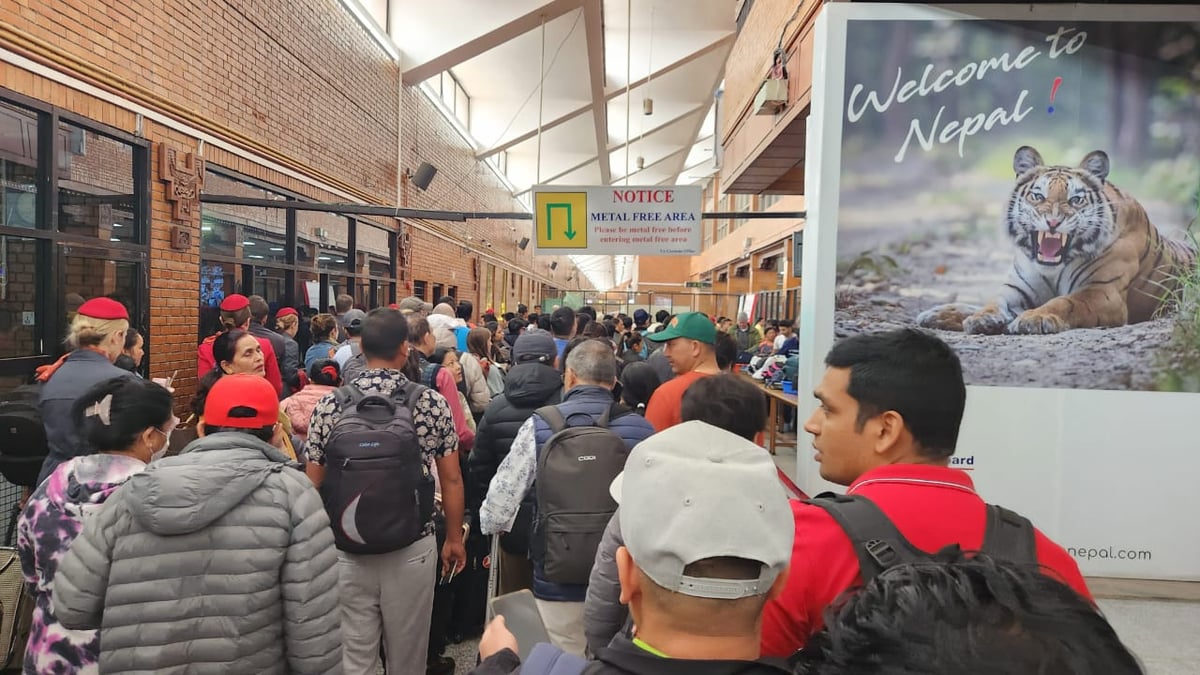
Smack at the start of the tourist season, the government announced with just two week's notice that effective 1 April all trekkers will need to hire licensed guides. It was not an April Fool’s joke.
Talk about bad timing. Even if a ridiculous and unenforceable decision like this was necessary, it should have been made at least one season in advance.
Another such ad hoc announcement was made last week by Pasang Lhamu Rural Municipality to ban all helicopter cargo flights to Everest Base Camp. The restrictions went into force just as expeditions started arriving in Lukla. Now, there are not enough porters, yak and zopkyo trains for the five-day ferry to base camp.
Some expeditions have already switched from climbing Lhotse to other Himalayan peaks, Icefall Doctors are packed ten to a tent because their gear has not arrived.
The ostensible reason was to protect the environment and provide jobs. But herding has been in steady decline in the Khumbu, leading to a lack of yaks. And many young males from Khotang and Okhaldhunga who used to do portering have migrated to cities or to the Gulf.
No doubt, helicopter traffic over Sagarmatha National Park needs to be regulated. At peak tourist season, the constant sound of choppers flying up and down from Base Camp is a disturbance. Some rescue helicopter operators have been implicated in insurance fraud.
The trekking guide rule was made by Nepal Tourism Board (NTB) and the Minister of Tourism, Culture and Civil Aviation Sudan Kirati. It appears to be politically-motivated to appease unions and trekking agencies. If safety was such a concern, how about first making domestic aviation safer? And how come Nepali trekkers do not have to take guides if it is so unsafe?
Foreign hikers need a Trekking Information Management System (TIMS) card before hitting 14 trails, and it is not available without booking a licensed guide.
Read Also: Chopper vs Chauri below Everest, Bhadra Sharma
The Trekking Agencies Association of Nepal which has long lobbied for a ‘one trekker one guide’ rule is in on the deal because it will be managing the card and guides. The TIMS card was also devised to keep track of trekkers and provide emergency assistance, and was already being criticised as being redundant.