
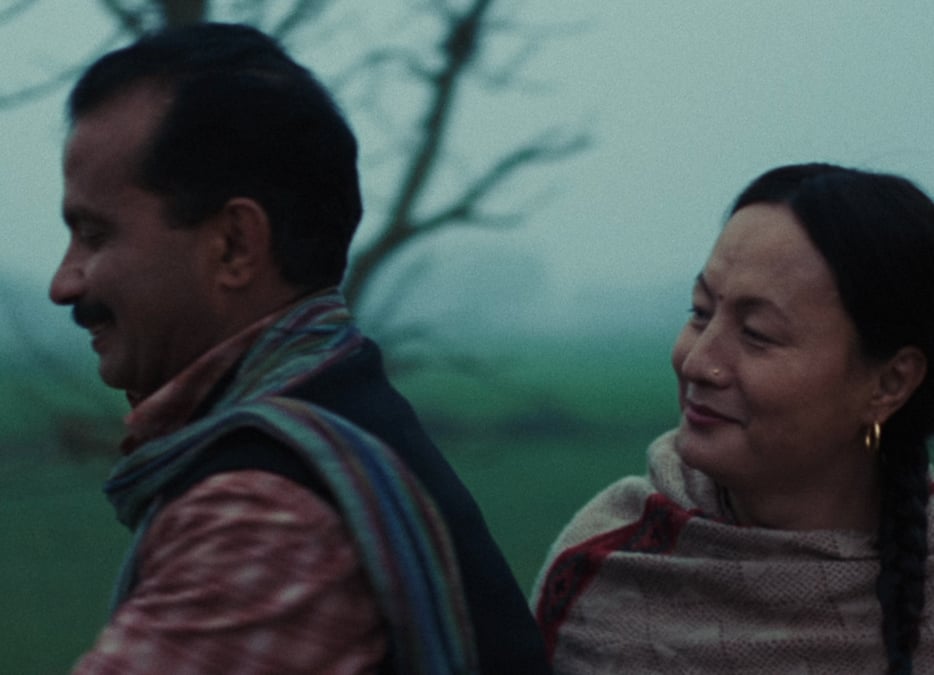
A Nepali film makes it to Cannes, the film festival that all serious filmmakers consider the apogee of their career. Acceptance is through a notoriously rigorous selection process.
It then goes on to win the Jury Prize in the Un Certain Regard category, a feat that an artist can only dream about being just a step away from the Un Certain Regard Prize. This is an honour that most independent filmmakers work their whole lives for a chance at. Abinash Bikram Shah’s first directing feature Elephants in the Fog, or Tiniharu (They/Them), won that coveted award earlier this year, joining the ranks of acclaimed filmmakers like Jafar Panahi.
Written by Shah and directed with intense compassion, the film, while fictional, serves as a kind of clear-eyed ethnography of the Kinnar in Nepal. The Kinnar live across the Subcontinent in strongly bonded communities, encompassing people with diverse gender and sex identities, including those who identify as third gender or transgender, and, in some contexts, intersex.
Set in Birganj and the community forests and jungle in its vicinity, the story’s heart is Pirati (Pushpa Thing Lama), a Kinnar matriarch. She nurtures three women, each of whom is a strong personality in her own way. The youngest and most wayward, however, is her daughter, Apsara (Aliz Ghimire), who wears a blonde wig and has a flair for drama.
The Kinnar follow a Gurumata who anoints them as they enter the community, giving each of them a mother, guiding them in a whispering voice as they take their vows, one of which is to remain celibate. After this ceremony of nirvaan, the initiate gains the power to bless or curse, making them favourites at weddings and births. Unfortunately for our main characters who want to live full lives, the celibate aspect of their vow becomes a problem.
Pirati is in love with the local drum master (Aashant Sharma), a tender man who wants her to run away with him to Delhi, where they can live their own lives, and perhaps adopt a child of their own. She is torn, having strong ties with her own community as well as in the village she has worked so hard to be accepted in, along with her little family. She also loves her wayward child, Apsara, who both clings to her and pushes her away in a classic mother-child trope that is both familiar and discomfiting.
Framing all this human drama is the setting of the community forest, with the lurking jungle and the wildlife that it barely contains. Pirati’s village is at the edge of this teeming life that includes wild elephants. People have been killed in encounters with these mighty creatures. Each villager has a patrol duty to alert the larger community if there is a breach, and it is during one of these patrols that Apsara goes missing.
As events unfold, suspicions run rampant. What has happened to this young, strong-willed woman? Pirati, wracked with guilt, having fought with Apsara before her disappearance over her potential departure to Delhi, uses every resource she can to try and find her daughter, and she is indeed a resourceful woman.
The ugliest side of humanity manifests, from the petty to the egregious. Communities turn on each other and within communities there are betrayals. The script, written by Shah, and laced with profanity and humour, is elegant, its drama carefully calibrated. There are very few flat moments. One imagines, though, that there must have been room for improvisations in some of the most fluid scenes, particularly within portrayals of the Kinnar community, where the dialogue is so natural and colloquial that it can’t have been scripted as such. This in itself is a testament to the quality of the filmmaker.
It takes great restraint and skill to elicit these kinds of candid performances, not to mention a sacred trust between the director and the actors, most of whom are new to acting. Amidst these glimpses into the most intimate aspects of the Kinnar community’s lives there is no hint of objectification or romanticisation, only poignant authenticity.
Everything is filmed in a cool, clear palette, even the atmospheric fog, and it is apparent that Shah has found a vital collaborator in Noé Bach, the French cinematographer whose understated, beautiful visuals support the story without ever jarring us out of the narrative.
It took over five years to bring this film to the theaters, and it is a fitting film to represent Nepal abroad, conveying our diversity, beauty and tragedies, especially at a time when the entire nation’s psyche is caught up in an apocalyptic climate event. The film's power is in its ability to portray people across the spectrum with all of their very human flaws, making us care about their destiny.
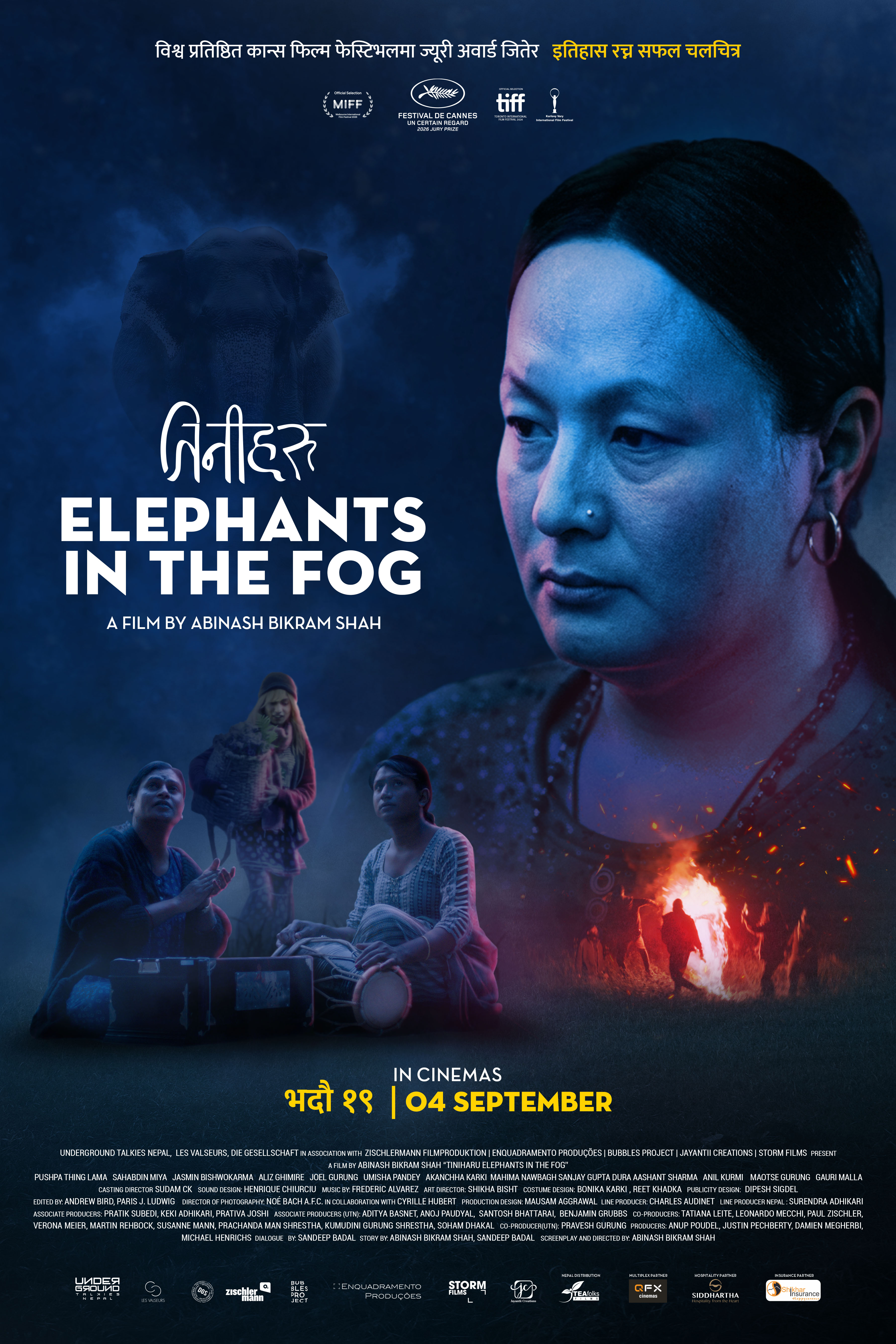
There are some lapses. The opening scenes are rough. In our first glimpse of Pirati out in the jungle she seems self-conscious, aware of the camera. The next sequence where we first meet Apsara is one of the few times when the dialogue is stagey. Thanks to Pushpa Thing Lama’s immense gravitas, these initial, awkward moments are quickly forgotten, though this viewer was left wondering at her character’s strong bonds with a daughter who is so self-centred that she barely offers her family anything aside from coquettish comments that are a thinly veiled disguise of her meanness.
The other bonds are more developed, with both nuance and pathos. The ensemble cast’s performances are indelible, from the Drum Master to the voluble Joon (Sahabdin Miya), one of Pirati’s daughters, and the initially unsympathetic Police Inspector Shova (Akanchha Karki) who has an agenda of her own. The elephants, of course, steal the show.
Tiniharu, when translated, becomes They/Them, the preferred pronoun for those who are of the third gender. In Abhinash Bikram Shah’s film, you cannot look away from them and their story. The end, one where the oppressed and nature take their joint revenge, will stay with you.
Elephants in the Fog is currently in theatres.
Elephants in the Fog
Directed by Abinash Bikram Shah
2026 | 103 minutes
Sophia L Pandé is a writer, art historian, and filmmaker. She is Director of Development at the Kathmandu Valley Preservation Trust and Founding Director of The Kalā Salon.