
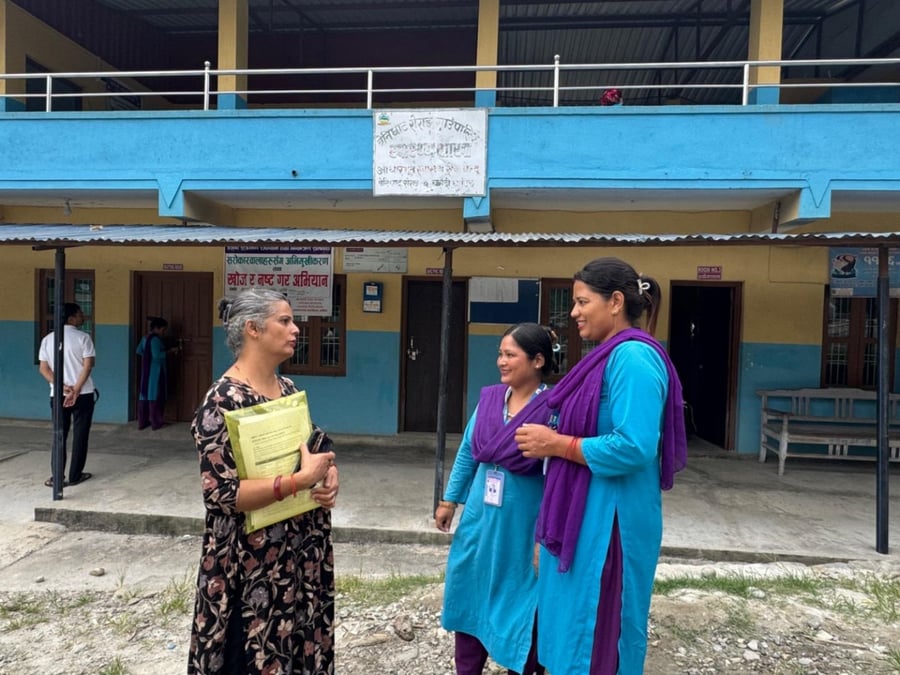
At Benighat, a mother takes a long detour along damaged roads carrying a child with high fever. The bridge connecting her village to the community health post was swept away in the 26 August flood.
Health workers at the hospital use a room heater because the infant radiant warmer is no longer functioning. Across the Trisuli, a woman in labour has to wait to sit in a precarious cable basket to be pulled across the debris-strewn river.
Nearly six weeks after the castastrophic flood, and 80km downstream from where the mountain fell, the immediate emergency may have passed for the survivors, but there is now a silent health crisis.
The damaged roads and missing bridges have cut off access to health centres even to families who were not directly affected by the debris flow. Even when there is a way, it is dangerous and takes much longer.
This week, the government announced that the search-and-rescue phase has given way to rehabilitation and reconstruction. But despite this, the health crisis continues in delayed maternity referrals, disrupted treatment for chronic illnesses, lack of essential medicines, unsafe water, the risk of disease outbreaks and the psychosocial trauma of losing loved ones, homes and livelihoods.
When a bridge disappears, a health facility loses essential equipment or an ambulance cannot reach a settlement, the consequences extend far beyond damaged infrastructure. A treatable illness can become life-threatening when the neighbourhood pharmacy is swept away. A manageable pregnancy complication can become an obstetric emergency, and a family already struggling with loss can be pushed further into hardship by the cost and uncertainty of seeking care.
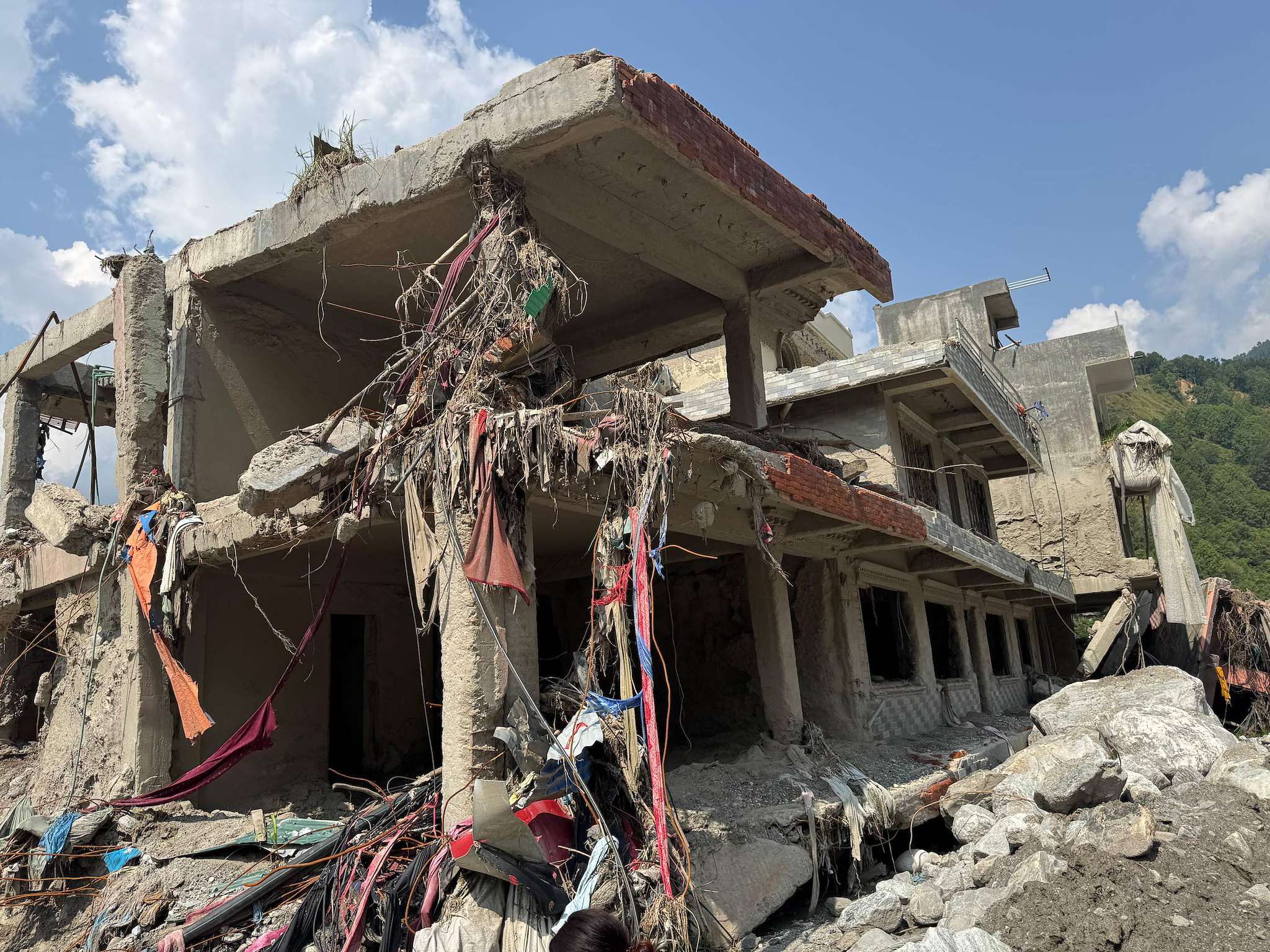
“Betrawati is gone, and Trisuli badly needs to be rebuilt. In an emergency there is no specialised care for us so we must make the expensive journey all the way to Kathmandu,” says patient Sitaram Rimal, 67.
Emergency relief like food, water, medicines and shelter remain essential, but the regions’s health system needs to get back to caring for a catchment of at least 250,000 people.
Reconstruction of physical infrastructure also needs to go hand-in-hand with adequate health workers, safe maternity and newborn care, reliable ambulance and referral systems, and mental health support.
In Betrawati, Trisuli Bazar and Devighat, entire neighborhoods have been obliterated, the ruins are covered in grey mud. Families who survived have been living in tents either under the blazing sun or torrential rain. Rice fields ready for harvest are under several metres of mud.
Displacement has brought its own health risks: overcrowded shelters, unsafe drinking water, lack of essential medicines and uncertainty about where to go if a family member falls ill. For pregnant women, young children, older people and those living with chronic conditions, these are not simply the hardships of displacement, they are barriers to survival.
Trisuli Provincial Hospital, the region’s principal source of specialist care, remains standing because it was situated on higher ground. Yet patients on the other side of the river remain marooned because the bridge has been destroyed.
“Patient numbers have fallen by half since the flood not because healthcare needs have diminished, but because damaged roads and destroyed bridges have made the hospital difficult to reach,” says Hospital Director Rajendra Lama, who has deployed health workers to the far bank of the river so patients do not have to cross by cable basket.
“Bringing in medical supplies remains a daily challenge, restoring safe and reliable access is essential for us to keep caring for patients who need specialist and emergency treatment,” Lama adds.
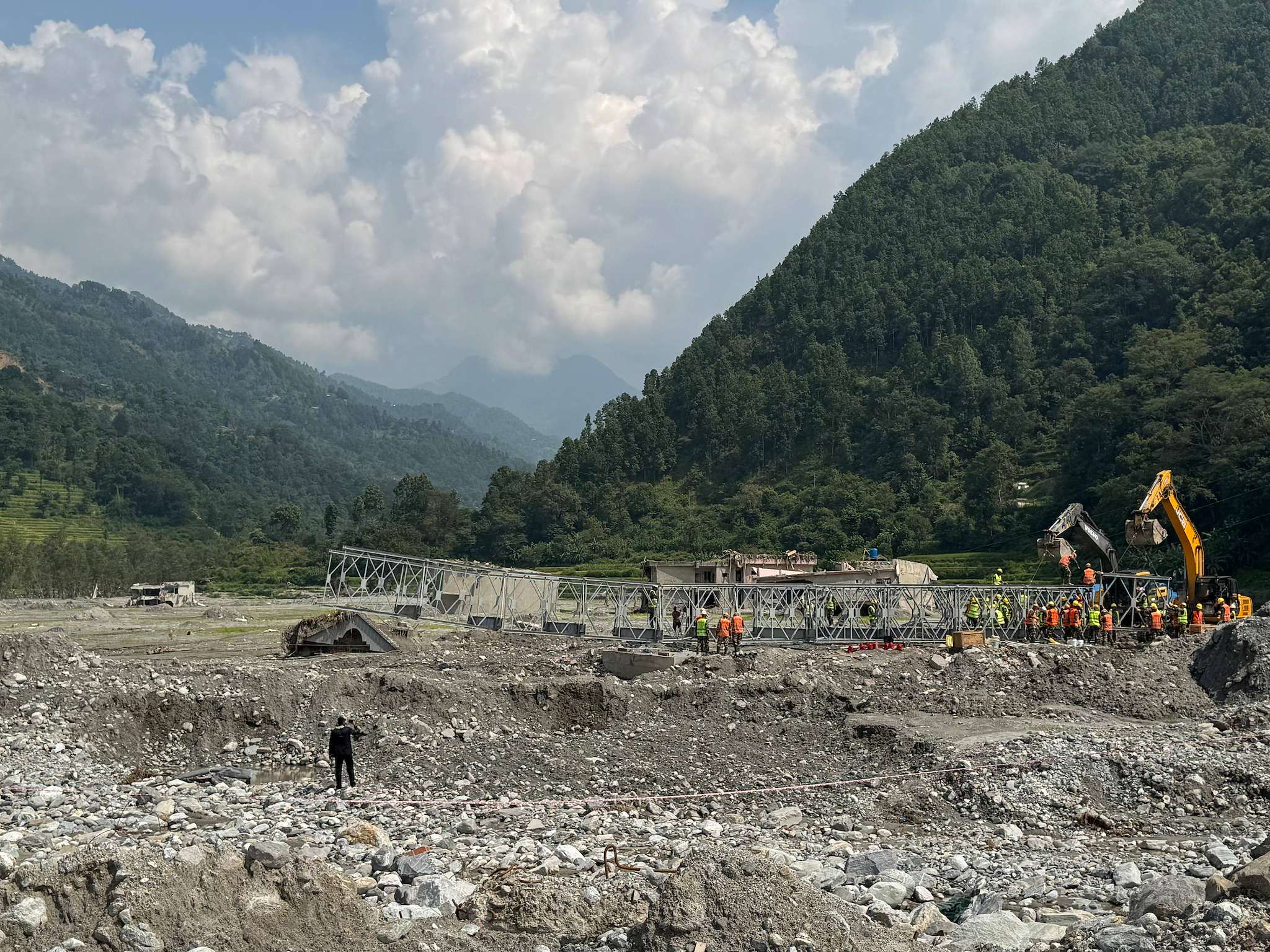
Rebuilding roads and bridges therefore is necessary not just to restore connectivity for trade and the economic revival of the Trisuli corridor, but also because they represent essential health infrastructure.
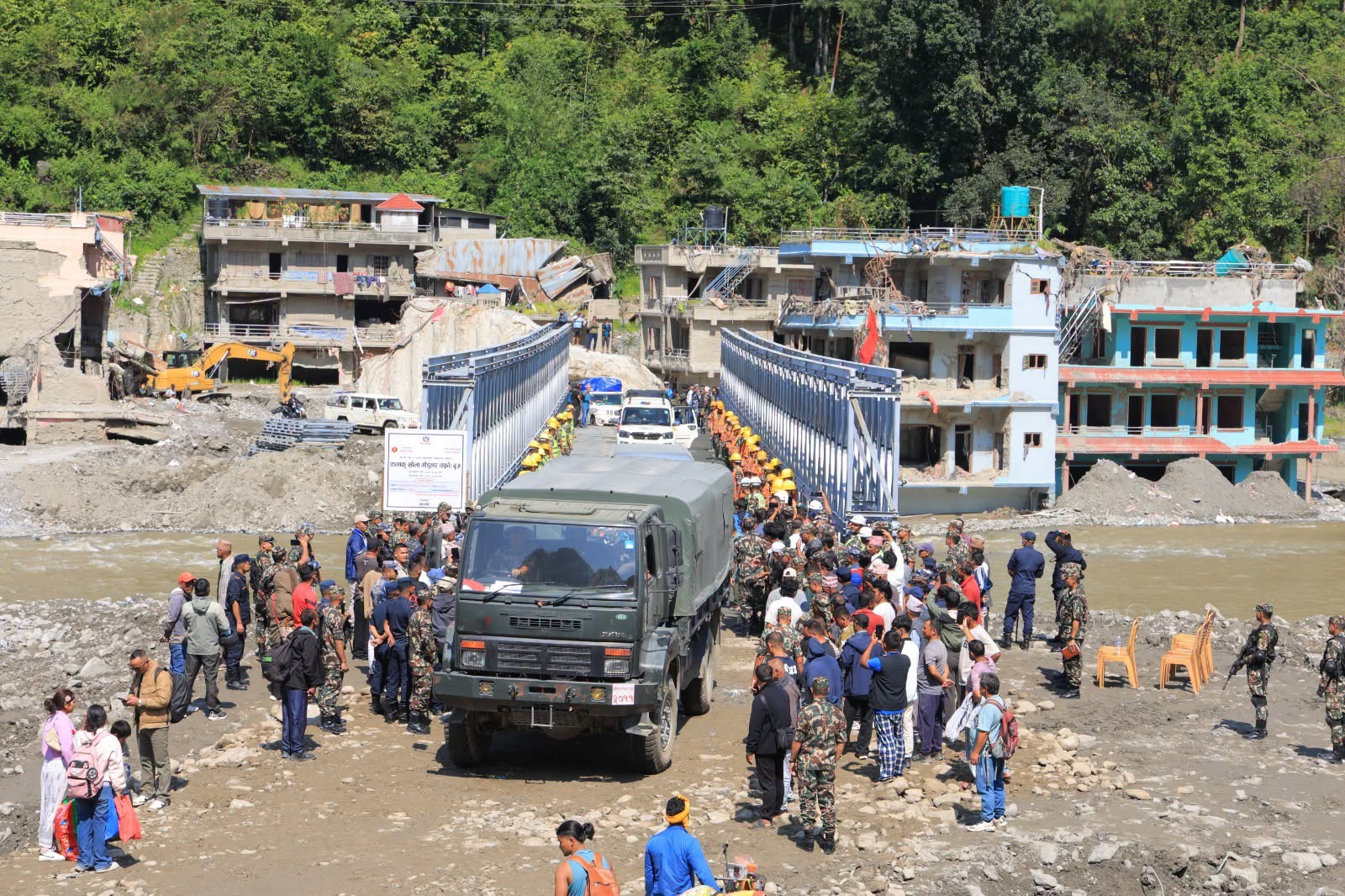
People with hypertension, diabetes and other chronic conditions still need regular medicines and follow-up. Pregnant women need antenatal checks and timely access to skilled birth care. Children need immunisation and treatment for common illnesses before they become serious. Survivors coping with grief and displacement need psychosocial support.
Charities and relief agencies are working with municipalities to provide food and emergency assistance. That support remains vital, but it is the health infrastructure that now need to be rebuilt.
Recovery must now connect immediate assistance with longer-term investment, restoring safe, permanent river crossings, maintaining temporary access routes until bridges are rebuilt, strengthening outreach and emergency referral services, ensuring the continuous supply of medicines and supporting Trisuli Hospital.
Downstream in Dhading, the flood’s impact is visible in three health facilities and in the lives of the people who depend on them. At Benighat, community healthcare has been physically damaged and cut off from the villages it serves. At Gajuri’s primary healthcare centre, experienced health workers are struggling to provide care without essential equipment.
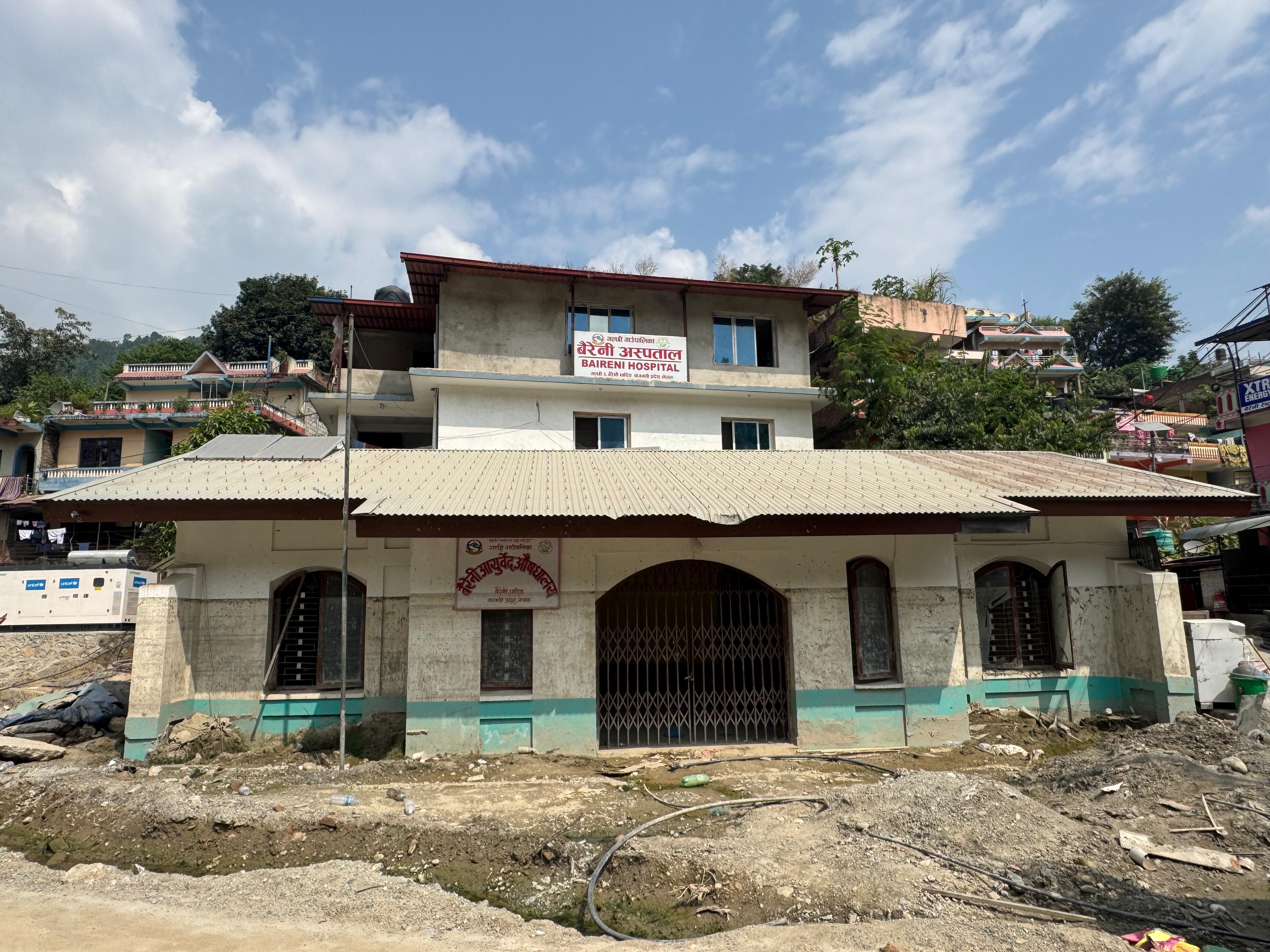
At Baireni, a hospital that has fought its way back into operation now needs to restore emergency and maternity services for a much larger population. Before the flood, Benighat Health Post served 52 patients a day, half of them from the Chepang indigenous community. The flood swept away its ground floor and all the medical equipment inside.
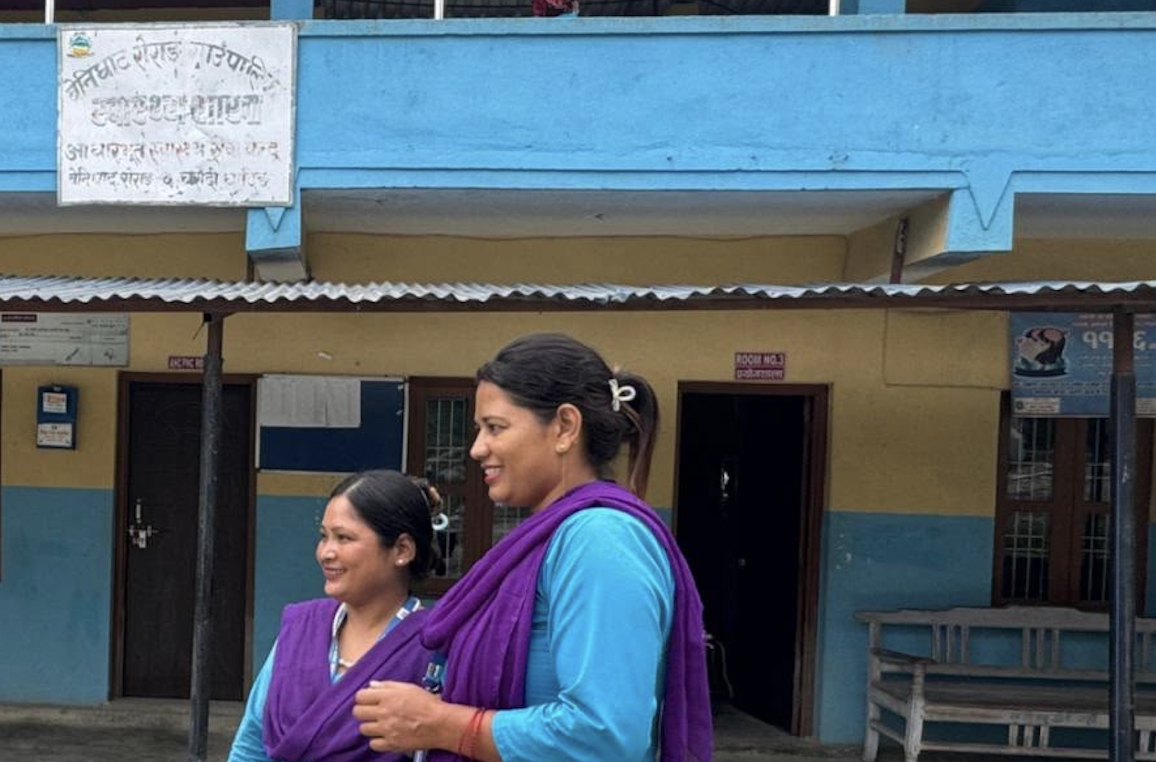
The bridge connecting surrounding villages to the facility is also gone. Yet the need for care has not disappeared. Young children, pregnant women and older people living with chronic respiratory conditions must negotiate precarious river crossings to seek treatment.
Health worker Tika Kumari Ghimire, continues to serve patients with what remains available. Benighat Rorang Rural Municipality has allocated funds and is seeking support from donors, but local resources alone cannot replace all the equipment and infrastructure lost. Nor can a health post provide the full range of care required for emergencies.
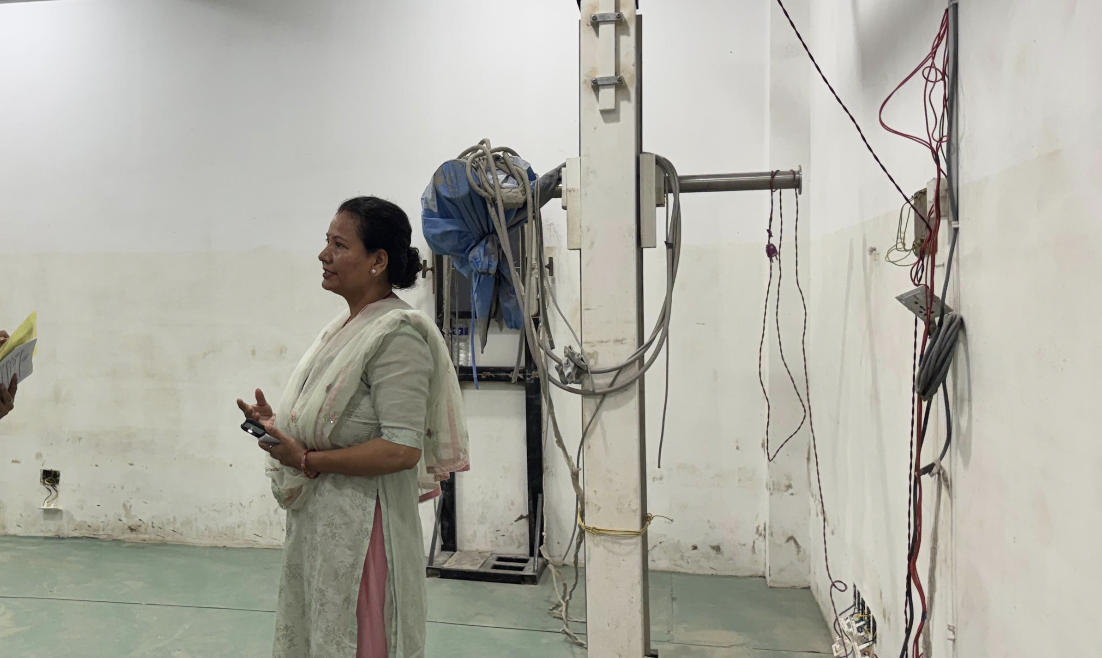
Unlike Benighat, the primary healthcare centre in Gajuri did not sustain direct physical damage from the flood, but has to look at displaced patients in addition to the resident population.
The centre has three medical officers and experienced staff, yet the emergency room lacks a functioning patient monitor, its ECG machine needs replacement, and the maternity unit needs a replacement ultrasound machine, a patient monitor and a functioning baby warmer.
The consequences are particularly serious for pregnant women. One morning this week, a 31-year-old woman arrived in labour. Because the centre in Gajuri lacked critical equipment, she was referred to a maternity hospital in Kathmandu — a bumpy 5-hour journey along damaged roads.
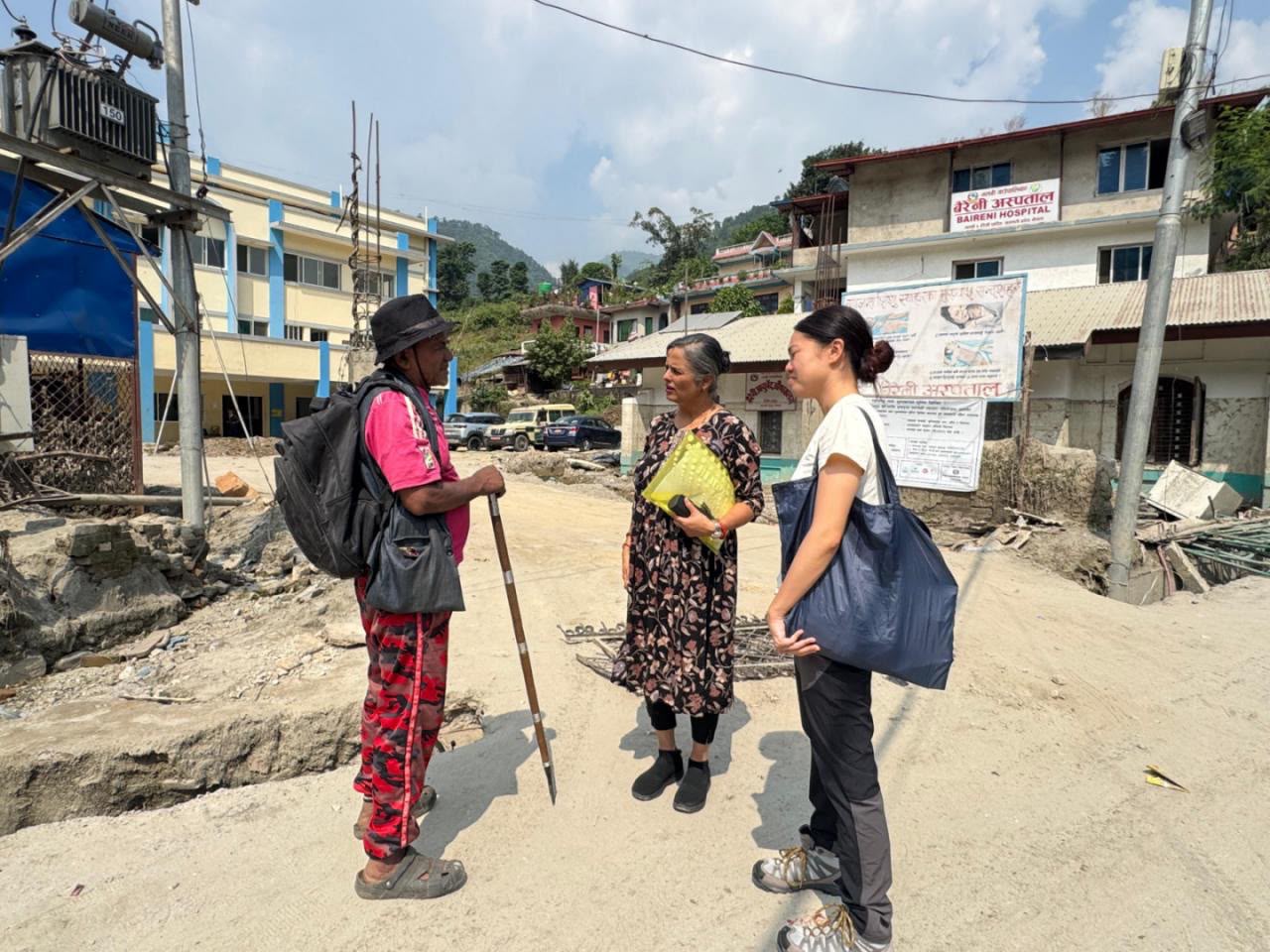
At Baireni Hospital in Galchhi, floodwater backed up from the Trishuli River and flooded the ground floor, damaging equipment and disrupting services. The hospital director and staff cleared the debris and reopened the facility.
The government and relief agencies have since replaced some equipment and medicines, helping the hospital resume care. Their efforts demonstrate the determination of local health workers to keep services running even after a disaster.
For the federal government, local municipalities and nongovernmental groups, this is an opportunity to connect immediate flood recovery with long-term health-system healthcare strengthening.
Rebuilding should leave communities not merely with facilities that are open, but with services equipped and prepared to meet their needs when the next emergency comes.
Emergency relief has saved lives, but relief alone cannot rebuild the health system that communities depend on. Free treatment means little when essential equipment is missing, medicines are out of reach or the road to the nearest referral hospital has been washed away.
The greatest danger may come when public attention moves on. Cameras leave, relief supplies shrink and winter comes, but the health consequences of the flood continue. It needs coordinated, adequately funded recovery that leaves communities better prepared for the next disaster.
Srijana Devkota, Director of Program and Partnerships, Nyaya Health Nepal (NHN).