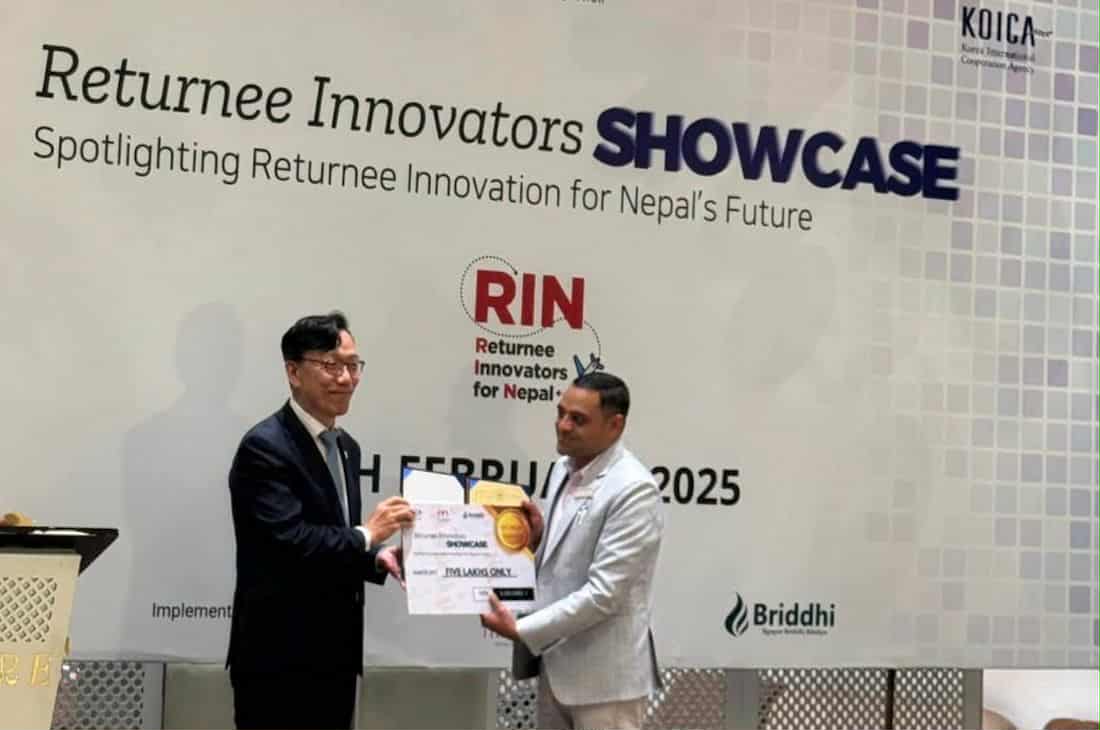
When Gagan Singh Lama returned to Nepal after five and a half years in Qatar, he felt lost. He tried to find a footing in Nepal, grappling with questions like “Who am I? What is my identity?”
Despite the earnings, portage did not give him a sense of professional identity. Back in Nepal, he has been managing his cousin’s car wash, and recently completed a government-funded automobile mechanic training course, something he had a knack for since childhood. He plans to add services and expand the car wash.
Studies have found that remittances can be an important source of capital for previously credit-constrained workers to start their businesses. The most favourable outcome is when skills learnt overseas are transferable or relevant back home.
Some workers even return with suitcases full of equipment or recipe books from their overseas work that are relevant for planned ventures back home. But that is not always the case: technical skills gained overseas do not always transfer in Nepal.
For migrant returnees a recurring theme is the need and ability to pivot by switching jobs, acquiring new skills through training programs in countries where they work, or as in the case of Gagan, skilling after they return.
Prabin Shrestha and Shahadev Gurung returned to Nepal, but remigrated after realising that the plastic manufacturing venture they had in mind was not going to work in Nepal. Back in Korea, they switched jobs to a meat shop.
Learning the trade inside out paid off when they came back to Nepal for good, and they now run a successful meat business. Such pivots are not always feasible overseas as visa sponsorship schemes are not designed to allow job mobility, especially in the Gulf.
An alternate workaround is to use off-hours or days off to take technical skills or entrepreneurship classes. There are some small-scaled initiatives targeting potential returnees at destination countries that are creating the space for workers to pivot and prepare.

Ishwar Banamala explored entrepreneurship ideas through classes in Korea that were unrelated to his manufacturing job there.
Sungyoul Seo, who manages the KOICA Reintegration (K-HaMi) in Kathmandu, says the Korean government provides legally employed migrant workers free vocational training as part of its Employment Insurance benefits, but there are also pilot training designed specifically for Nepalis. One program provides training in Korean food, motorcycle maintenance, and trade after a survey of over 1,400 Nepalis showed a preference for these fields for their post-return plans.
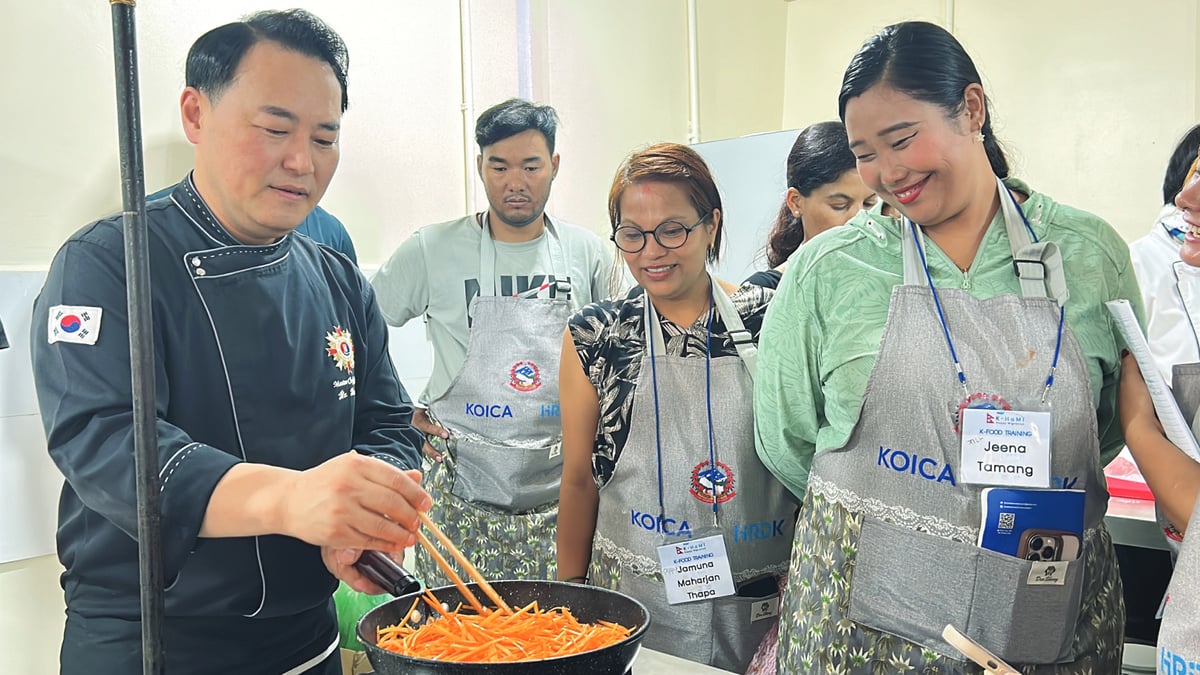
Taking classes overseas can be challenging given busy schedules with overtime work and logistical challenges. But there are options for similar training back home for returnees. At a recent program in Kathmandu under the K-Hami project, for example, two Korean chefs trained returnees who hoped to start K-food restaurants, either individually or in groups. Others with existing eateries wanted to expand their menu offerings.
Even though the workers had mostly been employed in manufacturing or agriculture in Korea, the entrepreneurship drive, cultural affinity and transferable soft skills made the training initiative an appealing pivot.
There are technical and entrepreneurship programs in Nepal open to all, not just returnees. Awareness programs are important to spread the word. Workers can attest to the importance of less visible but important traits like time management, hard work, communications and working in diverse settings that they gained overseas.