This is the 55th edition of Diaspora Diaries, a regular column about migration in Nepali Times.
Trying to escape being recruited by the Maoists, and running out of options in Nepal, I dropped out of school and paid Rs300,000 to a recruiter to take me to the UAE on a tourist visa.
I was stranded there for two months, and just as my visa was about to expire, I landed a job in the warehouse of an American base in Afghanistan.
Within three months, I got promoted to a Senior Supervisor which irked some of my colleagues who had been working there for seven years. I was already also feeling discriminated against by my Nepali colleagues, except one colleague from Taplejung who had a good heart.
One day, a bomb exploded in a container with food items, killing nine people. I had enough and returned to Nepal. When you are so close to death, you reassess your life choices. In my 17 months in Afghanistan, I had earned close to Rs3 million which helped me buy land and build a house.
In Kathmandu, I came across an ad in Kantipur for Korean language classes, and without even returning to Janakpur I enrolled. The EPS language test was just 58 days away, and there were people who had been preparing for the Korean language test for up to three years. The odds were stacked against me.
I studied for the exam as though my life depended on it. I aced the mock exams. I ranked first out of 600 students, and this reminded me of my childhood when I was a class topper. It was the financial situation that had made me discontinue my studies.
I managed to pass the exam, the only person out of the 36 living in our rented building. I went to Korea and worked in manufacturing. Three months into my stint, my father was diagnosed with a brain tumor, and I came home for a month to take care of him.
Even if I did not have liquid cash, I knew I had a job waiting for me in Korea and could have borrowed money to take my father to India. My only priority was to keep my father alive. But the doctor said his case was terminal.
He was discharged from hospital, and we brought him home. As I left for Korea, he could not speak properly but acknowledged that I was leaving and gestured his blessings. He died a week later.
I was at work, and went to my room to grieve. I declined my employer’s offer to buy me a ticket home as I had already lost my father. I mourned for him for a week in my room.
In the five years there, I repaid the loans I had taken for my father’s medical bills and even had some savings. I could have renewed my contract in Korea for another five years, but I decided against it.
Of course, it was exhilarating to be paid Rs200,000 a month in my bank account, but I had worked for others all my life, and now that I had made some money, I wanted to do something on my own in Nepal.
The technical skills I had accumulated working in a car company were not very applicable here. But I also learnt many other things in Korea like work ethic, respect for peers, and discipline. I bought a used machine that makes notebooks and set up Rudraksha, a notebook factory.
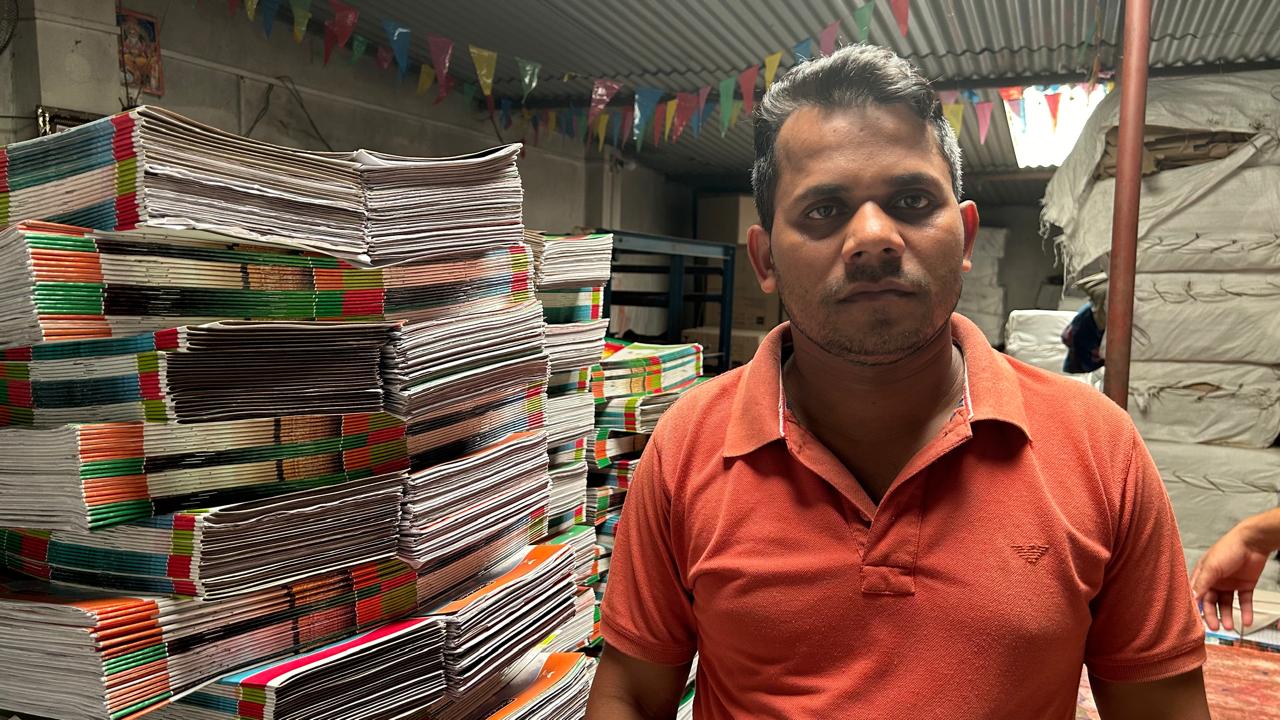
I hired a former worker from the same factory I had bought the machine from and he taught me how to operate it and about the stationery business. Seven years later, he is still working with me.