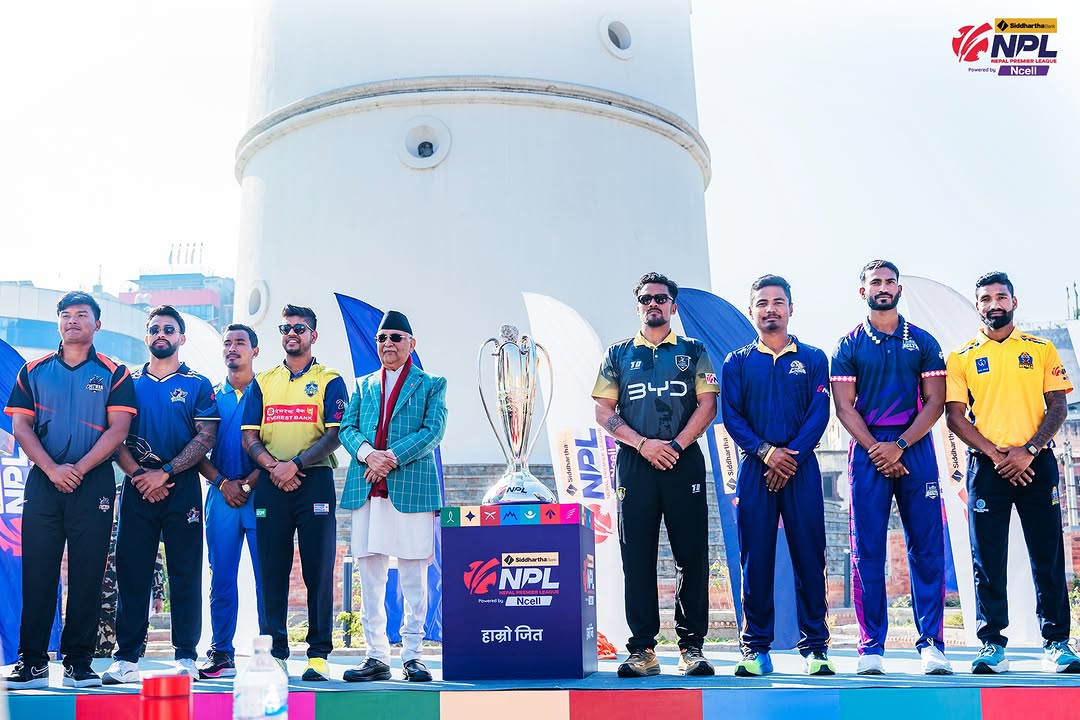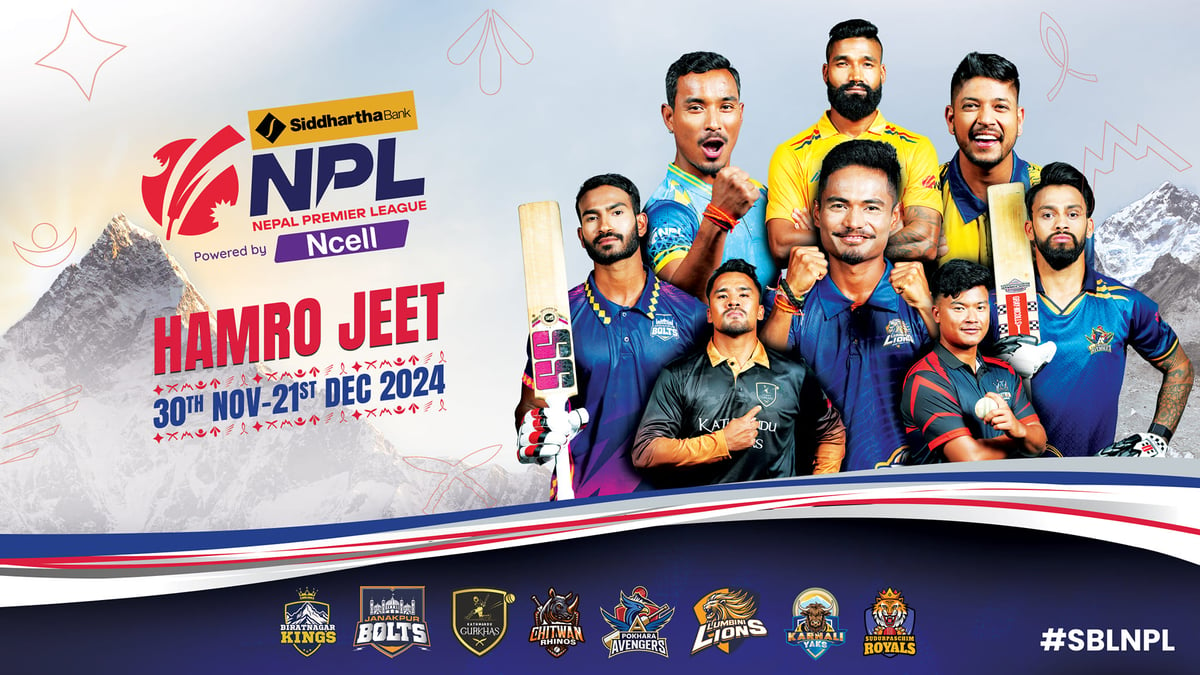
The Nepal Premier League T20 men’s cricket tournament is a culmination of much progress in the sport in Nepal over the past decade, and a thrilling first step into higher level sports events in the country. Adding to the excitement is the international talent taking part.
The tournament features eight teams made up of Nepali and international cricketers, including Shikhar Dhawan, one of India’s greatest ODI batsmen over the 2010s, and an IPL stalwart for the Delhi and Mumbai franchises. Dhawan is playing for the Karnali Yaks at the NPL.
Other eminent imports include Kiwi batsman Martin Guptill, Indian-American Unmukt Chand, and Trinidadian fast bowler Anderson Philip.
The NPL franchises are named for Nepal’s provinces and cities. Beside the Yaks, there are the Biratnagar Kings, the Chitwan Rhinos, the Janakpur Bolts, the Kathmandu Gurkhas, the Lumbini Lions, the Pokhara Avengers, and the Sudurpaschim Royals.
The franchises have a wide variety of backers, including Kantipur Publications behind the Gurkhas, Chitwan Medical College behind the Rhinos, and Himalayan Builders for the Yaks. These entities are paying the international stars salaries rumoured to be in the Rs5 million range ($37,000) for the 21-day contest.
The teams will play each other first in a round-robin league, after which the best performers will progress to playoffs. There will be 32 games in total, all to be held at the Tribhuvan University International Cricket Ground in Kirtipur which is being spruced up, including additions of an expanded boundary, digital scoreboard, new sight screens, and practice pitches.
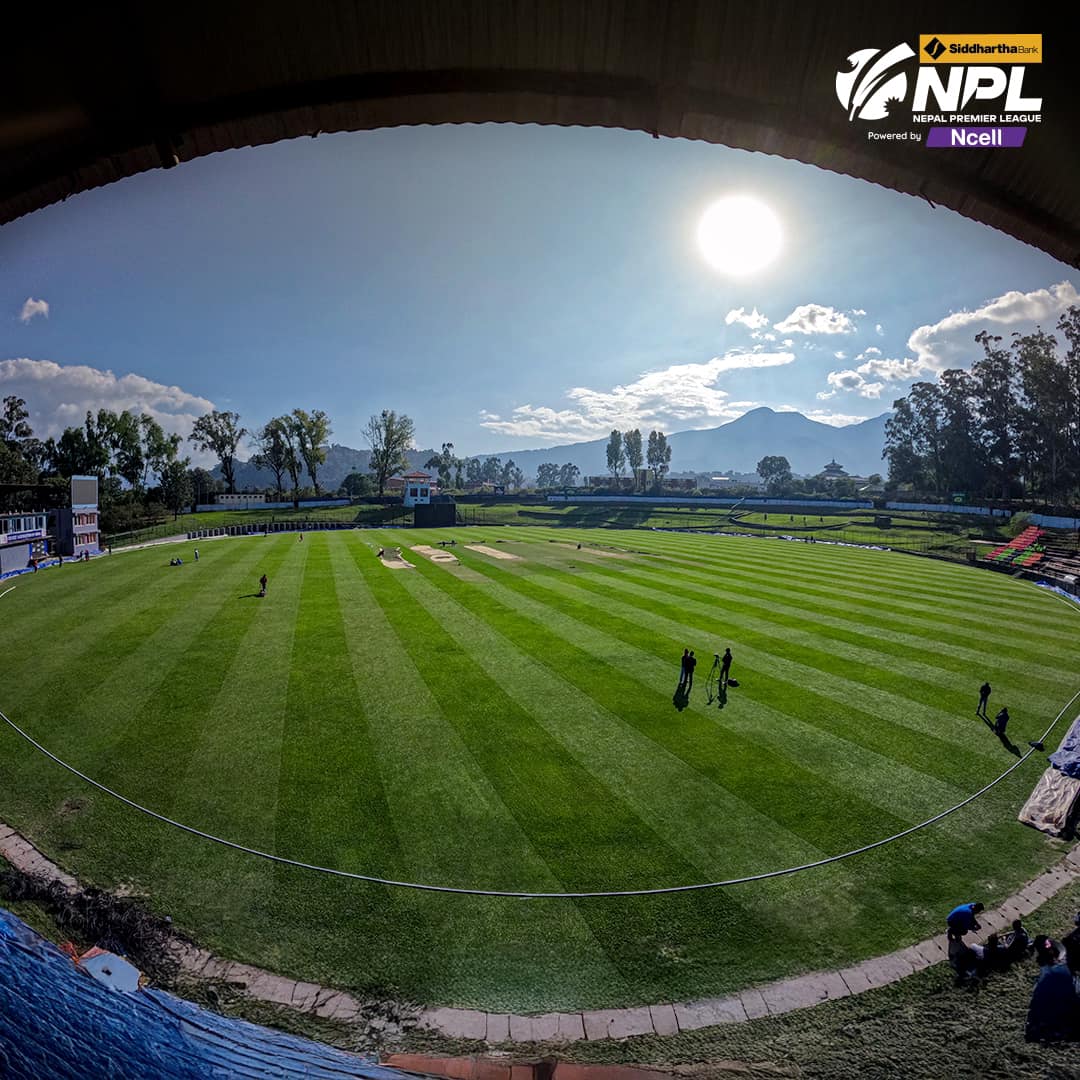
“Holding all the games at the same stadium makes sense logistically for this inaugural season,” says Chhumbi Lama of the Cricket Association of Nepal (CAN). “Future editions will see matches happen across Nepal.”
Another benefit of the tournament in future is that it may expedite the completion and upgrades of stadiums across the country, such as Mulpani Cricket Stadium in Kathmandu, the Gautam Buddha International Stadium in Bharatpur, and the Fapla Cricket Ground in Kailali.
The main benefit of the tournament is said to be the development of Nepali cricket talent. The rules are also made up to favour this with each 16-player squad having no more than four foreign players. One Nepali ‘marquee’ player was selected by lottery, and others were signed through auctions for as high as Rs1.5 million.
“Each team will have the marquee player from the province they represent,” says Lama, although this does not seem to be the case in practice. The 24-year-old leg spinner Sandeep Lamichhane, for example, is captaining the Biratnagar Kings, although he comes from Syangja district in Gandaki Province.
“NPL’s goal is to support the development of cricket and our players,” says ex-captain and CAN secretary Paras Khadka. Players who are not usually selected for the national team will have the chance to show their cricketing skills. This has proved very beneficial in similar domestic leagues around the world.
The Indian Premier League, for instance, led to the discovery and improvement of players like fast-bowler Jasprit Bumrah and batsman Suryakumar Yadav, who not only have become regular starters for the Indian national team, but also are now some of the top-ranked cricketers in the world, contributing to India being the best team in both T20s and ODIs.
Nepal’s excellent run in the T20 World Cup this summer, with stellar performances against The Netherlands, South Africa and Bangladesh showed the world that the country could compete at the highest level in cricket. This has added to the legitimacy of the NPL and also promises longevity through future editions: the titular sponsor of the tournament, Siddhartha Bank, has committed to this role until 2029.
Ncell is also involved, as the ‘Powered by’ sponsor, continuing the telecom company’s support for cricket, football, volleyball, golf and paralympic athletes. Another sponsor for the Kathmandu Gurkhas, is Chinese electric vehicle giant BYD.
Adding weight to the NPL is that it is being broadcast live on Star Sports, giving it a global audience. Perhaps the eyes on the tournament that will have the added benefit of discouraging match fixing which has been a problem in past attempts to organise cricket leagues in Nepal.