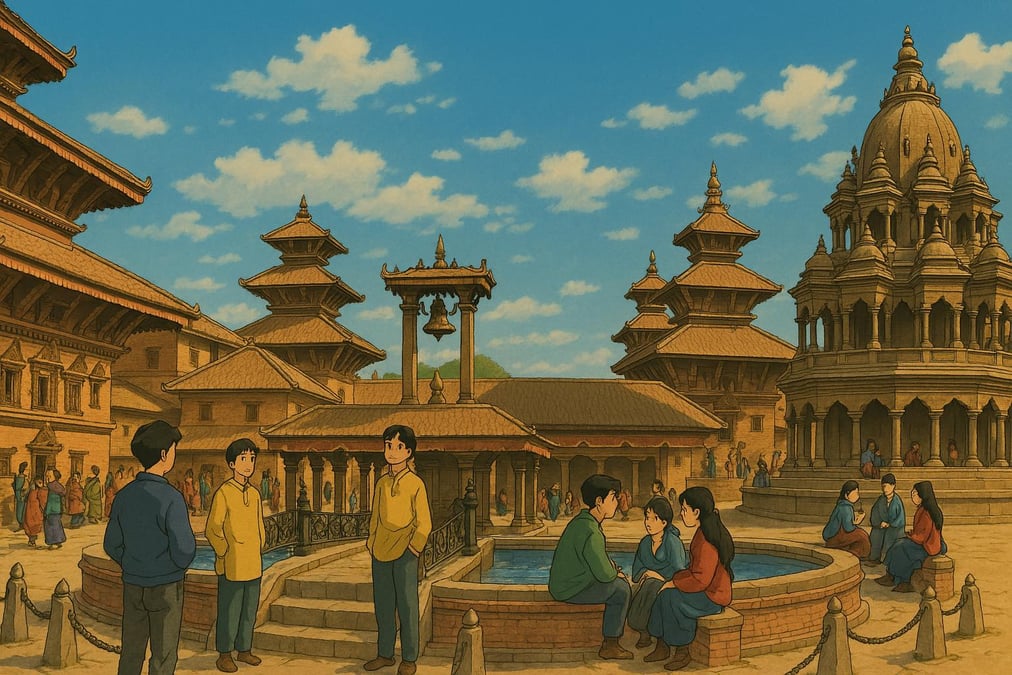
The soft pastels and whimsical background looked like a moment stolen from a Hayao Miyazaki film. The thrill on my niece’s face was palpable as she shared her first Ghibli-style portrait earlier this month.
This surge in the latest generative AI tool can transform personal photographs into Studio Ghibli-inspired artwork. It is dubbed ‘Ghiblification’ and has captured the global imagination.
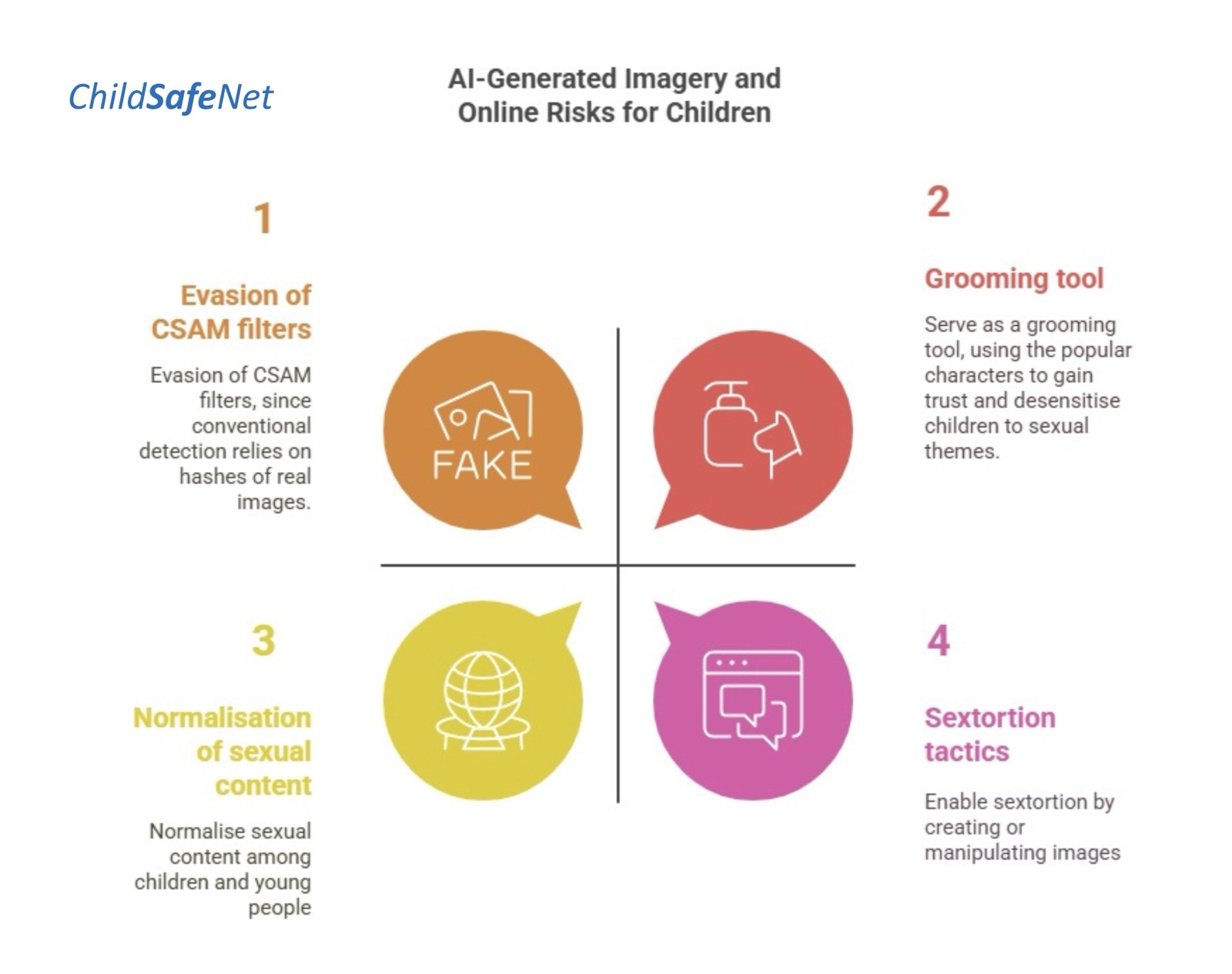
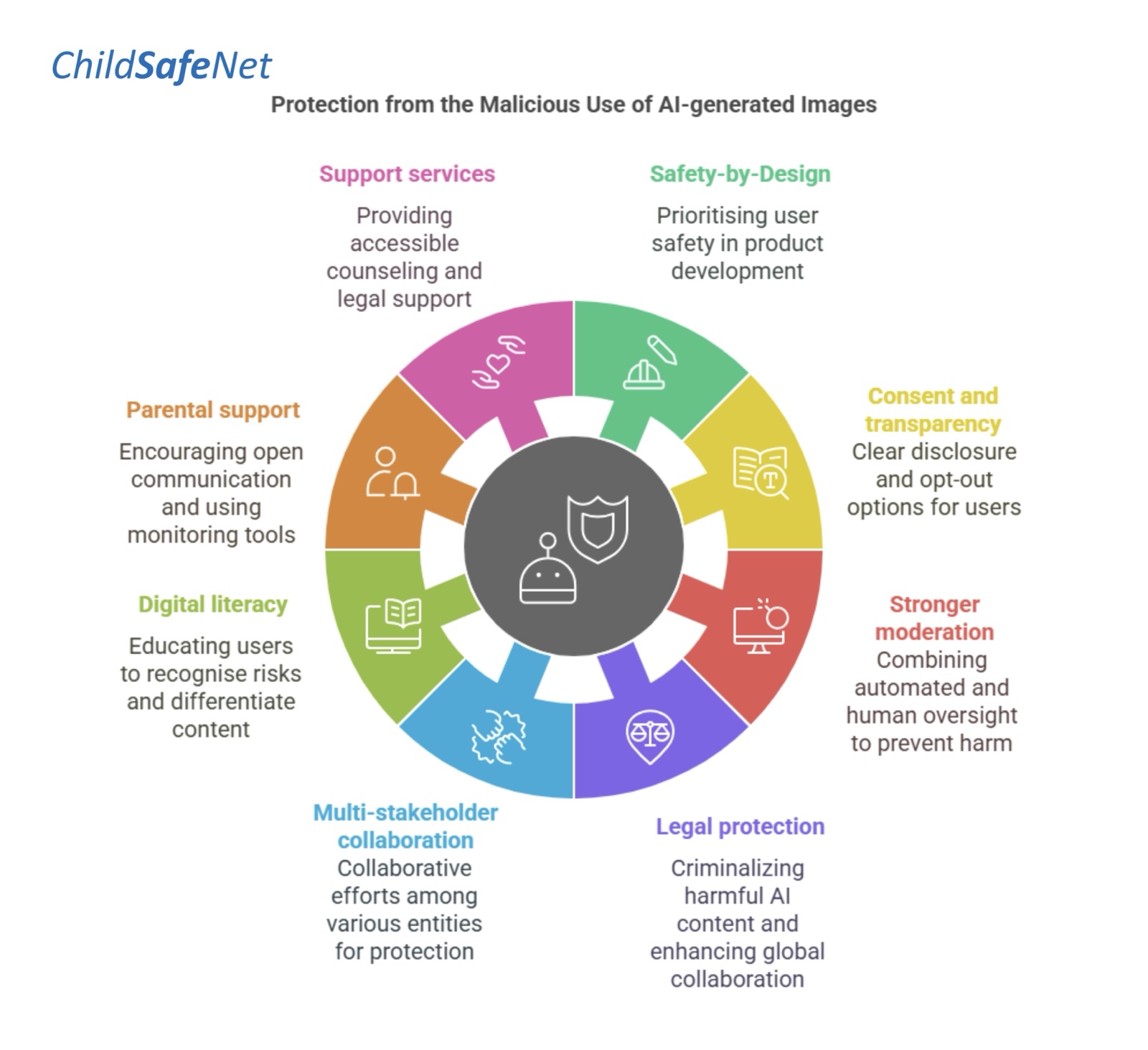
But danger lurks.The playful trend masks serious hazards. Every image can be retained and repurposed as training data, jeopardising privacy and creating fresh pathways for child sexual abuse material, sextortion, bullying, and hate speech.
A recent study by our ChildSafeNet with UNICEF Nepal on generative AI and child safety reveals that over 60% of young people in Kathmandu have experimented with generative AI, often oblivious to the hidden costs.
Every time a photograph is uploaded to create AI-generated artwork or submitted to an app like Dreamify, the user is giving away more than just pixels: they are entrusting their likeness, metadata, and private spaces to an opaque system. The image may be stored indefinitely and woven into the AI model’s training data.

Distinctive facial features, location metadata, or even background details can be memorised and later reproduced in outputs for other users, violating privacy and breaching confidentiality. Even heavily edited or filtered images can leave a digital fingerprint that sophisticated models can reproduce.
OpenAI, the company that owns generative AI models like ChatGPT and DALL·E, uses the images shared by users as training data to refine the model, unless the user opts out. However, the potential for misuse is great.
Read also: Artificial censorship, Vishad Raj Onta
Viral adoption of AI-generated imagery makes people inclined to upload personal images, including those of families and minors. These images contain rich personal information, and serve as a significant source of data for companies, allowing technology firms to collect valuable insights into facial features, social dynamics, and cultural nuances.
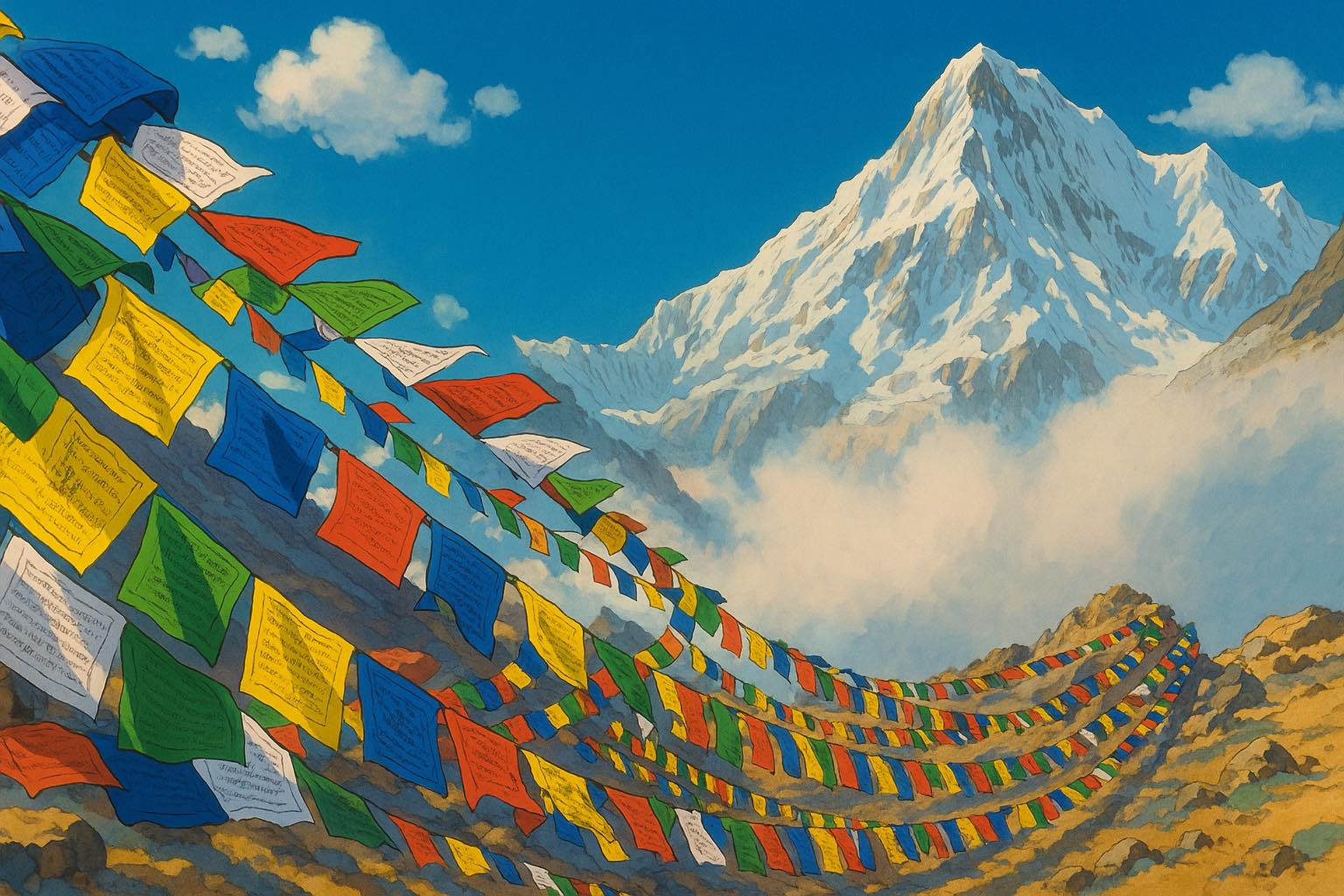
“Such visually appealing images can be easily misused for generating seemingly credible imagery for spreading misinformation and reinforcing cultural stereotypes,” says computer scientist Dovan Rai with Body and Data. “Children are particularly vulnerable, as sexualised deepfake content can be generated with ease.”
Most platforms that provide AI image-generation tools do not transparently disclose how they handle uploaded content. When children's photos are ingested, the model internalises these features, which can later resurface in contexts no one intended, creating an ethical time bomb.
“Children’s likenesses could also appear in unexpected contexts, such as advertisements, memes, or controversial content, all without their families' knowledge,” Rai warns.
The Internet Watch Foundation recently identified over 3,500 AI-generated child sexual abuse material in one month on encrypted forums — some grotesque deepfakes superimposing children’s faces onto sexual content. While those examples were not in the Ghibli style, they demonstrate how any benign filter can be twisted into a tool for exploitation.