

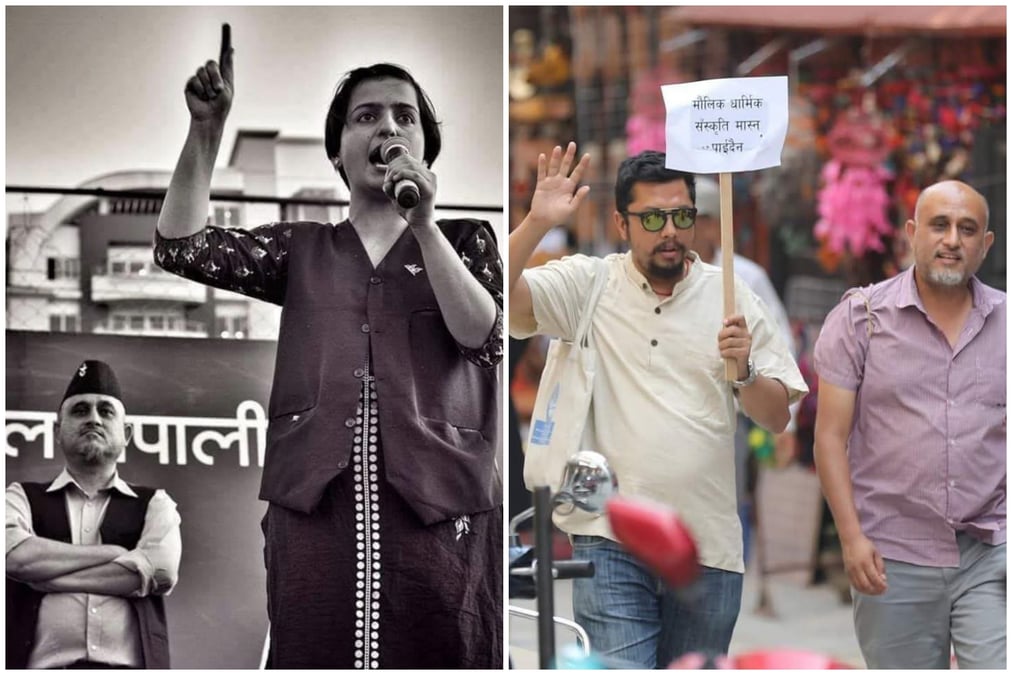
“Let's have another cup of tea,” Ujwal Thapa of the alternative Bibeksheel Nepali party told the young activist Pukar Bam ten years ago. The two had 12 cups of tea that day, discussing ways to get Nepal out of its political deadend.
Thapa contested the Constituent Assembly election in 2013 as an independent from Kathmandu, and formed Bibeksheel Nepali to galvanise youth impatient for change, fielding candidates in the first federal election in 2017.
Ujwal Thapa was a political guru who was way ahead of his time, and his protégés were among the RSP’s winning candidates in last week’s election.
Pukar Bam was a core member of Bibeksheel Nepali until its dissolution, and won the Kathmandu-4 seat this time. Other former Bibeksheel members who won the election from the RSP in Kathmandu include Ranju Neupane from Kathmandu-1, Sasmit Pokharel from Kathmandu-5, and Biraj Bhakta Shrestha in Kathmandu-8.
As votes were counted and the results from Kathmandu began to come in, the candidates paid fulsome tribute to Ujwal Thapa’s mentorship and in inspiring idealistic youth to become a part of an alternative political force.
Today, as RSP members of Parliament, they are no longer an alternative, but a part of Nepal’s new mainstream politics.
Thapa returned to Nepal after finishing his undergraduate computer science degree in the US at the peak of the Maoist insurgency. His foray into politics began when he traveled to Nepal’s western mountains to train communities in mediation.
After the war, he started a computer design company for young entrepreneurs entering the workforce. But he became frustrated with the inability of the second Constituent Assembly to promulgate the Constitution, and the power struggle between political parties played out in the streets that led to frequent shutdowns paralysing the country.
PROTEST TO POLITICS
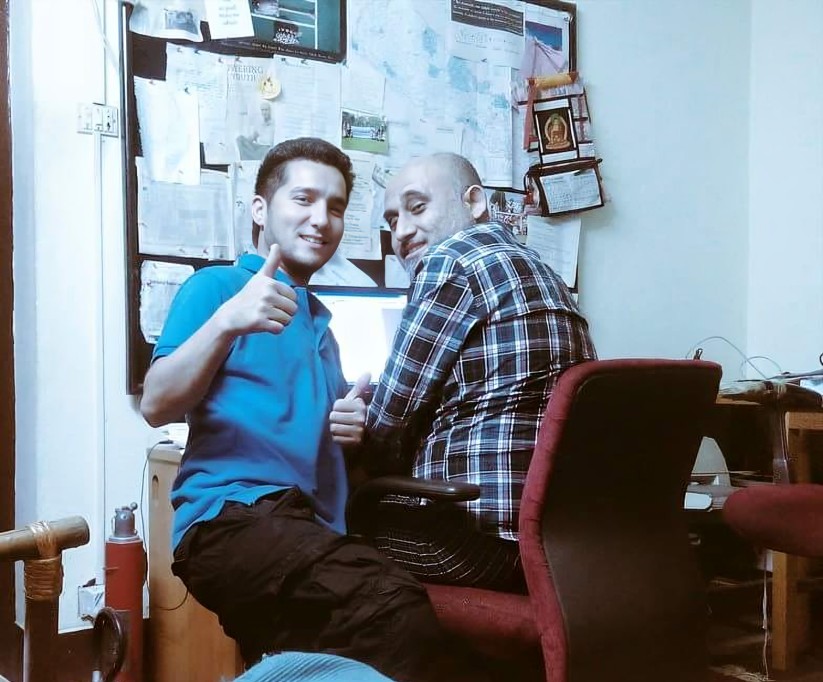
Ujwal Thapa had had enough, and rallied people from across walks of life, leading peaceful, silent demonstrations proclaiming 'नेपाल खुल्ला छ' against prolonged, violent strikes. Citizens fed up with the main political parties organised to defy the shutdowns.
Thapa’s activism and vision for a new Nepal drew disenchanted and previously apathetic youth into politics and to join the Bibeksheel Nepali Party in 2013.
Thapa was the pioneer of alternative politics in Nepal, and was leading a youth force long before the GenZ became synonymous with Nepal’s September Storm. He mentored and guided social activists who are today influential youth leaders engaged in non-traditional politics.
“Ujwal Thapa, with his entrepreneurial spirit, wanted to address people’s pain-points, and believed that activism was the starting point to alternative politics,” explains Ashutosh Tiwari, former member of Bibeksheel Sajha party. “He sought to build confidence, motivate, and build a community for young people, which drew a lot of people into Bibeksheel.”
He adds: “ And while people might say that Bibeksheel never got big, that was never its point. Its function was to be an early talent incubator, which is what it did as evident by the result of this election.”
Thapa died in 2021 of complications related to Covid-19, and Bibeksheel had two mergers with Rabindra Mishra’s Sajha Party before being permanently dissolved in 2021.
But many of its idealistic members joined Rabi Lamichhane’s RSP, formed just four months before the 2022 federal election. Such was the groundswell of support for change that the RSP became the fourth-largest in Parliament.
In 2017, Ranju Neupane (then Ranju Darshana) was the youngest mayoral candidate for Kathmandu at age 21, and contested the federal election in 2022. Pukar Bam himself lost the 2022 election in Kathmandu-1 as an independent.
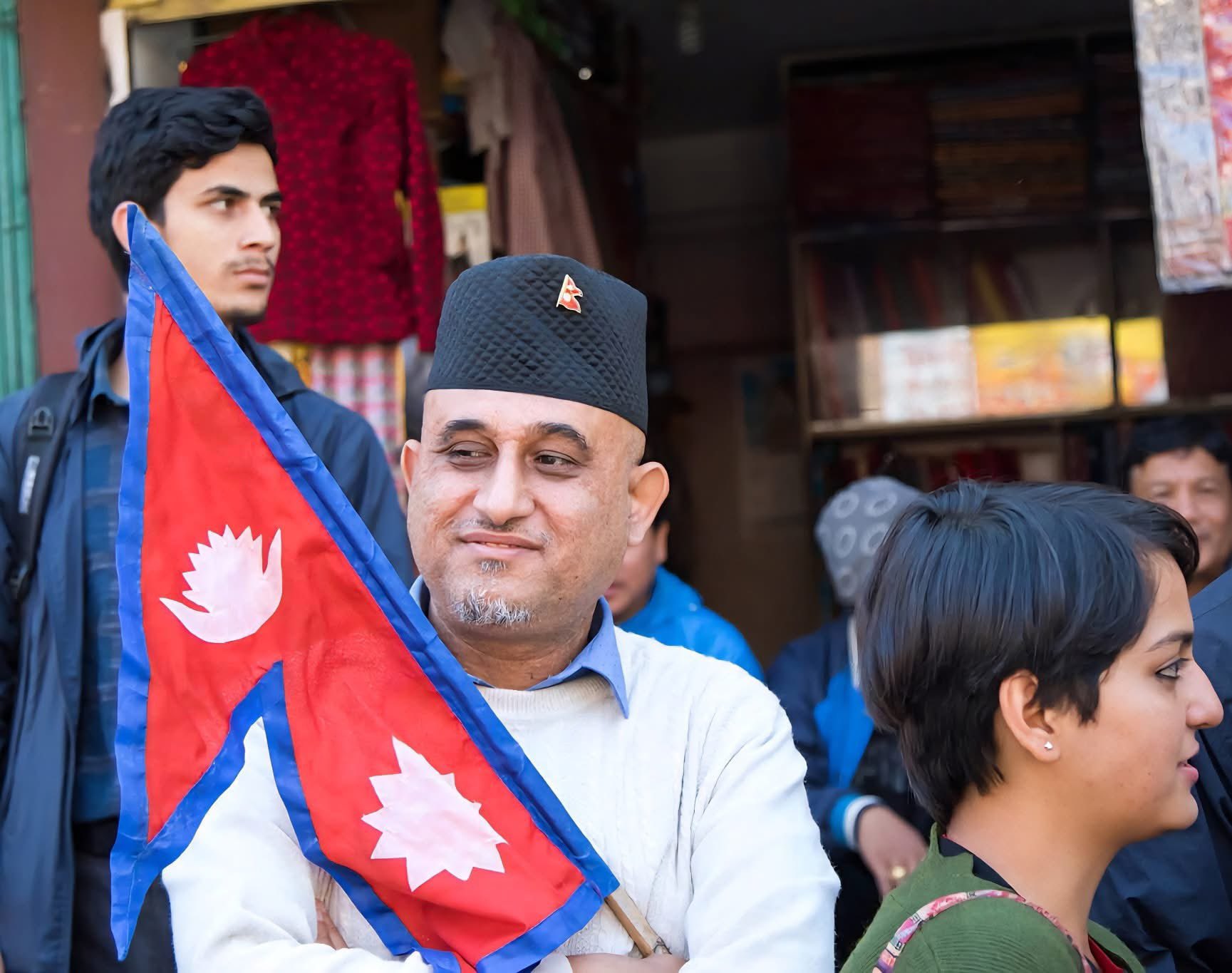
Sashmit Pokharel also ran an unsuccessful campaign as an independent candidate in Kathmandu during the 2022 provincial election. Later, he was a member of the City Planning Commission under Balendra Shah when he was elected mayor of Kathmandu in 2022.
Last week, the RSP swept the election with a supermajority of 182 seats in Parliament. Voters placed their trust in the party and its leaders to steer Nepal in a new direction after the youth unrest in September.
In many ways, Nepal’s youth have decided, just as Ujwal Thapa once did, that enough is enough with corruption, malgovernance, nepotism and dynastic politics.
In the documentary about his life, Dimag Ghochne Manche, released earlier this year, some RSP nominees who previously worked with and were mentored by Thapa spoke of the impact he had on their lives, career, and activism.
Among them is Biraj Bhakta Shrestha, former minister of Youth and Sports who is now a second time RSP parliamentarian. “I tell everybody that if it hadn’t been for Ujwal Dai, I would not have gotten into politics,” he says in the film.
It would be unfair to attribute all the success of the hard-fought campaigns entirely to Ujwal Thapa’s protégés and former coworkers.
But his ethos and vision for Nepal was what inspired them, and will in the coming years be reflected in national politics through the young idealists he mentored.
Says Ashutosh Tiwari: “There are many Bibeksheels outside of RSP in constant and open communication with their old friends who have been elected. They will be keeping the lawmakers in check so that they do no stray too far from the values that they grew up with.”