
At Budhanilkantha School Ujwal Thapa was a few years my senior. He was a quiet person who kept to himself; I didn’t know him very well despite being related to him because of that introversion and natural shyness. What we did have in common, coming of age in the 1990s, is our generation, GenX, which became weary, inured for the most part, to Nepal’s famously unstable politics.
Counting the events of this past September, GenX has, astonishingly, lived through three people’s revolutions, one armed conflict, a flawed but hard won constitution, and a major earthquake. Ujwal Thapa, one of Nepal’s most cherished Gen Xers, despite his previous, youthful reticence, did not long remain a complaisant bystander against the backdrop of these extreme upheavals.
By the mid 2000s he had become deeply political, but without the equivocation that so often accompanies politics. Thanks to his lived experience, he came to believe that the youth of Nepal are the key to our future. He believed in discerning wisdom (bibeksheelta), innovation, and nurture. He inspired entire generations, young and old, including GenZ, before his untimely death due to Covid in 2021. He was only 44.
By the time of his passing he had started a tech company, and employed and mentored scores of youth. It is important to note that only after he had made a significant contribution to civil society did he turn towards politics, founding and then stepping back from the Bibeksheel Nepali party, which has now, after several complicated mergers and splits, been integrated into the Rastriya Swatantra Party (RSP).
When the Ujwal Thapa Foundation set out to make a documentary on his life three years ago, no one could have known that it would premiere at such a crucial point in Nepal’s social and political history.
Everything that Ujwal Thapa believed in still holds true. I think he would have been proud to see the youth of our country, GenZ, stand up for themselves, peacefully. He would have been grieved at the state condoned bloodshed, and, believing in non-violent protest himself, been deeply shocked by the savage revolution that followed.
Most of all, I wonder how he would have reacted to the publishing of the blatantly elitist RSP proportional representation list - the party that many had pinned their hopes on, and that Bibeksheel Nepali has ultimately been absorbed into. That party now seems like it may be a chip off the rotten old block, ruled by men endorsing rampant nepotism, and outnumbered by people without scruples.
Many of the names on the list and the rankings, in particular, disrespect the very spirit of a provision that was created for those competent individuals who would not otherwise be able to contest elections, due to lack of monetary and social capital, but whose marginalised voices are vital for inclusive policy making. There is still time for real inclusion, to embrace a more bibeksheel path, before the March elections.
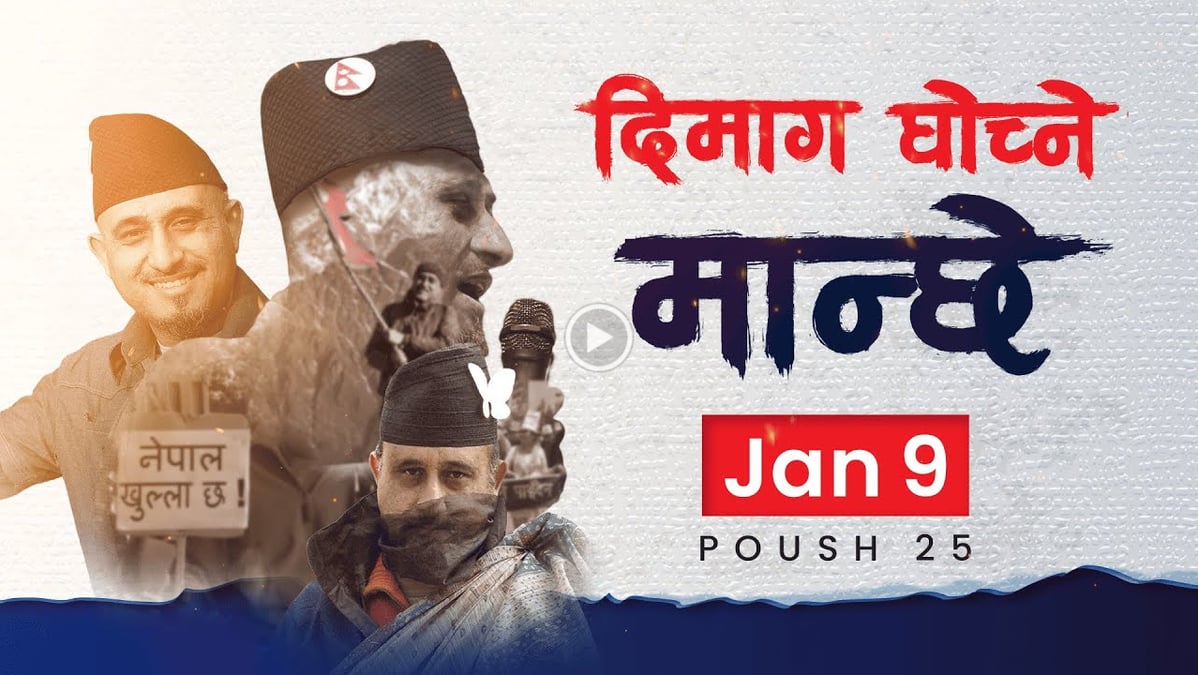
Ujwal Thapa’s own, firm, ethical stances are clear in the The Man Who Shook Our Minds, translated loosely from the Nepali title Dimaag Ghhochne Manchhe. While long, at almost two hours, it is filled with thought-provoking and sage counsel. The film also offers very real insight into how Ujwal Thapa evolved into the icon he is today.
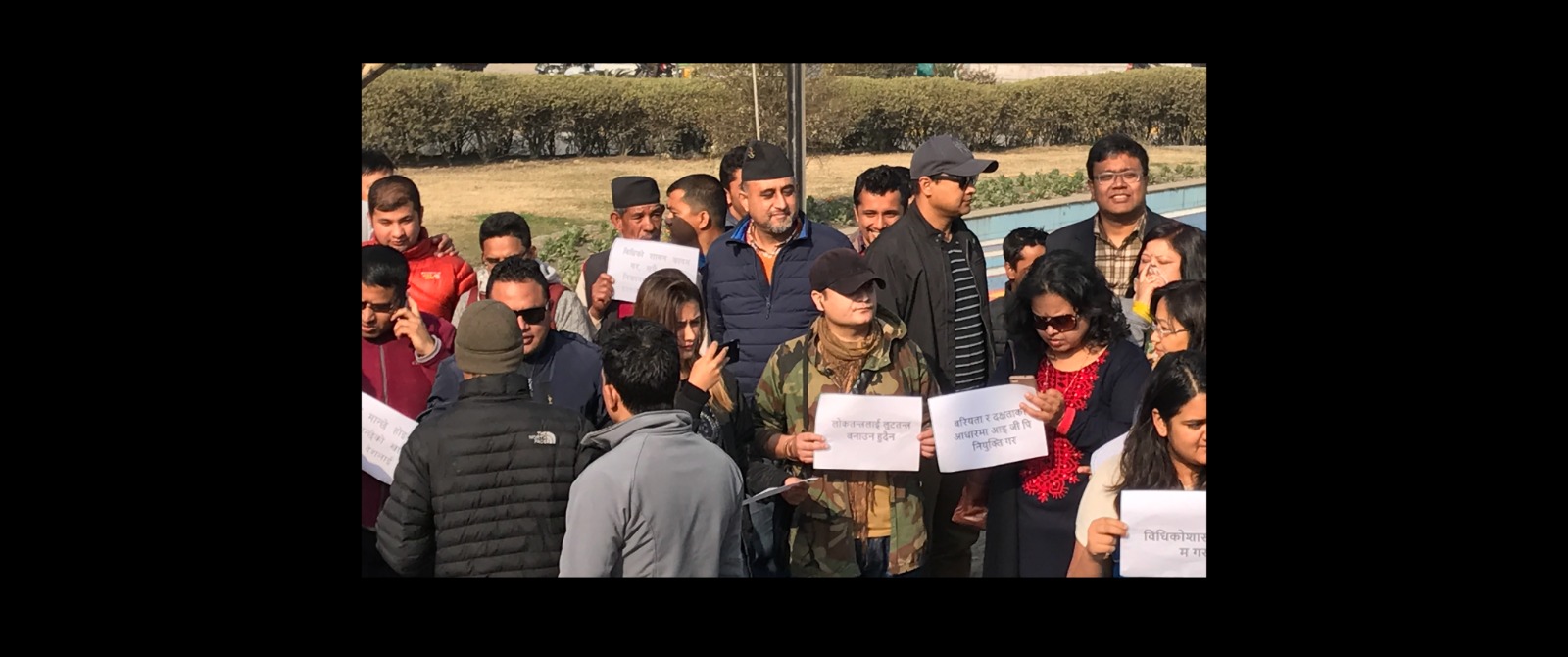
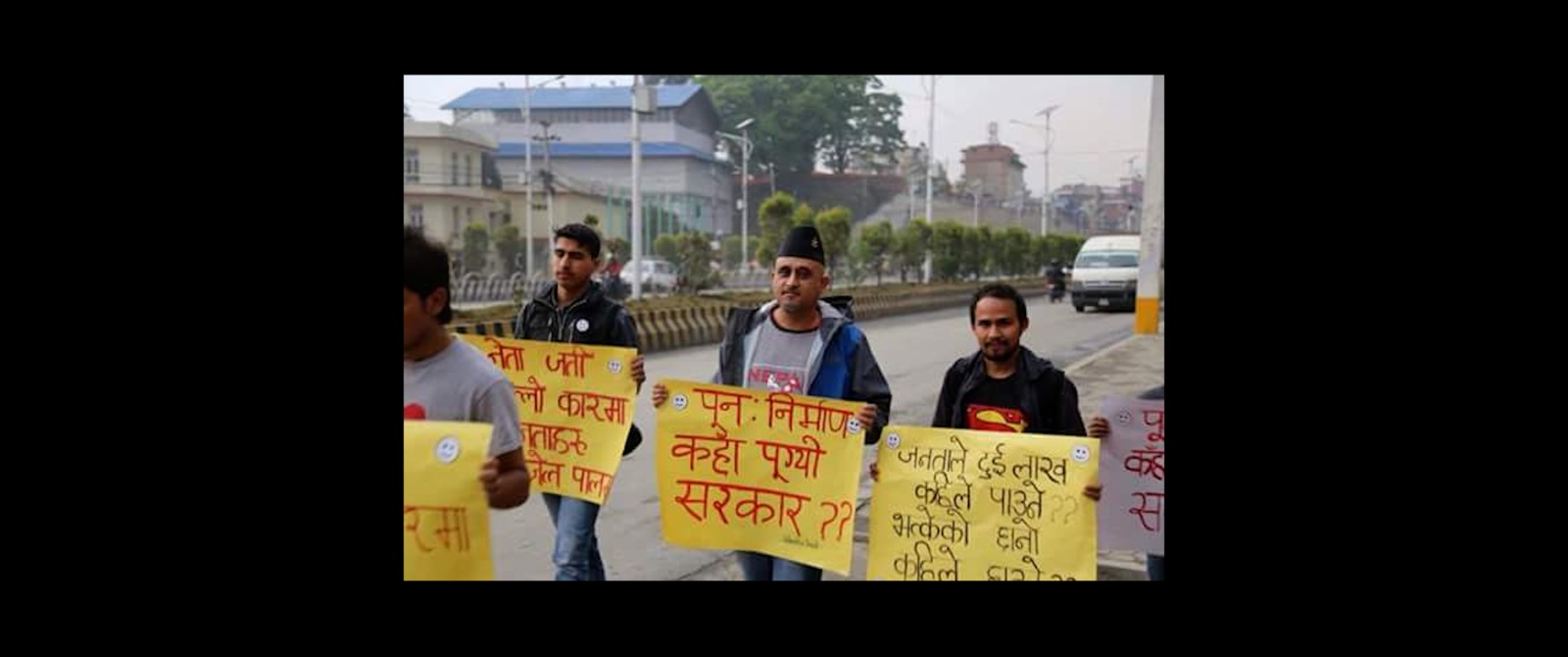
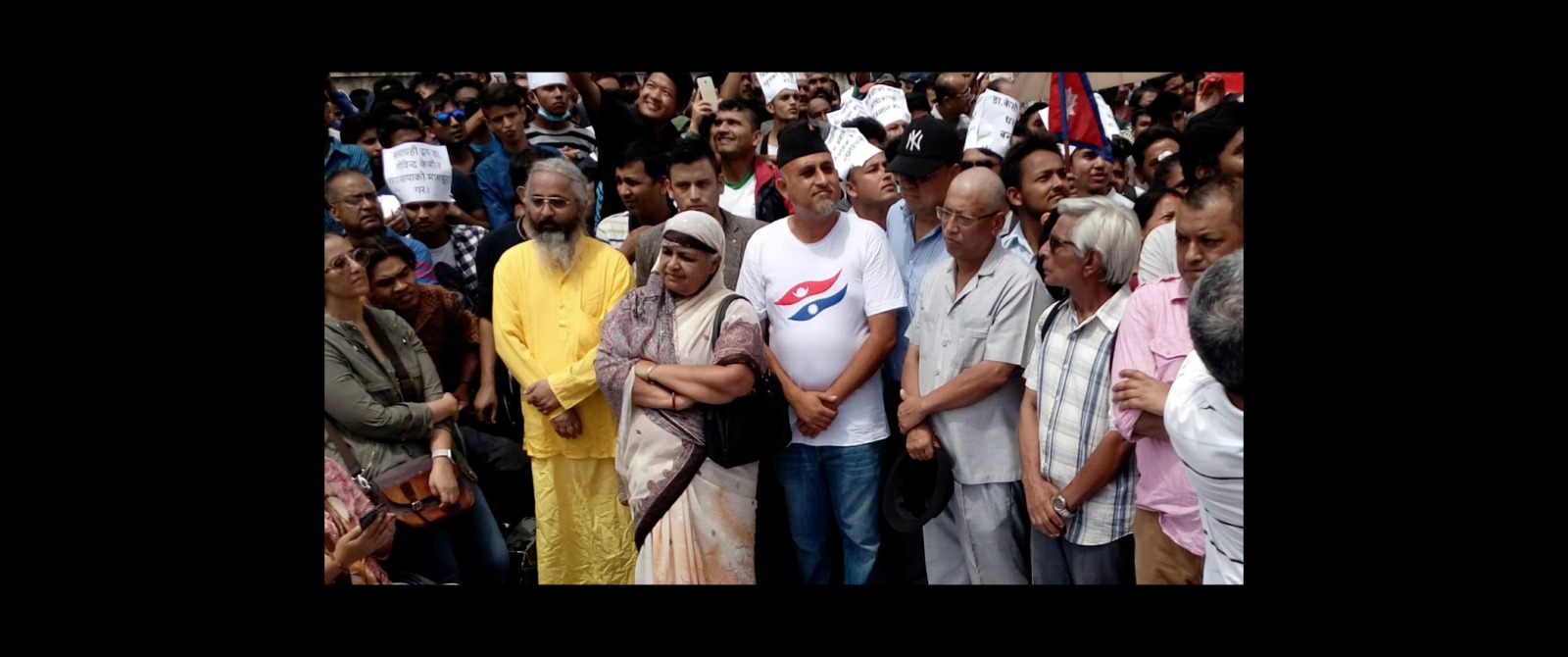
It isn’t easy making a documentary after the passing of the primary subject. While there are many talking heads, the people featured, friends, family, fellow activists and senior politicians are all eloquent in their descriptions of Ujwal Thapa and his transformation from an engaged, civic minded entrepreneur into a committed political leader who among many other commendable things, believed in putting women first, and understood the crucial necessity for a welfare state that would serve its people. The main man is not deified, he is humanised.
The feature is punctuated, and leavened, with moments of real humour as his infamous bluntness and occasional domestic haplessness are gently exposed. Another strength of the film is the profound love story between Ujwal Thapa and his brave, brilliant, incredibly resilient wife, Erica Adhikary, the heroine to a real life hero, and a major force behind the making of this film, alongside many of his stalwart wellwishers and friends, old and new.
Sushila Karki, the Prime Minister, was present at the premiere of the film with members of her Cabinet. Candid and sincere in her opening remarks, she said she had wanted to attend the moment she heard about the film. She had known Ujwal Thapa, and she had mourned his loss, praying for him during his illness. She wished that leaders like him were here today to show us the way forward in a time of need.
The film opened in theatres on the 9th of January, and is an essential viewing experience for anyone who cares about Nepal’s future and wants some insight into how they might make a difference.
Ujwal Thapa was not perfect, but he was remarkable. He realised that being a civic minded citizen just isn’t enough. To make a real difference, one also needs to be principled, insightful, entrepreneurial, creative, self motivated, able to speak truth to power, uncorruptible, practical, well prepared, and, perhaps, most importantly, able to step back from holding power even after attaining it.
The saying by Plato that goes “He who does not desire power is fit to hold it” was surely meant for people like Ujwal Thapa. One can only hope that in the near future more people embodying this description will, however reluctantly, come forward to lead Nepal. Ujwal Thapa worked hard to enable this, they must be out there.
The Man Who Shook Our Minds is being screened at QFX cinemas across town.
Sophia L Pandé is on the Ujwal Thapa Foundation Advisory Board. She is a writer, art-historian and filmmaker, advising on the economic and social potential of the Cultural and Creative Industries. She is Director of Development at the Kathmandu Valley Preservation Trust, and Founding Director of The Kalā Salon, a non-profit space for the arts.