With her husband unemployed, it was difficult to manage the household expenses. Debt was piling up, and Sonika Sanjel saw foreign employment as her only way out.
“I was always fighting with my husband because we didn’t have enough to get by so I found a middleman,” says Sanjel.
The broker said she had to go to India overland and then fly to Kuwait from Delhi.
Having travelled far from home, first to Kathmandu and then to Raxaul in Birganj, she was ready to go to an even more unfamiliar place if it meant it would free her from financial trap.
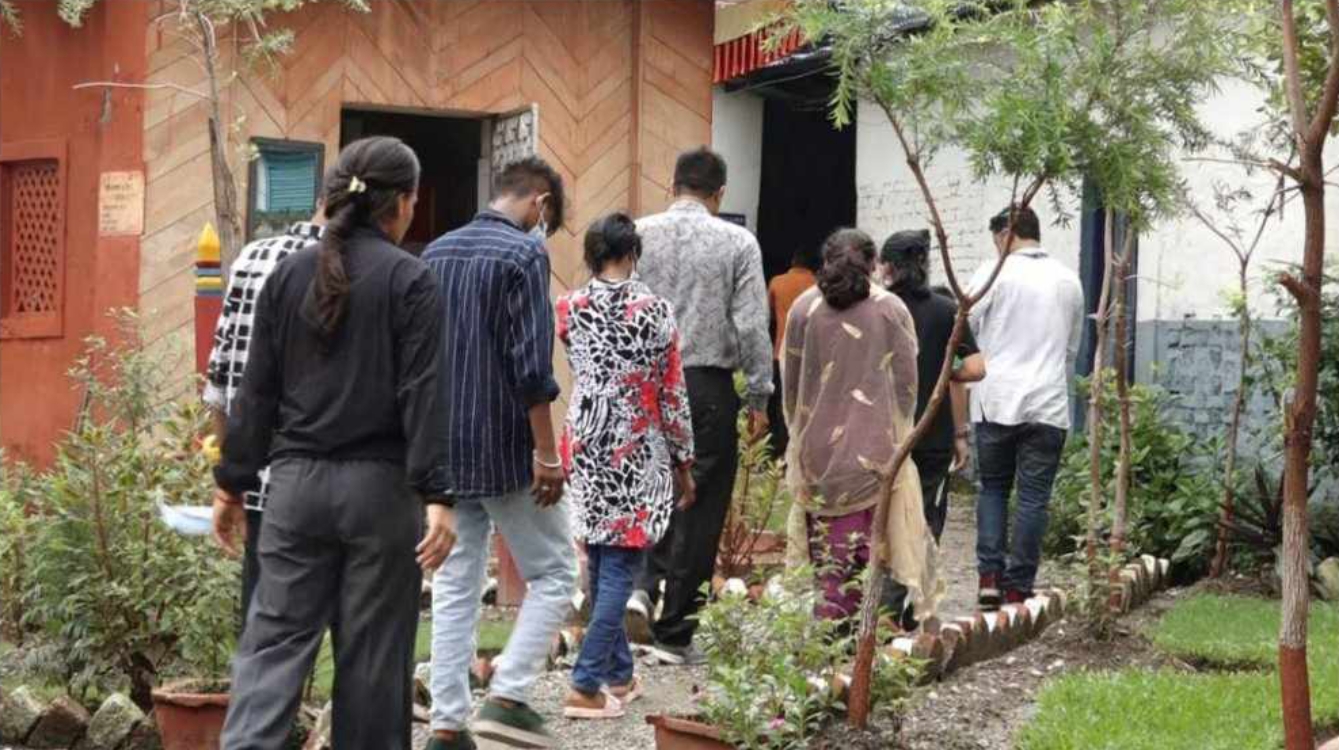
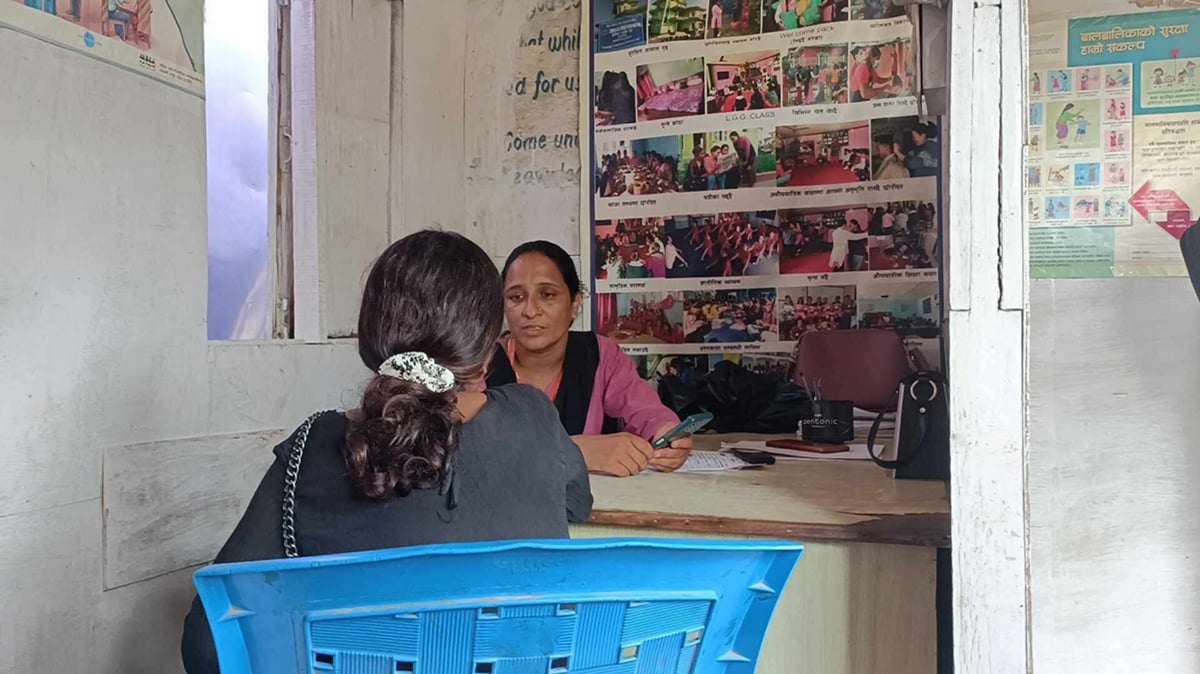
Sanjel reached the border town of Belahiya in November, where volunteers deployed to control human trafficking became suspicious and questioned her. She told them she was going to Kuwait but could not produce the necessary documents. They were telling her she was being trafficked, when the recruiter disappeared. She is now at the Shanti Rehabilitation Home in Bhairawa.
Read also: Two decades of debate on female migration, Upasana Khadka
Nitesh Kumar Chaudhary heads the organisation monitoring human trafficking at the border, and says that the number of Nepali women being trafficked has increased significantly. “We have been stopping those we suspect,” he adds, “but some may have slipped through.”
Organisations working on migration and women’s issues in the area including the Peace Rehabilitation Center, Aafanta Nepal, Sana Haat and Shubha Avar Gram provided counselling to nearly 33,000 women at the Belhiya border crossing in the past year. Of them, nearly 800 women were trying to go to a third country to bypass a ban on women migrant workers.
Nepali women used to be trafficked to India to work in the sex industry, but the recruiters have now shifted to luring them to third countries. However, those going overland via India are also sometimes stranded in Mumbai and Delhi and sold to brothels.
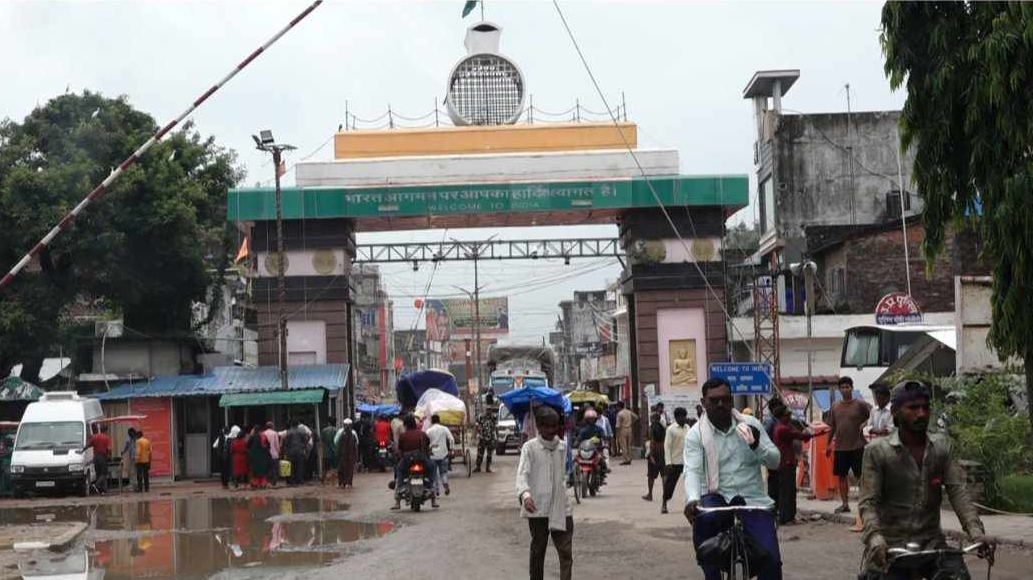
So far, 15 human trafficking and smuggling cases have been filed at the district police office in the last five years. Deputy Superintendent of Police Suraj Karki also confirms that the number of women traveling to third countries overland through India has increased.
“There is an increasing trend of women travelling India on foot and then flying off to other countries from there,” says Sita Pantha of the group SAMI. “Those who take this route are at a much higher risk.”
Just on one day two months ago, 13 women were stopped at Belahiya checkpoint. Other checkpoints on this side of the border in Biratnagar, Birganj, Nepalganj, and Mahendranagar have also seen human trafficking cases.
Read also: Teach to fight trafficking, Stéphane Huët
Following some high-profile cases of violence against Nepali female workers in the Gulf, the Nepal government on the recommendation of the International Relations Committee of Parliament banned women from travelling to the region in 2016. But women continue to migrate in the absence of other livelihood options at home, often resorting to illegal routes and at much higher costs.