
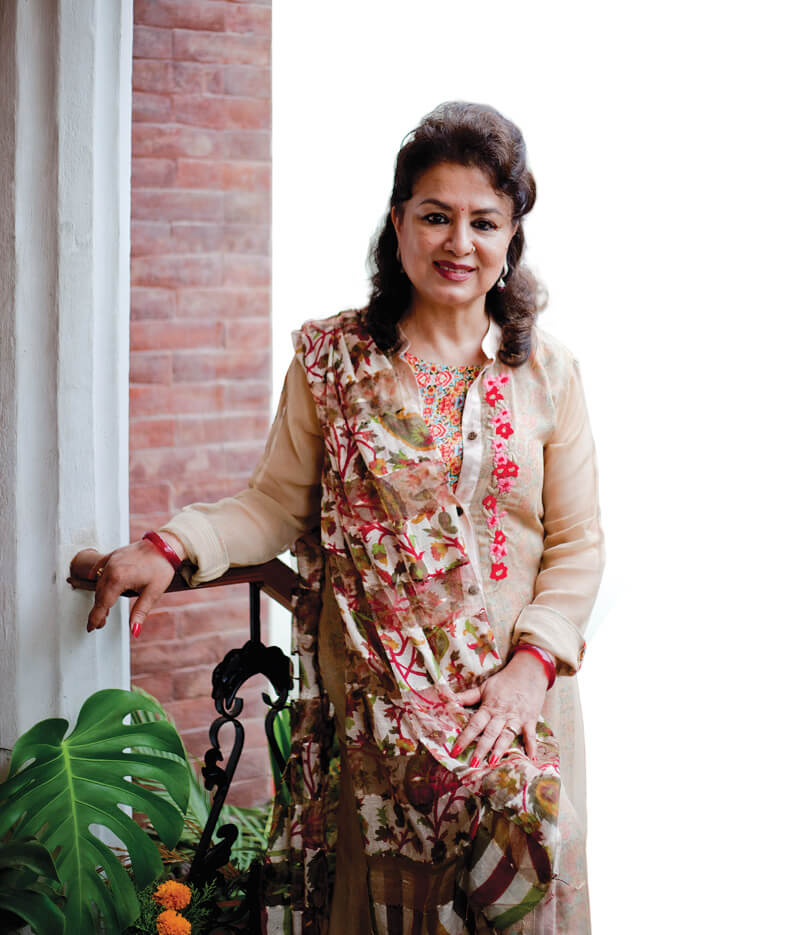
The first Nepali elected as a member of the committee of the United Nations Convention on the Elimination of all Forms of Discrimination against Women (CEDAW), journalist and gender rights activist Bandana Rana is looking forward to further challenges after being elected a Vice Chair of the committee this year.
Rana started out as a tv journalist more than 30 years ago, reading and producing the news on Nepal Television. Working on reports and documentaries about rural women, she wanted to go deeper into the field.
Eventually she co-founded Saathi, one of the first organisations working on domestic violence in Nepal, and Sancharika, a forum for women journalists. In those roles, Rana was involved in drafting shadow reports for CEDAW — analyses on the status of women drafted by civil society and non-government organisations to complement the government reports that are submitted every four years. Friends then suggested that she contest the election for the CEDAW committee.
“I was inspired by the prospect of being a part of that mechanism, since I have worked in gender rights for more than 30 years now,” says Rana.
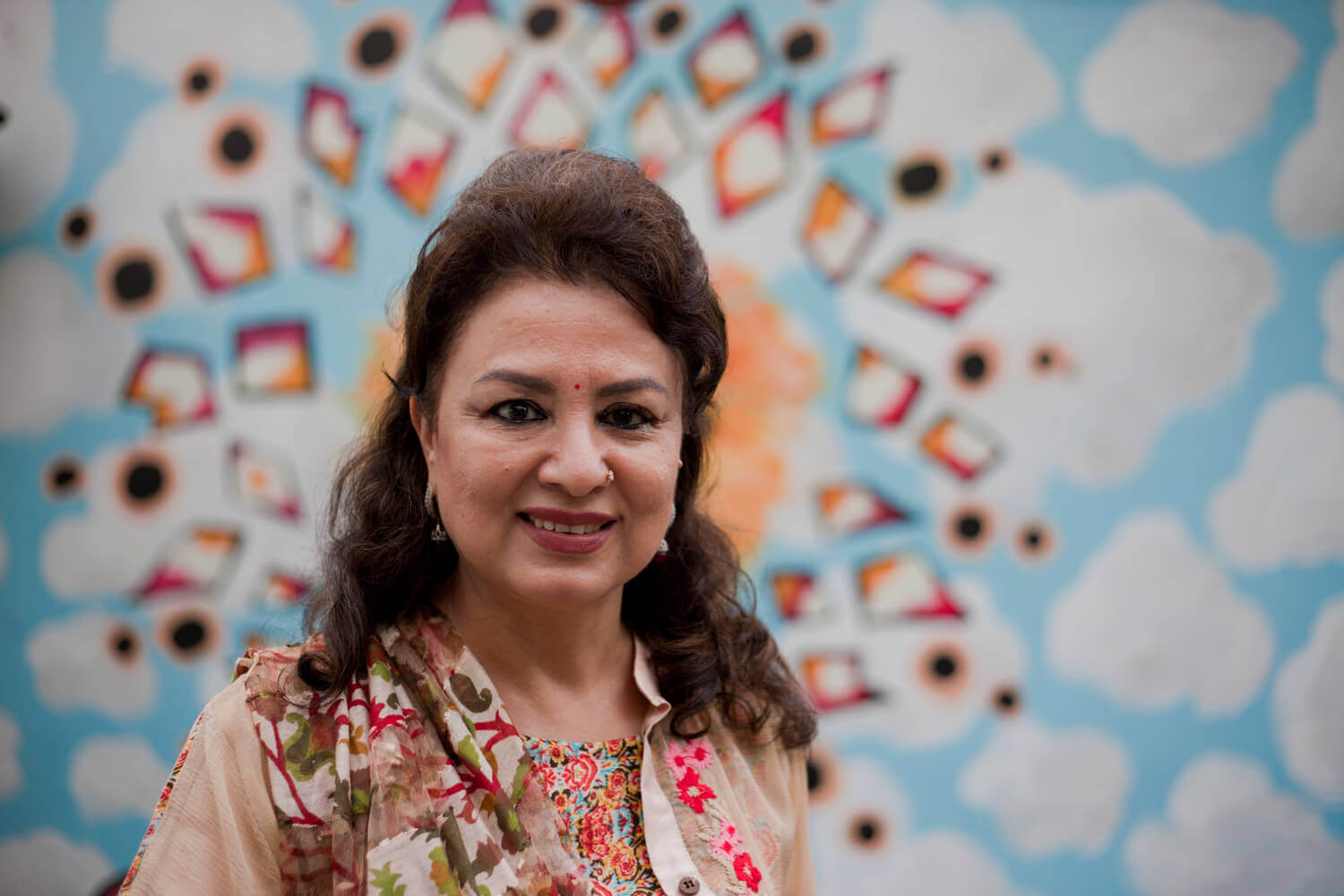
She remembers the whirlwind three months of campaigning as she met every ambassador in Kathmandu, others in Delhi, travelled to Istanbul to meet foreign ministers, and to New York three times to convince countries to vote for her.
When the results came out, Rana had secured sixth place among 23 seats, and was the only South Asian member on the committee. In January she was also elected one of the Vice Chairs and is now part of CEDAW’s policy-making body, a rare position for a Nepali.
In that role, Rana reviews the reports submitted to CEDAW by governments and civil society’s shadow reports, and conducts dialogues with countries. She tries to focus on violence against women. “I like to look at the mechanisms in place to address these issues in all spheres — economic, political, and social. What is the engagement of the media? How do countries engage men and boys in combating violence? Are there enough shelters? What are the ways victims can access justice, and how are justice officials sensitised?”